

Se rimanete in città per diversi giorni, ecco cosa visitare ad Atene. Spunti, idee, consigli, per una Atene da vedere e da gustare. Atene in un weekend, è un’idea percorribile ma sacrifica molte attrazioni.
- Athens places of interest
- 1 The Acropolis, the Parthenon Athens
- 2 Acropolis Museum Athens and Plaka
- Acropolis opening hours
- Ticket price to visit the Acropolis
- Metro stop for the Acropolis
- What to see in Athens: museums
- 3 National Archaeological Museum of Athens
- Opening hours of the Archaeological Museum of Athens
- Ticket price to visit the Archaeological Museum of Athens
- Metro stop for the Archaeological Museum of Athens
- 4 Benaki Museum
- Opening hours of the Benaki Museum
- Metro stop for the Benaki Museum
- What to do in Athens
- 5 Flea Market in Monastiraki
- 6 Central Market of Athens
- Metro stop for the Central Market
- 7 How to get to Athens and how to get around
- How to get to Athens
- How to get around Athens
- 8 Where to eat and drink in Athens
- The nightclubs of Athens
- 9 Where to stay in Athens
Tuttavia, pur volendo concedersi altre distrazioni, la capitale greca è una città molto amata dagli appassionati di arte antica che, a questo punto, potranno far visita all’Antica Agorà di Atene con il suo bellissimo Tempio di Efesto e la Stoà di Attalo; meritano inoltre un ingresso il Museo Archelogico Nazionale, il Museo Bizantino e il Museo Benaki, mentre gli appassionati di lirica potranno visitare il piccolo Museo di Maria Callas, ad ingresso libero. Guida Atene. Vediamo cosa vedere ad Atene, capitale Grecia, i monumenti più importanti, Atene Antica. Atene Storia.
Athens places of interest
1 The Acropolis, the Parthenon Athens
Athens Parthenon. It is impossible not to associate the idea of Athens with the Acropolis: an inseparable combination that strongly characterizes this European capital, one of the most affordable and therefore much appreciated also by budget travelers. The stop at the Acropolis is absolutely one of the first things to see in Athens. On the rocky hill of the Acropolis stands the Parthenon, symbol of Athens and the most important tourist and cultural attraction in this area. The grandeur of this temple is evident, even more appreciable at night when the whole hill is enriched by the golden color of the lights and the surrounding panorama: on one side you will find all of Athens “spread” down the valley while from the other side it will be possible to admire part of the Peloponnese.

2 Acropolis Museum Athens and Plaka
A short distance from the Parthenon is the Acropolis Museum while for an immersion in the ancient streets of Athens, nothing is better than a walk in Plaka, the neighborhood at the foot of the Acropolis which, despite the strong tourist-commercial character given by the presence of bars, guesthouses and hotels, preserves the beautiful Byzantine churches and the characteristic alleys unchanged.
Acropolis opening hours
Every day: in summer from 8:00 to 19:00; in winter from 8:00 to 17:00.
Ticket price to visit the Acropolis
The price of the ticket to visit the Acropolis is about 12 euros. It allows access to the Roman Forum, the Agora, Keramikos, the Theatre of Dionysus and the Temple of Zeus.
Metro stop for the Acropolis
Stop Akrpolis Monastiraki.

What to see in Athens: museums
3 National Archaeological Museum of Athens
Archaeological Museum Athens. This is the largest archaeological museum in Athens, collecting relics of ancient Greek civilization. For enthusiasts of art and culture, it is an important destination. Inside, it is possible to visit a large collection of artifacts that survived the eruption of the Thera volcano, the island also known as Santorini, dating back to the sixteenth century BC. The Mycenaean collection with jewelry, weapons, jewels, and other artifacts dating between the ninth and sixteenth centuries BC is very interesting.
Opening hours of the Archaeological Museum of Athens
Every day: in summer from 8:00 to 19:00; in winter from Tuesday to Sunday from 8:30 to 15:00, Monday from 13:00 to 19:30.
Ticket price to visit the Archaeological Museum of Athens
The ticket price to visit the Archaeological Museum of Athens is about 7 euros.
Metro stop for the Archaeological Museum of Athens
Stop Victoria.

4 Benaki Museum
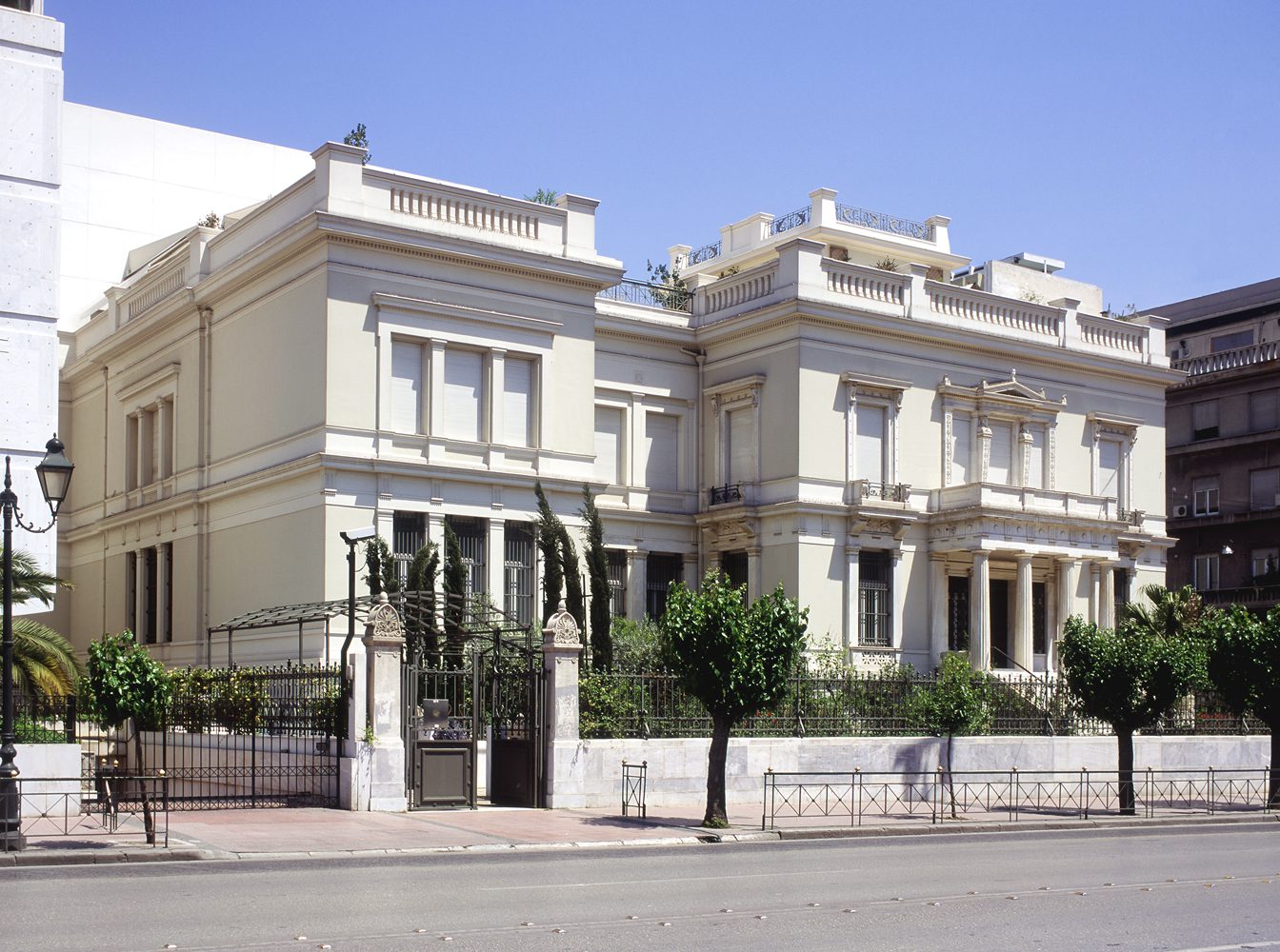
The Benaki Museum houses the art collection of Antonis Benaki, who in 1954, before his death, donated it to the State along with his residence that contains it. It is a very rich artistic heritage ranging from the third millennium BC to the time of the donation. Inside are the “Treasures of Thessaly,” valuable jewels, and many other important objects.
Opening hours of the Benaki Museum
Monday, Wednesday, Friday, and Saturday: from 9:00 to 17:00; Sunday from 9:00 to 15:00; Thursday from 9:00 to 24:00 with free admission.
Ticket price to visit the Benaki Museum
The ticket price to visit the Benaki Museum is about 6 euros.
Metro stop for the Benaki Museum
Stop Syntagma.
What to do in Athens
5 Flea Market in Monastiraki
If you’re hunting for shopping among markets, the ideal is to dedicate Sunday morning to the flea market in Monastiraki, while if you prefer trendy shops, the right streets are those of the neighborhoods Thissio and Gazi.

6 Central Market of Athens
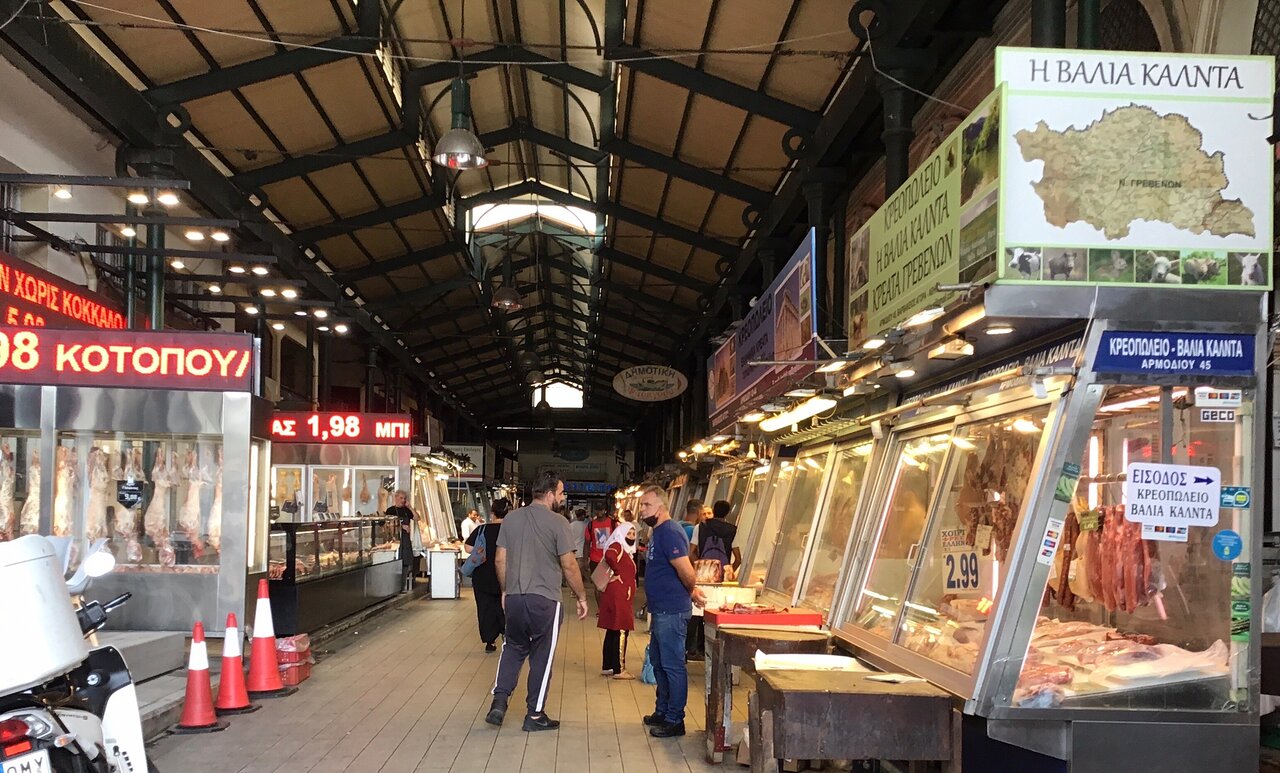
Visiting Athens also means taking a walk in the heart of commerce of the Greek city. The Central Market is the largest market in Athens where the inhabitants of the Hellenic capital usually do their shopping. The central market of Athens is open every day from Monday to Saturday from 9:00 a.m. to 3:00 p.m.
Metro stop for the Central Market
Stop Monastiraki and Omonia.
7 How to get to Athens and how to get around
How to get to Athens
Athens airport. Athens is accessible by plane through the international airport (Eleftherios Venizelos) located about 30 km from the city, towards the northeast. The X94 bus line connects the metro station Amina Ethniki (Pentagon) with the airport. The first bus is at 6:30 AM, the last at 8:55 PM, at intervals of 10-20 minutes. The X95 line Syntagma Square – Airport Express starts at Syntagma Square in the center of Athens and ends at the airport. Athens Metro. An alternative to public transport is certainly the well-functioning metro.
How to get around Athens
Within the city, you can get around on foot, as the points of interest are all easily reachable with almost always pedestrian streets. Alternatively, you can use buses, which are very economical though almost always very crowded. The metro has three lines:
- Line 1, green, Piraeus-Kifisia, 24 stations, length 26 kilometers, 3 of which are underground;
- Line 2, red, Anthoupoli-Elliniko, 20 stations, length 18.6 kilometers, entirely underground;
- Line 3, blue, Agia Marina-International Airport “Eleftherios Venizelos,” 21 stations, length 40 kilometers.
The Proastiakós suburban railway serves the city, which also has two tram lines.

8 Where to eat and drink in Athens
The nightclubs of Athens
Late at night, the life of Athenians bursts out in the clubs, which are very numerous here and at a good price: the right destinations to go for sure are certainly the areas of Psirrì and Gazi, two former industrial sites now the beating heart of the nightlife of the Greek capital: among cocktail bars, discos, places for modern intellectuals, Athens is hectic at night, both in winter and summer, with the only difference that in the warmer months many clubs move to the coastal area, perhaps right inside beach resorts. Whether for nightlife, art, or the pleasure of discovering a new European capital, there are many things to do in Athens, a city that often represents a great solution for traveling while spending the right amount.

9 Where to stay in Athens
Athens hotels. Accommodations in the city are affordable for every budget. There is no shortage of luxurious hotels, romantic hotels in the Plaka area. The Syngrou area is mainly suitable for those who come to Athens for work but is a less interesting area. Here is a selection of hotels in Athens.