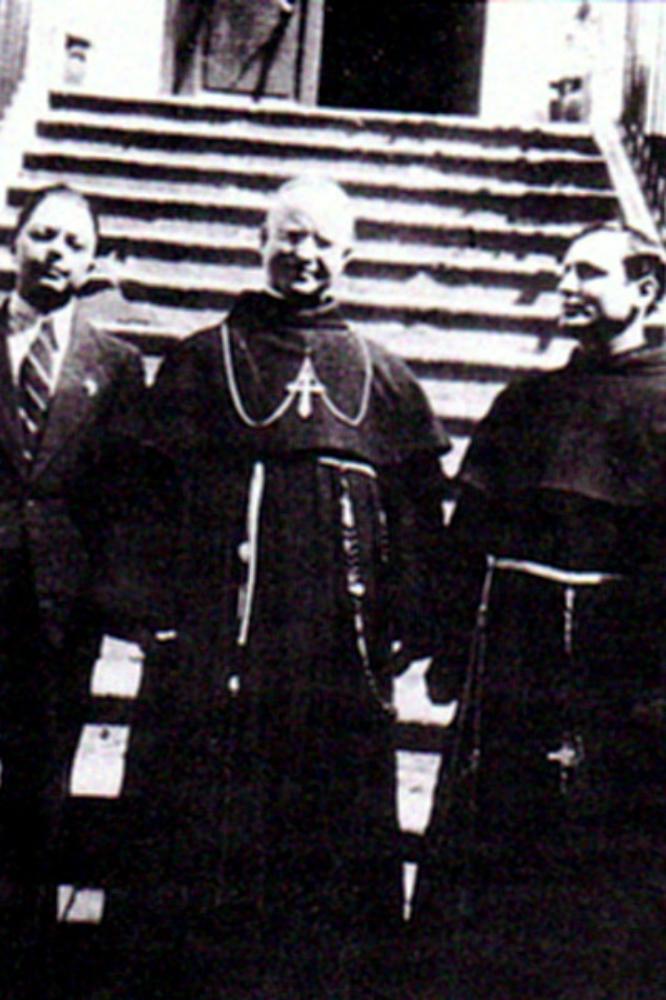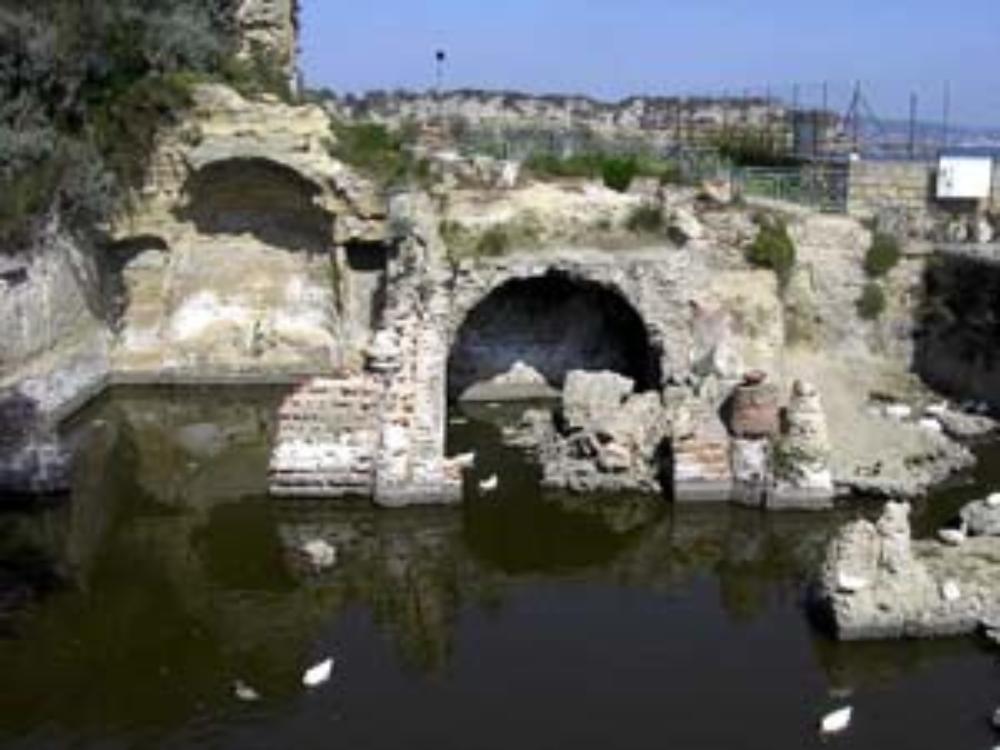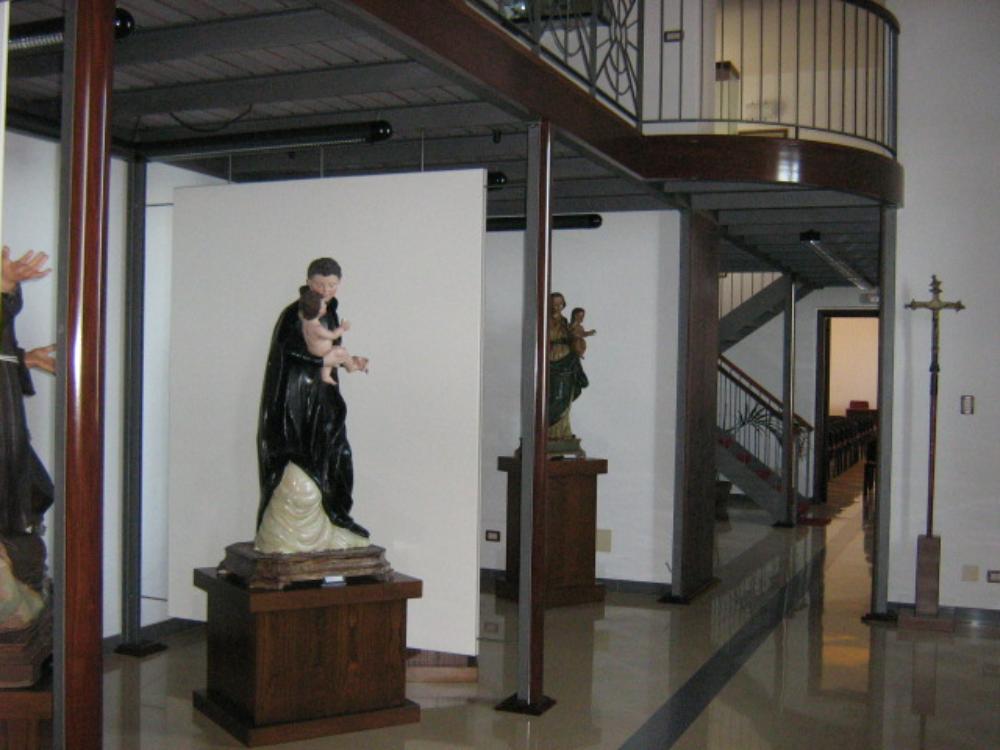


Il Museo, established on March 5, 1997 by Bishop Antonio Pagano, is divided into two locations: the first, which includes the section dedicated to sacred art, is exhibited in the premises of the Seminary Palace, located in the Municipality of Ischia, and the second, which houses the archaeological section, is part of the complex of the Pontifical Basilica of S. Restituta, located in the Municipality of Lacco Ameno. Sacred Art Section. Divided into five sections (marbles, sculptures, paintings, silverware, and various artifacts); the objects come from the churches of the diocese and in particular from the current Cathedral which collected the furnishings of the Cathedral on the Aragonese Castle, bombed in 1809. Remarkable is a lid of a paleochristian sarcophagus with five gospel scenes dated between the 4th and 5th century A.D. Archaeological Section. An example of enhancement of an archaeological excavation area then museumized, it illustrates the history of the settlement of Pithecusae from the archaic age to the medieval period. The area (1000 sqm), distributed between the building annexed to the Basilica and the underlying area, is expressed in three rooms and in the four sectors of the excavation area. Rooms I-II-III. Liturgical equipment, wooden statues of saints, majolica from the 18th and 19th centuries from Naples are exhibited; interesting are the glazed ceramics with bands (from the 6th to the 16th century). Sector I. The area, identified with the artisanal district (keramèikos) of ancient Pithecusae, shows the furnaces, different from each other in shape, size, and chronology (from the 8th century BC until the Hellenistic period), where ceramic production, tiles, and large containers took place. At the end, the remains of a Roman-imperial age necropolis. Sector II. An “arcosolium” tomb is found (late ancient age burial with a lowered arch). A wall in reticular work, graves made on the walking surface and a small structure in local stone made it possible to attribute the area to the Paleochristian Basilica of the 5th century A.D. Sector III. Prehistoric ceramics, local production Greek-archaic ceramics, original and local imitation Corinthian ceramics, from the classical and Hellenistic age, are exhibited. Sector IV. The necropolis covers a wide chronological period from the 2nd-3rd century BC (hooded tombs) to the 6th-8th century AD (tombs made with discarded tile cover).
Information about the Diocesan Museum of Ischia
Bishop’s Palace Via Seminario, 26 (Sacred Art section); Basilica Santa Restituta – Piazza S. Restitut,
80077 Ischia (Naples)
081 991706 – 081 982708
[email protected]
Source: MIBACT