


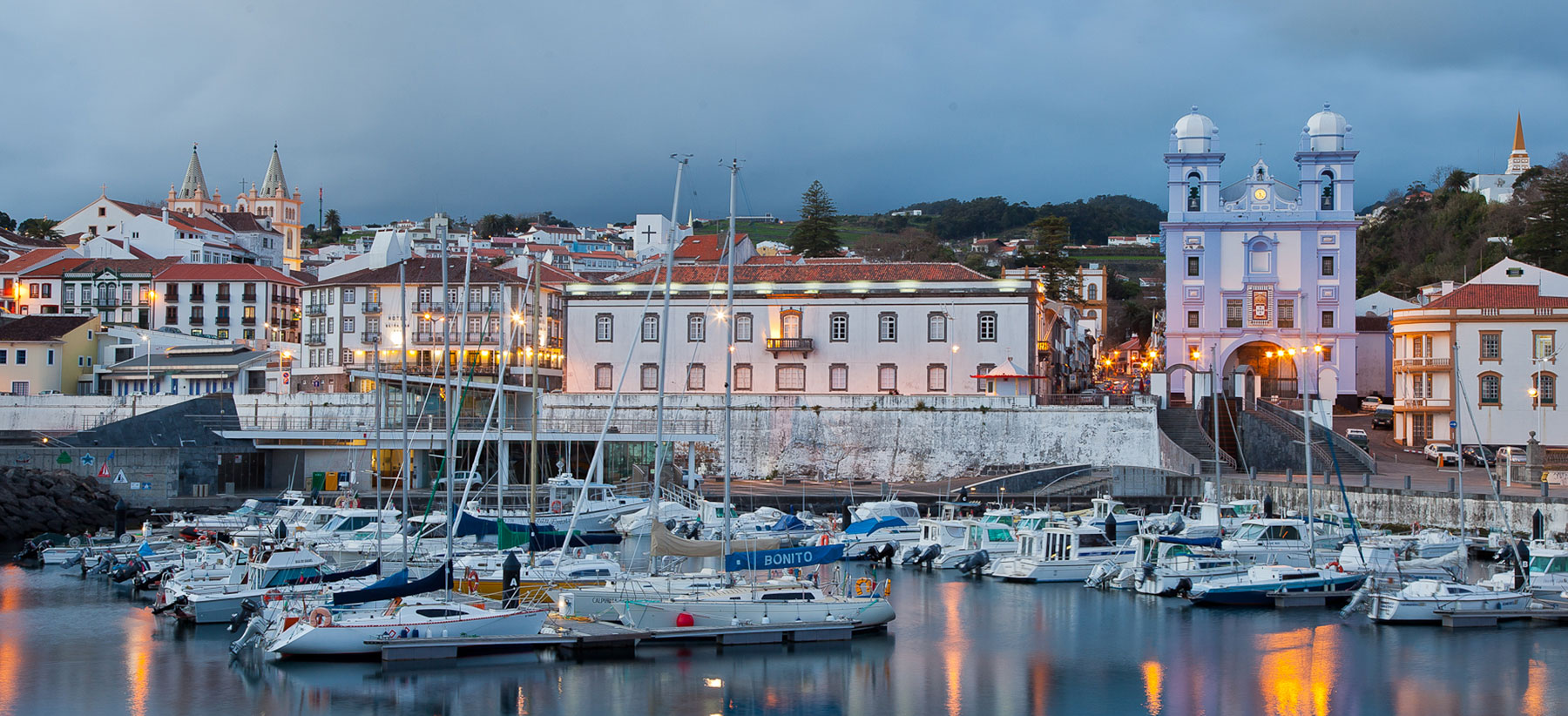

Siamo arrivati un po’ per caso, cercando luoghi non colonizzati dal turismo di massa, posti dove le persone sono persone e la natura è sovrana. Ci siamo imbattuti in un’isola magica, lunga poco più di 25 chilometri e con una larghezza massima di 17,5 km chiamata Terceira, essendo stata la terza isola dell’arcipelago ad essere scoperta nel XV secolo. Meta un tempo dei galeoni e delle navi che commerciavano tra l’Europa e le Americhe, Terceira mantiene ancora oggi tutto il fascino di un posto di passaggio, con ritmi e tempi che in cinque secoli non sono cambiati.

1 Terceira, the coasts
The coasts of Terceira, clearly of volcanic origin, drop steeply into the sea, then suddenly surprise with natural pools formed by lava flows. Biscoitos, Cinco Ribeiras, Quatro Ribeiras are just some of the natural pools offering breathtaking landscapes, and swimming in the cold ocean waters surrounded by curious and elegant formations of black lava is an unforgettable experience. The wind always blows steadily, sometimes stronger and sometimes gentler, ensuring a perfect climate both for a dip in the sea and for walks and excursions. Because despite the size of the Island, on Terceira it is possible to combine many holidays.

2 Terceira, at the top
The center of the island is dominated by a mountain 1,032 meters high from whose summit it is possible to see the other islands of the archipelago: Fajal, Pico and Sao Jorge. Climbing to the top, the landscape changes abruptly and unexpectedly: from the initial pastures, where cows and some goats graze freely surrounded by hydrangeas, then these hilly landscapes give way to an alpine landscape with moss, tree ferns, scents of resin, and flowers.
3 Terceira, the nature
La nature is the most magical spectacle that the Azores and Terceira offer: the area of Serreta is the western zone of the island; very green, fragrant, rich in native vegetation with an explosion of flowers and trees that takes your breath away. The island is also densely inhabited by cows, all strictly grazing – there are no barns – and it is fascinating to watch the milking and meet old men on a horse or a donkey with tin cans carrying the milk to the island’s plant.
4 Terceira, Furnas
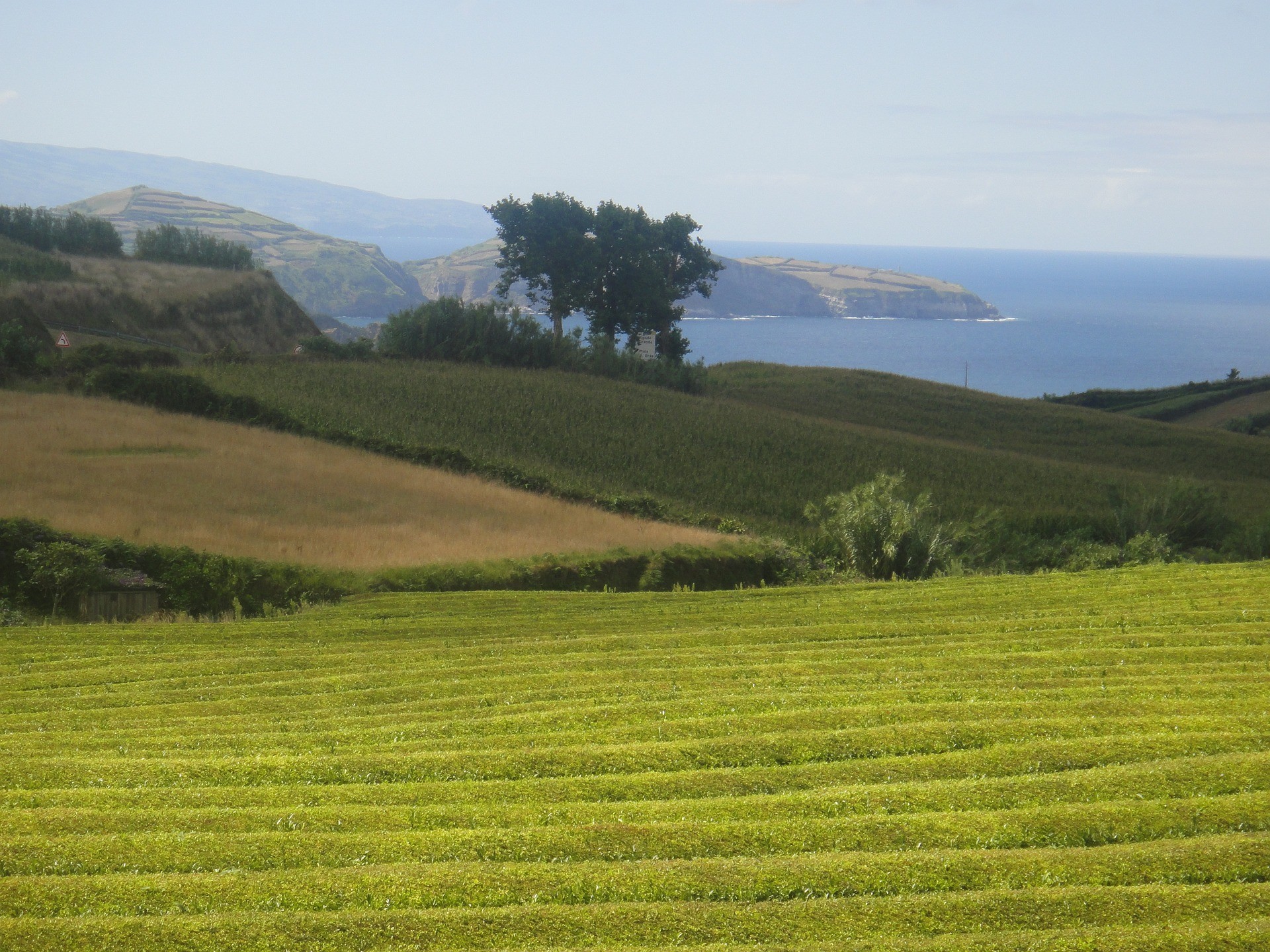
Driving around Terceira, in some stretches it feels like being in the Alps, then you almost feel like you’re in Iceland admiring geological phenomena called Furnas, sulfur emissions from the ground. The red and iron-rich earth mixes in color plays with the black lava sediments, hydrangeas abound and grow lush along the roadside, accompanying the visitor on a magical journey.

5 Algar do Cavalho
Since Terceira is of volcanic origin, a visit to Algar do Cavalho is a must, the volcano whose eruption created the island. Entering the volcano cone, completely covered with vegetation, you descend to a small lake from which lava flows out and you can see the lava flows still imprinted in the rock, the explosions marked on the walls, and the secondary cones. A unique and unmissable spectacle.
6 Terceira, the cave
Other caves on the island allow you to admire nature from completely new perspectives, they are not caves with stalagmites and limestone formations, but lava tunnels and sulfate formations. After the caves, losing yourself in nature and exploring the island’s woods and valleys on foot is an exceptional experience.
7 Azores, slow tourism
The Azores should be visited calmly. We learned this by following the advice of Fatima and Jean-Claude: there is no rush, it is better to visit one island at a time to fully enjoy the atmospheres, scents, colors, and nature. And although the islands are all small in size, except for São Miguel, they are different from each other and hide magical places to discover, getting lost among the gravel roads and paths. For those who love dolphins and whales, the Azores also offer the opportunity to take boat trips to see cetaceans and dolphins up close: our rubber boat was accompanied throughout by a group of dolphins that, following us, delighted us with jumps and games.