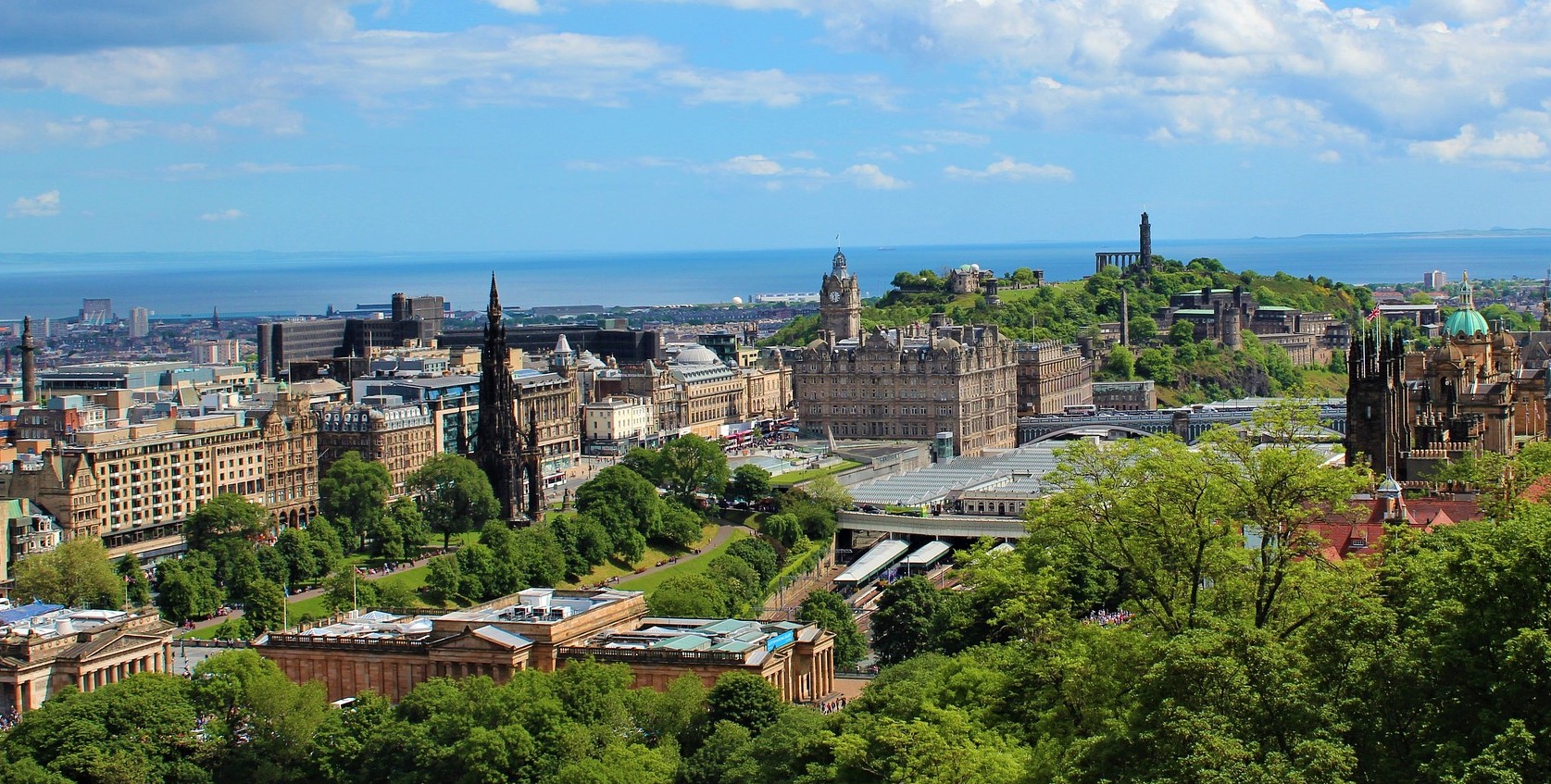


La fondation de Pretoria, capitale administrative de l’Afrique du Sud, remonte à 1855, tandis que sa richesse provient des gisements de diamants et des mines Cullinan. Très important aujourd’hui est son pôle universitaire, avec tout ce que cela implique en termes de vitalité et de dynamisme : la forte présence d’étudiants a en effet donné naissance à de nombreux lieux et rendez-vous à la mode, foyers d’idées et de styles de vie.
1 What to see in Pretoria: the historic center
Pretoria has a compact and cozy historic center, convenient and pleasant to visit on foot. Church Square is its heart, witness to the main political events of the country during the 20th century. Several institutional buildings overlook the square: the old parliament building, called Raadsaal; the General Post Office; the Reserve Bank; the Palace of Justice in late 19th century style; the Netherlands Bank Buildings and others. Here is also the historic Caffè Riche, a triumph of Art Nouveau style. In the center of the square stands the statue of the statesman Paul Kruger, a myth of Boer colonialism, who was elected father of the nation.
2 Kruger’s House
His home, Kruger’s House with the famous veranda where guests and dignitaries were received, is located just west of Church Square and is open for visiting: it houses original late 19th-century furnishings. Opposite, there is also Kruger’s Church.
3 Hatfield and Sunnyside, neighborhoods of Pretoria
North of the square are the Union Buildings, an architectural complex from 1913, seat of the national government, and the Zoo. To the east, Pretoria University and the Hatfield neighborhood emerge, full of bars, clubs, restaurants, and hangouts for late nights.
And to the south, the Sunnyside neighborhood, the liveliest and most popular, with African crafts shops, art galleries, cultural centers, and alternative venues.