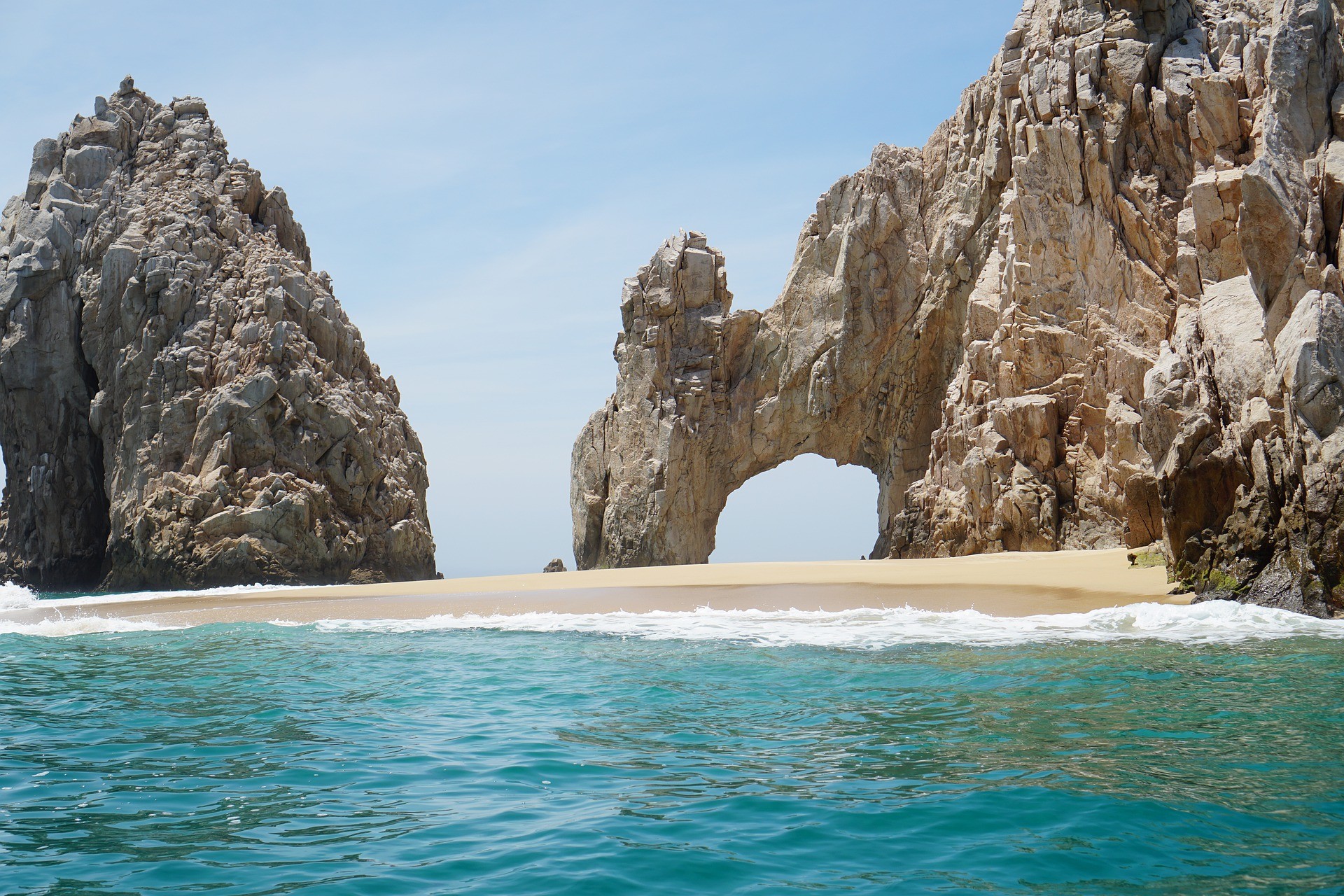
Looking ahead to a trip to Mexico, it is possible to start considering the best routes to follow in order to visit this country so rich in history and culture.
In particular, here is a guide to Mexico focused specifically on the sites UNESCO World Heritage.
The first stop recommended to include in a tour of Mexico is Guanajuato, located in the Bajío region, also called the “Heart of Mexico.” Here in the state of Guanajuato, the local culinary tradition will allow you to discover the full flavor of typical dishes, enhanced by the air and territory: the city is situated in a picturesque valley, among the mountains of the Sierra de Guanajuato.
The city’s very architecture allows a dive into the past, as it breathes the colonial era. Given its geographical position, Guanajuato is also ready to be visited by the most adventurous spirits, soaring over the valley by hang glider or hot air balloon. From above, one will also notice that the city takes on a particular shape: that of a frog.
Off the usual Mexican tourist circuits is the city of Oaxaca, very lively and invigorated by flourishing commerce and many local craft activities. Markets, popular festivals, typical dishes whose recipes are lost in ancient times, millennia-old traditions: in the city, the signs of history – made by ancient civilizations – are still tangible.
Queretaro appears as the colonial city par excellence, so much so that the monumental area of Santiago de Queretaro became a UNESCO World Heritage Site in 1996 precisely because its architecture is – among other things, perfectly preserved – testimony to the multicultural spirit that has lived here for centuries. Various colonial routes can be followed, perfect for best discovering the buildings, streets, and squares of the city.
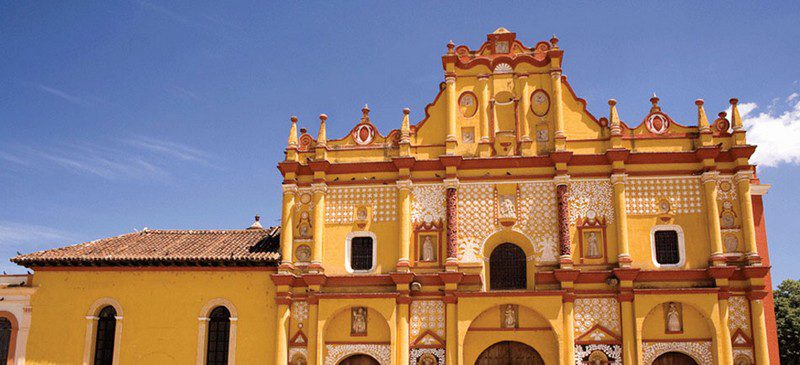
San Cristóbal de las Casas is the right destination to delve into to relive the customs and traditions of populations descending from the Maya: different dialects will be discovered depending on the descendant group and, not coincidentally, here in the Chiapas region, a peculiar language is spoken, different from the rest of Mexico. Surely this city is recommended on a tour of Mexico as it provides clear testimony of the oldest, most historic, and pure Mexican traditions.
Finally, the city of San Miguel de Allende completes the route among the UNESCO World Heritage cities in Mexico. Particularly loved by those who appreciate art, it presents itself as a “mix” location: colonial-era buildings stand alongside structures housing numerous art galleries, boutiques, venues, and shops of every kind. The wealth and liveliness of this city is also due to its strategic position: it is indeed part of the ancient Ruta de la Plata, the Silver Route. Therefore, it has always been characterized by the passage of goods but first and foremost by people.