

Ha una forma singolare, la Croazia, sembra una farfalla dalla ali asimmetriche. Quella più lunga e affusolata corrisponde alla fascia costiera adriatica, con una miriade di isole e isolotti. Quella più corta e tozza incarna invece la zona continentale, mossa da colline, boschi, montagne, terme, borghi, città di carattere, come la stessa capitale, Zagabria.
From Istria to Dalmatia: Croatia
Two deeply different worlds, but both fascinating and above all, rich in nature, cultures, customs, traditions, and flavors. A variety that is, in essence, the true wealth of this land-bridge between the east and west of Europe, known and celebrated since ancient times, when Cassiodorus described the splendid leisure of emperors and patricians on its coasts. This very hinge position brings it, on the tourist front, a large number of foreign visitors, including Italians. Coastal regions such as Istria, Kvarner, and Dalmatia have been for years a valid alternative to our own beaches, thanks to manageable distances, an efficient network of connections, good hospitality, affordable prices, but above all the beauty of nature, the sea, and the coasts.
The Istria, for example, the northernmost peninsula, heart-shaped, is for Italians a kind of second homeland. Its seaside resorts (Umag, Poreč, Rovinj, the Brijuni Archipelago, the Pula Riviera…) are a pleasant blend of ancient remains, Venetian testimonies, shell-shaped villages, romantic small ports, dream coves, and crystal-clear waters.
The Croatian hinterland is a succession of gentle hills, crowned by medieval villages: Motovun, Grožnjan, Oprtalj or Hum, Fiume in Italian, considered the smallest town in the world. No less loved is the Kvarner, with the elegant Riviera of Opatija and islands that alone are worth the vacation: Rab, Krk, Cres, and Lošinj. Or Dalmatia, with Zadar, a city three thousand years old; Šibenik and the Kornati Islands, celebrated without mincing words by George Bernard Shaw.
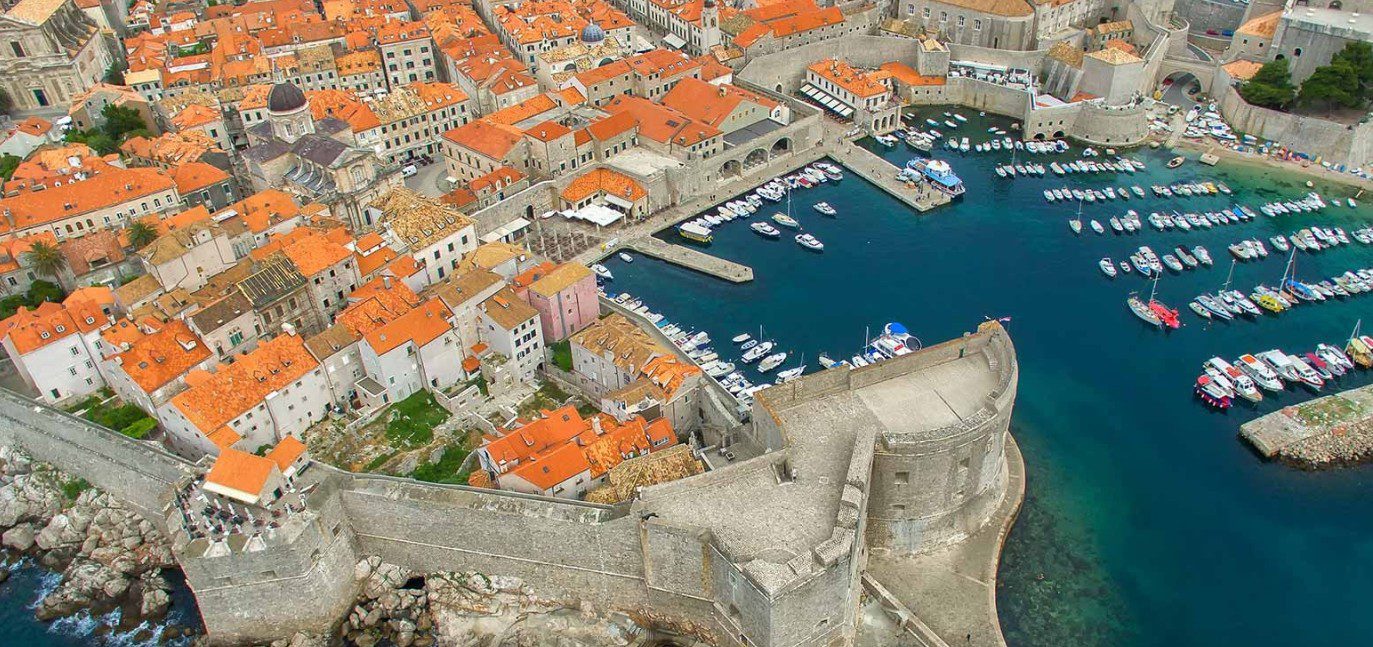
But the hinterland is also generous with nature, with a series of spectacular parks and reserves, from Risnjak to Velebit, from Mljet National Park to the Plitvice Lakes. Beautiful, finally, is Dalmatia, with pearls like Split and Dubrovnik, at the extreme southern tip, a fairy-tale city wrapped in nearly 2 kilometers of walls, declared a UNESCO World Heritage Site.
The Croatia profile
- Country: Croatia
- Area: Zagreb
- Capital: Vienna
- Population: 5 million inhabitants
- Language: Croatian
- Religion: the majority is Christian-Catholic, the minority is Christian-Orthodox
- State system: parliamentary democratic republic
- Main cities: Zagreb, Split, Rijeka, Zara, Osijek, Slavonski Brod, Velika Gorica, Karlovac, Pula, Rijeka, Sibenik, Split, Dubrovnik
Useful information about Croatia
- Currency: Kuna (1 euro =7.5 Croatian kuna)
- International dialing code: +385
- International vehicle registration code: HR
- Driving side: right
- Entry documents: Identity Card or Passport
- Vaccination required: None
- Electric current: 220 volts AC 50 HZ
- Units of measurement: metric decimal
- Time zone: same as Italy
- Fixed-date holidays: January 1: New Year’s Day; January 6: Epiphany; March-April: Easter; May 1: Labor Day; May 30: Croatian Statehood Day – Liberation of Knin; June 22: Revolution Anniversary and Anti-Fascism Day; August 5: Patriots’ Day and National Thanksgiving Day; August 15: Assumption of Mary; November 1: All Saints’ Day; December 25: Christmas; December 26: St. Stephen’s Day
- Climate: continental inland, with strong temperature variations, hot dry summers and humid winters, and Mediterranean along the coasts, with mild winters and hot summers
- Average temperatures: In summer temperatures can reach 38°C, in winter they can drop to 2°C
- Transport: National airlines Croatia Airlines and Air Adriatic; and many others flying to Croatia: One Air, Ryanair, Volareweb, etc. By ship departures from Ancona, Bari, Pescara, and Chioggia to all destinations in Croatia
- Airports: Zagreb, Split, Dubrovnik