


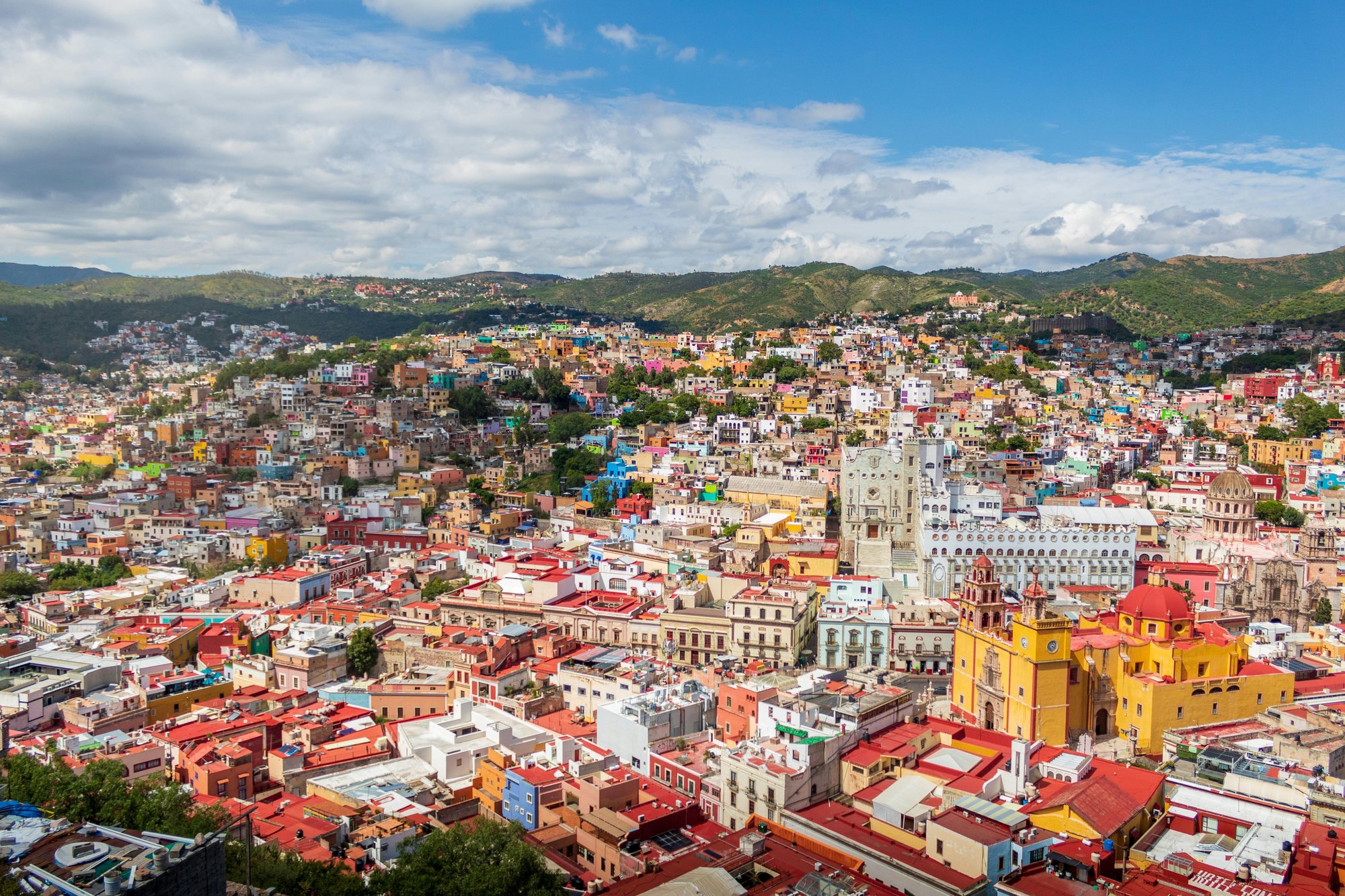


Guanajuato is one of the most surprising destinations in central Mexico. For many European travelers, Mexico immediately conjures up Caribbean beaches, the Riviera Maya, Cancún, or the great archaeological sites of the Yucatán. Yet, in the heart of the country, far from the coast, there is a different Mexico: more intimate, historic, colorful, and deeply cultural.
- Where Guanajuato is located and why it’s worth the trip
- Guanajuato City: colors, alleyways, and Mexican history
- San Miguel de Allende: elegance, art, and cosmopolitan atmosphere
- The Six Pueblos Mágicos of Guanajuato
- Wine, nature, and adventure in Central Mexico
- Cervantino Festival and Cultural Life All Year Round
- How many days do you need to visit Guanajuato
- How to get to Guanajuato
- Who should visit Guanajuato
- Guanajuato, the Mexico you don’t expect
- FAQ about Guanajuato
- Where is Guanajuato?
- What to see in Guanajuato?
- Is Guanajuato a UNESCO World Heritage Site?
- How many days do you need to visit Guanajuato?
- When to visit Guanajuato?
The state of Guanajuato tells an essential part of Mexican identity. Here, the history of Independence, colonial architecture, UNESCO World Heritage cities, Pueblos Mágicos, gastronomy, wine, folk festivals, and a lively cultural calendar throughout the year all intertwine.
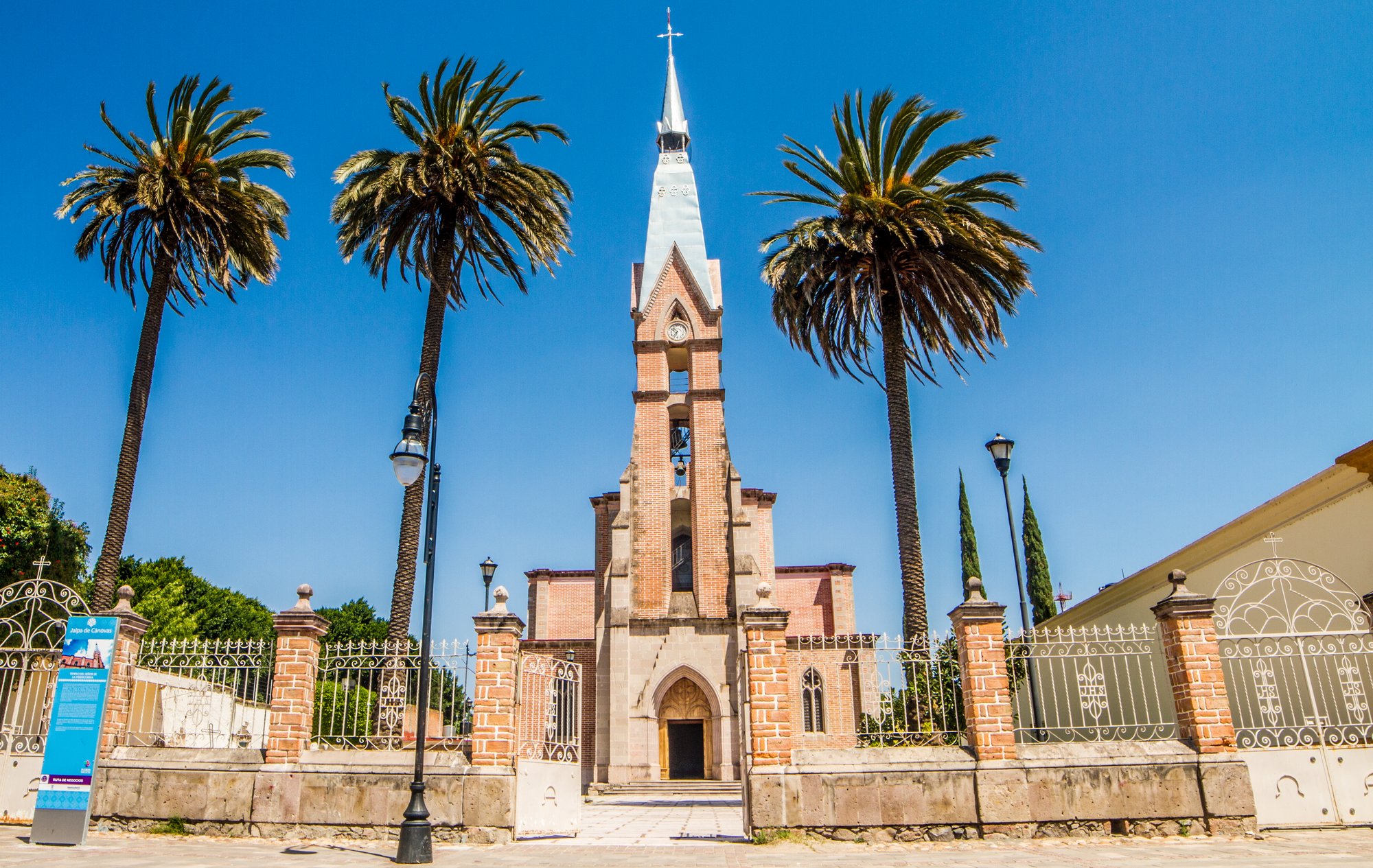
If you’re in a hurry. Guanajuato is a central Mexican destination ideal for those seeking historic cities, culture, authentic villages, art, wine, and rural landscapes. Highlights not to miss include Guanajuato city, San Miguel de Allende, Dolores Hidalgo, Mineral de Pozos, Yuriria, Salvatierra, Jalpa de Cánovas, and Comonfort.
Where Guanajuato is located and why it’s worth the trip
Guanajuato is located in central Mexico, in a strategic position for those looking to create an itinerary different from the better-known beach routes. It can be included in a trip among Mexico City, Guadalajara, and the great colonial cities inland, or it can become a stand-alone destination for those wishing to discover the country’s more cultural side.
Its charm lies precisely in its variety. In just a few days, you can visit monumental cities, stroll through colorful alleyways, discover villages suspended in time, enter ancient mines, taste Mexican wines, join festivals, and experience rural life far from mass tourism.
Guanajuato City: colors, alleyways, and Mexican history
The city of Guanajuato, capital of the state, is one of the most striking images of colonial Mexico. The brightly colored houses seem to climb the hillsides, alleyways twist through legends and sudden views, the squares are always lively, and the underground tunnels reveal a unique relationship among the city, mines, and urban landscape.
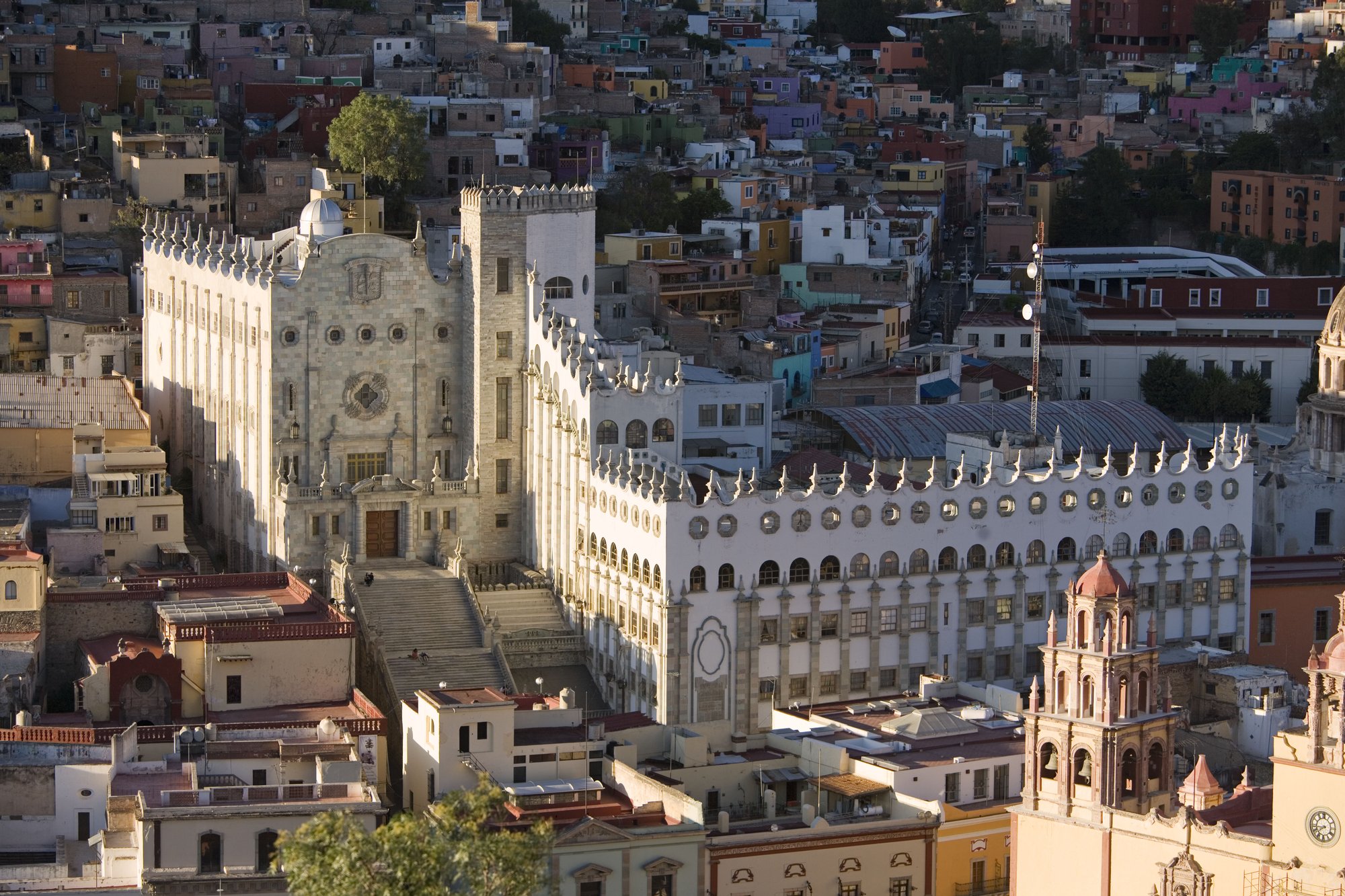
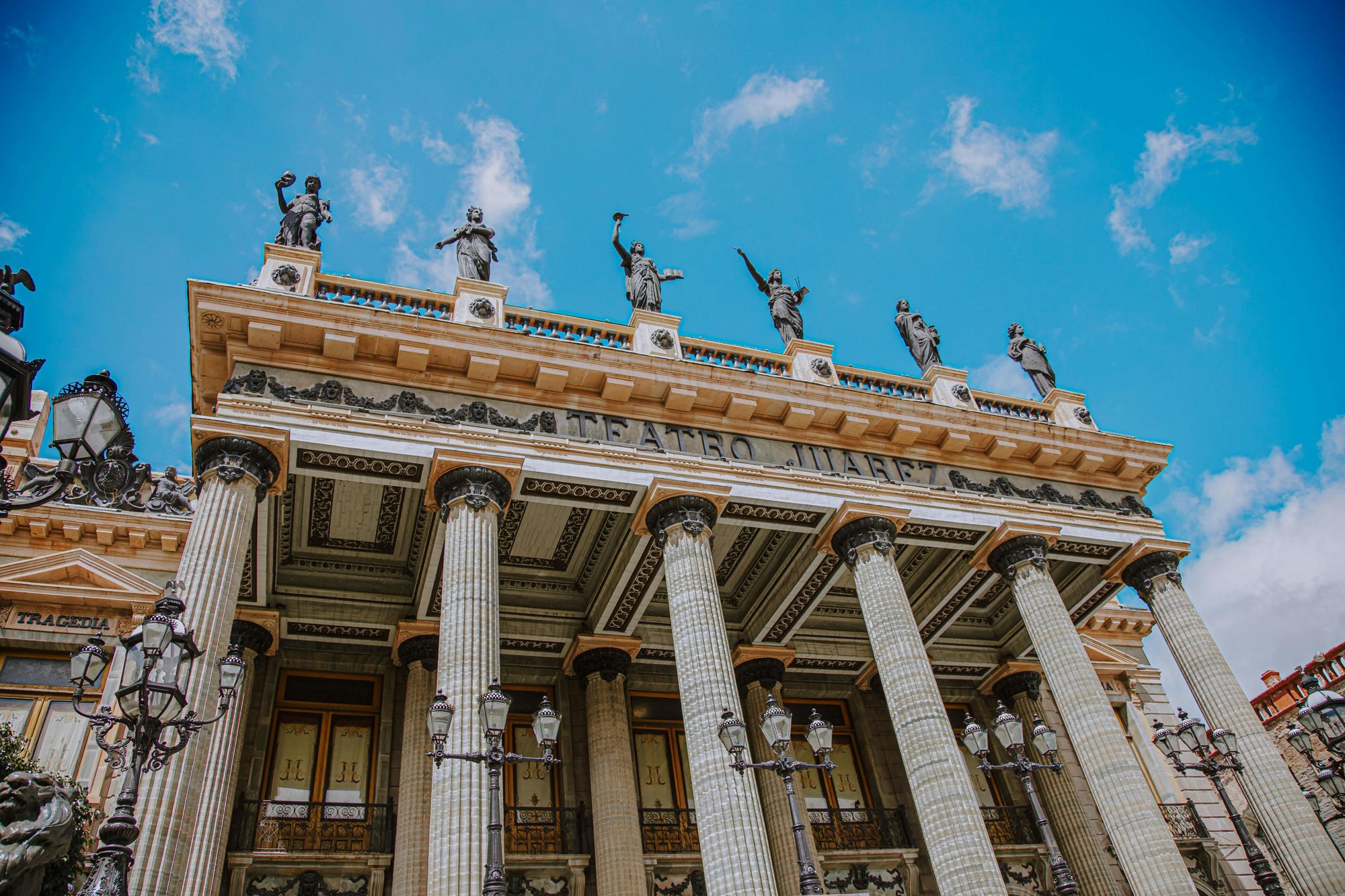
Among the main landmarks to see are the Teatro Juárez, elegant and monumental, Plaza de la Paz, the famous Callejón del Beso, the Alhóndiga de Granaditas and the Monumento al Pípila, from which you can enjoy one of the best views of the city. Guanajuato isn’t just scenic: it’s a fundamental place for understanding the birth of modern Mexico.
San Miguel de Allende: elegance, art, and cosmopolitan atmosphere
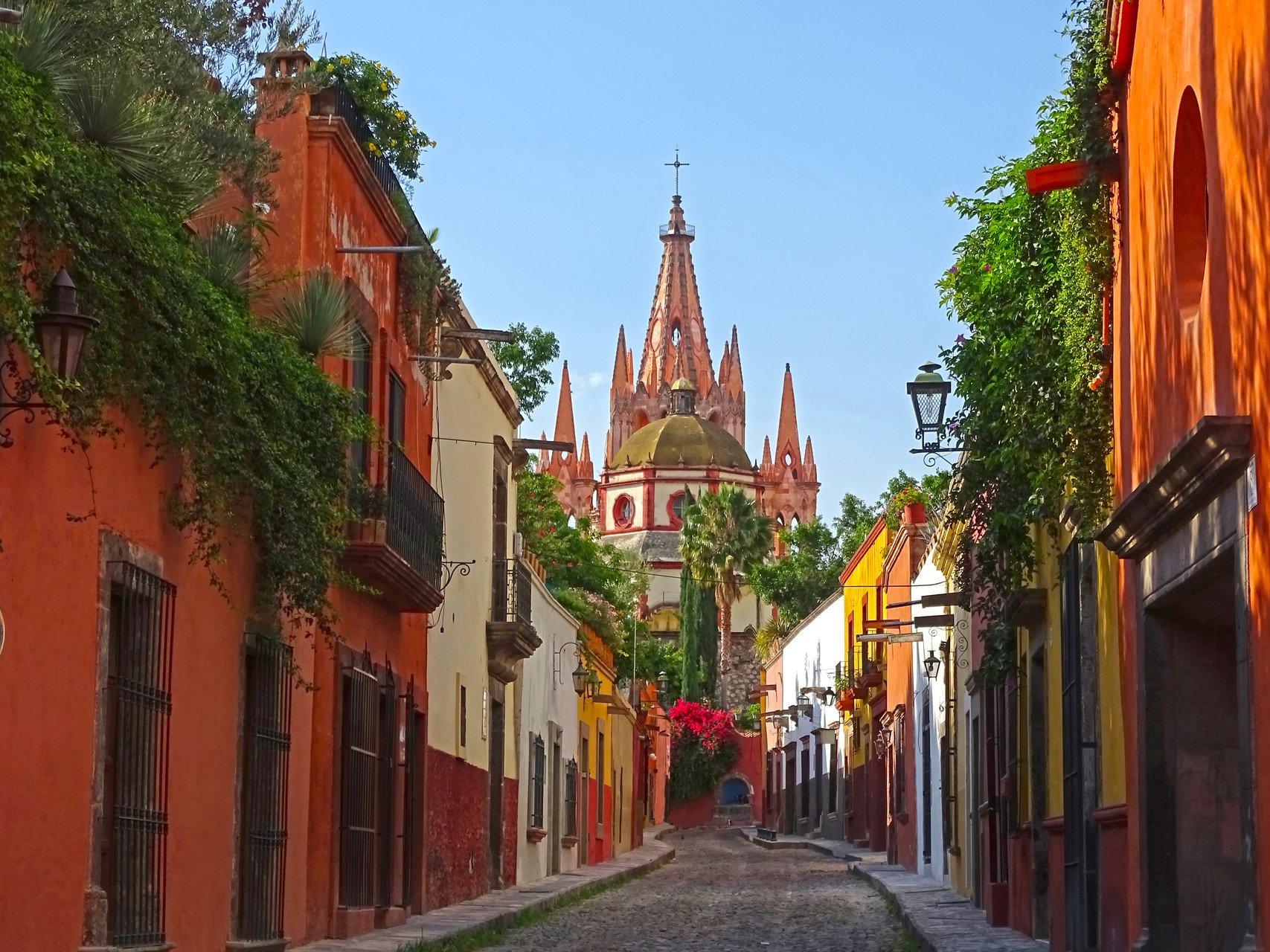
A short distance from Guanajuato city, San Miguel de Allende offers a different and complementary side. It’s a bright, refined city, much loved by artists, international travelers, and architecture enthusiasts. Its historic center retains an elegant colonial atmosphere, made up of warm facades, courtyards, art galleries, boutique hotels, restaurants, terraces, and spas.
Its most recognizable symbol is the Parroquia de San Miguel Arcángel, with its neo-Gothic spires dominating the center. But the true pleasure is walking slowly, stepping into workshops, stopping in a square, listening to music drifting through the streets, and letting yourself be guided by the city’s unhurried rhythm.
San Miguel de Allende is perfect for those looking for an elegant yet authentic Mexico, with a rare balance between heritage, contemporary life, gastronomy, and hospitality.
The Six Pueblos Mágicos of Guanajuato
One of the most interesting reasons to visit Guanajuato is the presence of its six Pueblos Mágicos, locations recognized for their cultural, historical, natural, or local significance. These are villages that allow you to experience a more authentic, less predictable, and often more exciting side of Mexico.
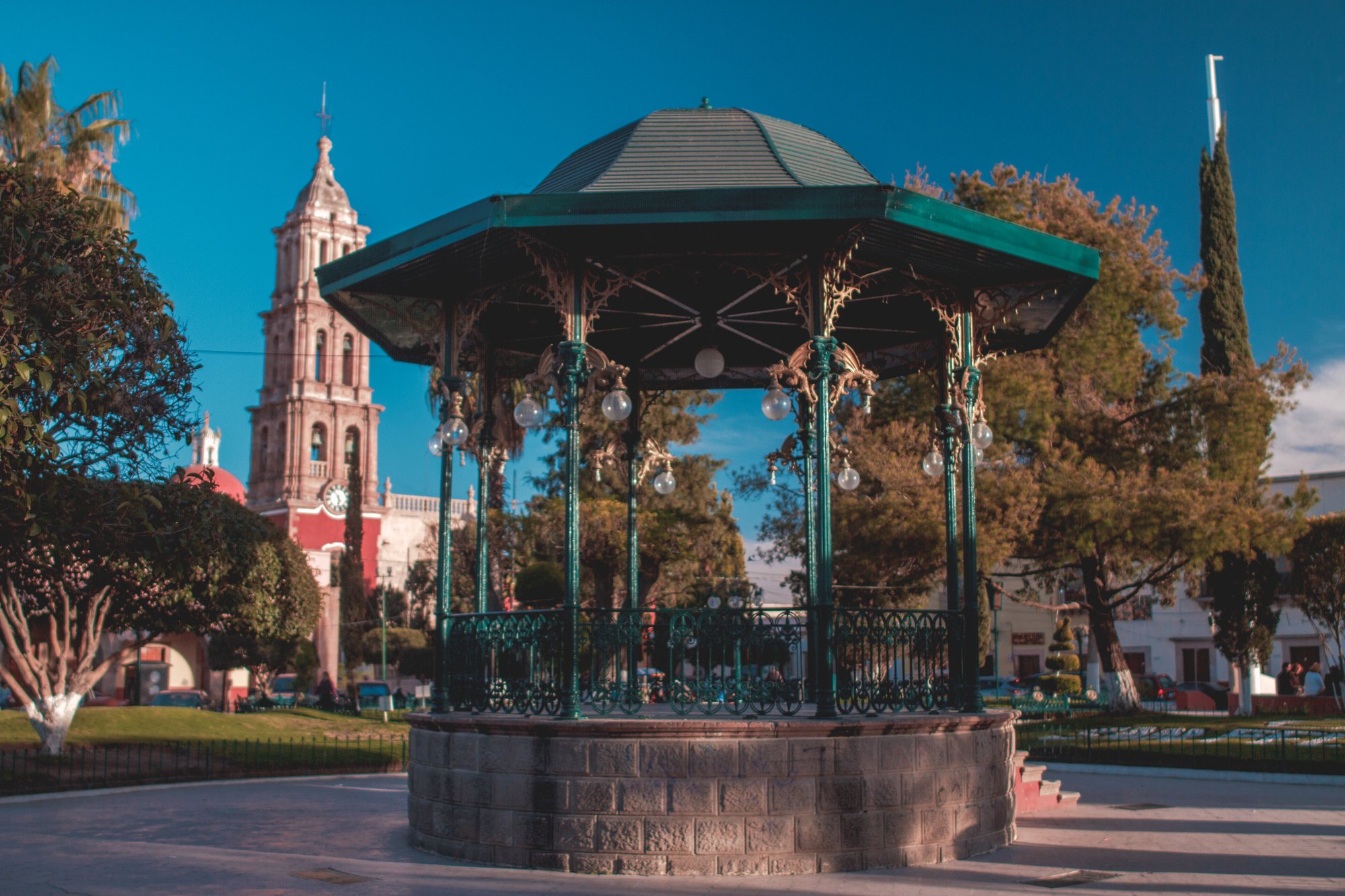
- Dolores Hidalgo: is connected to the story of Mexican Independence, and is also famous for ceramics and local flavors.
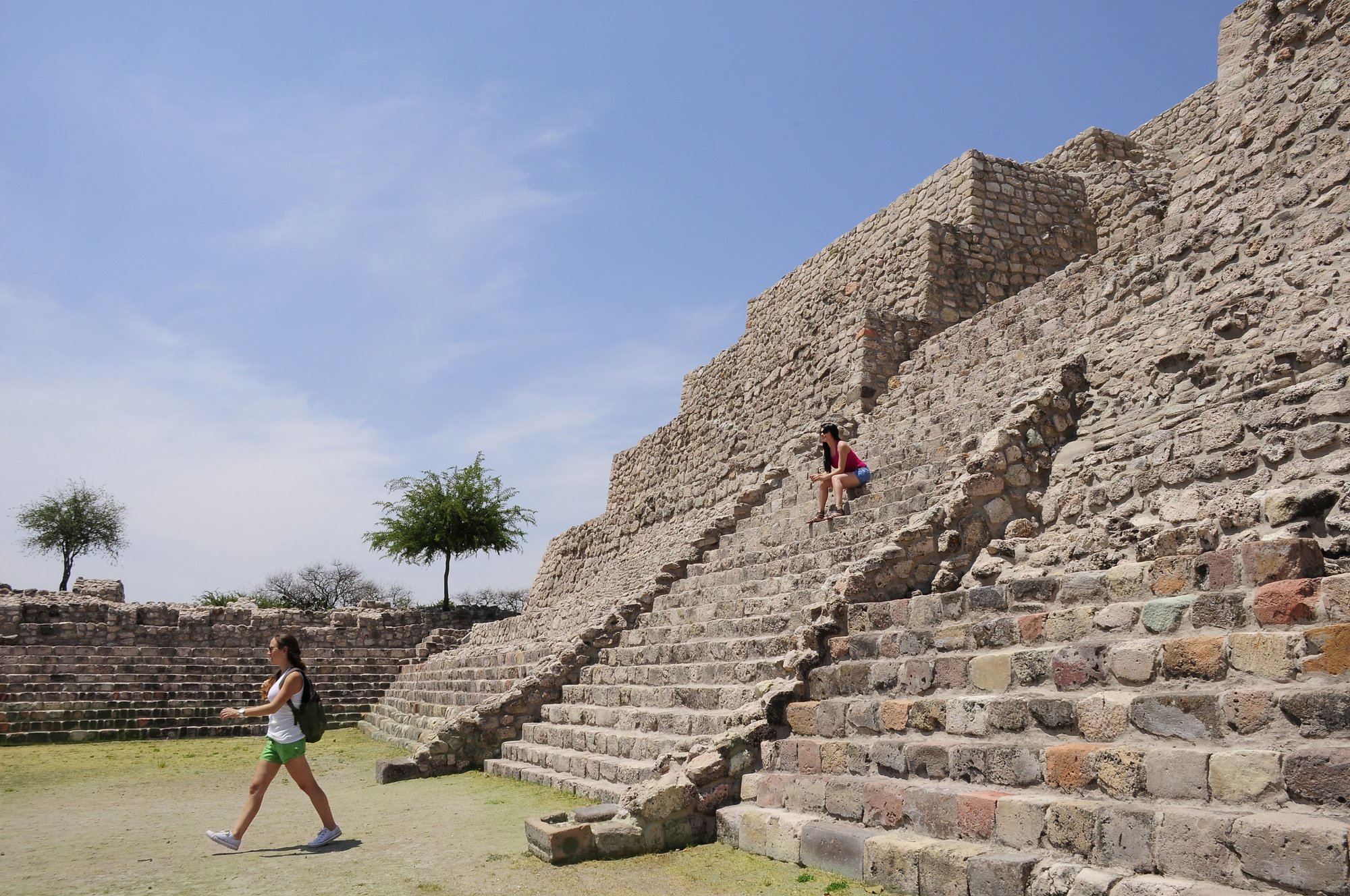
- Mineral de Pozos: an ancient mining village with a suspended atmosphere, ideal for those who love photography, ruins, silence, and enigmatic landscapes.
- Jalpa de Cánovas: a rural village immersed in greenery, among haciendas, dams, and slow rhythms.
- Yuriria: overlooking a lagoon, it’s a destination suited for walks, nature and relaxation.
- Salvatierra: preserves colonial architecture, convents, arcades, and a strong historical character.
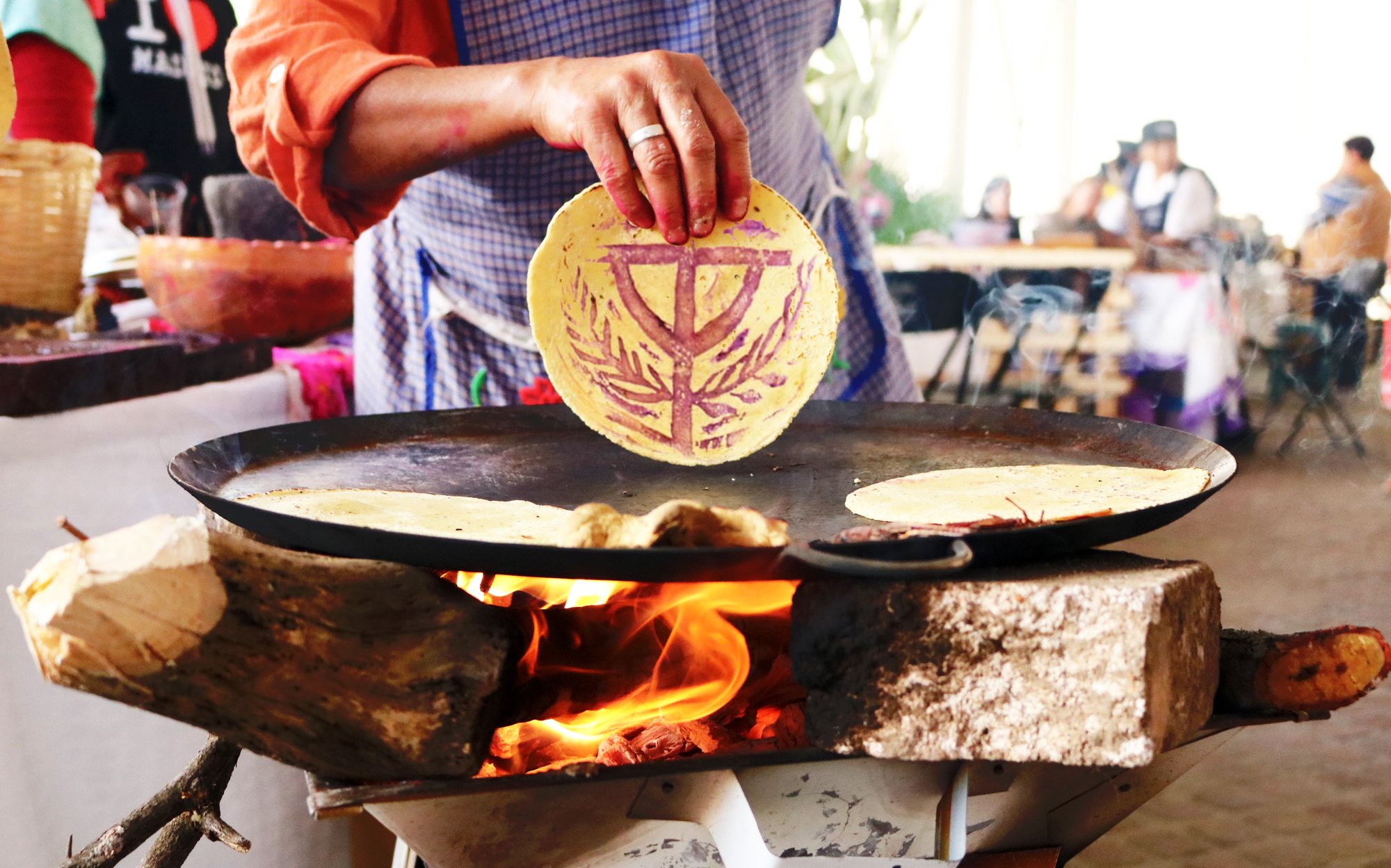
- Comonfort: tells the story of local craftsmanship, cuisine, and the community identity of the region.
Including at least two or three of these villages in your itinerary allows you to experience Guanajuato beyond its most famous cities, coming into contact with traditions, crafts, markets, agricultural landscapes, and local communities.

Wine, nature, and adventure in Central Mexico
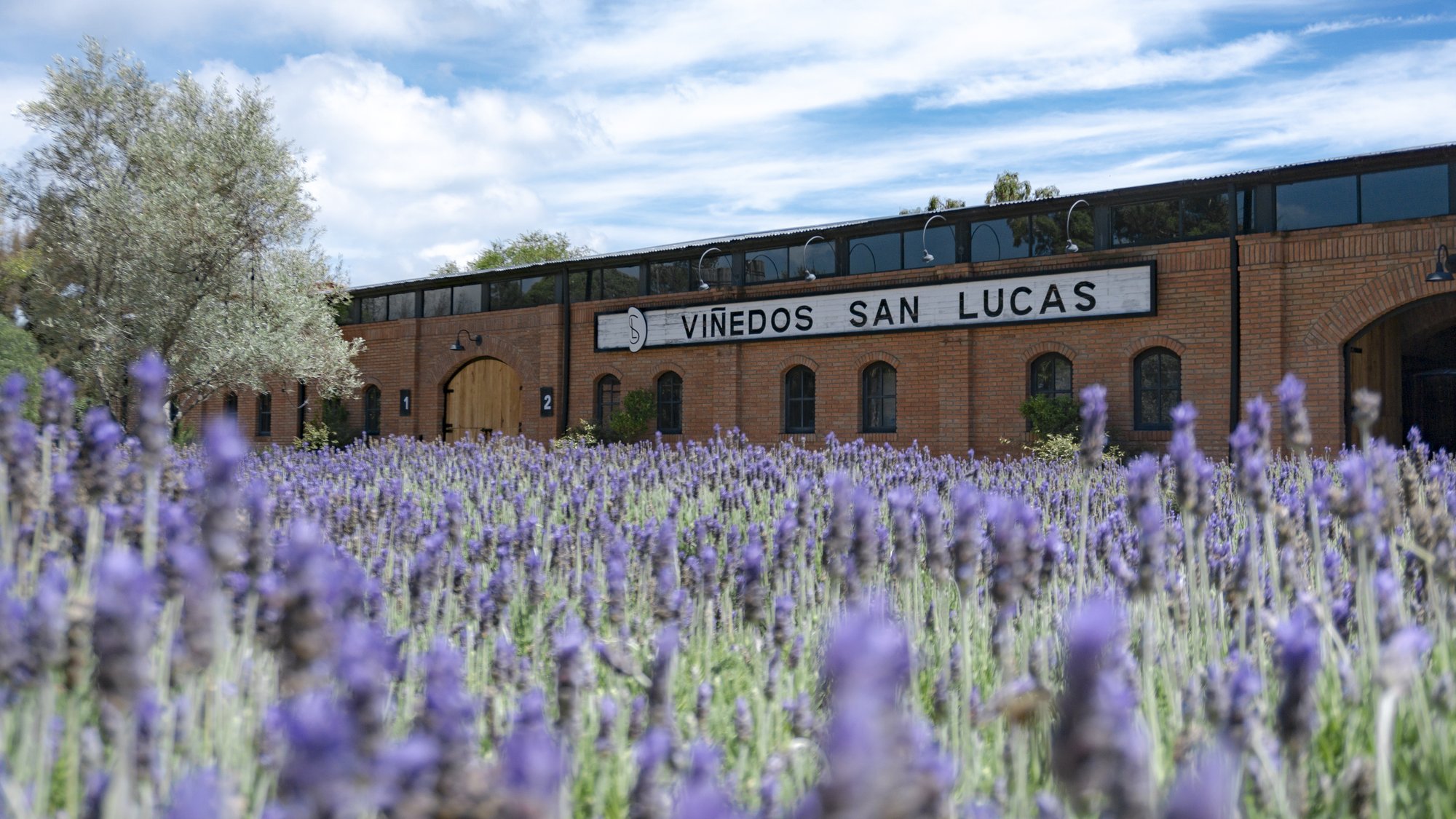
Guanajuato is not only about art cities. In recent years, the region has also become known for its wine tourism, especially around San Miguel de Allende, where vineyards and wineries offer tastings, tours, and sunsets among golden landscapes. Those who love outdoor experiences can alternate visits to the historic centers with more dynamic activities: horseback riding, trekking, cycling in the Sierra de Guanajuato, mine explorations, kayaking and boat trips on the Yuriria lagoon, rural itineraries, and activities in local communities.
It’s exactly this combination that makes Guanajuato interesting: in the morning, you can visit a theater, a baroque church, or a museum; in the afternoon, you might find yourself among vineyards, mountains, mines, or lagoons.
Cervantino Festival and Cultural Life All Year Round
The city of Guanajuato is also linked to the Festival Internacional Cervantino, one of the most important cultural events in Mexico and Latin America. Every year in October, music, theater, dance, visual arts, shows, and gatherings transform streets, squares, and theaters into a vast open-air stage.
The festival is one of the best times to experience Guanajuato at its most vibrant and international, but the state’s cultural life doesn’t end with just one event. Traditional festivals, concerts, exhibitions, religious celebrations, gastronomic events, and local festivities take place throughout the year.

How many days do you need to visit Guanajuato
For a first trip to Guanajuato, 4 or 5 days are enough, especially if you want to combine the state capital with San Miguel de Allende and at least one or two Pueblos Mágicos.
A possible itinerary could include two days in Guanajuato City, two days in San Miguel de Allende, and a day dedicated to Dolores Hidalgo or Mineral de Pozos. Those with more time can add Yuriria, Salvatierra, Jalpa de Cánovas, or Comonfort, building a slower and more rural trip.

Guanajuato is a destination to be enjoyed without haste. Its charm lies not only in its monuments, but also in its colors, squares, markets, shops, flavors, and that sensation of an authentic journey that is often lost on more beaten paths.
How to get to Guanajuato
The state is connected by land and air with several Mexican cities. For those arriving from Europe, the most frequent connections are via Mexico City or other international hubs. The Bajío International Airport, also known as Guanajuato airport, offers national and international connections, particularly with various cities in the United States.
This connectivity makes Guanajuato an interesting stop both for a trip dedicated entirely to Central Mexico and for a broader itinerary that includes several regions of the country.

Who should visit Guanajuato
Guanajuato is a perfect destination for those who love cultural tourism, historic cities, colonial architecture, festivals, gastronomy, and trips with a strong local identity. It is also suitable for those already familiar with Mexico’s beach destinations who want to discover a different side of the country.
It appeals to curious travelers, history enthusiasts, photography lovers, those looking for boutique hotels and refined atmospheres, but also to those wanting to alternate between cities, nature, wine, and small villages. This is not the postcard tropical Mexico: it’s a more inland, profound, and surprising Mexico.
Guanajuato, the Mexico you don’t expect
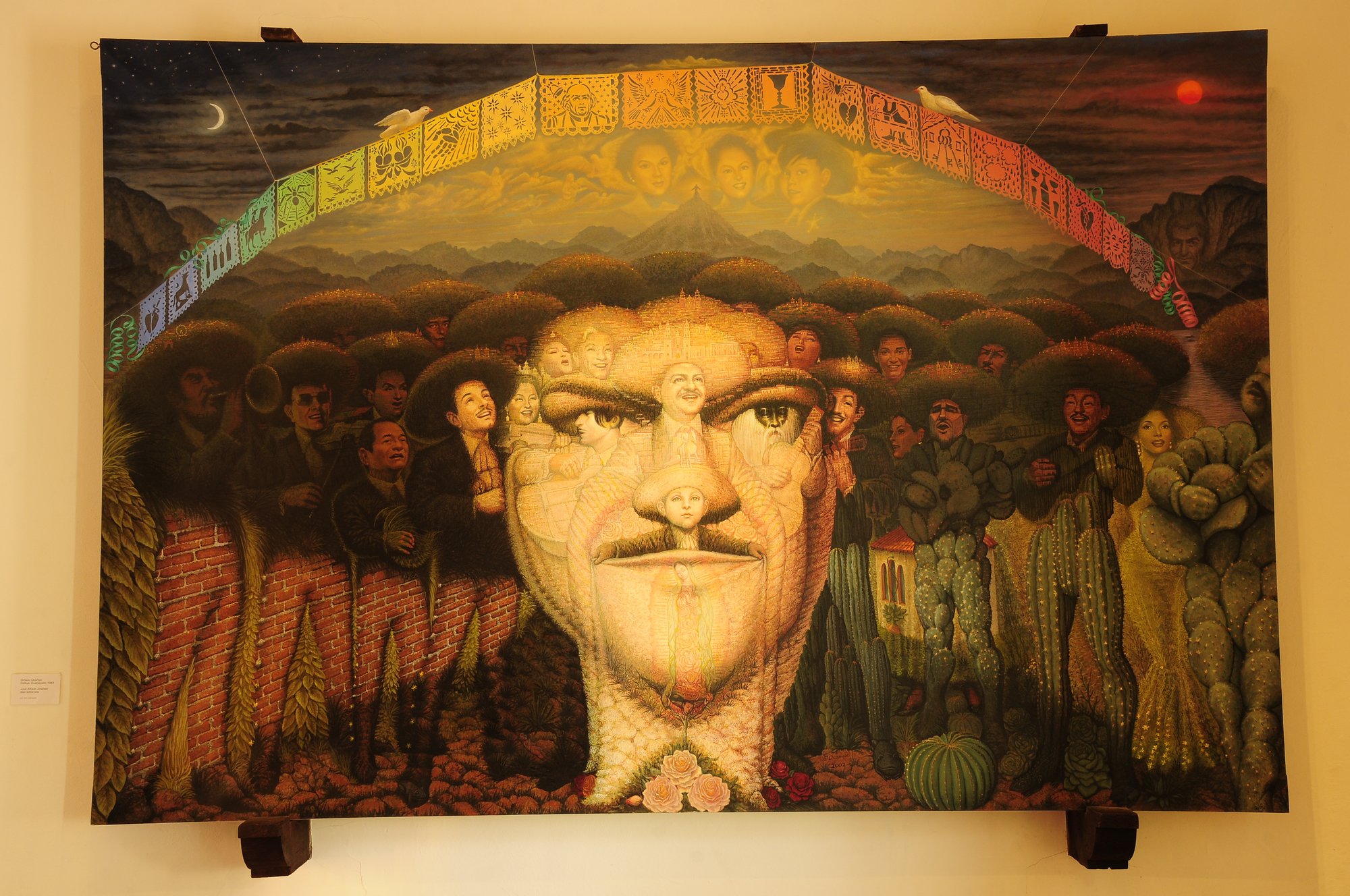
Visiting Guanajuato means going beyond the most famous image of Mexico. It means entering a region where the history of Independence coexists with art galleries, ancient mines with boutique hotels, rural villages with wineries, folk celebrations with major international festivals. It’s a destination that doesn’t impose itself with just one symbol, but reveals itself over time: a colorful street, a square at sunset, a legend told in an alley, a glass of wine among the vineyards, a lit-up church, an artisan shop, a market full of scents.
Guanajuato is the most authentic Mexico for those willing to change perspective. A journey into the historic heart of the country, where every stop invites you to slow down, observe, and be surprised.
FAQ about Guanajuato
Where is Guanajuato?
Guanajuato is located in central Mexico, in a strategic position between Mexico City, Guadalajara, and other destinations in the country’s interior.
What to see in Guanajuato?
The main stops are Guanajuato City, San Miguel de Allende, the six Pueblos Mágicos, the vineyards, the Sierra de Guanajuato, the Yuriria lagoon, and sites linked to the history of Mexican Independence.
Is Guanajuato a UNESCO World Heritage Site?
Yes. The historic city of Guanajuato with its adjacent mines is a UNESCO World Heritage Site. San Miguel de Allende, together with the Sanctuary of Jesús Nazareno de Atotonilco, is also recognized by UNESCO.
How many days do you need to visit Guanajuato?
For a first trip, at least 4 or 5 days are recommended, so you can visit Guanajuato City, San Miguel de Allende, and one or two magic towns.
When to visit Guanajuato?
Guanajuato can be visited year-round. October is a particularly interesting period for those who want to experience the Festival Internacional Cervantino, one of the main cultural events in Mexico.
{
“@context”: “https://schema.org”,
“@type”: “FAQPage”,
“mainEntity”: [
{
“@type”: “Question”,
“name”: “Dove si trova Guanajuato?”,
“acceptedAnswer”: {
“@type”: “Answer”,
“text”: “Guanajuato si trova nel Messico centrale, in una posizione strategica tra Città del Messico, Guadalajara e altre destinazioni dell’interno del Paese.”
}
},
{
“@type”: “Question”,
“name”: “Cosa vedere a Guanajuato?”,
“acceptedAnswer”: {
“@type”: “Answer”,
“text”: “Le tappe principali sono Guanajuato capitale, San Miguel de Allende, i sei Pueblos Mágicos, i vigneti, la Sierra de Guanajuato, la laguna di Yuriria e i luoghi legati alla storia dell’Indipendenza messicana.”
}
},
{
“@type”: “Question”,
“name”: “Guanajuato è Patrimonio UNESCO?”,
“acceptedAnswer”: {
“@type”: “Answer”,
“text”: “Sì. La città storica di Guanajuato con le miniere adiacenti è Patrimonio dell’Umanità UNESCO. Anche San Miguel de Allende, insieme al Santuario di Jesús Nazareno de Atotonilco, è riconosciuta dall’UNESCO.”
}
},
{
“@type”: “Question”,
“name”: “Quanti giorni servono per visitare Guanajuato?”,
“acceptedAnswer”: {
“@type”: “Answer”,
“text”: “Per un primo viaggio sono consigliabili almeno 4 o 5 giorni, così da visitare Guanajuato capitale, San Miguel de Allende e uno o due borghi magici.”
}
},
{
“@type”: “Question”,
“name”: “Quando andare a Guanajuato?”,
“acceptedAnswer”: {
“@type”: “Answer”,
“text”: “Guanajuato può essere visitato durante tutto l’anno. Ottobre è un periodo particolarmente interessante per chi vuole vivere il Festival Internacional Cervantino, uno dei principali eventi culturali del Messico.”
}
}
]
}