

Ruvo di Puglia, in northern Bari province, is a town of over 25,000 inhabitants, with a charming historic center dating from the 16th to 18th century. Situated on a hill, this Apulian town is part of the Alta Murgia National Park. It features various points of interest, from the Jatta National Archaeological Museum to the cathedral, located in the historic center.
Its location (256 meters above sea level), historic palaces, and landmarks place Ruvo di Puglia among the Apulian towns worthy of a detailed visit.
1 Jatta National Archaeological Museum
The Jatta National Archaeological Museum in Ruvo di Puglia is housed on the ground floor rooms of the Palazzo Jatta. The archaeological museum, state-owned since 1991, is Italy’s only example of a 19th-century private collection that has remained unchanged from its original museographic concept. The artifacts preserved in the museum were collected by archaeologist Giovanni Jatta in the early 1800s and later enriched by his grandson with the same name.
The Jatta National Archaeological Museum consists of four rooms, one behind the other, like Russian dolls. The collection includes material from various sites in Magna Graecia. Local ceramics (from the 6th to the 3rd century BC) and those of Greek origin from Corinth and Attica are well represented.
Information: Piazza Bovio, 35 – Ruvo di Puglia (Bari). Phone: 080.3216848
2 The Cathedral of Ruvo di Puglia
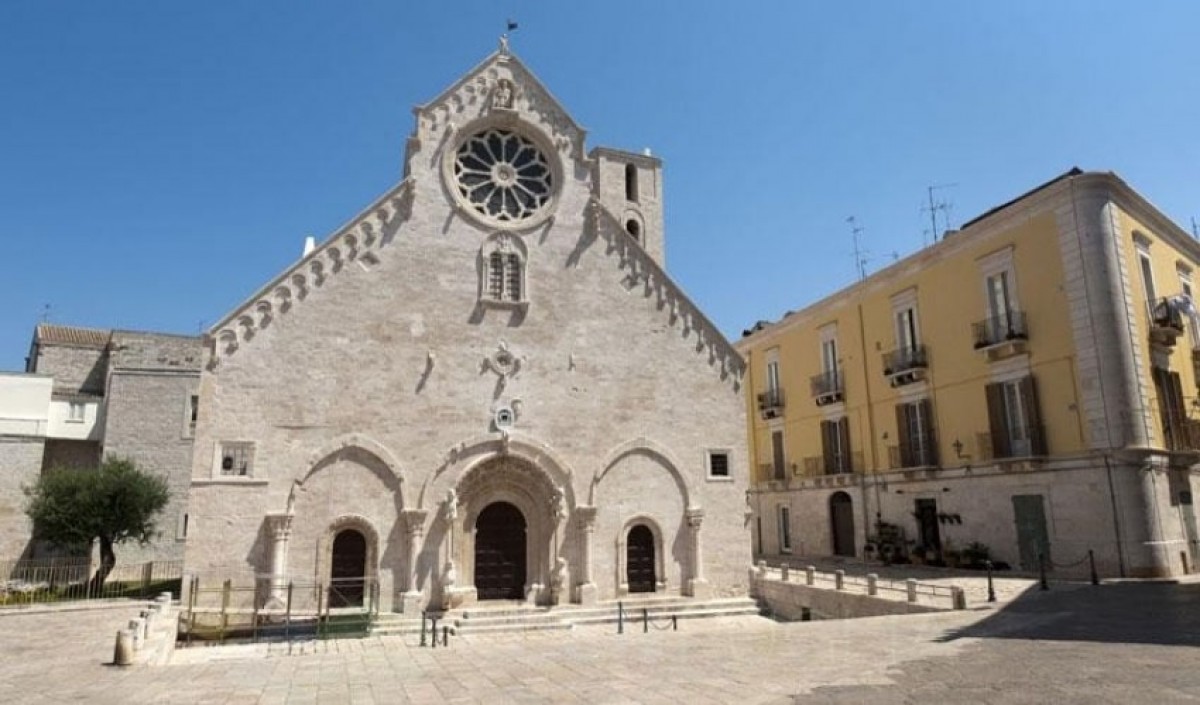
The Cathedral of Ruvo di Puglia is certainly one of the most renowned in the region. Dedicated to the Madonna Assunta in Cielo (Assumption of Mary), the cathedral is built in the Apulian Romanesque style. It was remodeled several times between the 12th and 13th centuries; the rose window on the facade is very prominent. The bell tower, annexed to the cathedral, stands detached at the back of the church. Inside the square-based bell tower are three bells.
The interior features three naves arranged in a Latin cross. The altar has a structure on which the Tabernaculum stands. The cathedral underwent several restorations, especially in the 20th century when chapels built over the centuries in the naves were demolished to restore the church’s medieval origins. Beneath the cathedral, underground chambers dating back to Roman times were identified. These subterranean rooms were discovered about a century ago during construction work.
3 The Historic Center of Ruvo di Puglia
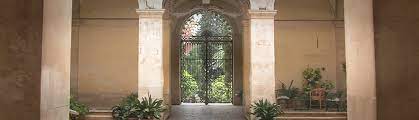
The historic center of Ruvo di Puglia is dotted with well-preserved historic palaces. Narrow alleys, tight streets, and squares well depict this surprising Apulian town, also shaped by its hilltop position. The historic center is divided into four large tree-lined avenues called “Lo Stradone.” In Roman times, this village was a “municipium” and a postal station along the Via Traiana. Over centuries, it was ruled by Byzantines, Lombards, Swabians, Normans, and various feudal lords, including the Carafa family. Many palaces in the historic center date to the 17th century, including the Clock Tower. The Churches of San Domenico and San Michele Arcangelo, both in late Baroque style, are especially interesting. In some areas of the historic center, the remains of medieval walls are still clearly visible.

4 San Cleto Grotto
Beneath the Church of Purgatory are the remains of a Roman thermal complex from the first two centuries AD. Connected to these underground chambers is what is called the “San Cleto Grotto“, which is actually an ancient stone tank intended to collect water. These places were also used by Ruvo’s inhabitants as refuges. In the 16th century, the Madonna del Suffragio church was built above the cistern and, next to it, the church of San Michele Arcangelo was constructed, dedicated to the cult of the souls in Purgatory. The two churches were later combined into two naves, forming the Church of Purgatory. The hypogeum spaces below were damaged by an earthquake in the early 21st century but have been recently restored and reopened for worship.

5 Cantatore Art Gallery
The Domenico Cantatore Art Gallery is located in the Dominican Convent built around 1560. The building stands strategically outside the city walls, facing Ruvo’s most beautiful gate, Porta Noè. By decree dated 7/8/1809, like all religious orders, the Dominicans of Ruvo had to abandon their convent. The assets were then taken over by the state, and the monastic structure and library were passed to the municipality after a few years. Later, at the request of the Bishop at the time and by Royal Rescript in 1819, the Scolopi took possession of the convent to oversee the education of Ruvo’s youth, or at least those from wealthier families. With the law of 11/7/1866, the Scolopi also had to leave the convent, and the municipality requested government approval to use the building to establish a secondary school. The convent later housed the Technical School, then girls’ Primary Schools (entrance via Madonna delle Grazie), boys’ Primary Schools, and the “Domenico Cotugno” Agricultural Vocational Training School (entrance via Valle Noè). Currently, the ground floor hosts the Cantatore Art Gallery, and the first floor houses the Civic Archaeological Museum.
Information on “Cantatore” Art Gallery of Ruvo di Puglia: Via Madonna delle Grazie, 63 – Ruvo di Puglia (Bari) – Phone:
080.9507402
6 Where to Eat in Ruvo di Puglia
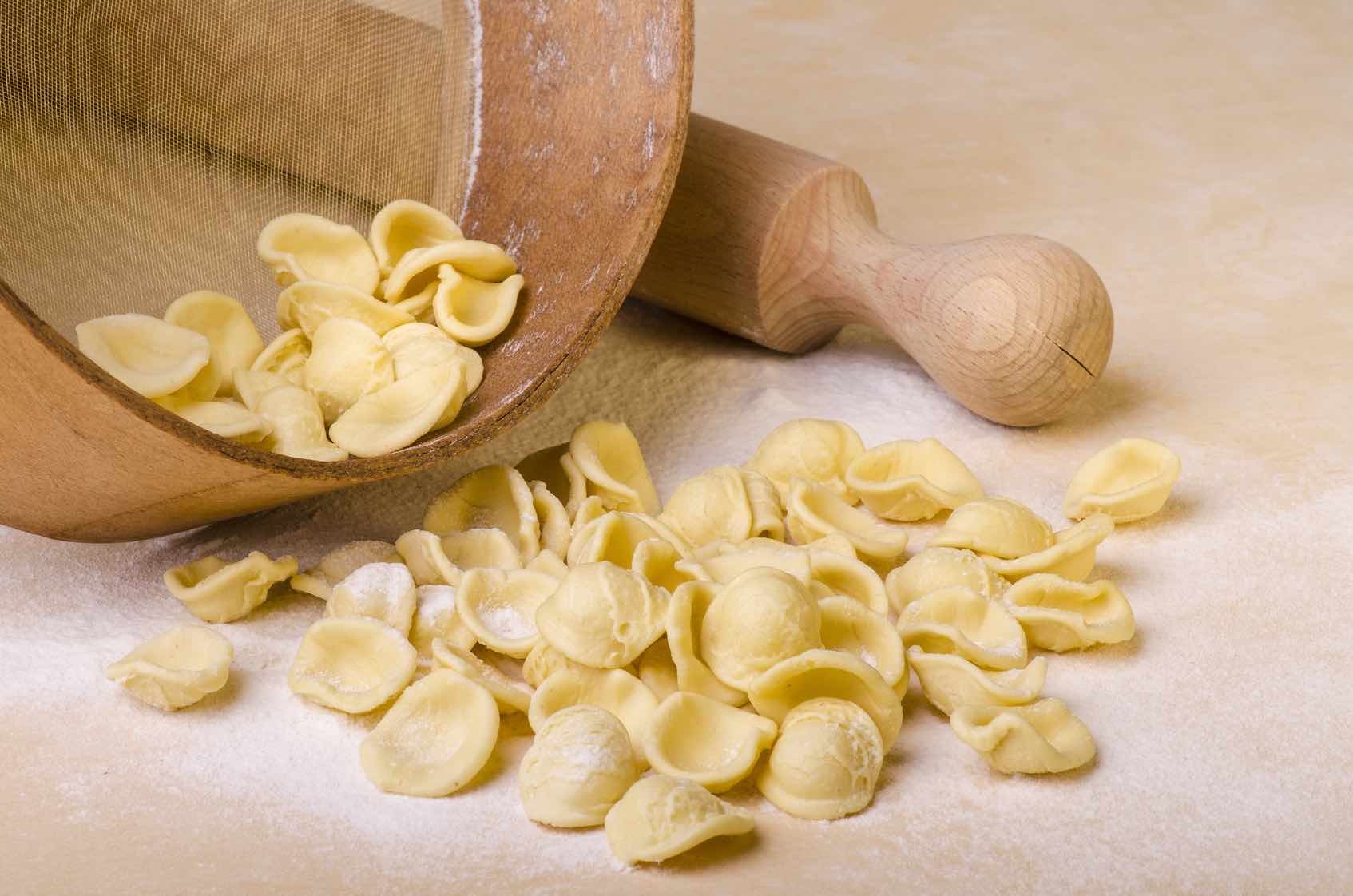
The town of Ruvo di Puglia offers several places to eat traditional Apulian dishes, particularly from the Alta Murgia. A venue with a very extensive wine list (over 650 labels) is certainly U.P.E.P.I.D.D.E., an acronym embodying the essence of great dining. The place features several rooms, including a private one, and serves Apulian cuisine prepared and presented with great care. The venue has exposed stone walls for a décor blending rustic and refined elements. The a la carte menu offers excellent choices at a medium price.
7 Where to Sleep in Ruvo di Puglia
Ruvo di Puglia offers a good range of accommodations, including non-hotel options. The quality-price ratio of lodging is fairly good, and the town offers a wide choice depending on individual needs. Sleeping in Ruvo di Puglia is therefore recommended for those planning visits to other northern Bari towns or to Bari city itself.