



Truffle is a gastronomic excellence that, until a few years ago, was associated with a(n)exclusive experience, to be enjoyed in a gourmet restaurant or directly in the harvesting areas by taking part in a guided tasting.
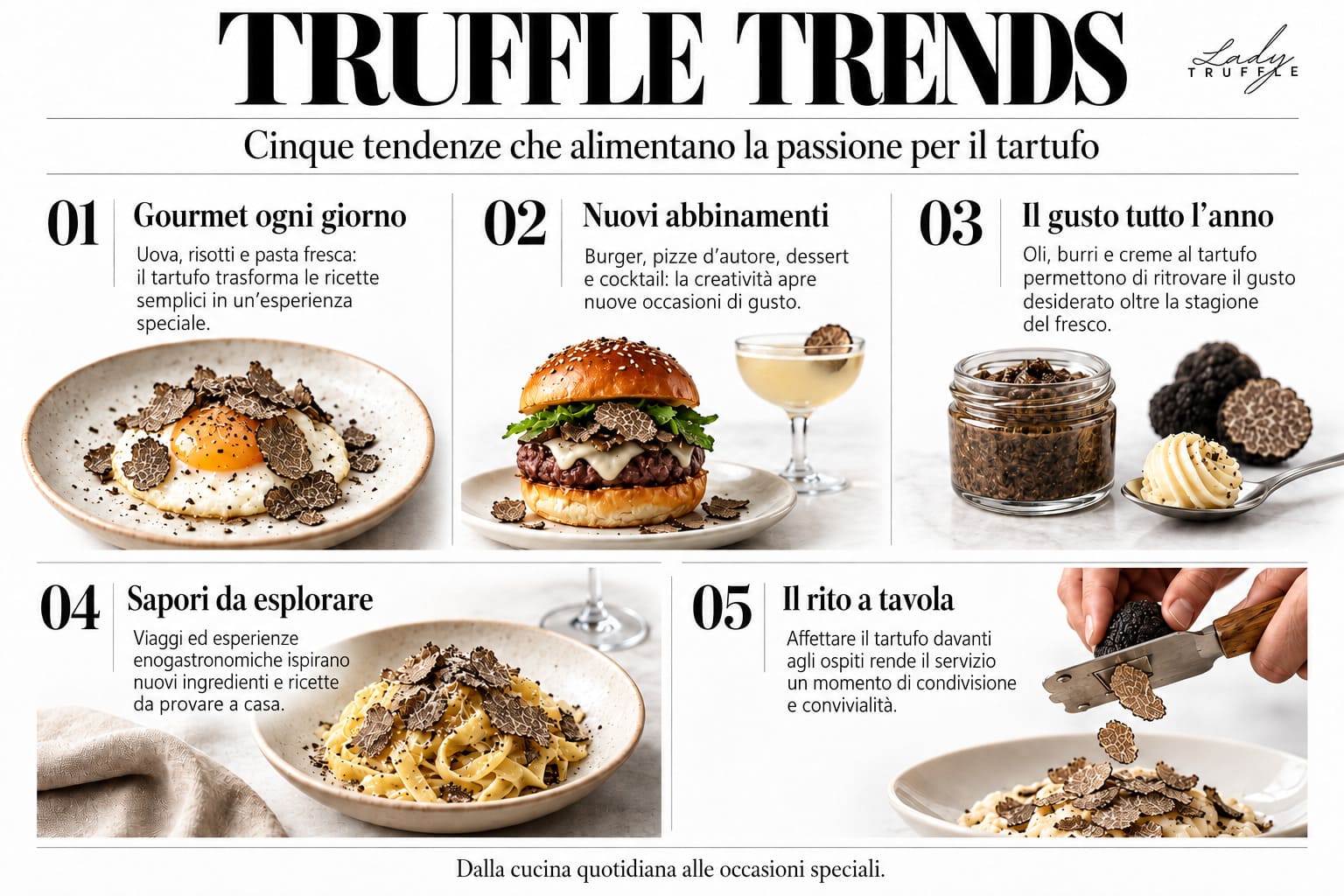
Today, consumer habits have changed and, above all, truffles have become more accessible, moving beyond the confines of fine dining to increasingly become part of home cooking.
Describing this evolution is Giorgia Cappella, founder and CEO of Lady Truffle, a company specialized in selecting and selling truffles for Michelin-starred chefs, restaurants, and private customers.
“We are witnessing a democratization of taste”, emphasizes Giorgia Cappella. “Truffle is no longer enjoyed only on special occasions at a restaurant, and more and more consumers are looking to bring this experience into their own kitchens, to enjoy it beyond the traditional fresh truffle season.”
Truffle, a global phenomenon without borders
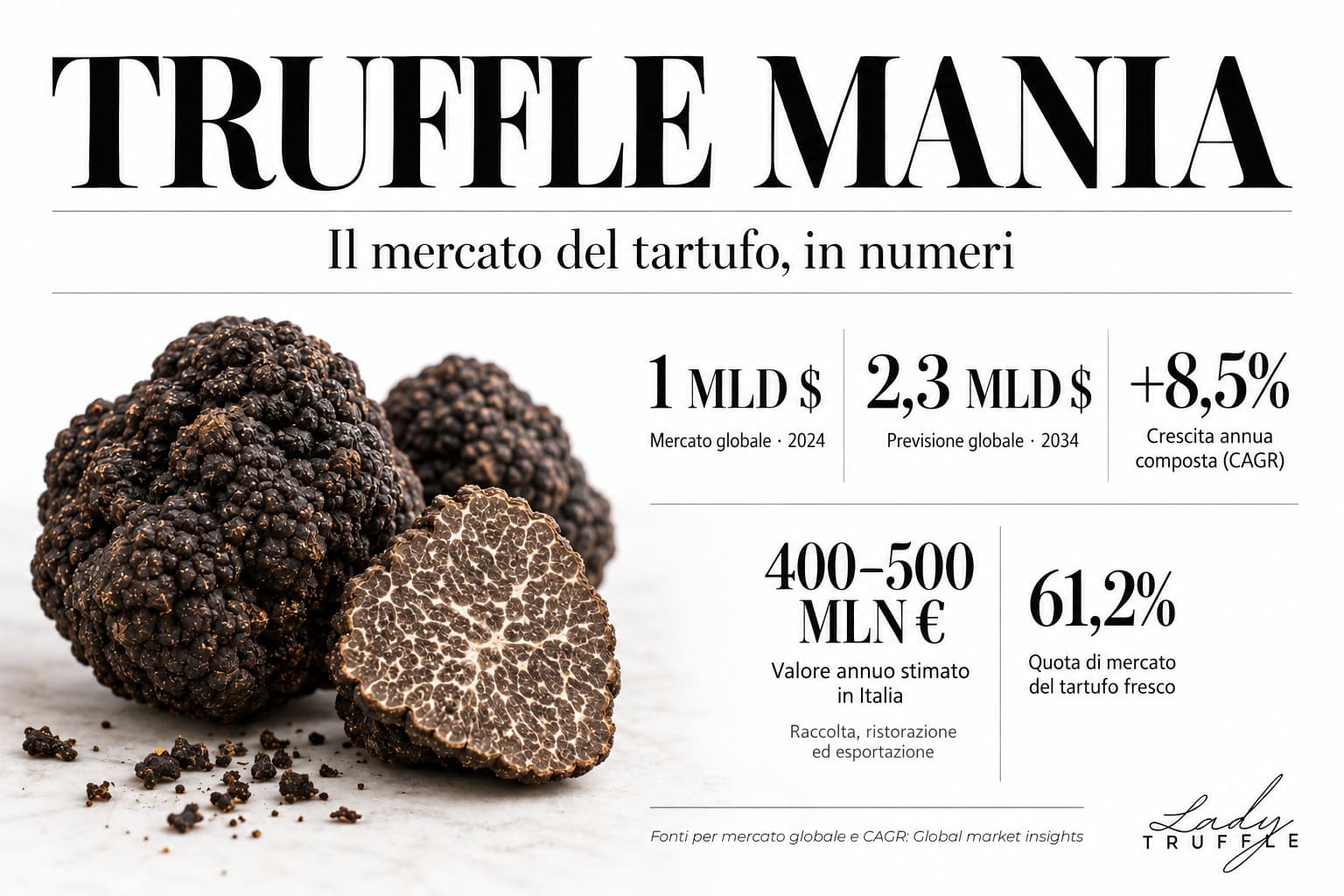
Global figures showcase a true Truffle Mania, a phenomenon that mirrors the growing presence of truffle on consumers’ tables worldwide.
According to Global Market Insights, the global truffle market was worth around 1 billion dollars in 2024 and could reach 2.3 billion by 2034, with an estimated annual growth rate of 8.5%. In Italy, the sector generates a turnover of about 500 million euros, considering the entire supply chain calculated by CIA-Agricoltori Italiani.
But the real novelty lies in how this value is distributed: there is a growing number of customers purchasing fresh truffles and truffle-based products for home consumption, a trend also highlighted by research from the University of Brescia.
Where to buy truffles
The digital revolution has changed the rules of the market: e-commerce has shortened the distance between the woods where truffles are gathered and food lovers’ tables, making it easier to buy fresh truffles online.
Lady Truffle meets this demand by offering fresh truffles, 100% Made in Italy, with declared delivery in 24/48 hours through special refrigerated packaging designed to preserve the product’s qualities during transit.
The home ritual and gastronomic pop culture
The evolution of consumption has turned truffles into an ingredient that can enhance even the simplest dishes, like a fried egg or a plate of fresh pasta.
International culinary influences and culinary pop culture have also taken truffles beyond their traditional pairings, introducing them to the worlds of gourmet burgers, signature pizzas, desserts, and even mixology.
The at-home experience, however, is not just about taste, but also includes the ritual of preparation and sharing.
As Giorgia Cappella of Lady Truffle further explains: “What we’re seeing is that people no longer just want to buy truffles, but also learn how to appreciate and use them properly. Understanding how to clean, store, slice, and serve them is part of the experience. Even the act of shaving a truffle directly onto the plate can become a special, convivial ritual to share at the table.”
How to Respect Truffle Seasonality
The desire to enjoy truffles year-round is also driving the growth of processed truffle products, allowing people to appreciate their flavor beyond the fresh harvest seasons.
For those who prefer fresh truffles, however, the availability of different varieties follows a precise seasonal calendar.
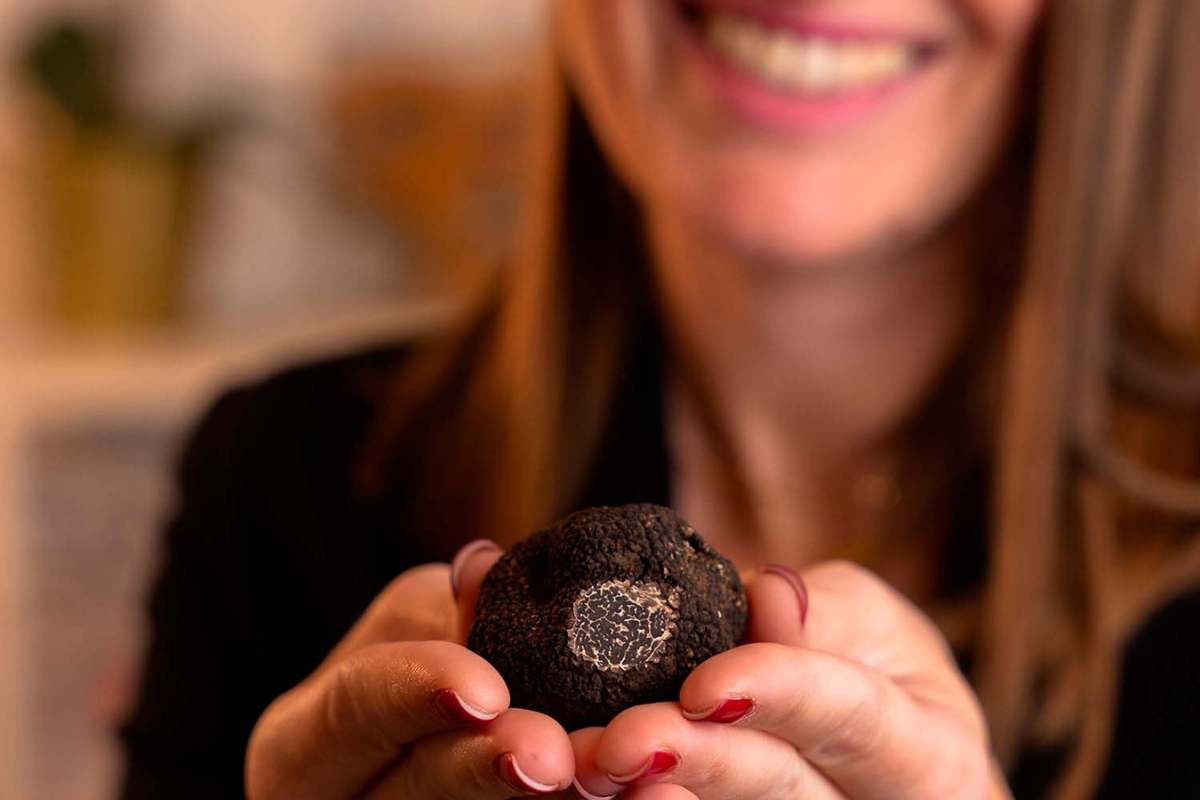
“Eating truffles all year round doesn’t mean eating the same truffle all year round,” the founder of Lady Truffle reminds us.
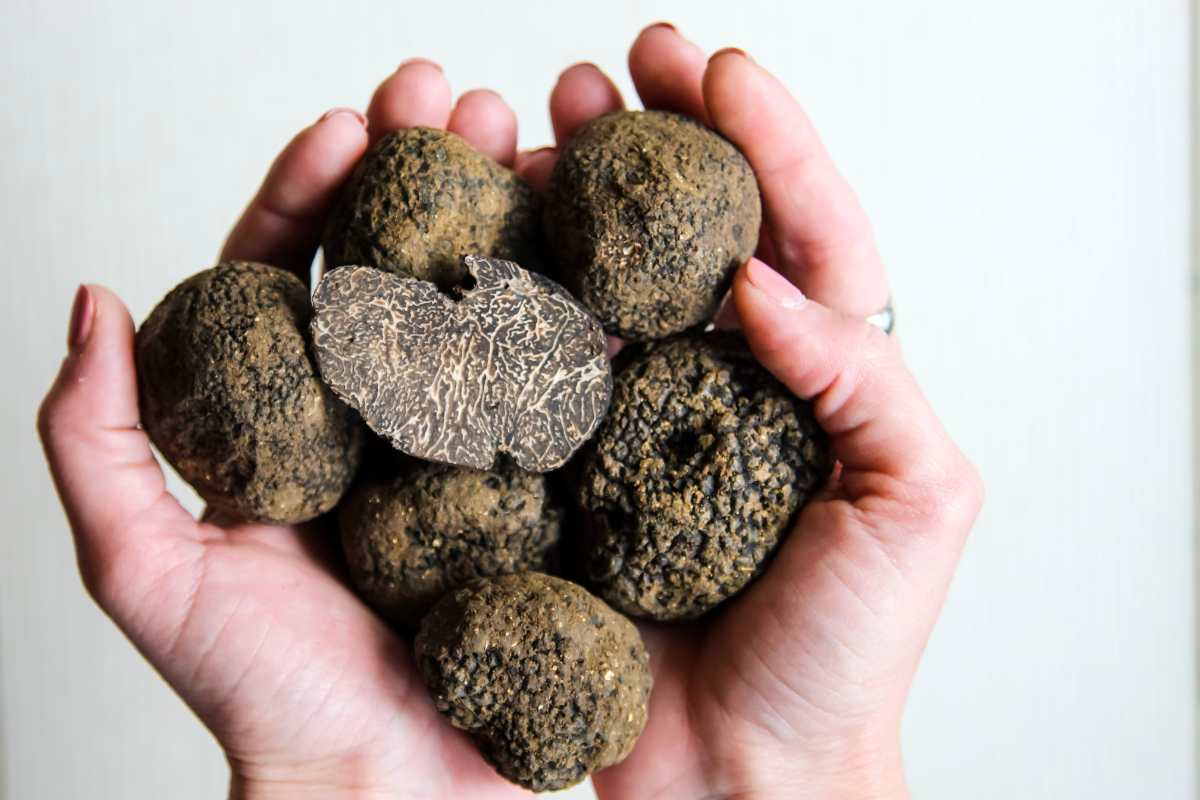
Following the truffle seasons means embarking on a true sensory journey of flavors and aromas. Autumn and winter are the months of the renowned fine white truffle (Tuber magnatum Pico) and the fine black truffle (Tuber melanosporum).
Spring brings the bianchetto or marzuolo truffle (Tuber borchii), while the warmer months are marked by the summer truffle or scorzone (Tuber aestivum). With the return of autumn comes the uncinato truffle (Tuber uncinatum).
The search and harvesting of truffles in Italy has been recognized by UNESCO as an Intangible Cultural Heritage of Humanity. This recognition highlights the value of the knowledge, traditional practices, and the deep connection with the land associated with truffle hunting.
The surge in sales and the wider accessibility through the web, however, should not lead to the truffle being taken for granted.
The challenge for the future of this sector is also a cultural one: turning buyers into curious and informed consumers, able to distinguish between different species and to respect, even in their own kitchens, the profound bond between nature, gastronomic traditions, and the dining table.