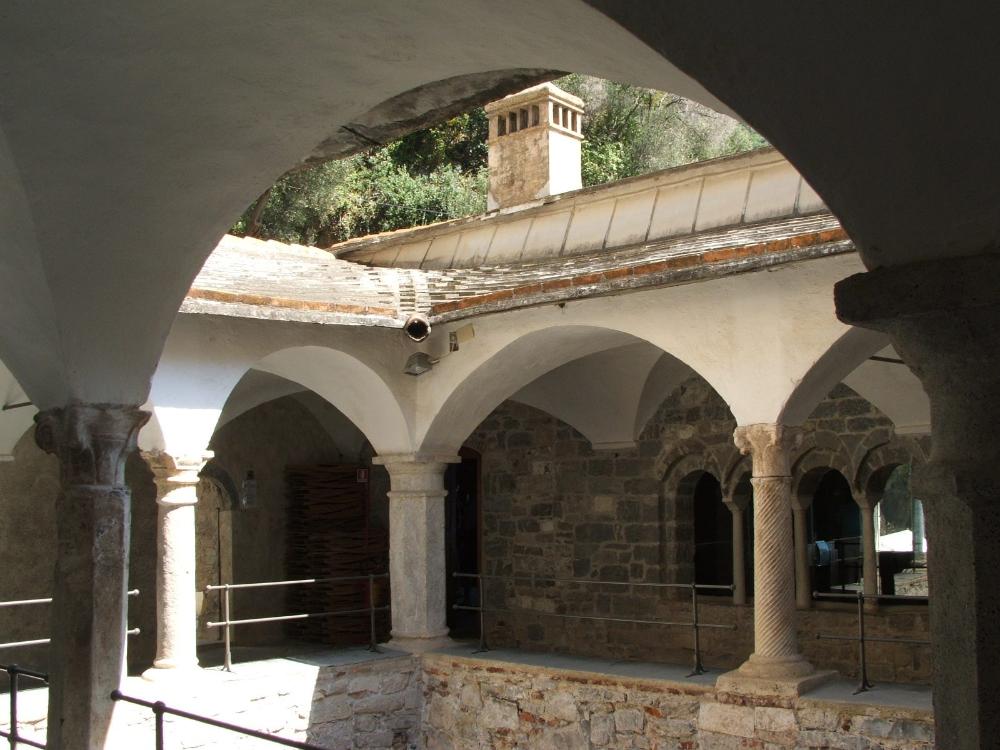


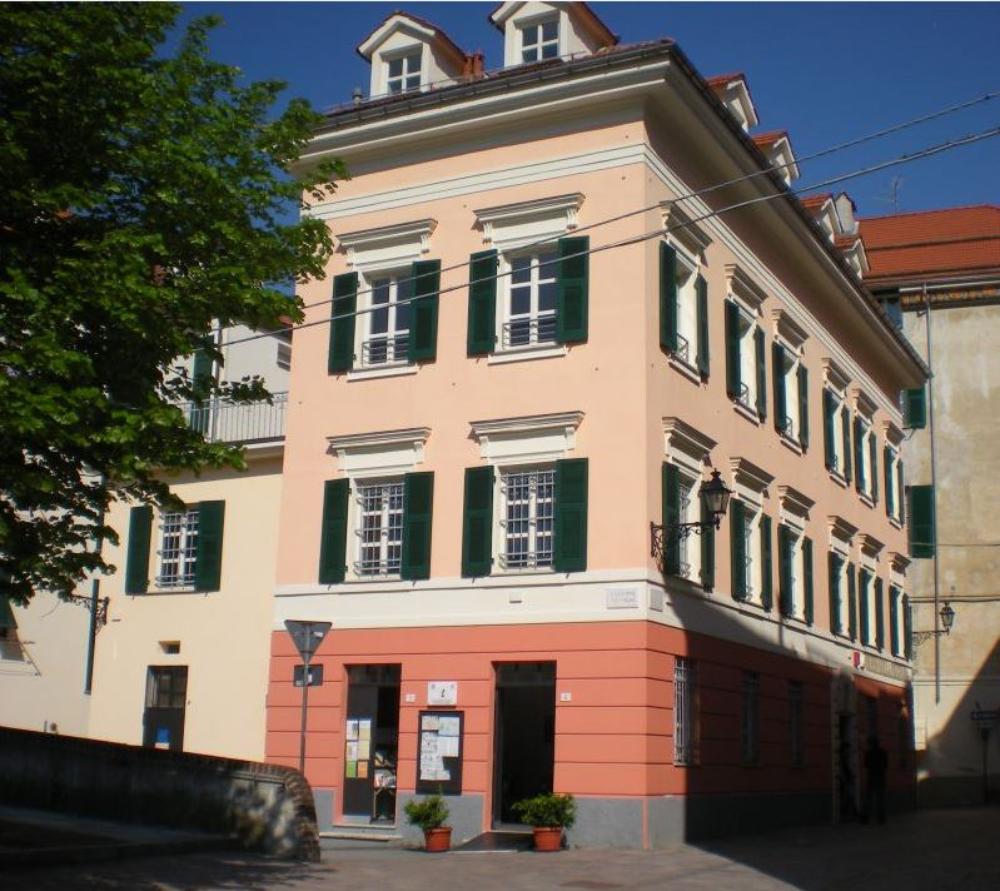


The origin of this unique collection dates back historically to an auction held in London in the distant year 1960 where among the attendees was Comm. Pietro Carlo Bosio, who, when some filigree objects were auctioned, did not hesitate to purchase them. Since then, with frequent trips abroad, he increasingly enriched the collection, reaching its current size, which is still constantly growing. After a careful restoration by architect Luigi Fontana, the museum today is spread over four floors and divided into several exhibition rooms. Visitors can follow an exhibition path based on the origin of the displayed works.
You will admire the remarkable number of pieces from Western Europe, including those produced in Italy, featuring the extraordinary aviary, the largest object in the museum, continuing with the rare pieces from Spain, Portugal, France, England, Sweden, and Central Europe. From here we fly to a universe of its own: the art of Russian filigree with its enamels and icons that transform the very function of filigree. Imposing, in the Asian section, is the area dedicated to China, with objects that immerse us in that ancient world, from the protective pendant to the temple. Then India, but also Latin America (especially Peru), and Africa, with objects from Ethiopia and Egypt. Finally, sections dedicated to Campo’s craftsmanship and the machinery explaining the processing techniques. The objects exhibited in the Museum are grouped according to their geographic origin; this way it is possible to discern the differences between the various crafting schools. Ample space is devoted to Italian filigree, with the main cities being Venice, Genoa, Cortina d’Ampezzo, and Florence. Characteristic of China, for example, is the use of a round silver wire as thin as a human hair and the use of materials such as ivory, tortoise shell, or walnut shells as a support for filigree. Russian and Nepalese filigree are distinguished instead by the extensive use of enamels with particular attention to colors.
Indian filigree is recognized by the variety of objects related to local customs.
Information on P.C. Bosio Filigree Museum of Four Continents
Via della Giustizia, 1
16013 Campo Ligure (Genoa)
010 920099
[email protected]
https://www.museofiligrana.org
Source: MIBACT