The National Museum of Oriental Art “Giuseppe Tucci” in Rome was established in 1957 by Decree of the President of the Republic, and opened to the public in 1958. On May 31, 2005, the Museum was named after Giuseppe Tucci (1894-1984), one of the foremost orientalists of the twentieth century, who promoted its founding.
The Museum is one of the special Institutes of the Ministry of Cultural Heritage and Activities, as it performs tasks to protect artistic and archaeological objects from Asian countries at the national level, providing, in collaboration with Territorial Superintendencies, control of the customs transit of cultural assets, preventing the dispersion of both public and private collections, providing consultancy to public institutions in its fields of expertise, and promoting knowledge of Asian cultures to the Italian public by organizing exhibitions, conferences, and guided tours of its collections.
The initial core of the collections consists of artifacts deposited by the Italian Institute for the Middle and Far East (IsMEO), today the Italian Institute for Africa and the Orient (IsIAO), from its archaeological missions in Iran, Afghanistan, and Pakistan, as well as objects purchased in Nepal and Tibet by Giuseppe Tucci between 1928 and 1954. The collection has since grown over the years thanks to acquisitions made by the state from private parties, donations from individuals and organizations, as well as exchanges with various Asian countries.
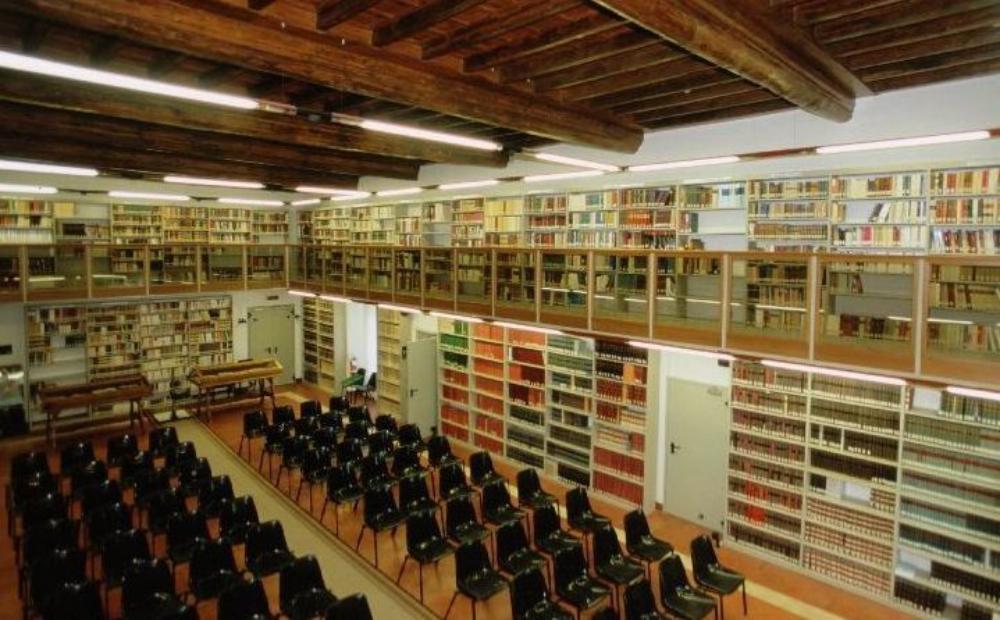
Over the years, the facilities of the National Museum of Oriental Art “Giuseppe Tucci” in Rome have been enriched with structures useful for the performance of its activities: a specialized Library, a Restoration Laboratory, a Photographic Archive, an Archive of oriental collections in Italy, a Bioarchaeology and Electron Microscopy Service, an Educational Service.