


The origins of the Library of Archaeology and Art History (BiASA) of Rome are linked to the founding in 1922 of the National Institute of Archaeology and Art History by the will of Corrado Ricci.
At that time, the Library, already collected and annexed to the General Directorate of Antiquities and Fine Arts, moved to Palazzo Venezia, occupying, in addition to the rooms on the mezzanine floor, also the Torre della Biscia. Over the years, funds and donations have enriched the Library’s holdings, ranging from archaeology to auction sale catalogs, exhibition catalogs to the theatrical section, from the Roman section to the travel section and much more.
Among the many precious gifts is the prestigious Collection of Rodolfo Lanciani (prints, drawings, manuscripts, and autograph notes on Roman topography). In more recent years, thanks to funds assigned by the Ministry, the BiASA has been able to enrich its heritage through a consistent acquisition policy that has made it an indispensable tool for Italian and foreign scholars. In 1989, it was assigned the monumental premises of the Sala della Crociera at the Collegio Romano, former seat of the Jesuit Bibliotheca Major and later the National Library.
The BiASA is one of the 46 state public libraries regulated by DPR July 5, 1995; among these, it is the only one specialized in archaeology and art history.
In 1998, it joined the National Library Service (SBN). Since 2015, it has been part of the Lazio Museum Network, according to the DPCM August 29, 2014, no. 171.



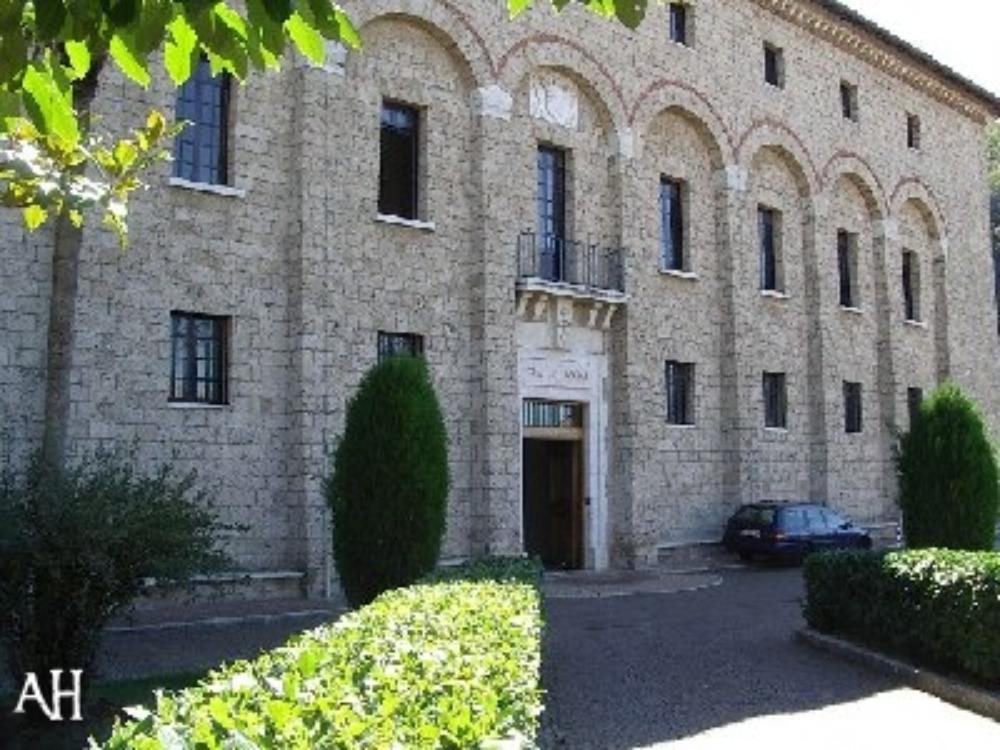
 of Rome are linked to the founding in 1922 of the National Institute of Archaeology and Art History by the will of Corrado Ricci.)