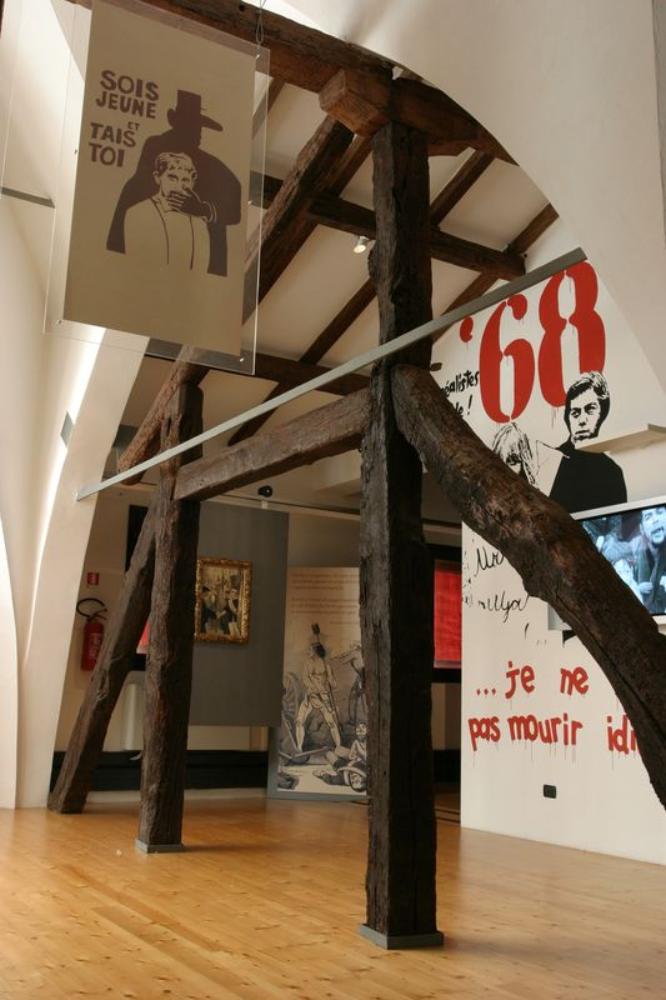


It is the first museum in the world dedicated to the history of those students who, over eight centuries ago, right in Bologna, established common rules of coexistence and self-government, creating rituals and ceremonies that became foundational elements of their identity. It aims to promote knowledge of the changes that occurred in the figure of the student over the centuries, through the illustration of the various aspects that have characterized developments in different European countries: student mobility, associations, material life, the value of meritocracy, sports activities, the late admission of women to universities, political commitment, and unique elements of student culture (newspapers, music, theater, parties). Established on the second floor of Palazzo Poggi, the museum (which also functions as an archive and library) illustrates the history of the presence and student traditions in major European university cities from their origins to today, through materials coming from ancient archival collections, donations, or purchases from antique dealers. It continues to grow mainly thanks to donations from every European city. It collects student documents and those linked to the development of student traditions from all times and origins over a long chronological range from the 13th century to 1968 and beyond. It exhibits photographs, diplomas, memorabilia, objects, books, newspapers, films, medals, posters, postcards, accompanied by an extensive multimedia apparatus.
Information about the European Student Museum
Via Zamboni, 33,
40121 Bologna (Bologna)
051238602
[email protected]
https://www.archiviostorico.unibo.it/museostud
Source: MIBACT