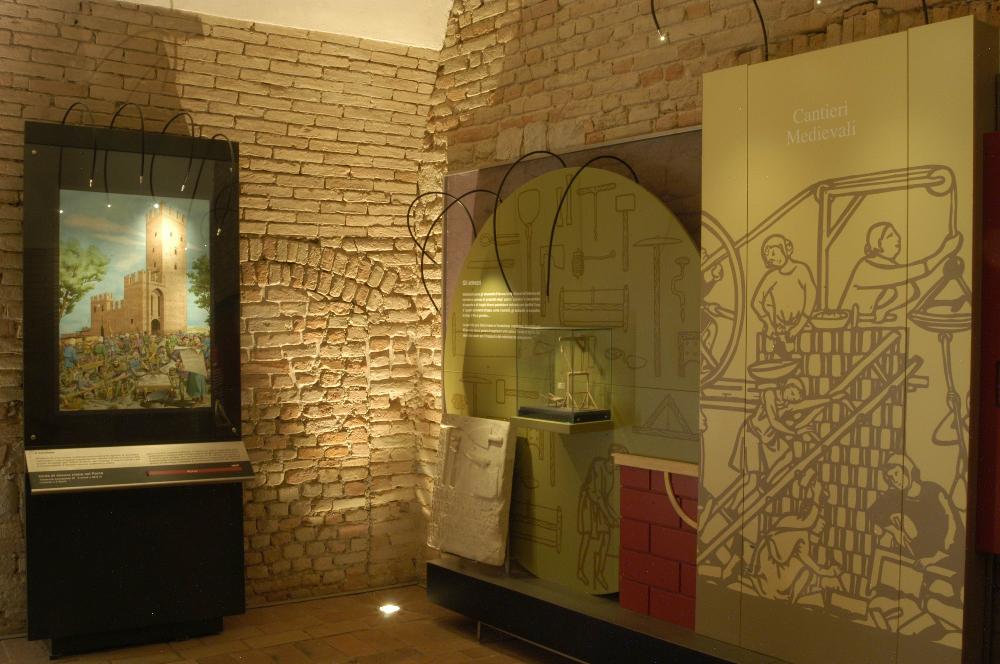


The museum collects a rich documentation relating to the historical development and population dynamics of the city and the Modena territory from prehistory to the Middle Ages. The founding of the museum, in 1871, is directly linked to the intense cultural and political debate on prehistoric research and the establishment of civic museums as places designated for the preservation of the city’s identity in the context of profound change immediately following unification. The ethnological section, with its artifacts from outside Europe, is also closely connected to the museum’s origin and the rise of comparative anthropological theories that greatly contributed to the emerging discipline of paleontology. Closely related is the Roman Lapidary, located in the west courtyard of the Palazzo dei Musei, which with its monuments, mostly from the large urban necropolises along the main roads, expands the knowledge about the demographic and social fabric of the Roman city.
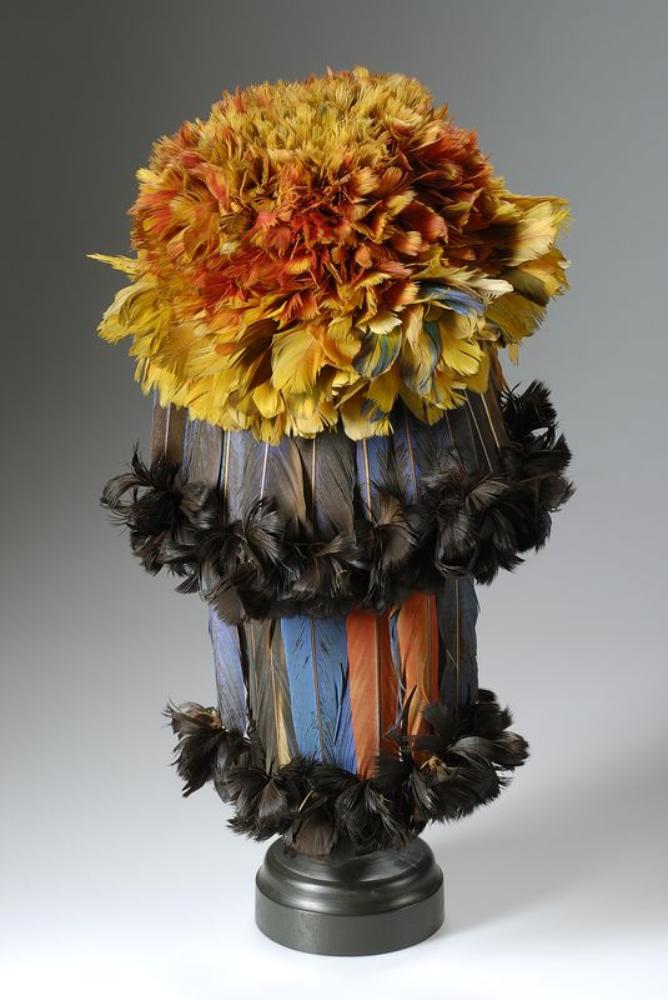
The first nucleus of the museum collections owes to research conducted in the second half of the 19th century by Giovanni Canestrini, Carlo Boni, Francesco Coppi, and Arsenio Crespellani on the remains of the terramare, settlements protected by embankments and moats widespread in the central Po Valley during the Middle and Late Bronze Age. Subsequently, many materials recovered by the Modena archaeologist Ferdinando Malavolti, especially on the Pescale plateau and at the Fornaci Carani, were added, along with important evidence from recent excavations in the city and territory. The exhibition route, re-presented in 1990 respecting the original 19th-century arrangement, describes a chronological path allowing to follow the historical development of the city and territory: from stone tools of the Paleolithic to the first Neolithic ceramics found in Fiorano, from the refined bronze artifacts of the terramare (Gorzano, Montale, Gaggio) to the grave goods of Villanovan tombs scattered in various parts of the territory (Savignano, Bazzano, Castelfranco, Nonantola), from the Etruscan necropolis of Galassina to the precious utensils of the ‘domus’ of Roman ‘Mutina’ and the grave goods of Lombard tombs. The ethnological section consists of materials from different geographical areas that in many cases testify to cultures now disappeared or endangered. The current arrangement of the collections respects the original 19th-century geographical division: New Guinea, South America, Africa, Asia, and Pre-Columbian Peru, evoking the era of great exploratory expeditions and the figures of scholars and researchers who contributed to the knowledge of new lands and other cultures.
The Roman Lapidary, set up on the ground floor of the Palazzo dei Musei, displays materials from areas outside the perimeter of the Roman city occupied in the imperial age by monumental necropolises. Particularly relevant are the tombs found along the Via Emilia to the east of the city, such as the funeral altar of centurion Clodius, the altar of Vetilia Egloge, and the bow-shaped monument probably belonging to a high-ranking officer of the Augustan fleet.
Information about Civic Archaeological and Ethnological Museum of Modena
Largo Porta S. Agostino, 337,
41121 Modena (Modena)
0592033100
[email protected]
https://www.comune.modena.it/museoarcheologico
Source: MIBACT