


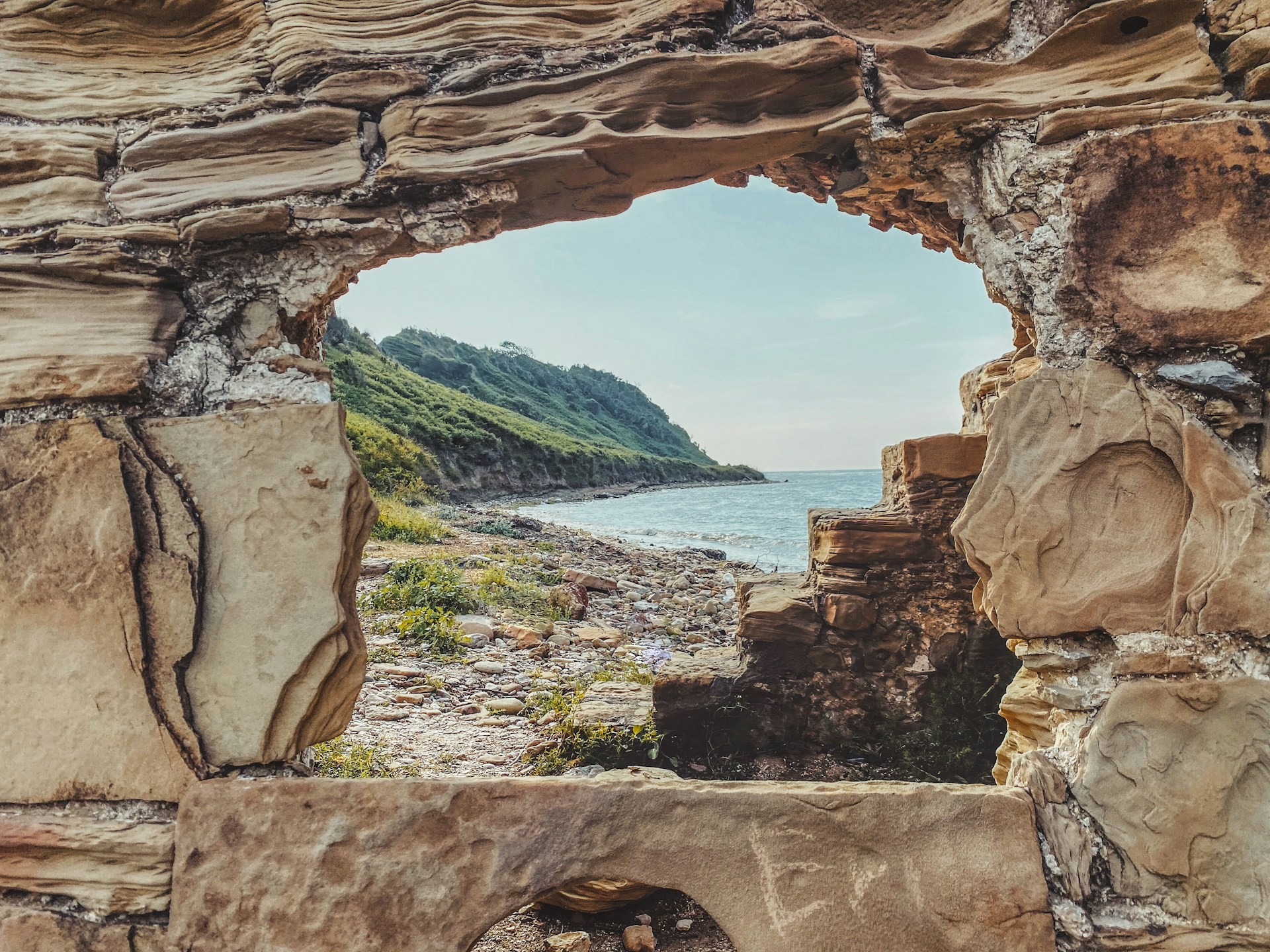

In recent years, Albania has become an increasingly popular tourist destination, especially among travelers from Italy.
We’re talking about a small Balkan country located just a short distance from Italy, easily accessible by sea. The closest route is only 71 km long—making it faster to reach Durrës from Apulia than to reach Italian cities like Rome, Turin, Milan, or Bologna, not to mention the main islands. But what’s behind this surge in popularity? And what do you need to travel to Albania? Find all the answers in this article.
What You Need to Travel to Albania
To enter Albania, you need a passport or a valid national ID card for travel abroad; both documents should have at least three months’ validity beyond your planned return date. This is confirmed by the Viaggiare Sicuri website, which also specifies that no other documents are accepted. A yellow fever vaccination certificate is only required if you come from a country where this disease is present; Italy is not among them.
Since Albania is a non-EU country, it’s highly recommended to take out travel insurance before setting off, to cover potential unforeseen events. Health-related issues can be among the trickiest to deal with: by choosing a health insurance policy for Albania, you’ll be covered for medical, pharmaceutical, and hospital costs, and you’ll have access to remote medical assistance.
This is essential support, because unlike when you’re at home, you won’t have local points of reference; being able to rely on professionals who know what to do gives you peace of mind and helps you handle any problems calmly.
Is Albania Part of the European Union?
It’s also worth noting that Albania is not currently a member of the European Union, even though it has one of the most stable economies in the Balkans—thanks in part to the boom in tourism.
Since 2014, Albania has been a candidate country for EU membership, with accession talks gaining momentum in 2022, particularly after the start of the war in Ukraine. As a result, Italian citizens traveling to Albania don’t have the same rights and facilities that they enjoy in EU countries like France, Austria, or the Netherlands, especially when it comes to healthcare.
The currency is also different—the Lek—which has a rather fluctuating exchange rate due to inflation. Nevertheless, it’s often advantageous for Italian and other European travelers.
Beach Tourism
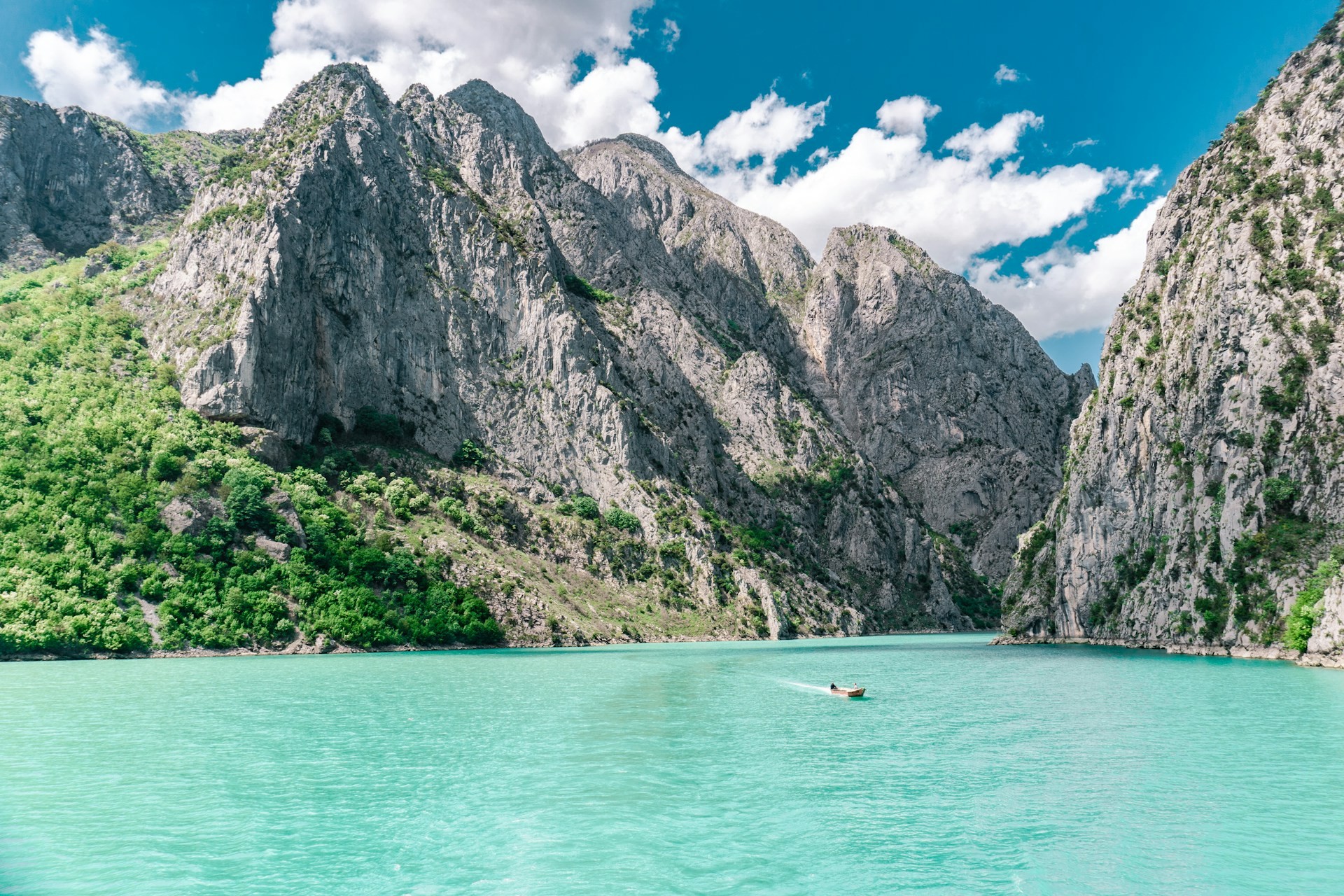
The most popular destinations in summer—and we strongly recommend booking early to get the best prices and comfort—are along the stretch of coastline facing the Ionian Sea: from Vlorë to Sarandë. Here, you’ll find beaches that can easily rival those of Greece or Italy.
Is it worth holidaying here? Absolutely, as long as you plan ahead and take out health insurance to cover any unforeseen events.