

Egypt is one of the most fascinating countries in the world, rich in history and culture, the land of legends, myths, ancient civilizations, and the Pyramids of Giza. If you love history and artifacts, it’s a captivating country to visit.
As one of the world’s oldest civilizations, Egypt is full of historic sites and symbols, from the celebrated pyramids to the Valley of the Kings. In fact, around 118 pyramids have been discovered here, most of which were built as tombs for the pharaohs. These are both sacred and treasured in Egyptian culture.
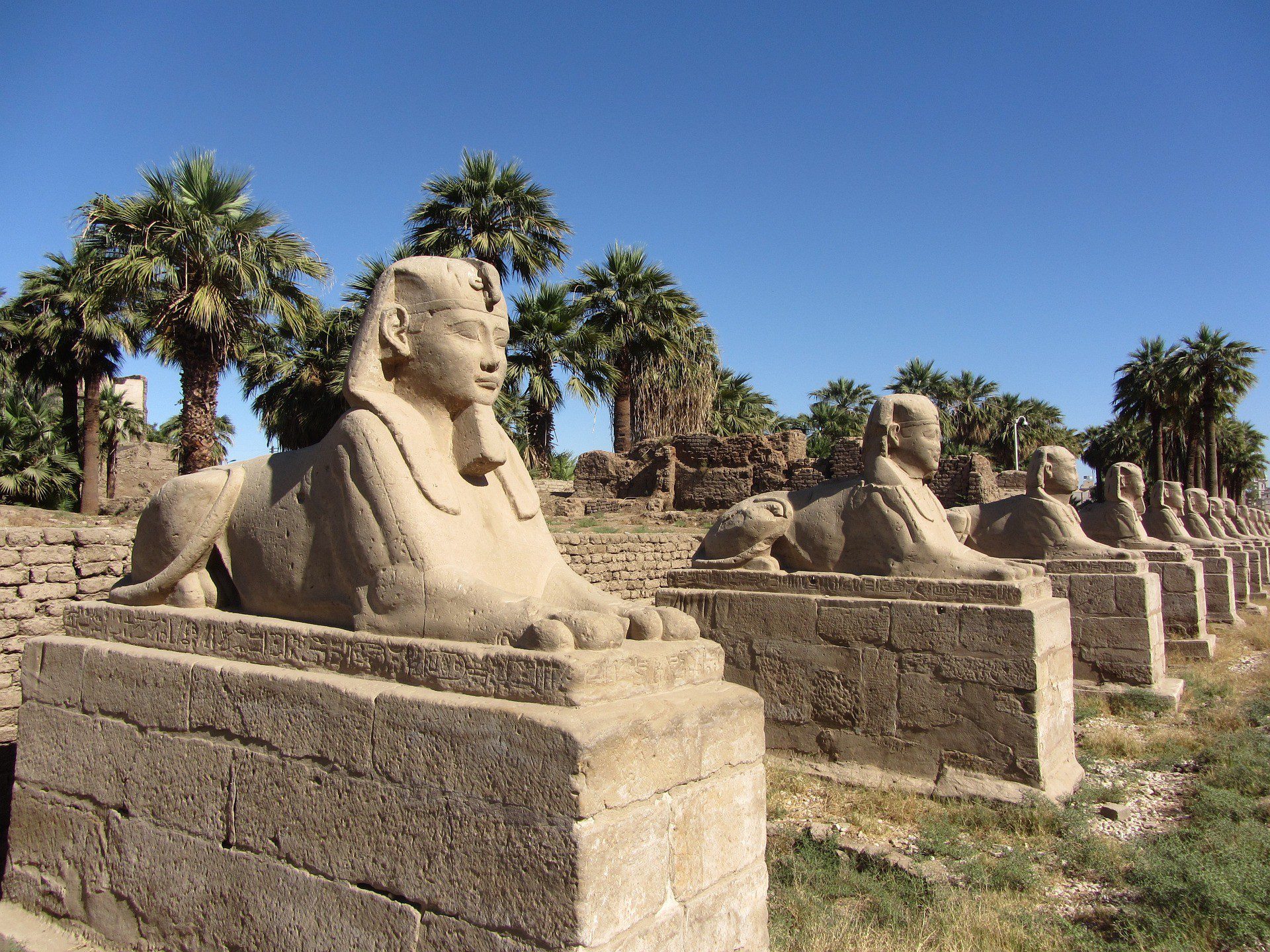
Beyond its pyramids, Egypt is also famous for the Nile River, its gold deposits, the Sphinx, and endless deserts. Thanks to its long, rich history, Egypt hosts a wealth of museums showcasing ancient Egypt and its evolution. Here’s a selection of the best archaeological museums in Egypt, perfect for discovering the wonders of antiquity and learning more about the country’s heritage.
Visiting Egypt and immersing yourself in its culture and history can be a truly rewarding experience. These Egyptian museums are must-see destinations for anyone seeking a unique and memorable journey through the country’s past. You’ll soon see why Egypt has long fascinated explorers and history lovers.
1. The Egyptian Museum
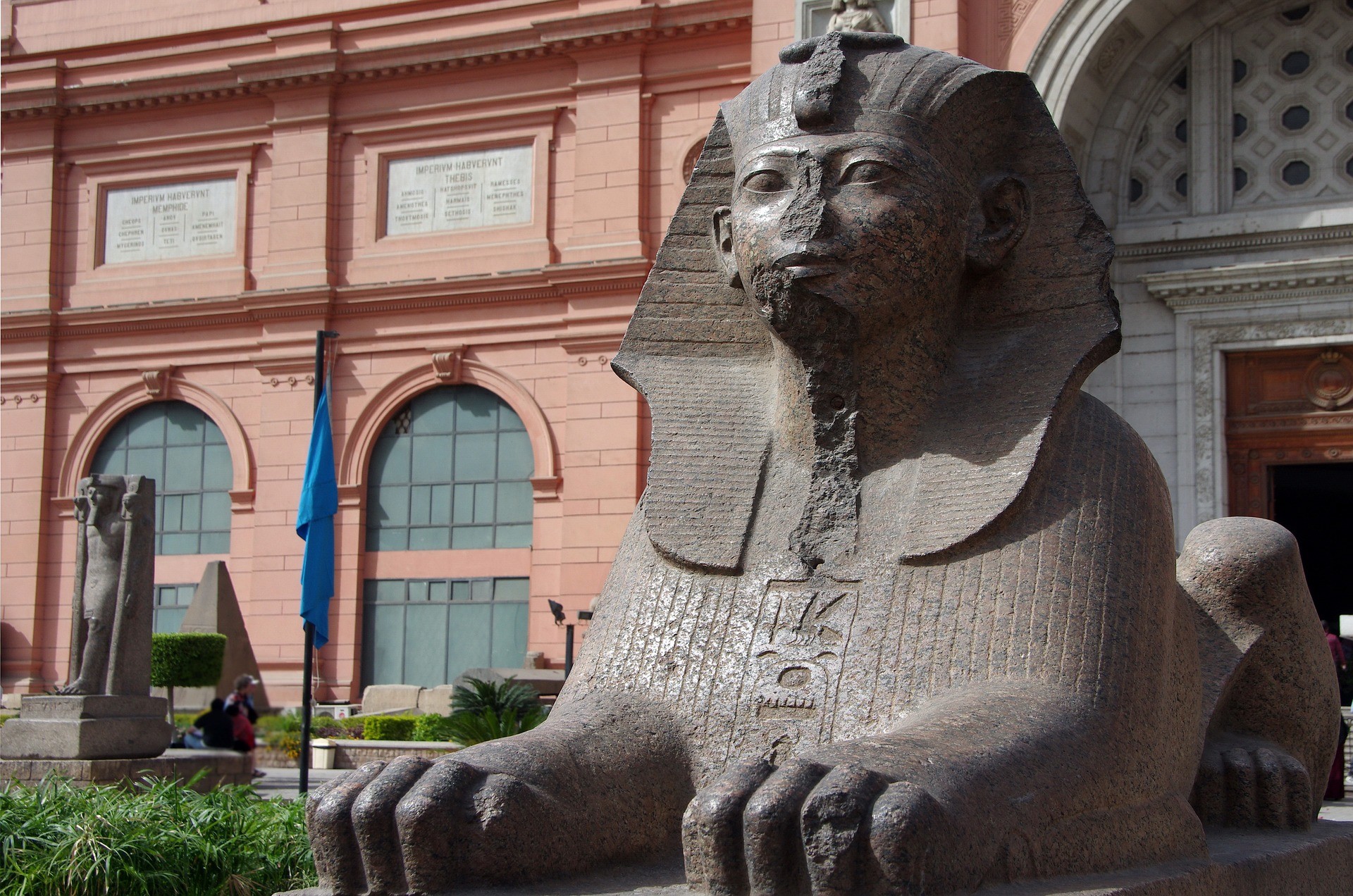
The Egyptian Museum is the world’s oldest museum dedicated to ancient artifacts. Located near Tahrir Square in downtown Cairo, it houses many iconic pieces from Ancient Egypt and boasts the world’s largest collection of pharaonic antiquities. Its exhibits range from pre-dynastic times to the Greco-Roman era.
The museum was first built by the Egyptian government in 1835 near the Ezbekieh Garden, later moving to the Cairo Citadel. On the ground floor, you’ll find ancient coins, papyrus displays, metal artifacts, and more. The first floor is dedicated to the discoveries from the Valley of the Kings, including famous items like King Tutankhamun’s funerary mask.
The museum is also home to the impressive statues of Khafre, Khufu, and Menkaure, the Pharaohs who founded the Giza pyramids. With over 100,000 pieces in its collection—many never on public display due to limited space—it offers a remarkable journey through Egypt’s past.
2. Nubian Museum
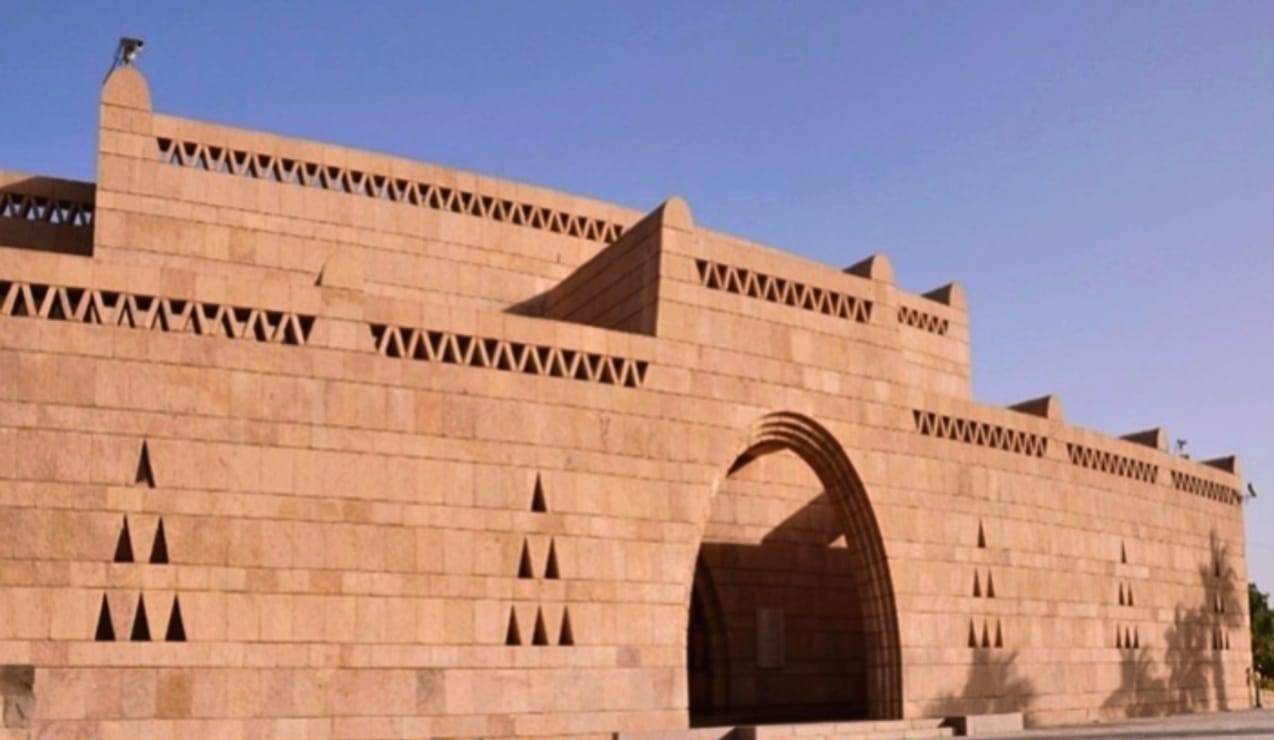
The Nubian Museum is one of Egypt’s most important museums, dedicated to the cultural and historical heritage of Nubia. Created by Egyptian specialists with UNESCO’s support, the museum preserves artifacts and monuments saved from the Nile’s rising waters.
It features over 500,000 displays telling the story of Nubia’s civilization and culture. Each exhibit is labeled in both English and Arabic, helping visitors understand the region’s complex past. The museum’s gardens, showcasing over 80 historic rocks and statues—including many dedicated to ancient Nubian deities—are especially popular.
Artificial lakes and waterfalls illustrate the flow of the Nile into Nubian lands, and a theater hosts performances of traditional Nubian dance, highlighting local customs.
There’s also a section devoted to Nubia’s modern history following the decline of pyramid construction and the Sixth Dynasty. Among the museum’s highlights are Kerma period tulip vases, a Meroitic offering table, statues of Harawa and King Taharqa, and many other masterpieces.
3. Luxor Museum
From Cairo, you can reach Luxor by flight, cruise, or express train—even by the popular overnight train, which is often the most budget-friendly option for travelers.
The Luxor Museum was Egypt’s first modern museum and offers a precious collection of artifacts spanning from the Old Kingdom to the Mamluk period, mostly sourced from Theban tombs and temples. It is particularly known for its outstanding sculptures from the reign of Amenhotep III, during which many of Luxor’s temples were built.
Among the highlights are objects from the opening of Tutankhamun’s tomb. The mummies of Ramesses I and Ahmose I were unveiled here in 2004, captivating visitors with their unwrapped presentation.

4. Bibliotheca Alexandrina
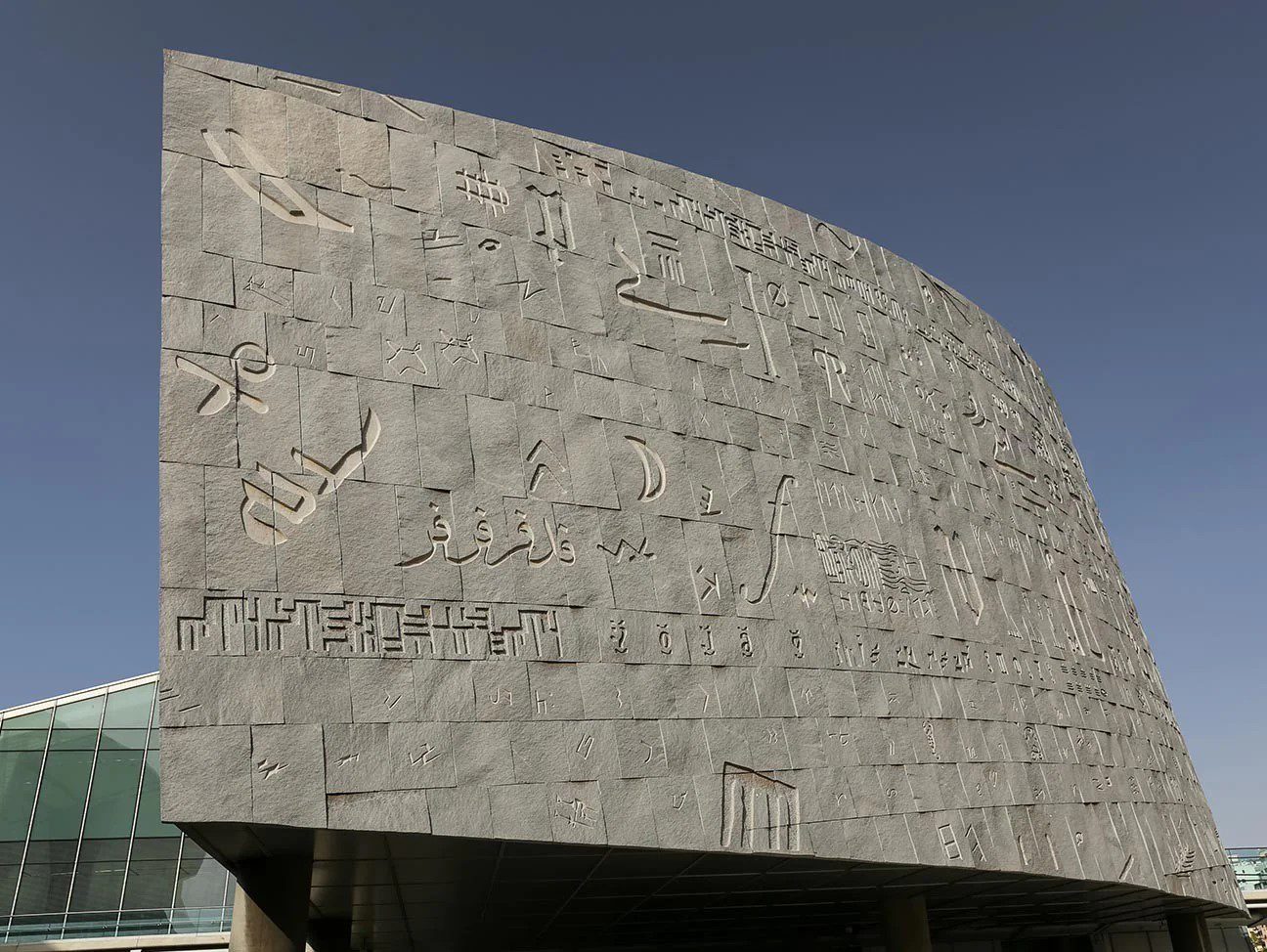
This modern library is a reincarnation of the legendary Library of Alexandria, originally built during the reign of Ptolemy II Philadelphus and destroyed under Roman occupation in the 3rd century AD. Construction of the new facility began in 1995 and, after seven years, the Bibliotheca Alexandrina was officially reopened. Today, it houses four museums: the Museum of Rare Books and Manuscripts, the Sadat Museum, the History of Science Museum, and the Antiquities Museum.
The library’s goal is to act as a global gateway between Egypt and the world—a center of excellence and learning in the digital age.
The library holds space for eight million books and offers a 20,000-square-meter reading room. Facilities include a conference center, special collections libraries for media, the visually impaired, children, and maps, as well as restoration labs, four art galleries, and more.
5. Coptic Museum
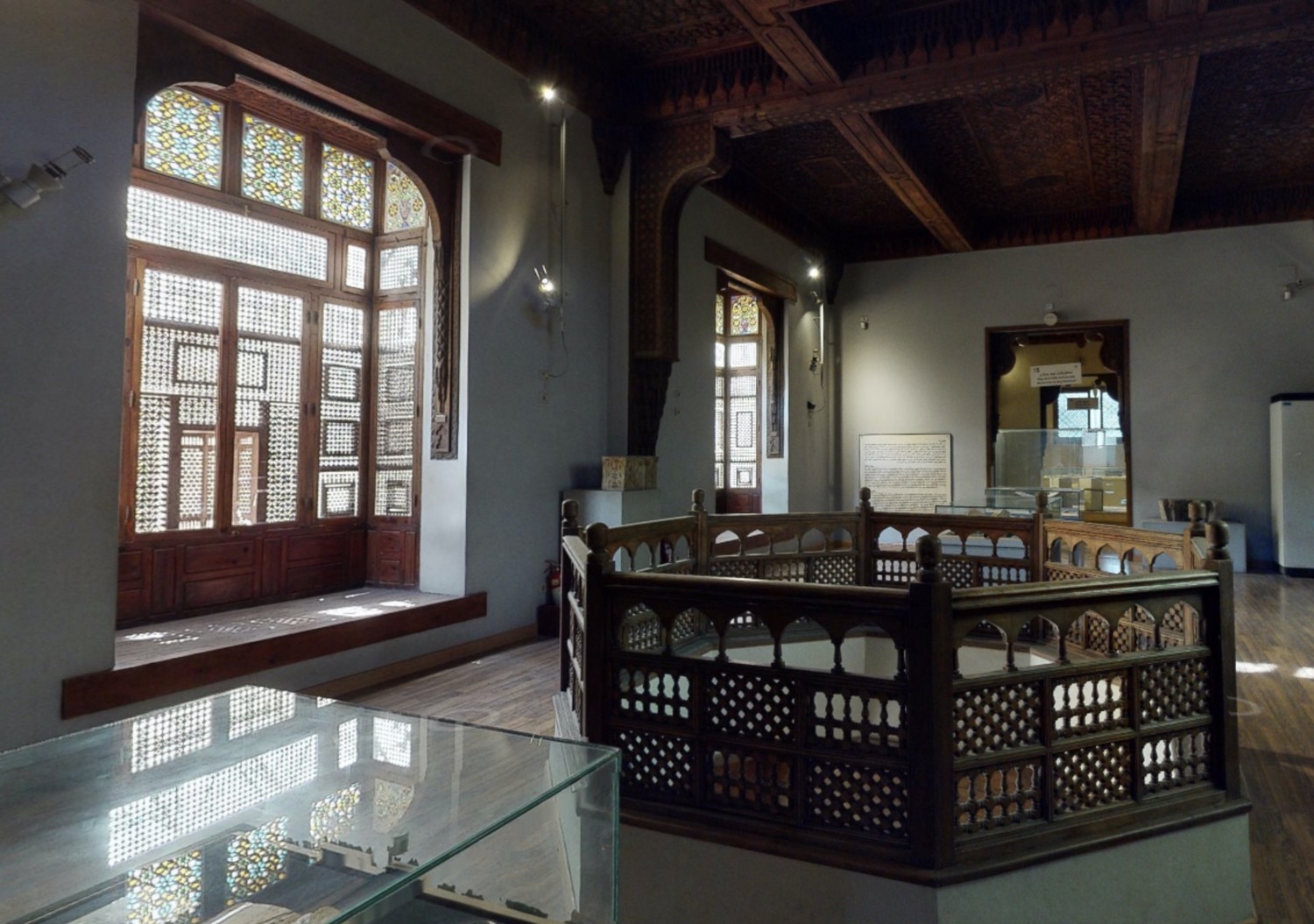
The Coptic Museum in Cairo is a secure and spacious building housing thousands of artifacts and works of art. It holds the most significant Christian-Egyptian collections and chronicles in Egypt.
The museum focuses on the art and artifacts of Coptic Egypt, tracing the discovery of the Christian faith in the first century AD and the evangelistic work of St. Mark. The collection includes sculptures from the 4th and 5th centuries, blending Greco-Roman mythology with Christian symbolism.
6. Grand Egyptian Museum
The Grand Egyptian Museum was designed by Heneghan Peng Architects, winners of the international architectural design competition. Construction began in earnest in 2005, and the museum now stands just a mile from the iconic Great Pyramids of Giza, with its grand opening expected by the end of 2023.
This museum is set to become the world’s largest archaeological complex devoted entirely to Egyptian civilization, with over 100,000 artifacts. The statue of Ramses II takes pride of place in the main atrium.
The center is a hub for Egyptology and research, featuring artifacts, ruins, and antiquities that tell Egypt’s story across centuries. A children’s museum, exhibition spaces, educational facilities, a conference center, and major conservation labs are also included.
The main galleries will focus on three themes: royalty and power, beliefs and eternity, and society. The museum aims to present the full narrative of King Tut’s life, from his diet and dress to daily rituals.

7. Museum of Islamic Art, Cairo
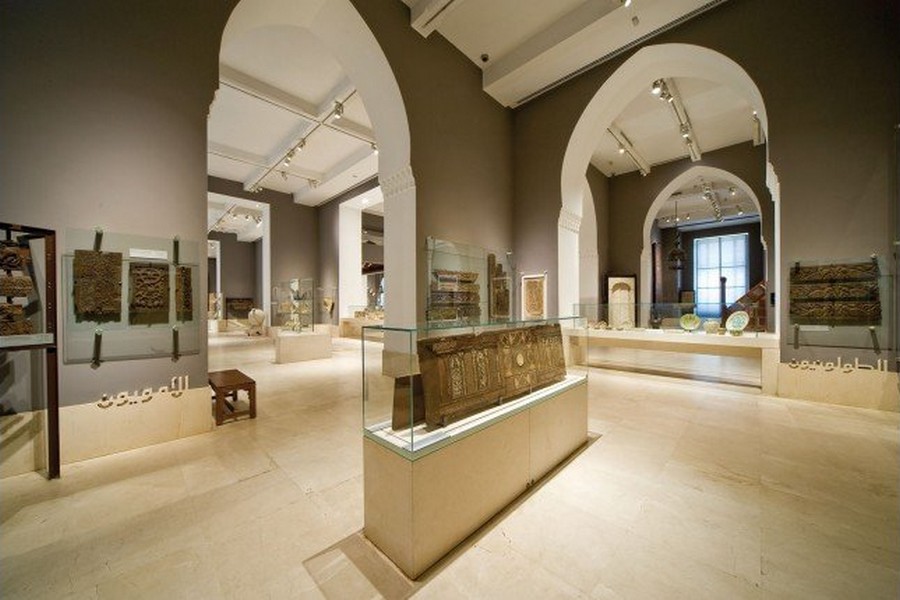
The Museum of Islamic Art, Cairo is located in the heart of Islamic Cairo and is among the world’s largest museums dedicated to Islamic art and artifacts. Many pieces were acquired from outside Egypt, representing significant events across Islamic history and spanning a vast geographical area.
The collection includes rare Qurans, an intricately engraved jug, and a restored Mamluk mosaic fountain. It’s a must-visit for historians, researchers, and anyone keen to understand the sciences of the Islamic world—such as engineering, medicine, and astronomy.