



Egypt is one of the most interesting countries in the world. Rich in history and culture, it is a land of legends, myths, ancient civilizations and the Pyramids of Giza. That said, it is a fascinating country to visit if you love history and artifacts.
Since it is one of the oldest civilizations in the world, you can find many historical sites and symbols in Egypt. These include the famous pyramids and the Valley of the Kings. There are about 118 pyramids that have been discovered in Egypt. Most of them were built to house the tombs of the pharaohs. Therefore, these are considered sacred and precious by the Egyptians.
Besides the pyramids, Egypt is also known for the Nile River, gold deposits, the Sphinx, and the endless deserts. Additionally, thanks to its rich and long history, you can find many Egyptian museums that showcase ancient Egypt and its development. Here are some of the best archaeological museums in Egypt to learn more about the ancient world and explore the country.
Visiting Egypt and exploring its culture and history can be a fantastic experience. These Egyptian museums are some of the places you should visit for an absolutely wonderful and unique experience in the country. In the end, you will understand why many people are fascinated by the idea of learning more about Egypt.
1. The Egyptian Museum
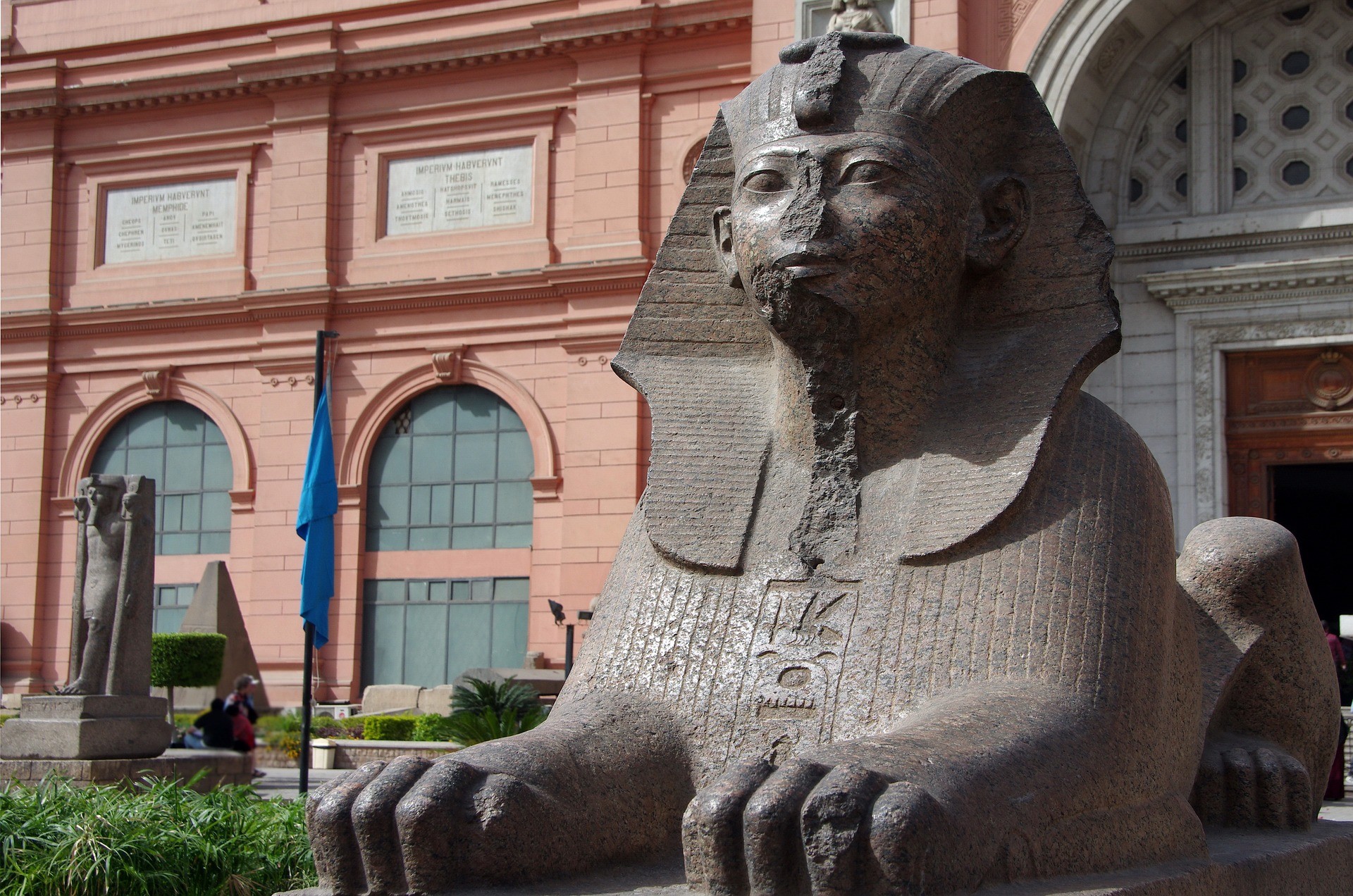
The Egyptian Museum is the oldest museum of ancient artifacts in the world. It is located near Tahrir Square, in downtown Cairo. It displays many important pieces of ancient Egyptian history and the largest collection of pharaonic antiquities worldwide. You can find many items from before the dynasties to the Greco-Roman period.
The Egyptian government built the museum in 1835 near the Ezbekieh Garden. However, it was later moved to the Cairo Citadel. On the ground floor, you can see ancient coins, papyrus exhibits, metal artifacts, and more. At the same time, the first floor is dedicated to excavations carried out in the Valley of the Kings. You can see some works like the funerary mask of King Tutankhamun.
Additionally, the museum houses the fantastic statues of the great kings Khafre, Khufu, and Menkaure, the founders of the pyramids on the Giza Plateau. It holds over 100,000 objects, and many artifacts have never been exhibited because the museum is crowded.
2. Nubian Museum
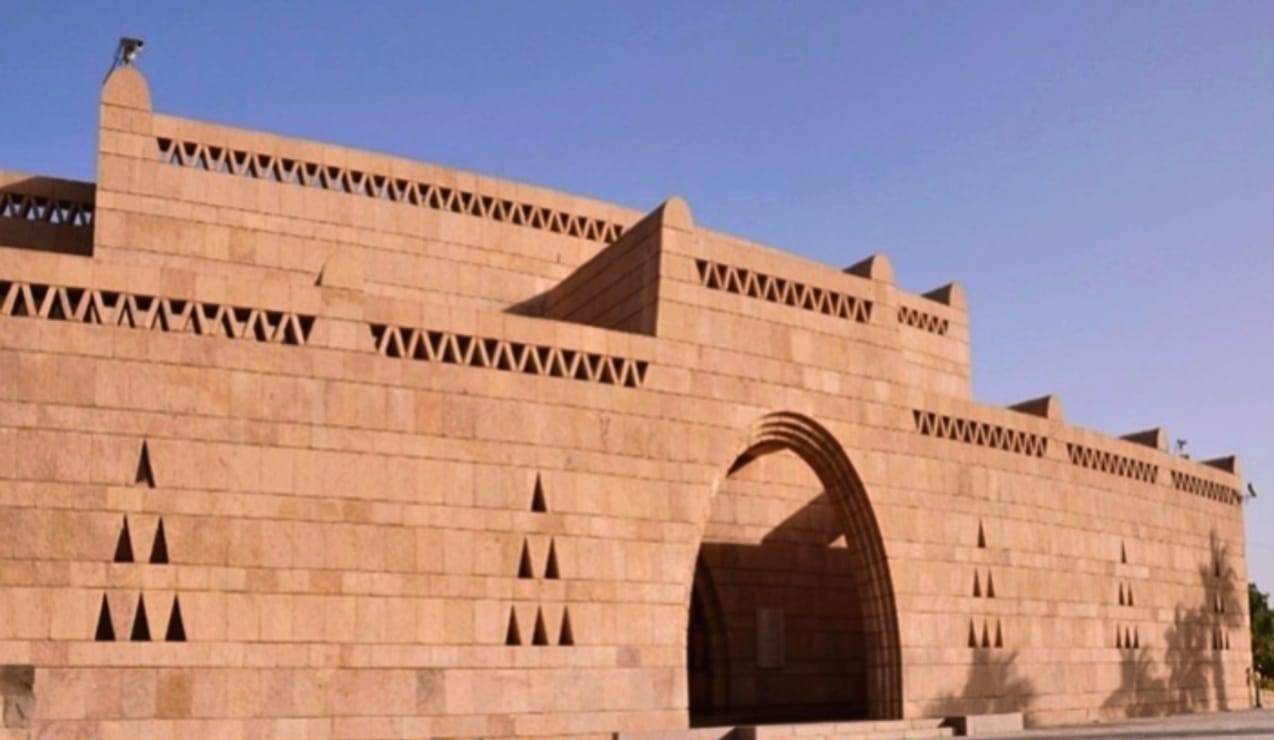
The Nubian Museum is one of the most important museums in Egypt. This award-winning Egyptian museum focuses on the cultural and historical heritage of Nubia. It was created through the combined efforts of local researchers and archaeologists with the help of UNESCO to preserve the ancient Egyptian monuments saved from the Nile waters.
It has over 500,000 displays showing the history and culture of Nubia. The museum allows visitors to understand the complicated history of the region. And every exhibit has a description written in English and Arabic. Most visitors are attracted by the museum garden, which houses over 80 historical rocks and statues. Some of these rocks and figures are dedicated to the gods of ancient Nubia.
Additionally, some artificial waterfalls and lakes demonstrate the Nile River and its flow towards the lands of Nubia. There is also a theater where visitors can watch Nubian dances to see the unique customs of the Nubian people.
The museum has a section that shows the history of the new civilization in Nubia after the decline of the pyramid-building period or the sixth pharaonic dynasty. It also displays several masterpieces, such as tulip vases from the Kerma culture, a Meroitic offering table, a statue of Harawa and King Taharqa, and many more.
3. The Luxor Museum
From the capital Cairo, you can reach Luxor by plane, cruise, or express train, where you can see the great Luxor Museum. However, many visitors prefer to travel to the city of Luxor by the night train. Buying these cheaper train tickets offers a more economical way to travel compared to other modes of transport.
The Luxor Museum was launched as the first modern museum in Egypt. It is one of the most precious collections of Egyptian antiquities in Egypt ranging from the Old Kingdom to the Mamluk period. Most of its pieces are collected from the necropolis and the Theban temples. It highlights sculptural representations of Amenhotep III. Several temples of Luxor were built during his reign.
The exhibition also displays some objects from the opening of the tomb of Tutankhamun. The mummies of Pharaohs Ramesses I and Ahmose I were unveiled in 2004 and have become major attractions. They were exhibited without their wrappings, which is quite frightening but fascinating.

4. Alexandria Library
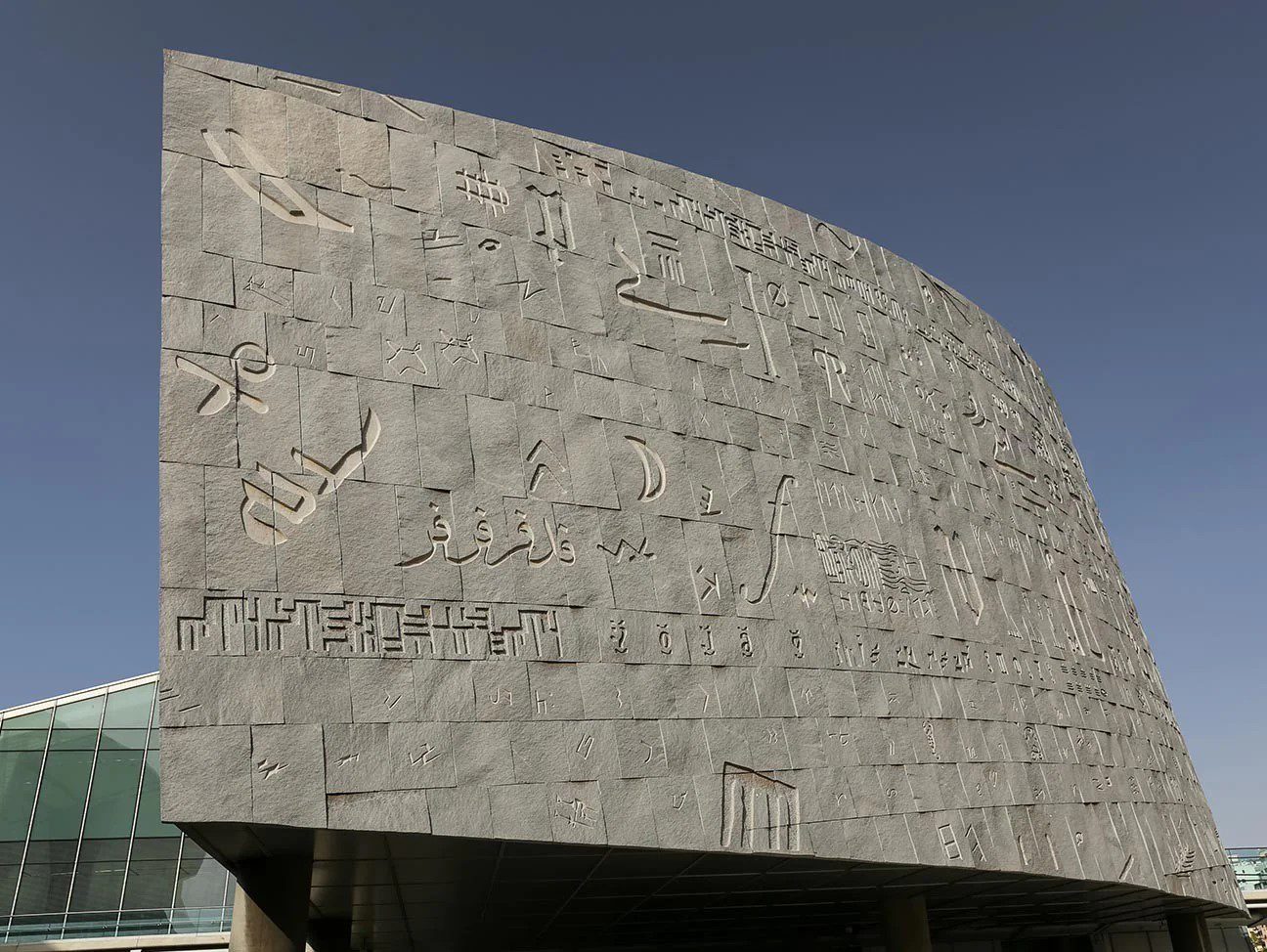
Here we have the reincarnation of the ancient Library of Alexandria, built during the reign of Ptolemy II Philadelphus but destroyed during the Roman occupation in the 3rd century AD. The construction of the new library began in 1995 and was officially reopened after seven years. The Bibliotheca Alexandrina houses four Egyptian museums: the Rare Books and Manuscripts Museum, the Sadat Museum, the History of Science Museum, and the Antiquities Museum.
The Bibliotheca Alexandrina aims to be the world’s window on Egypt and vice versa. It is dedicated to being the center of excellence, a primary institution of the digital age, and a center of learning.
The current library has ample space to hold 8 million books and a 20,000 square meter reading room. There is also a conference center, as well as specialized libraries for multimedia, the visually impaired, children, and maps. Additionally, it has more space for a manuscript restoration laboratory, four art galleries, and more.
5. The Coptic Museum
The Coptic Museum in Cairo is a large and secure building with thousands of artifacts and artworks. It contains the largest collection of Christian Egyptian artifacts and chronicles of Egyptian history.
The museum focuses on the artifacts and art of the Egyptian Coptic civilizations, the discovery of their faith by Christians in the 1st century AD, and the evangelical work of Saint Mark. It displays sculptures from the 4th and 5th centuries that show subjects borrowed from Greco-Roman mythology contaminated by Christian symbolism.
6. Grand Egyptian Museum
The Grand Egyptian Museum was designed by Heneghan Peng Architects, who won the architectural design competition. Construction of the new museum seriously began in 2005. It is located just one mile from the monumental Great Pyramids of Giza and is scheduled to open by the end of 2023.
This Egyptian museum has been organized to be the largest archaeological museum complex in the world dedicated to Egyptian civilization, showcasing more than 100,000 artifacts. The statue of Ramses II stands in the center of the large courtyard.
This cultural center is committed to years of Egyptology and research. It will host artifacts, ruins, and antiquities, displaying Egypt’s rich history and culture. It will also include a children’s museum, exhibition space, educational facilities, a conference hall, and a large conservation center.
Meanwhile, the main galleries will be arranged according to these themes: royalty and power, beliefs and eternity, and society. The museum will present a complete narrative to show King Tut’s lifestyle, from what and when he ate to what he wore.

7. Islamic Museum of Cairo
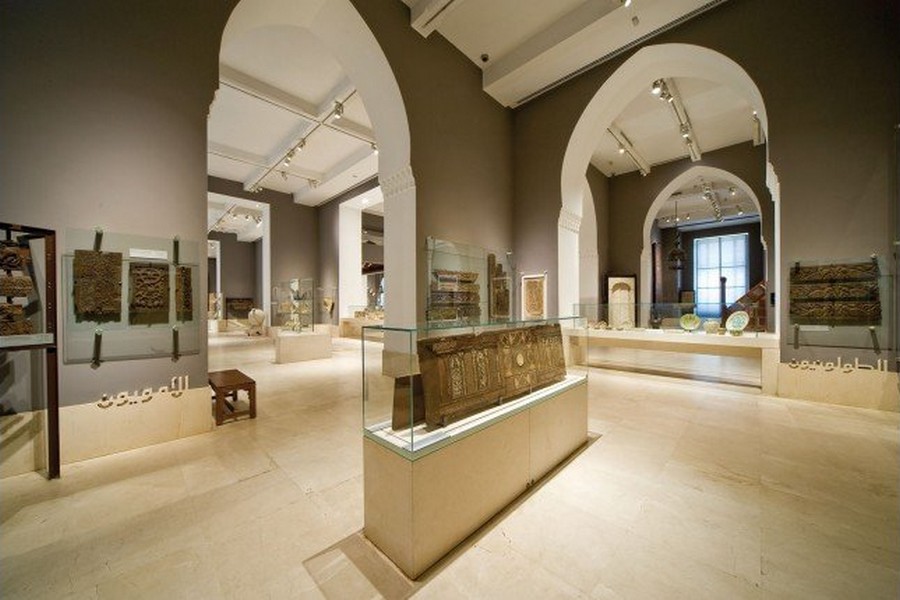
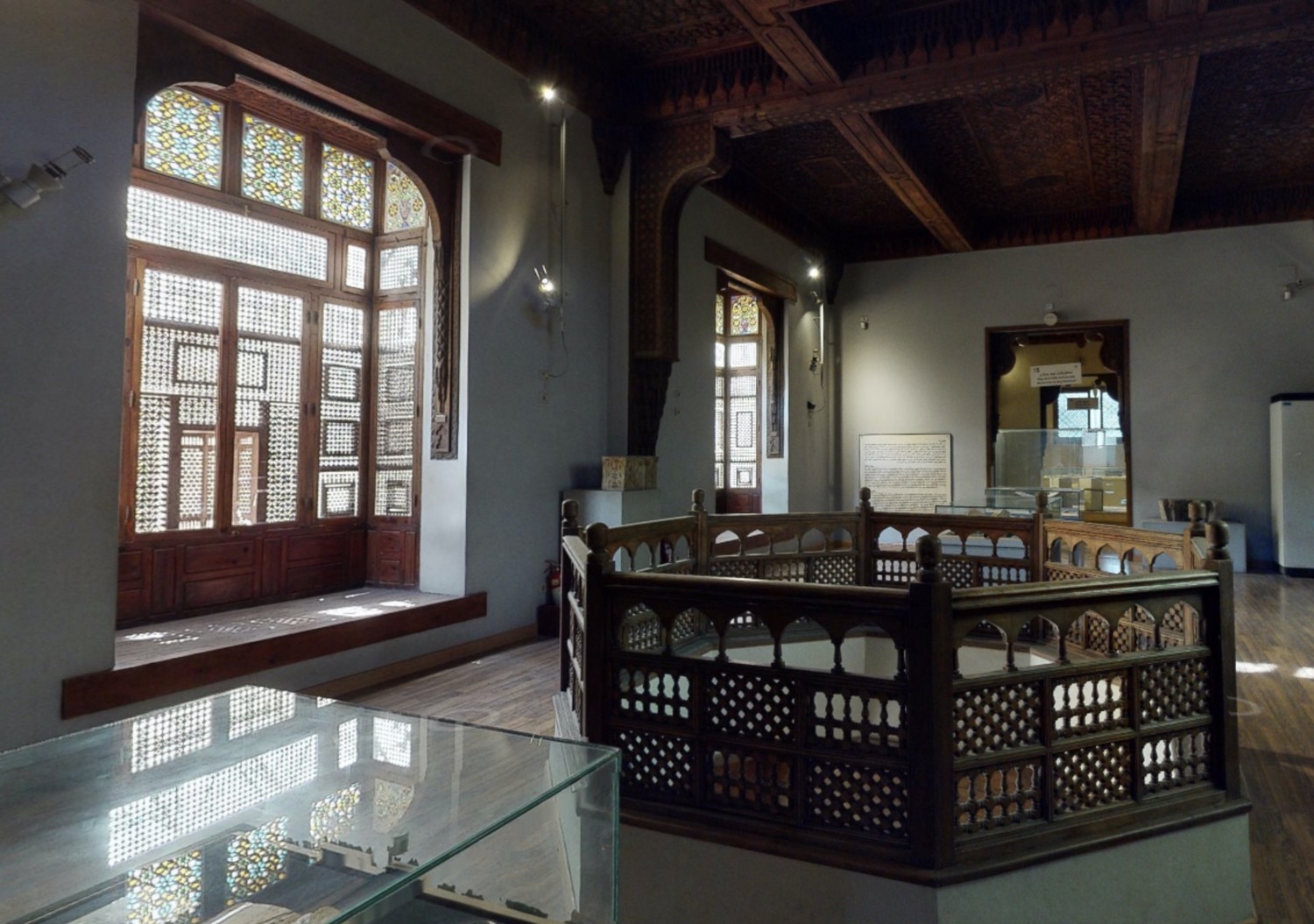
The Islamic Museum of Cairo is located in the heart of Islamic Cairo. It is one of the largest museums in the world dedicated to Islamic artifacts and art. However, many of their relics were acquired outside of Egypt. These masterpieces represent most of the significant events in Islamic history and the majority of the regions of the Islamic world.
Its collections include significant artifacts, such as rare Qurans, an engraved jug, and a restored Maluk mosaic fountain. It is an ideal place for historians, researchers, and visitors interested in learning more about the complexities of Islamic sciences, such as engineering, medicine, and astronomy.