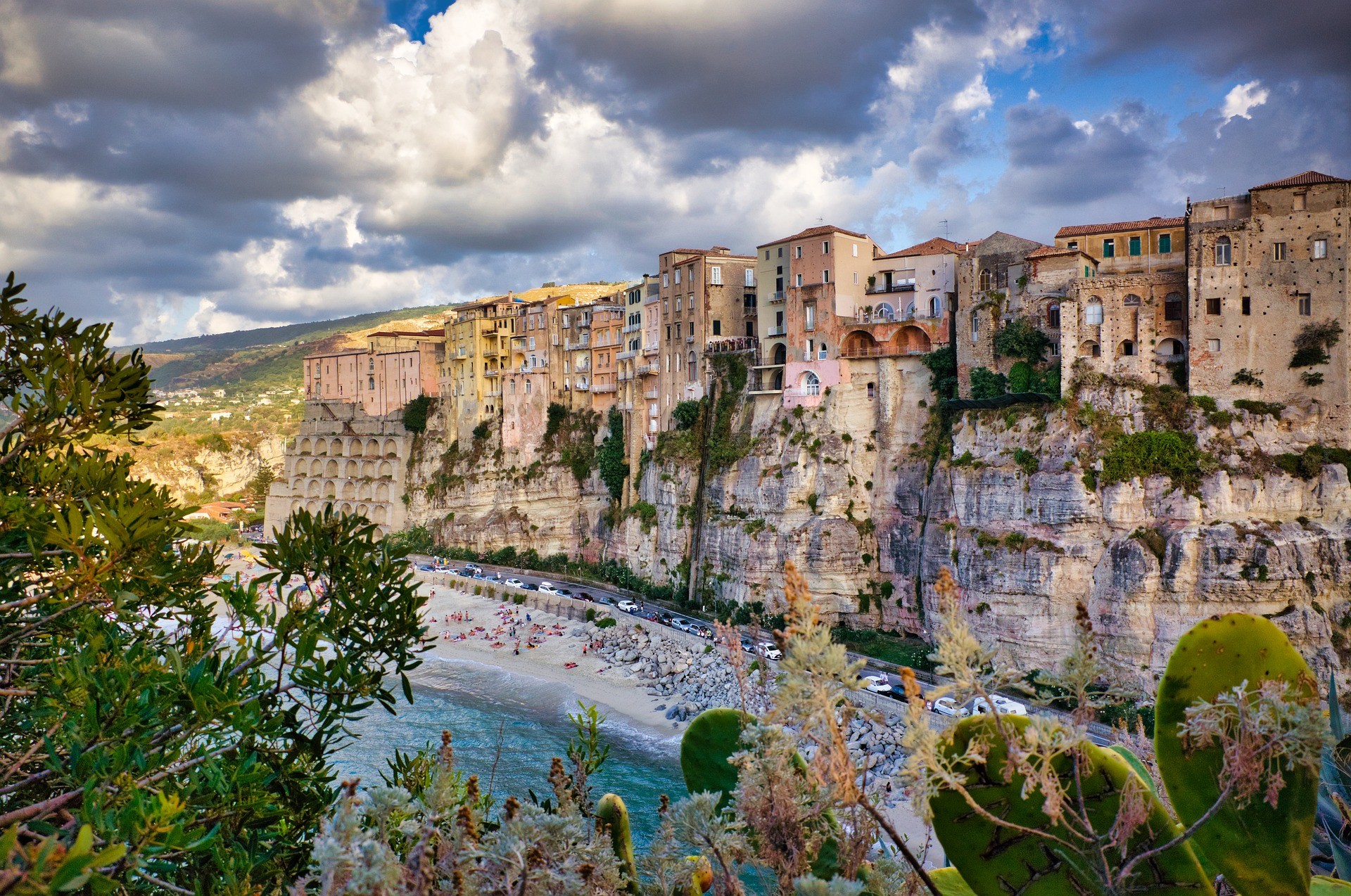


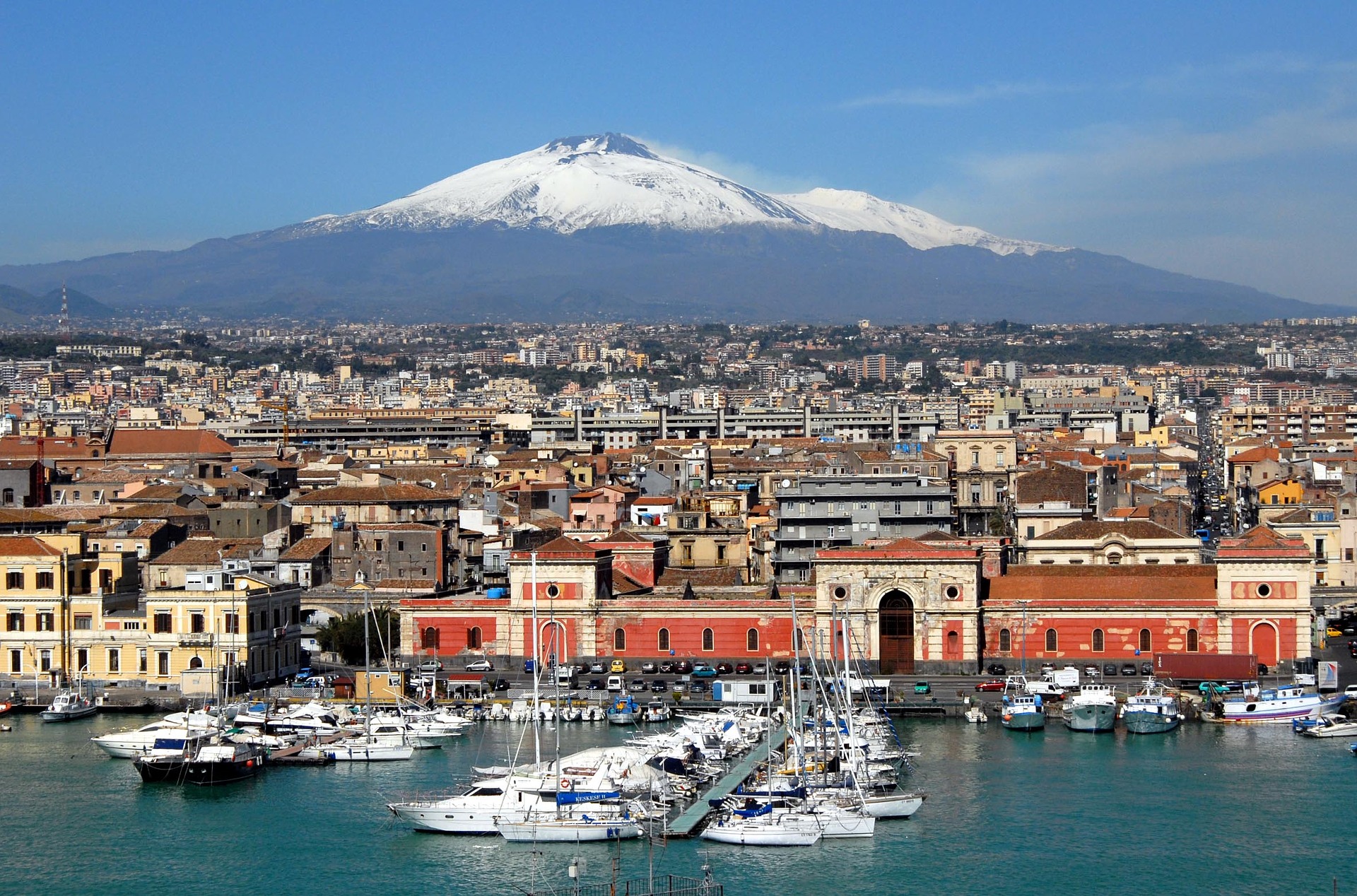

Sono tanti i places to visit in Sicily, a land rich in art and culture, but without a doubt Catania and surroundings represent one of the most interesting areas of the entire region.
- Visiting Catania: places of interest
- 1 Historic Center of Catania
- 2 Cathedral Square in Catania
- 3 Basilica of Saint Agatha in Catania
- 4 Castello Ursino
- 5 Civic Museum
- 6 Church of San Francesco Borgia
- 7 Museums in Catania
- Emilio Greco Museum
- Museum of Zoology and Butterfly House
- Giovanni Verga House Museum
- “Valenziano Santangelo” Museum of Lava Stone Sculptures
- Bellini Civic Museum
- Historical Museum of the 1943 Sicily Landing, Catania
- Department of Botany and Botanical Garden of Catania
- Toy Museum of Catania
- 8 Etna
- 9 How to get to Catania
- 10 What to eat in Catania
It is a true gem, located between Mount Etna and the sea; more and more tourists every year go to this fascinating city to discover its secrets and peculiarities. In this guide, we will explore together what to see in Catania, to help you organize your trip to Sicilian land in the best way possible.
Visiting Catania: places of interest
Without a doubt, in Sicily the places of interest are really numerous, but among the many beautiful cities, Catania stands out thanks to its landscape formation and its beauties hidden in every corner. There are many things to see in Catania, but we have tried to gather the most important ones, those you just can’t miss. Finally, you can always consider the 3-day itinerary in Catania.
1 Historic Center of Catania
The historic center of Catania is the first place we recommend you visit. It is the heart of the city and it is in this neighborhood that the main activities take place, including the famous Monday market. It is home to many important monuments and is the meeting place for Catania’s citizens and beyond.

2 Cathedral Square in Catania
Cathedral Square is the main square of Catania and has a lot to offer in terms of attractions. Located in the heart of the city, near the port area, it is recognizable thanks to the imposing Elephant Fountain, the Amenano Fountain, the Catania Cathedral, and the Elephant Palace. The symbol of Catania is, not by chance, the elephant itself, which is said to be a symbol of protection for the city. In Cathedral Square, you can also find a series of cafes and restaurants with outdoor seating, ideal for having a drink, grabbing a bite, and enjoying the beautiful Sicilian climate. To include in the “What to visit in Catania” list.

3 Basilica of Saint Agatha in Catania
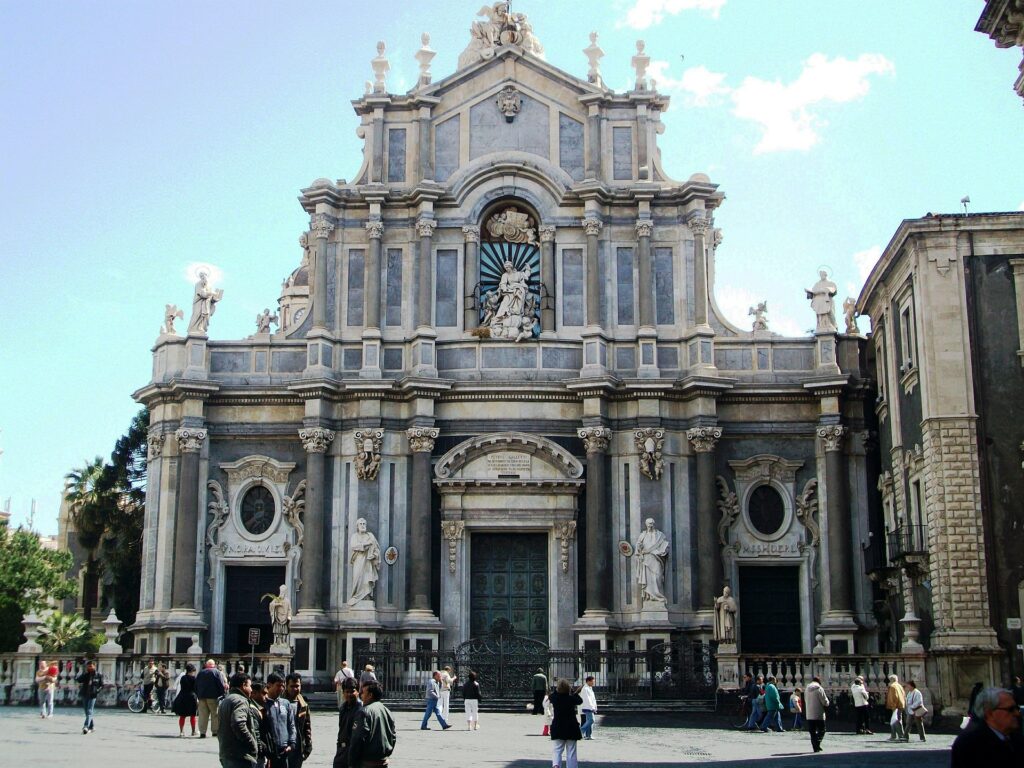
The Basilica of Saint Agatha is the cathedral and a unique structure, a masterpiece of Norman and Baroque architecture. Located in the heart of the old town, the cathedral is situated in Piazza Del Duomo. Inside, the tomb of the renowned composer Vincenzo Bellini is preserved.
4 Castello Ursino
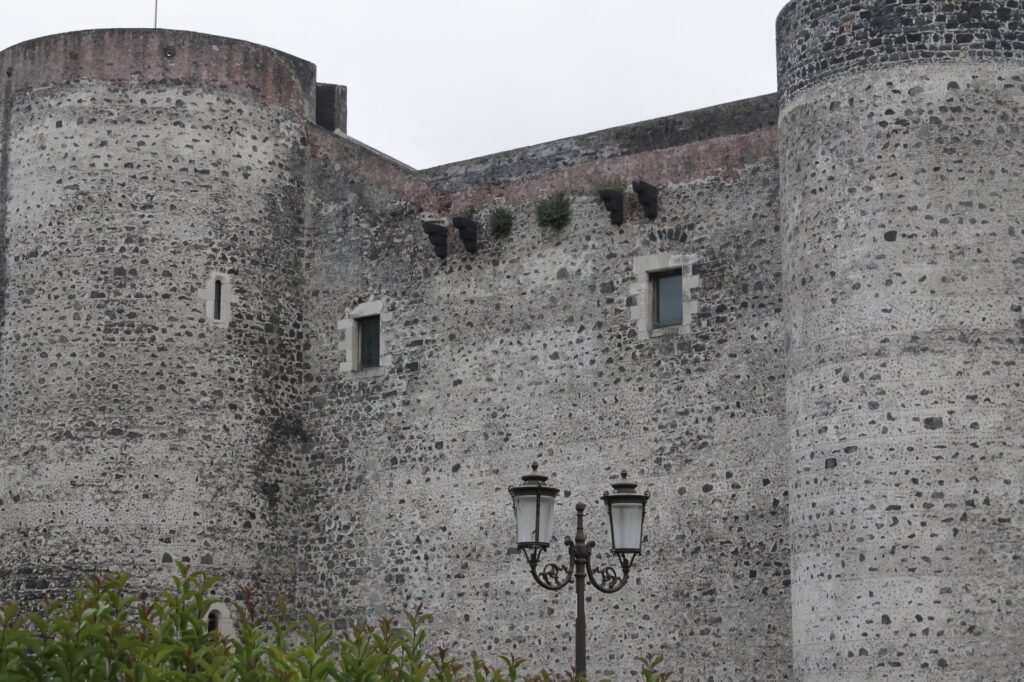
Il Castello Ursino is one of the most important monuments of the city and dates back to the 13th century, commissioned by Frederick II of Swabia who built over a hundred fortresses throughout southern Italy. Today its condition is still very good. Built on a basalt cliff overlooking the sea, the Norman Castle once held an important strategic position. The cliff initially stood isolated; it was the eruption of 1169 that filled the stretch of sea that separated it from the mainland.
The castle, witness over the centuries to long struggles between the Aragonese of Sicily and the Angevins of Naples, was besieged and captured several times, passing ownership between Viceroys and private individuals. During the 16th century it became the seat of a garrison that kept watch over the sea, and later also a terrible prison. Today it houses the Civic Museum which offers an intriguing journey into the past. We recommend you stroll around the castle to take some photographs and also visit its interior, home to the Civic Museum of the city.
5 Civic Museum
The Civic Museum of Catania, housed in the heart of the historic city inside the Ursino Castle, an important destination for study by archaeologists, historians, and restorers, is the most important museum in Catania due to the vastness and variety of its collection. From the Byzantine-style tablets of the 15th century to the oil paintings on canvas of the 19th century, the museum boasts a very rich art gallery, to which are added numerous archaeological finds from the Hellenistic and Roman periods, Greek vases, Greek and Roman coins, portals from the 13th and 15th centuries, engravings, prints, sacred vestments, and ornamental artistic objects from various eras. Currently, the courtyard, ground floor, first floor, and only a part of the collection are open, which, however, includes highly valuable artifacts. The Museum houses a mineralogical section, a paleontological section, and an archaeological section; completing the exhibition is a small botanical garden, where a collection of plants of considerable value is displayed outdoors.
6 Church of San Francesco Borgia
The Church of San Francesco Borgia is located on via dei Crociferi, the most scenic street of Baroque Catania. Equipped with a double-ramp staircase, it has a very linear facade in Roman academic style. It unfolds over two orders of paired marble columns. The interior has three very wide and bright naves. The side altars are made of marble and feature altarpieces by 18th-century Catanian painters. The dome is frescoed with themes recalling the Jesuit order, by the painter Olivio Sozzi.

7 Museums in Catania
Catania is a city bursting with art. Several museums in Catania are recommended to visit.
-
Emilio Greco Museum
Inaugurated in 1994 in the presence of the sculptor Emilio Greco, the Museum houses most of his graphic work donated by him to his hometown.
-
Museum of Zoology and Butterfly House
The collections preserved in the Museum of Zoology and Butterfly House mainly concern Mediterranean fauna: the largest collection is the entomological collection “Ragusa,” which includes about 25,000 specimens of lepidoptera. Also extraordinary is the display of faunal specimens, which includes an interesting ornithological collection of over 160 birds, acquired in 1991 through a donation by the Hunters’ Club of the Province of Catania, and the one dating back to 1923, donated by the noblewoman Anna Paternò Castello, which includes about a thousand specimens, mainly exotic, including about a hundred hummingbirds of notable interest, as well as numerous parrots and birds of paradise. In 1989, the scientific heritage was further enriched by the acquisition of the important ornithological collections Baglieri and Baglieri Benanti, containing more than 500 specimens from Sicily. In the same facility, the “Butterfly House,” a small climate-controlled greenhouse, is open to visitors, which hosts tropical lepidoptera and insects observable in their different life stages.
-
Giovanni Verga House Museum
The birthplace of Giovanni Verga is an apartment on the second floor of a nineteenth-century building. It is the home where Verga spent his childhood and resided for long periods surrounded by family and close friends. After the death of Giovannino Verga Patriarca, the writer’s heir, the house was purchased by the Sicilian Region and opened to the public after restoration. Inside are preserved the furnishings and books that belonged to Giovanni Verga.
-
“Valenziano Santangelo” Museum of Lava Stone Sculptures
The Museum of Lava Stone Sculptures in Catania was created by the sculptor Nino Valenziano Santangelo, who has been working with lava stone since 1978. It exhibits 306 sculptures depicting myths from the Greco-Roman world, cinema, literature, and characters from Sicilian tradition; the works are intuitively carved from lava blocks, with light interventions. A series of other artifacts highlight the versatile nature of lava: volcanic bombs, ash, rope lava, slab lava, lapilli.
-
Bellini Civic Museum
The Bellini Civic Museum is located in the musician’s birthplace and collects documents, memories, and items that belonged to him. Also on display are stage models, autograph scores, paintings, miniatures, and, gathered in room D, several autograph musical manuscripts created during his studies in Naples.
8 Etna
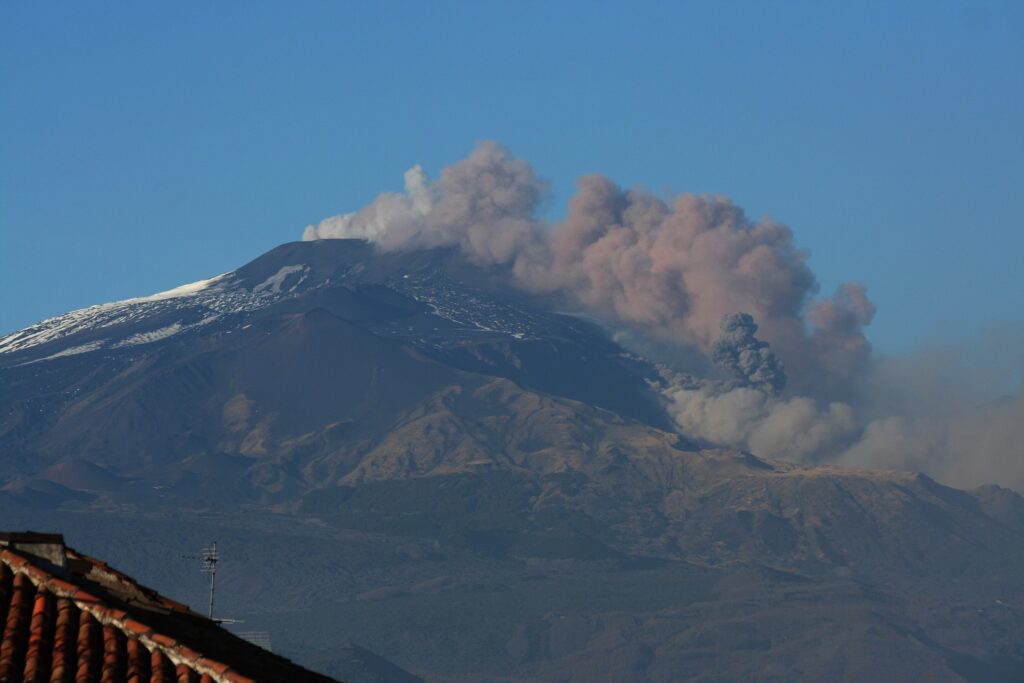
Etna: when visiting Catania, you cannot miss the chance to climb Etna. Various tour operators offer day trips on the volcano on foot, by bike, or by jeep. Once at the top of Etna, on a clear day, the view will be incredible and you can enjoy a fabulous unforgettable scenery. To include in the list “Catania: what to see”.
Catania in brief: how to get there and where to eat
9 How to get to Catania
There are many ferries to Catania that allow you to reach the Sicilian city by sea, but certainly one of the fastest means is by plane. The Catania airport is Fontanarossa – Catania Airport and is located less than 10 km from the city center. You can choose to use shuttle services or take a taxi to get to your hotel.

10 What to eat in Catania
Food is undoubtedly one of the main prides that the city can offer. During your vacation, we recommend, therefore, to try the dishes belonging to the Catanese cuisine choosing among the various restaurants in Catania. Don’t forget to taste the arancini, the Sicilian cannoli, the pasta alla Norma and the horse meat sandwiches. A curiosity: know that in Catania the arancini are masculine (arancino) while in Palermo they are feminine (arancina).