


Typical Dominican dishes: a journey into the gastronomy of the Dominican Republic
The typical dishes of Dominican food are a fascinating mix of the indigenous cuisine of the Tainos, Spanish gastronomic tradition, and African influences. The gastronomy of the Dominican Republic has enriched over time, incorporating elements of Haitian, “cocola” (the Dominican term that generally indicates the Afro-Antillean population), Arab and Chinese cuisine. From this melting pot of cultures, traditions, ingredients, and Caribbean flavors, a varied and appetizing gastronomy was born, all to be tasted.
- Typical Dominican dishes: a journey into the gastronomy of the Dominican Republic
- Sancocho
- La Bandera
- Il moro
- Il locrio dominicano
- L’asopao
- Pica Pollo
- Tostones
- Yaniqueques
- Bollitos de Yuca
- Empanaditas di yucca
- Dominican salad
- Dominican sweets
- Mangú
- Dulce de leche
- Dominican Republic: see also
- Christmas Dishes in the Dominican Republic
- Cerdo Asado
- Empanaditas and Pastelitos
- Guipe
- Canastas de plátano verde
- Telera
- Ponche navideño
A direct descendant of its Spanish namesake, sancocho is perhaps the most well-known dish of Latin American cuisine in general and Dominican food in particular. Halfway between a soup and a stew, it is prepared on special occasions using beef, to which Dominican yuca, potato, Dominican plantain (the green banana used in many ways in this cuisine), coriander, and other spices are added that make it so special and truly delicious.

La Bandera
La bandera is the dish of the Dominican cuisine that can never be missing on the table: it consists of Dominican rice, beans (generally black or red), and meat, all served on the same plate. It is a simple but tasty dish, a true expression of Caribbean flavors and traditional Dominican recipes.

Il moro
Il moro is rice cooked with beans (black or red) and is accompanied by meat or eggs. Its variant, moro de guandules con coco, typical of the northern regions of the country, combines the unmistakable flavor of coconut with the presence of guandules, a kind of small green peas with a unique taste.
Il locrio dominicano
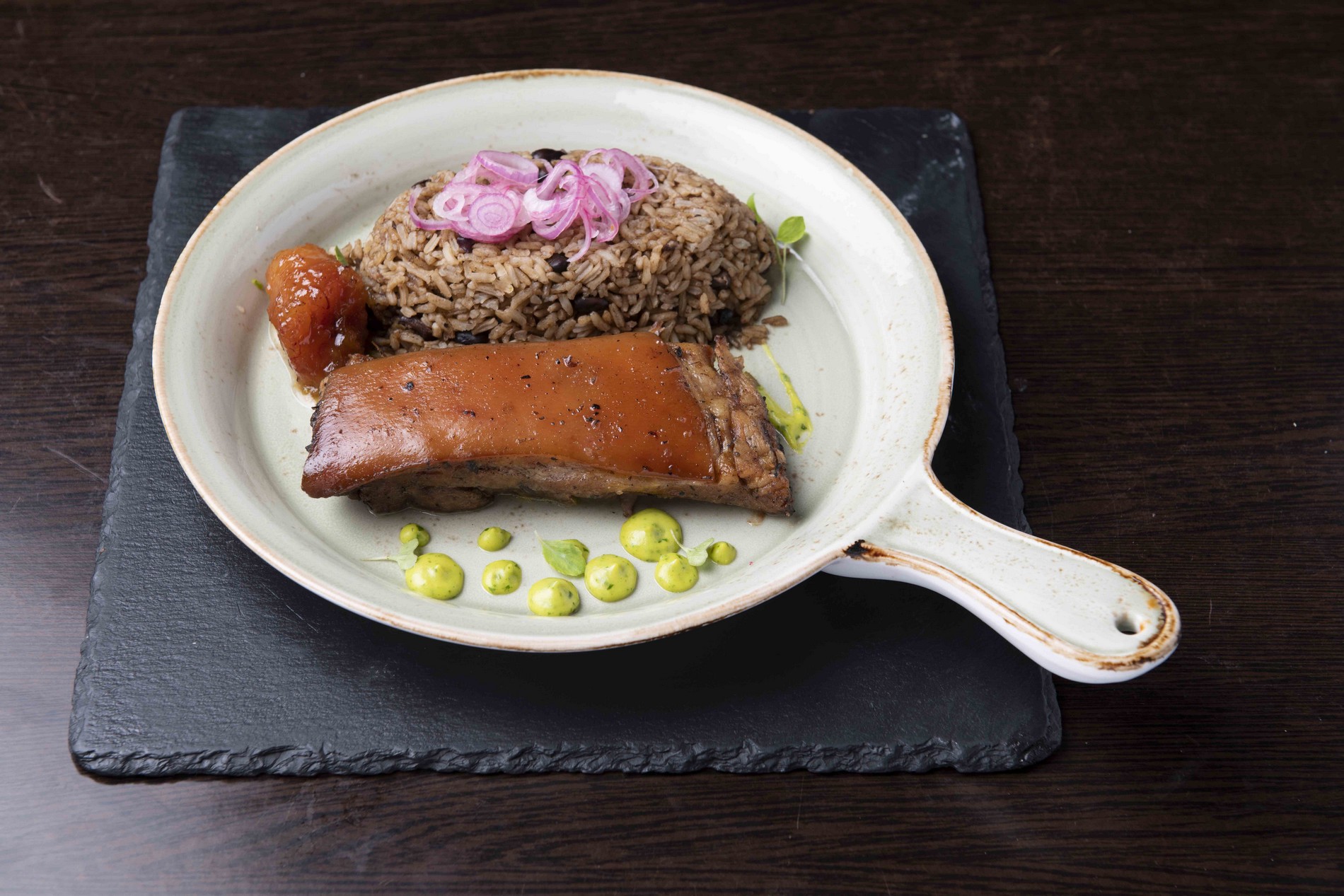
Il locrio dominicano is a classic of Dominican creole cuisine and resembles the famous Spanish paella, of which it is essentially the Caribbean cousin. It consists of rice and meat cooked together, often enriched with olives and corn. Sometimes this delicious rice is also accompanied by prawns, shrimp, herring, sardines, and cod, reflecting the Spanish influences in the local gastronomy.

L’asopao is a soup whose basic version is prepared with Dominican rice, chicken, tomato, and a pinch of coriander. There are many varieties, more or less refined and elaborate, depending on the chosen ingredients, but in any case, Dominicans recommend it as the best restorative after a long night of dancing and partying.
[caption id="attachment_220489" align="alignnone" width="1500"]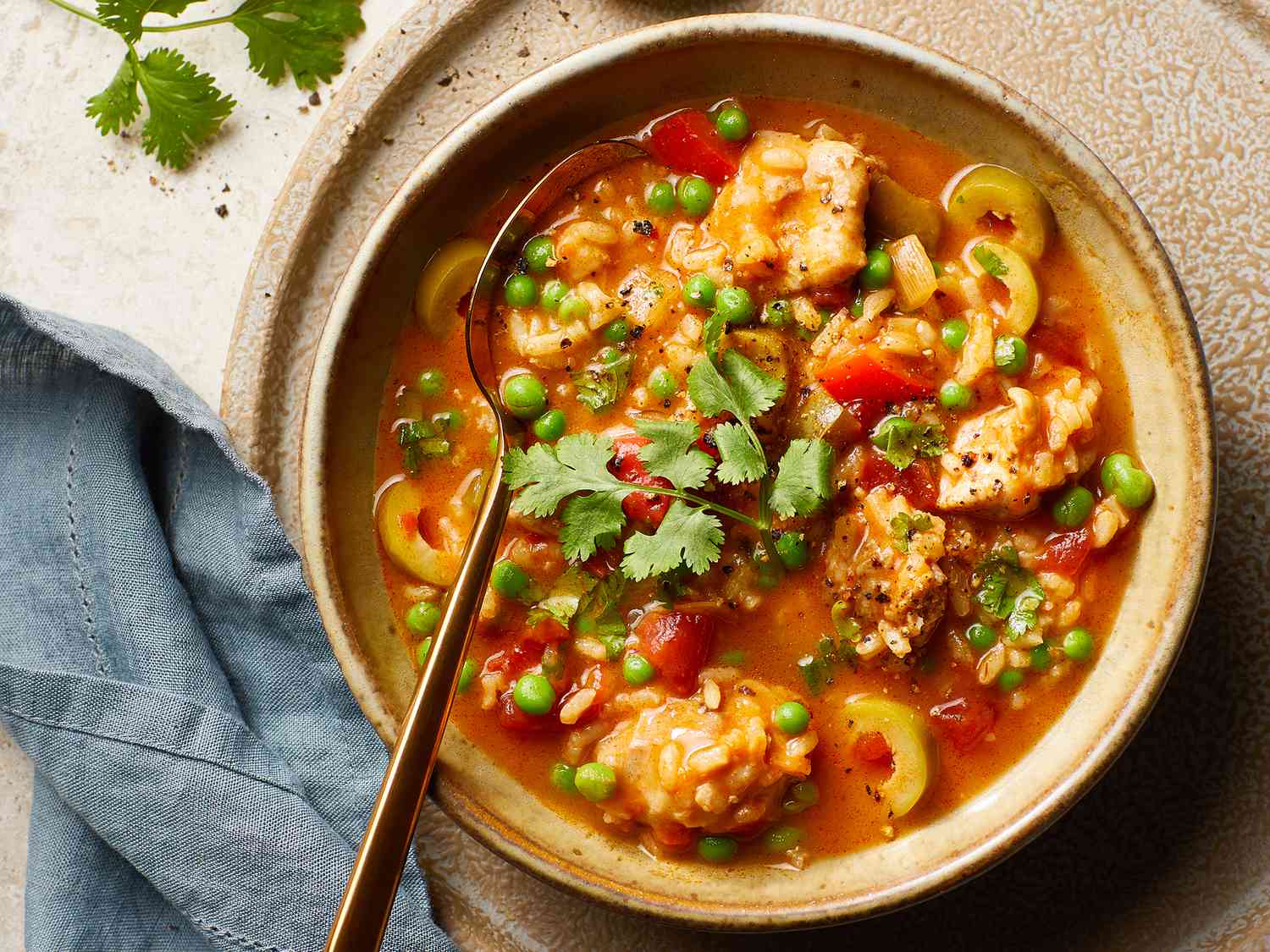 Asopao de pollo
Pica Pollo
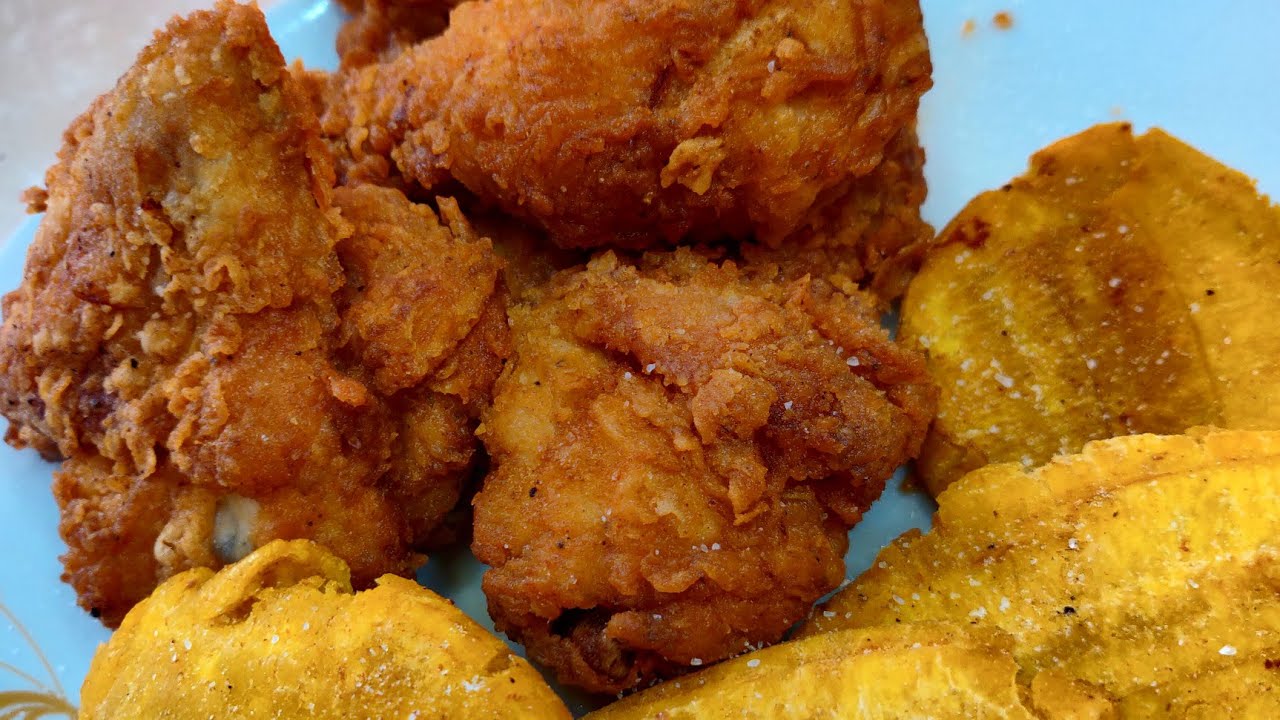
Another dish for true foodies is pica pollo. This expression simply means fried chicken pieces that are truly irresistible. The secret of their goodness and characteristic flavor is based on preparation: excellent flour for the batter, frying to the right point to make it crispy, and all the aroma of Dominican oregano.
Tostones
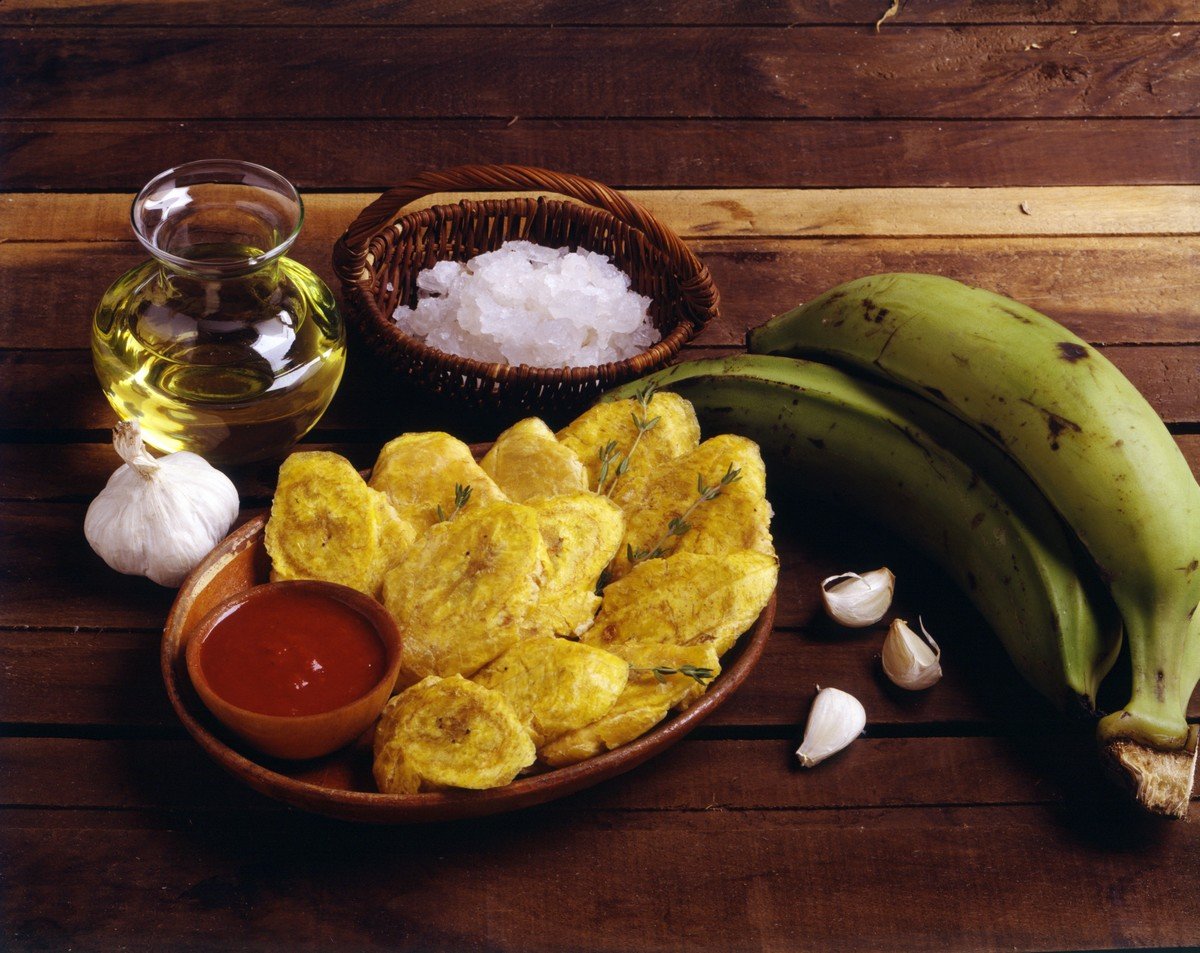
Tostones are an essential complement and side dish in Dominican recipes. They are slices of green Dominican plantain fried, seasoned with a pinch of salt and sometimes vinegar and garlic. The final result is quite similar in flavor and texture to our French fries.
Yaniqueques
Yaniqueques are the country’s most typical snack: a dough made of wheat flour, baking soda, water, and salt. The name derives from the distortion of the Anglo-Saxon “Johnny Cakes“, cookies of American origin whose name arrived in the Samaná area along with black slaves from the United States and the Antilles and from there spread, in its savory variant, throughout the country.

Bollitos de Yuca
Bollitos de yuca are another delicious snack of Dominican cuisine: balls of Dominican yuca fried in a pan. They are usually filled with cheese, but on the beaches, they can also be found filled with crab meat.

Empanaditas di yucca
Empanaditas di yucca, similar to bollitos, however have the shape of a small empanada (a half-moon relative of our panzerotti) and are filled with meat. They are flavored, as desired, with oregano, cumin, or mint, reflecting the African influences in the local cuisine.
Dominican salad
Also indispensable are the salads: the traditional Dominican one consists of lettuce and tomato but they are practically made with all the vegetables one desires, often including tropical fruit for a touch of freshness.
Dominican sweets
Dominican cuisine also has a great variety of sweets and desserts, often using natural local ingredients.
Mangú
We cannot forget mangú, a typical Dominican breakfast dish made with boiled and mashed Dominican plantain, often served with eggs, fried cheese, and salami.
Dulce de leche
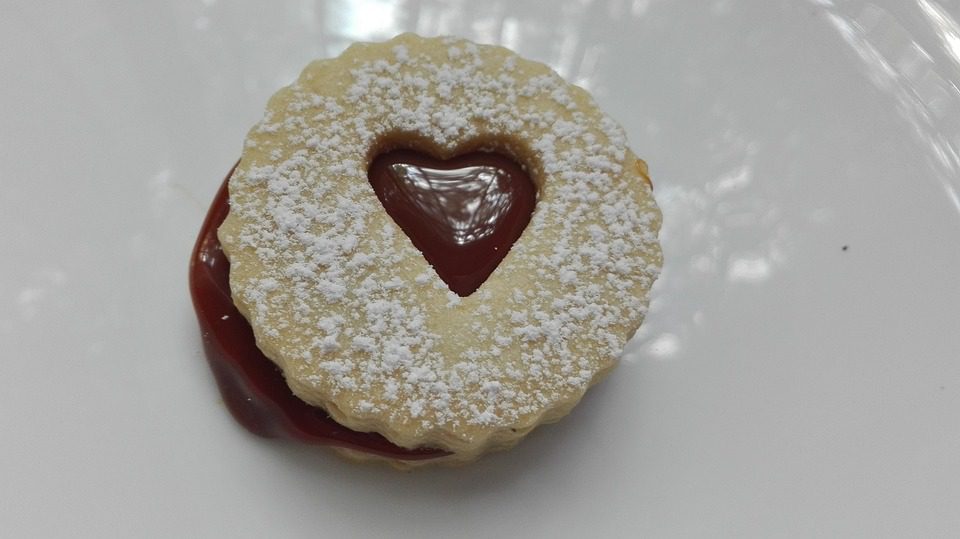
The most well-known are dulce de leche, common throughout the Caribbean area and Latin America in its flavored variants, majarete (a milk and coconut cream, typical of the southern area of the Dominican Republic), and dulce de coco, a light dessert similar to a pudding, made with corn flour, coconut milk, sugar, cinnamon, and powdered vanilla. Another traditional sweet is habichuela con dulce, a dessert based on red beans, coconut milk, and sweet spices.
Dominican Republic: see also
Christmas Dishes in the Dominican Republic
The Christmas breeze can already be felt: this is the recurring phrase among Dominicans as the holidays approach, when the streets begin to fill with music and Christmas songs, and the atmosphere is festive and joyful even in bars, restaurants, and shops. For those who choose to spend the holidays in the Dominican Republic, it means entering this festive and fun atmosphere and being wrapped by the warmth of the sun and sand, immersing themselves in a sea with a thousand shades of turquoise and green, and staying in one of the many resorts and boutique hotels overlooking the beaches and surrounded by palm trees. And naturally, trying the typical recipes of this period, because even in the tropics the holidays are celebrated mainly at the table, with the colors and flavors of traditional dishes, sometimes “contaminated” by international recipes.
Cerdo Asado
Nochebuena, Christmas Eve on December 24th: the main dish is cerdo asado, roast pork, tender and flavorful, prepared with a mix of aromatics, oil, lemon juice, and salt that is spread on the meat before baking. It is usually served with moro del guandules, a dish made with Dominican-style rice and pigeon peas (a type of pea very popular in the Caribbean), which can be prepared with or without the addition of coconut, typical of the Samaná area but widely adopted by the rest of the country. Another typical dish that accompanies cerdo asado is ensalada rusa o ensalada de papas dominicana, very similar to our Russian salad but with pink mayonnaise because among the ingredients are beets.

Empanaditas and Pastelitos
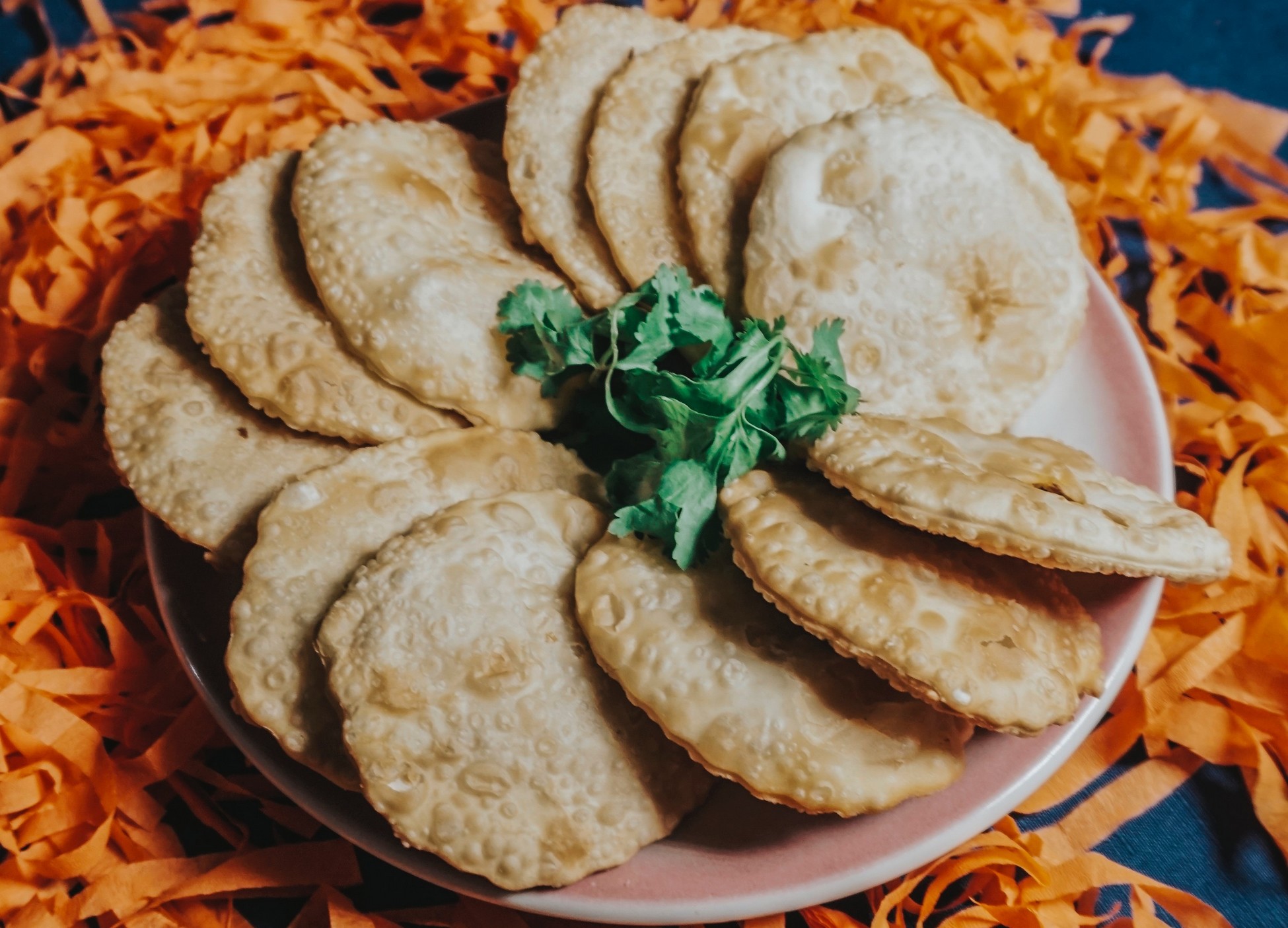
Tapas or picaderas as appetizers: among these are empanaditas and pastelitos, the first shaped like a half-moon, like a panzerotto, the others round, resembling ravioli. The base is similar to puff pastry, then they are stuffed as desired with meat, vegetables, fish, and fried in a pan.
Guipe
Quipe the Dominican version of Lebanese kibbeh, introduced to the country by Middle Eastern migrants who arrived on the island in the second half of the 19th century. Today quipe is one of the picaderas most loved by Dominicans: these slightly elongated meatballs are made with ground meat, cracked wheat, filled with a mix of onion, garlic, parsley, pepper, and then fried in hot oil.
Canastas de plátano verde
New Dominican cuisine, rich in flavors and colors, also enjoyed at Christmas. Like the canastas de plátano verde stuffed with meat, meaning small baskets made from slices of Dominican plantain first fried, then shaped into a rounded form and filled with ground meat seasoned with vegetables and spices.

Telera
Telera, a homemade long bread of yellow color that very much resembles the shape of the classic baguette. In the past it was kneaded with pork lard and many egg yolks, hence the intense yellow color; today less fatty ingredients and fewer eggs are used, and to maintain the traditional yellow shade, a food coloring is added.

Ponche navideño
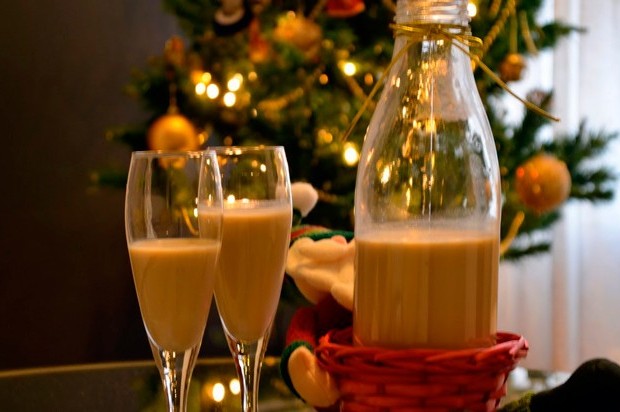
Ponche navideño, often gifted among friends and family, exchanging family recipes. A creamy drink made with milk, egg yolks, spices, and a touch of rum. Served cold during Nochebuena.
The gastronomy of the Dominican Republic offers a wide range of typical dishes that reflect the rich history and diverse cultural influences of the country. From Caribbean flavors to Spanish and African influences, Dominican food is a true culinary treasure worth exploring during a visit to this fascinating Caribbean nation.


