


Traditional Dominican Dishes: A Journey Through the Gastronomy of the Dominican Republic
Dominican food is a fascinating blend of the native Taino culinary heritage, Spanish gastronomic traditions, and African influences. Over time, the gastronomy of the Dominican Republic has evolved, incorporating elements from Haitian, “cocola” (a Dominican term for people of Afro-Antillean origin), Arab, and Chinese cuisines. This vibrant melting pot has created a varied and flavorful Caribbean cuisine, inviting you to discover new tastes.
- Traditional Dominican Dishes: A Journey Through the Gastronomy of the Dominican Republic
- Sancocho
- La Bandera
- El Moro
- Dominican Locrio
- Asopao
- Pica Pollo
- Tostones
- Yaniqueques
- Bollitos de Yuca
- Yucca Empanaditas
- Dominican Salad
- Dominican Desserts
- Mangú
- Dulce de leche
- Dominican Republic: see also
- Christmas Dishes in the Dominican Republic
- Cerdo Asado
- Empanaditas and Pastelitos
- Quipe
- Canastas de plátano verde
- Telera
- Ponche navideño
A direct descendant of its Spanish namesake, sancocho is arguably the best-known dish in Latin American and especially Dominican kitchens. Somewhere between a soup and a stew, it’s prepared for special occasions with beef, Dominican yuca, potatoes, Dominican plantain (the green banana used in countless dishes), coriander, and other herbs that give it its distinct, exquisite character.

La Bandera
La Bandera is the quintessential Dominican meal, a must on every table. It consists of Dominican-style rice, beans (usually black or red), and meat, all served together on one plate. A simple yet delicious dish, it’s the very expression of Caribbean flavors and cherished Dominican recipes.

El Moro
Moro is rice cooked together with beans (black or red) and typically served with meat or eggs. Its northern variation, moro de guandules con coco, features coconut and guandules (pigeon peas), delivering a flavor unique to the region.
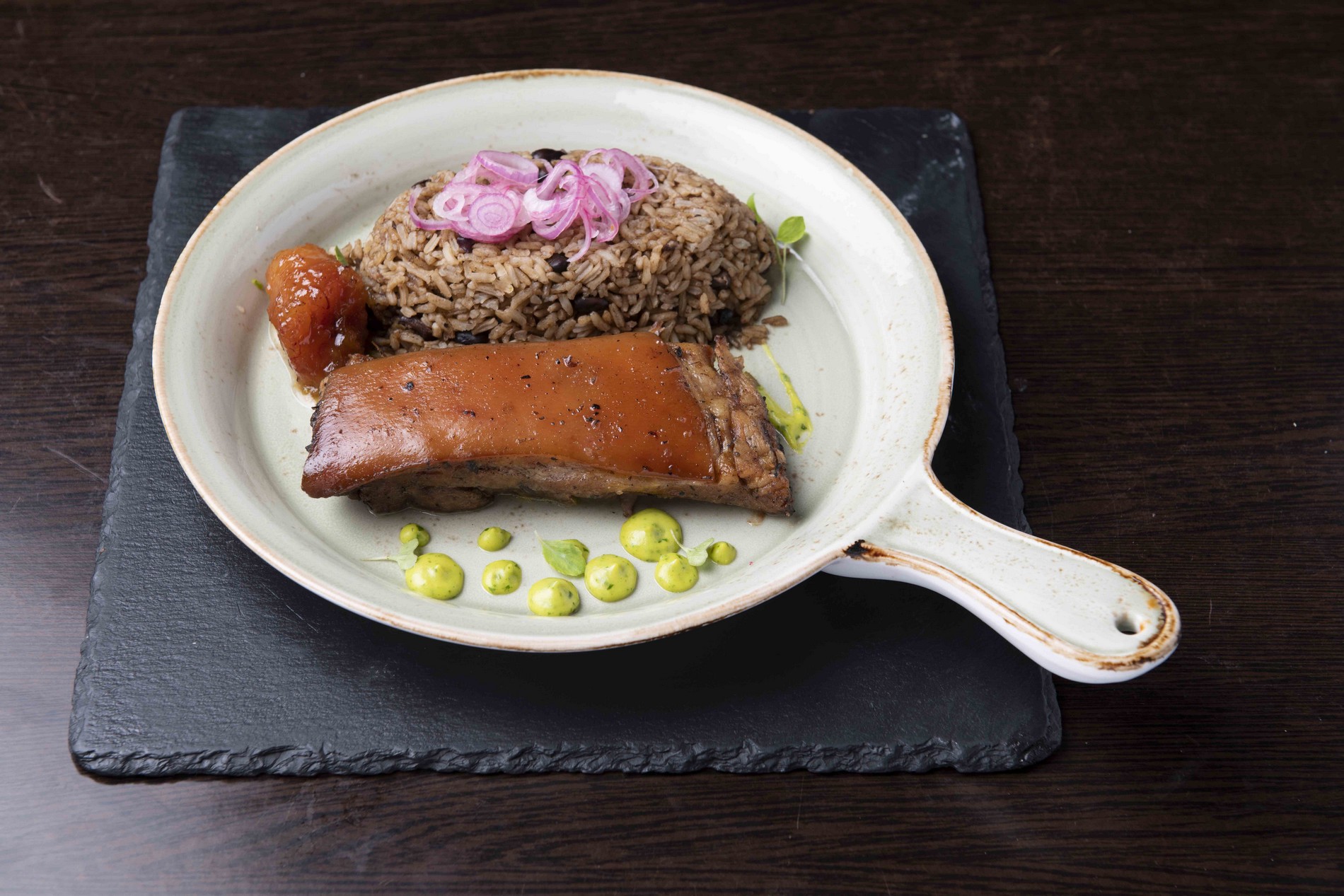
Dominican Locrio
The classic locrio dominicano is a staple of Dominican Creole cuisine, closely resembling the famous Spanish paella: rice and meat cooked together, often enhanced with olives and corn. Some versions feature shrimp, prawns, herring, sardines, or cod, reflecting Spanish influences in local cooking.

Asopao
Asopao is a hearty soup, classically made with Dominican rice, chicken, tomato, and a hint of cilantro. There are numerous variations depending on the choice of ingredients, but Dominicans often recommend it as the ultimate comfort food after a long night of dancing and celebration.
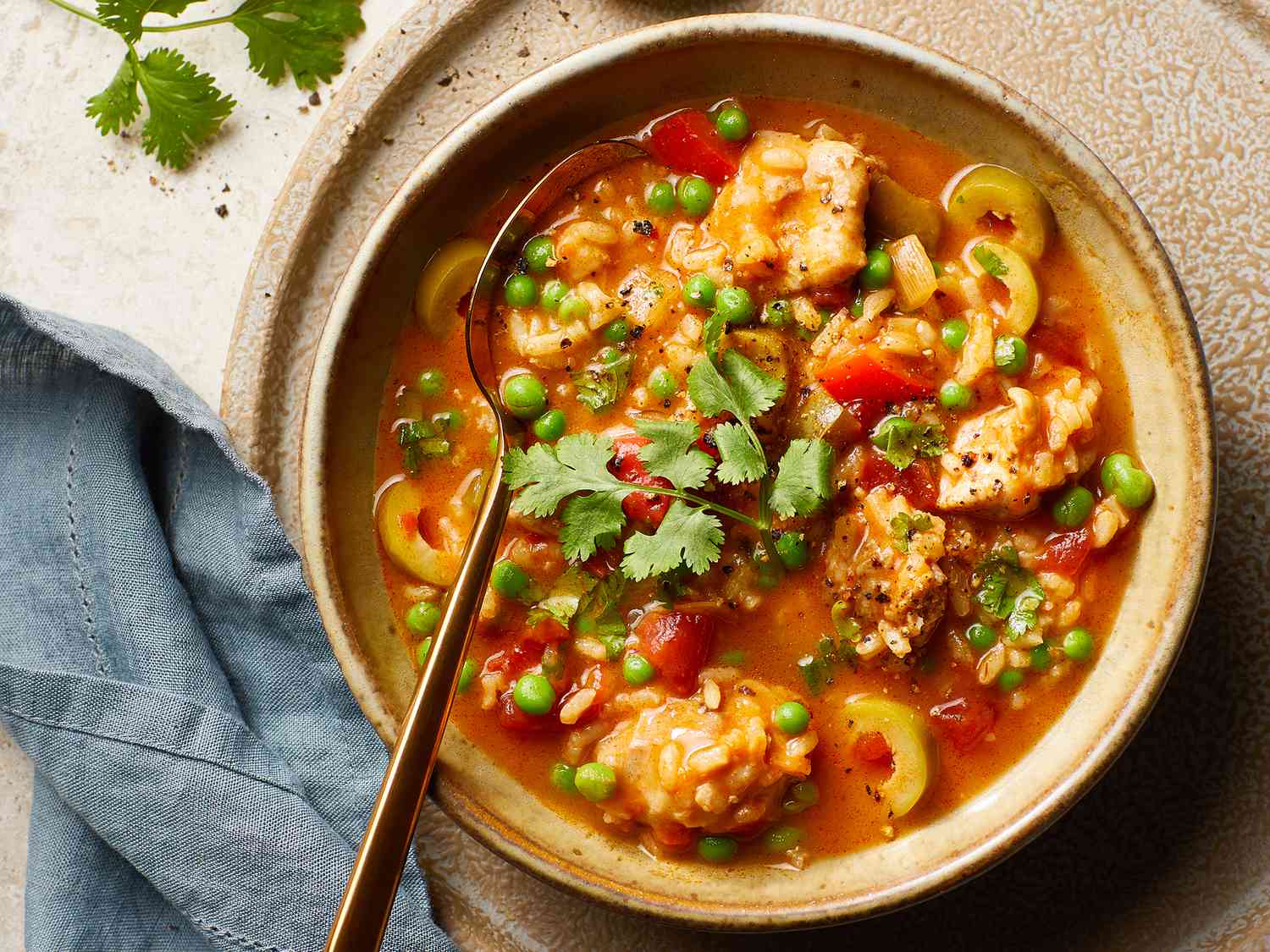
Pica Pollo
Another favorite is pica pollo: simply fried chicken pieces, but incredibly tempting. The secret is in the preparation: a high-quality batter, expertly fried to achieve crispiness, and the aroma of Dominican oregano.
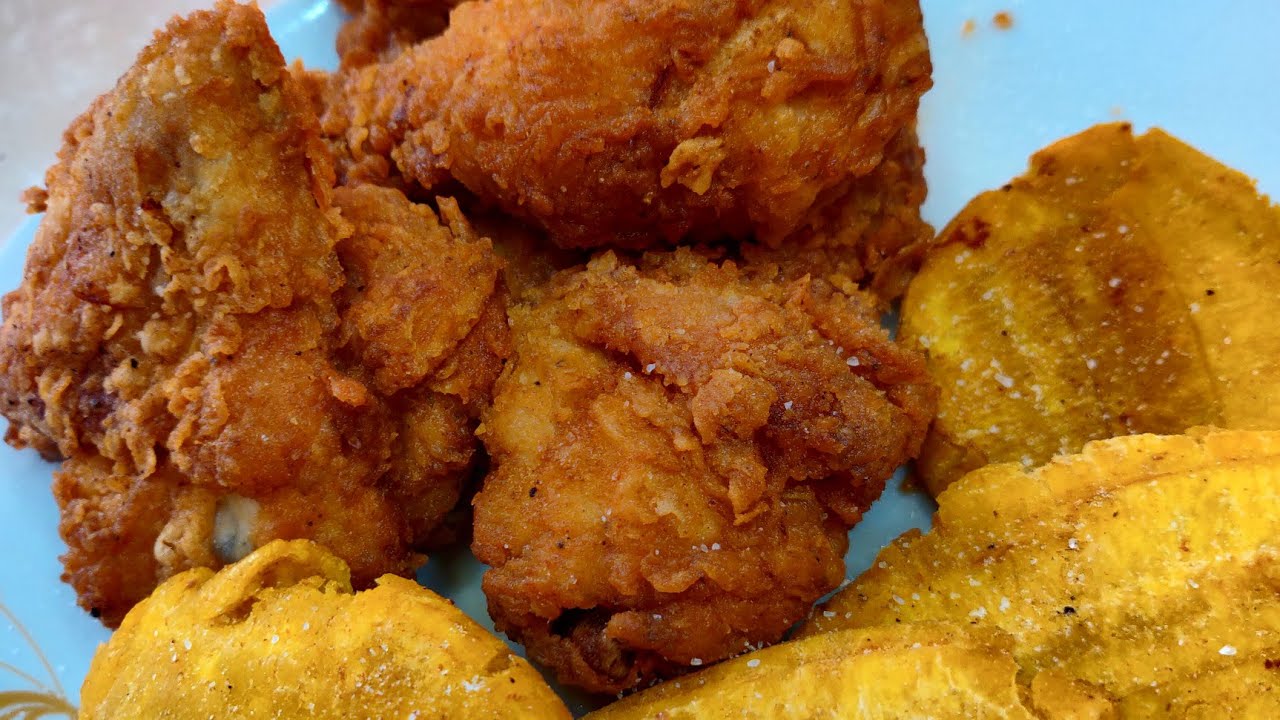
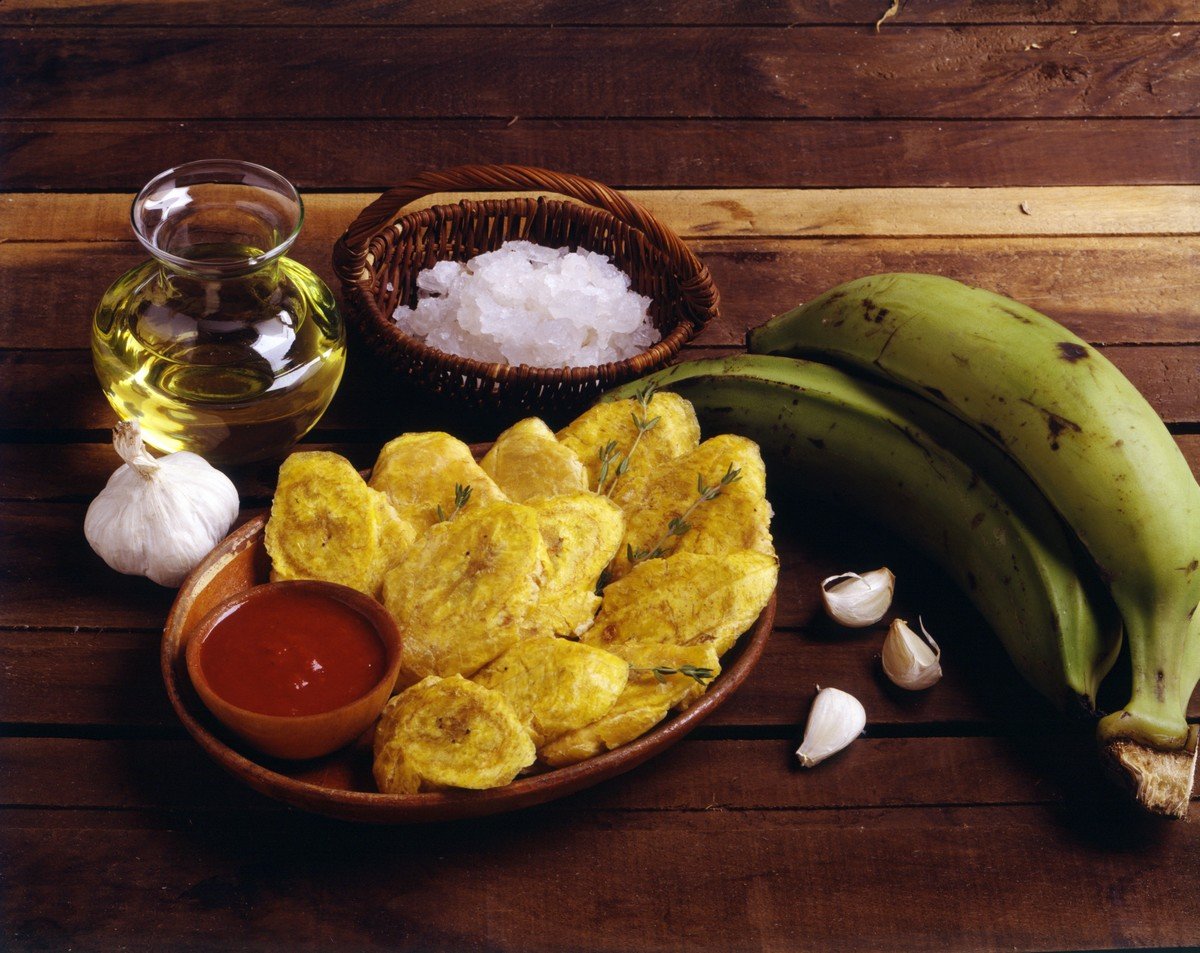
Tostones
Tostones are essential as a side in Dominican cuisine. These are fried slices of green Dominican plantain, seasoned with a bit of salt, and sometimes vinegar and garlic. Their texture and taste are reminiscent of classic French fries.
Yaniqueques
Yaniqueques are the country’s signature street snack: dough made from wheat flour, baking soda, water, and salt. The name comes from a local twist on “Johnny Cakes,” the American snack that arrived in Samaná with enslaved people from the US and the Antilles, and over time became a beloved savory treat all over the country.

Bollitos de Yuca
Bollitos de yuca are another delicious Dominican snack: fried balls made from Dominican yuca, traditionally filled with cheese but, on the beaches, sometimes stuffed with crab meat.

Yucca Empanaditas
Empanaditas de yucca, similar to bollitos but shaped like small empanadas (crescent-shaped turnovers similar to Italian panzerotti), are stuffed with meat and flavored to taste with oregano, cumin, or mint—showcasing the African influences in Dominican cooking.
Dominican Salad
No meal is complete without salads: the traditional Dominican salad is lettuce and tomato, but you can use nearly any fresh vegetable, often adding tropical fruits for zest and color.
Dominican Desserts
The country also boasts an array of desserts, often made with regional natural ingredients.
Mangú
Don’t miss the mangú: a breakfast staple made from boiled and mashed Dominican plantains, typically served with eggs, fried cheese, and salami.
Dulce de leche
Among local favorites are dulce de leche, found throughout the Caribbean and Latin America; majarete (a creamy milk and coconut dessert from the south of the country); and dulce de coco, a light pudding made with cornmeal, coconut milk, sugar, cinnamon, and vanilla. Another classic is habichuela con dulce, a unique sweet treat made from red beans, coconut milk, and warm spices.
Dominican Republic: see also
Christmas Dishes in the Dominican Republic
Ya se siente la brisa navideña is a familiar phrase among Dominicans as the holidays approach and streets fill with festive songs and music. Spending the holidays in the Dominican Republic means soaking up joyful energy, enjoying the sun, the sand, the turquoise and green hues of the sea, and relaxing at stunning resorts and boutique hotels along the shore. And, of course, savoring the special recipes of the season—because even in the tropics, celebrations happen at the table, with a vibrant mix of traditional and international dishes.
Cerdo Asado
Nochebuena—Christmas Eve, December 24: the star dish is cerdo asado, succulent roast pork marinated with spices, oil, lemon juice, and salt before roasting. It’s typically served with moro de guandules: Dominican-style rice with pigeon peas, sometimes cooked with coconut—a beloved version from Samaná that’s now enjoyed nationwide. Also on the side: ensalada rusa or ensalada de papas dominicana, similar to traditional Russian salad but featuring pink mayonnaise made with beets.

Empanaditas and Pastelitos
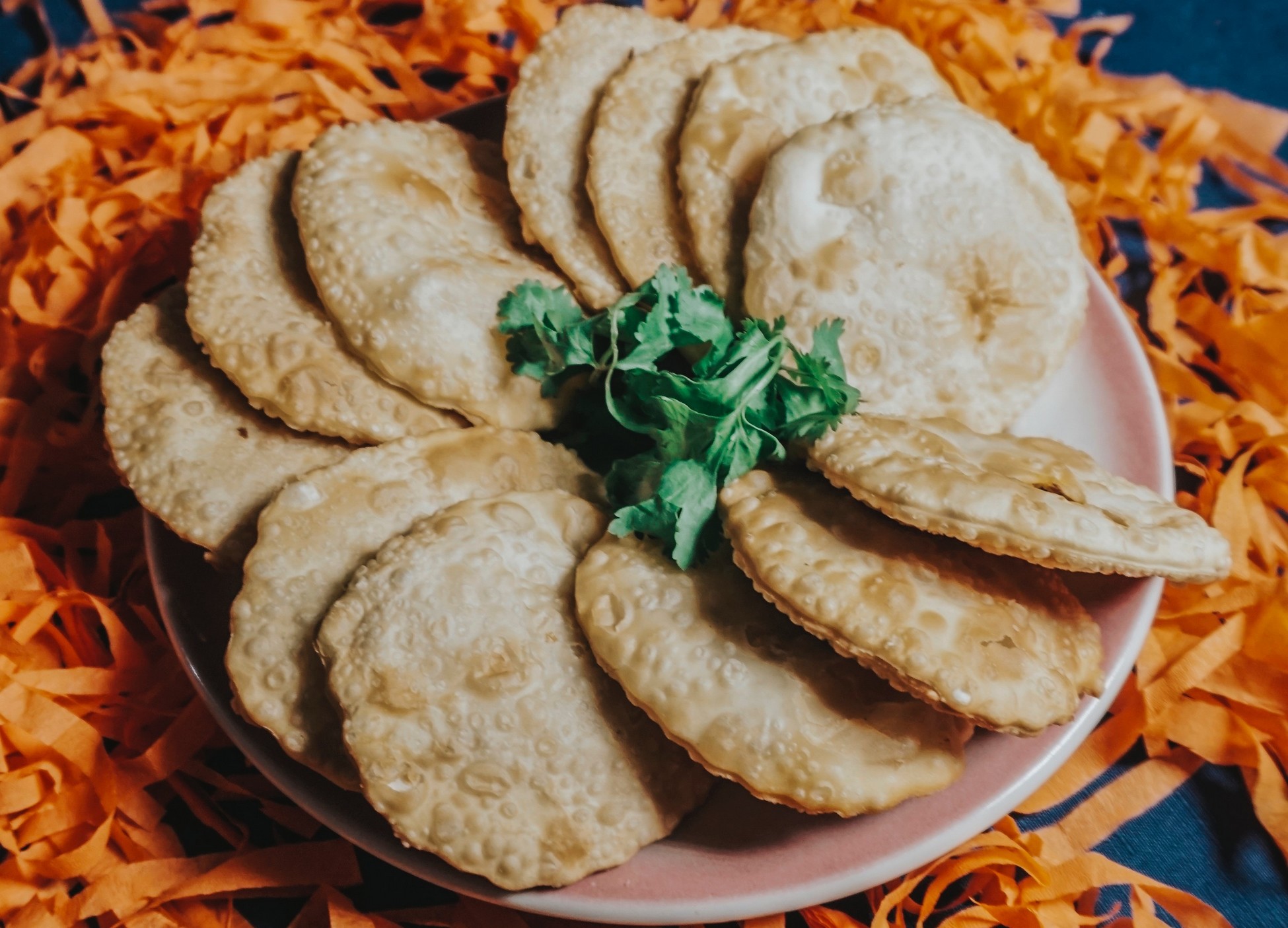
Tapas or picaderas are classic appetizers—especially empanaditas (crescent-shaped, like panzerotti) and pastelitos (small and round, reminiscent of dumplings). Both use a pastry-like dough, filled as desired with meat, vegetables, or fish, then fried to golden perfection.
Quipe
Quipe is the Dominican take on Lebanese kibbeh, introduced by Middle Eastern immigrants in the late 19th century. Today, it’s a favorite on the picaderas platter: these slightly elongated meatballs, made with ground beef and bulgur wheat, filled with a blend of onion, garlic, parsley, and pepper, are fried until crisp and golden.
Canastas de plátano verde
Part of nueva cocina dominicana (modern Dominican cuisine), canastas de plátano verde are little baskets made from fried green plantain slices, shaped and filled with seasoned ground meat and vegetables.

Telera
Telera is a homemade yellow bread, long and shaped like a baguette. Once made with pork lard and lots of egg yolks, it now uses lighter ingredients and less egg, relying on food coloring for its traditional yellow hue.

Ponche navideño
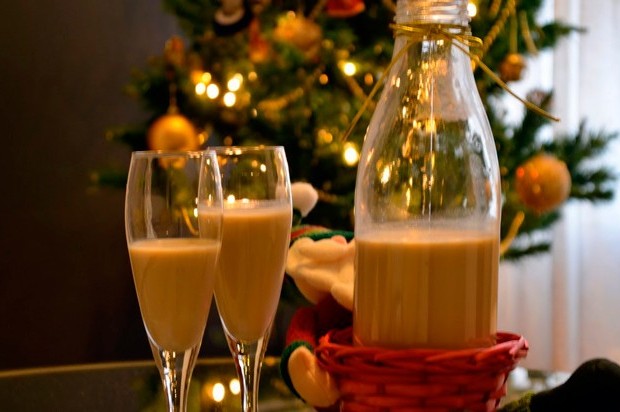
Ponche navideño is a creamy holiday drink, often exchanged among friends along with family recipes. Made with milk, egg yolks, spices, and a dash of rum, it’s served cold during Nochebuena.
The gastronomy of the Dominican Republic offers a wide variety of signature dishes that reveal the country’s rich history and diverse cultural influences. From Caribbean flavors to Spanish and African heritage, Dominican food is a culinary treasure worth discovering on any trip to this captivating Caribbean nation.



