

La República Checa nació el primero de enero de 1993 tras la escisión más que pacífica de la antigua Checoslovaquia. Hoy es una república con un territorio sin salida al mar, con fronteras todas terrestres y bien definidas: Polonia al norte y Austria al sur; Alemania al oeste y Eslovaquia al sureste.
La estructura está dada por regiones, que han mantenido intacto su gran patrimonio de historia, costumbres y tradiciones: Bohemia, al oeste; Moravia, al este. Y una parte de Silesia, al norte.
La población (unos diez millones de habitantes y una densidad de 132 habitantes por kilómetro cuadrado) reúne dos grupos del mismo tronco eslavo: los bohemios, que son la mayoría, y los moravos, alrededor del 30%, asentados en la región homónima. Desde el punto de vista turístico, Praga, la capital, ciudad milenaria con un encanto magnético e inquebrantable, sigue siendo sin duda el recurso número uno del país, pero no el único, ya que en la larga lista de bienes Unesco Patrimonio de la Humanidad figuran nada menos que 12 sitios y monumentos que se encuentran en la República Checa.
¡Un récord para un estado tan pequeño! Además hay que decir que, en los últimos años, las autoridades turísticas locales se han esforzado mucho para dar a conocer los diferentes rostros del país, promoviendo las formas más variadas de turismo. Desde el turismo natural-ambiental, gracias a territorios vírgenes salpicados de espejos de agua, como los de la Bohemia meridional, hasta el termal y golfístico (en toda la República Checa, se cuentan unas noventa canchas de golf). Desde un turismo que lleva a descubrir las ciudades menores (Brno, Ostrava, Olomuc, Cesky Krumlov…), cuyos centros históricos han sido conservados de manera ejemplar, hasta aquel que permite saborear su gran tradición musical (Smetana, Dvorak, Janacek son solo algunos de los grandes compositores), cultural, folclórica y gastronómica.
Prague capital of the Czech Republic
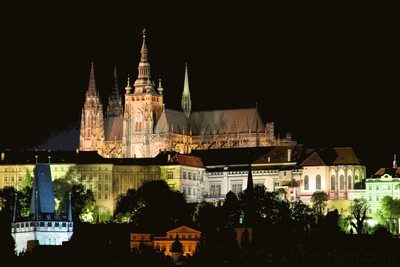
Prague is and remains the queen destination of a trip to the Czech Republic. Its ancient districts, a UNESCO Heritage site, are considered a masterpiece of art and architecture. It is hard not to be enchanted by them. Nestled on the banks of the Vltava and moved by nine hills, the historic center, more than ten centuries old, occupies an area of 866 hectares and displays an incredible mosaic of architectural styles: Romanesque rotundas and Gothic towers; Renaissance homes and palaces; Baroque and Neo-Gothic churches; Jewish synagogues and Christian monasteries; Art Nouveau buildings and constructions with a modern touch.
All connected by a lace of alleys and narrow streets; romantic, sometimes poignant squares and open spaces. Old Town Square with the Astronomical Clock; the splendid Charles Bridge, under which it is delightful to glide by boat admiring so much beauty from the water. The hill with the Castle and all the other symbolic monuments (St. George’s Basilica, St. Vitus Cathedral, Baroque Church of St. Nicholas, Museum of Fine Arts…) make a trip to Prague, even if only a few days, an experience not easily forgotten.
Helped also by the liveliness of the city fabric, with its numerous cafés, several of which are historic or dedicated to Czech writers and men of culture; restaurants, pubs, dance halls, theaters, markets, and a thousand other places of social and cultural gathering. If you are interested in what to see in Prague in 3 days we have created a guide to the Czech capital not to be missed. More insights, instead, can be found in what to see in Prague regardless of how much time you have to visit the capital.
If your wish, instead, is to know about the typical Czech cuisine we refer you to a specific in-depth article with various dishes from the tradition both of Prague and of the entire Czech Republic.
Sheet of the Czech Republic
- Country: Czech Republic
- Area: 78,866 Km²
- Capital: Prague
- Population: 10 million inhabitants
- Language: Czech
- Religion: the majority is atheist, minority Catholic and other religions
- State system: parliamentary republic
- Major cities: Prague, České Budějovice, Brno, Karlovy Vary, Hradec Kralove, Liberec, Ostrava, Olomouc, Pardubice, Plzen, Usti nad Labem, Jihlava, Zlin
Useful Information about the Czech Republic
- Currency: Czech Crown (1 euro = 27.70915 CZK)
- International dialing code: +420
- International vehicle registration code: CZ
- Driving side: right
- Entry documents: ID card or Passport
- Required vaccination: NN
- Electric current: 230 Volts/50 Hz
- Unit of measurement: metric decimal
- Time zone: same time as Italy
- Fixed date holidays: January 1: New Year’s Day; March-April: Good Friday; March-April: Easter; March-April: Easter Monday; Pentecost: 7th Sunday after Easter; May 1: Labour Day; May 8: National Day; July 6: Coronation Day; August 15: Assumption; October 28: St. Wenceslas Day, Patron prince and martyr – Czechoslovakia Independence Day; November 1: All Saints’ Day; December 8: Immaculate Conception; December 25: Christmas; December 26: St. Stephen’s Day
- Climate: temperate climate, with harsh winters and pleasantly warm summers
- Average temperatures: summer varies with highs from about 16°C to 25°C, winter varies from -7°C to 2°C
- Transportation: National airline Czech Airlines and many others operate flights to and from the Czech Republic: Alitalia, Easyjet, Ryanair, SkyEurope, etc. The Czech Railways connect the country with major European cities
- Airports: Prague and Brno