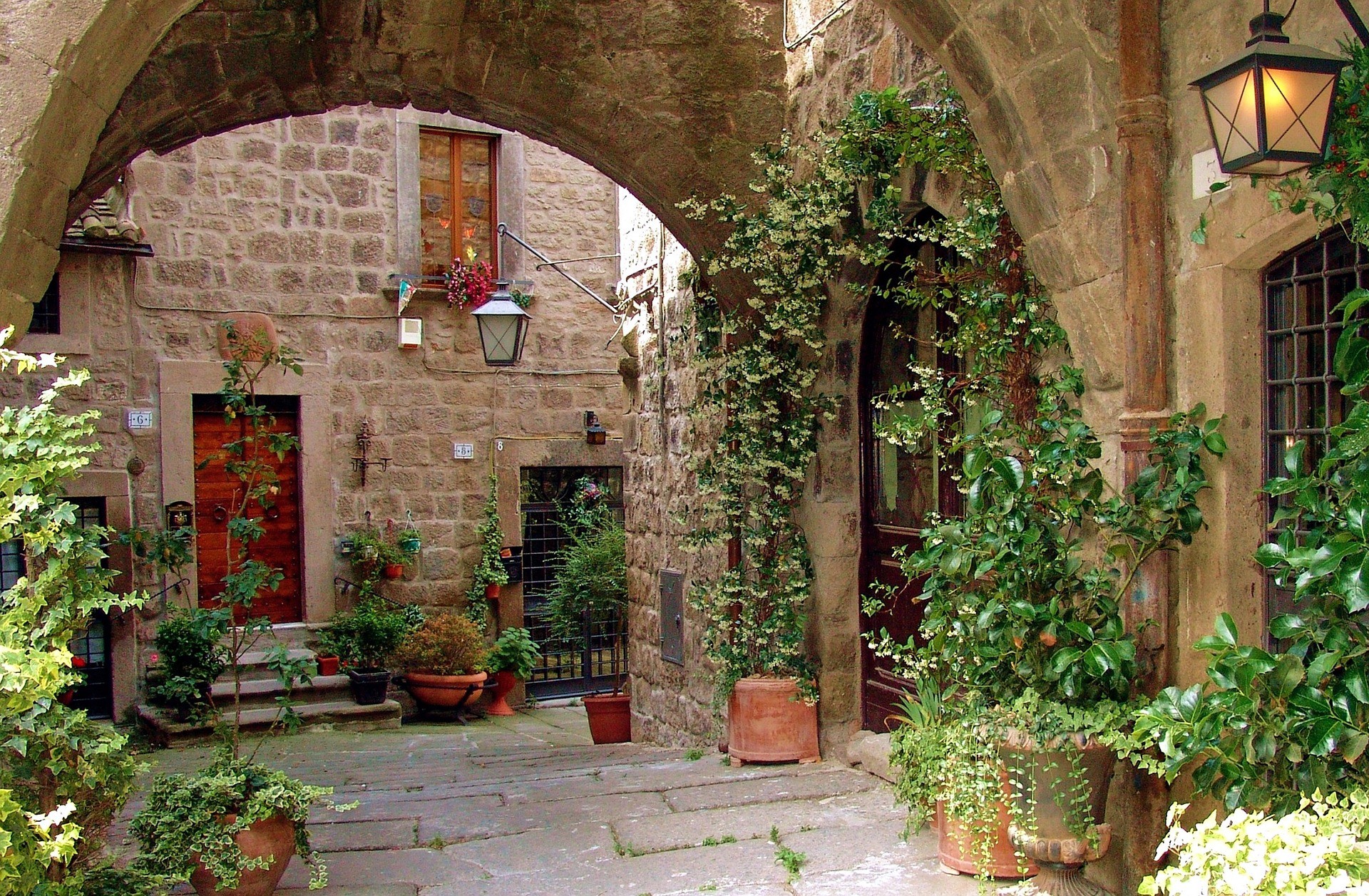


Geneva is an elegant French-speaking city in Switzerland nestled on the southwestern tip of Lake Geneva, a crescent-shaped lake that embraces it, protects it, and enhances it. Its geographical profile is shaped by moraine hills, animated by the waters of the Lake and a lively Rhône River.
1 Geneva at a glance
At first glance, it appears to the tourist as an overly complex puzzle, not easy to understand, with all those streets, bridges, passages and underpasses, parks, boulevards, dizzying water jets on the lake, glass palaces and air conditioning, hypermodern neighborhoods and monuments.
A whirlwind of styles, characters, moods, and atmospheres that, if savored little by little, allow you to understand how unique this city is, which now belongs to the whole world.

Geneva places of interest
2 International District
Meeting point of a thousand cultures, languages, and traditions, Geneva is known as the city of institutions and international organizations, of the UN, the WTO, the Red Cross and the Crescent, the World Health Organization. It is the city of diplomacy, of a culture of meeting palpable in every expression. And that’s not all, because Geneva is also the city of great fairs (who has never heard of the International Motor Show?), exhibitions, important conferences; of high finance and top industry; of a strongly ethical and Calvinist capitalism.
3 Geneva, Old Town
From an urban planning perspective, Geneva is practically three cities in one: the Old Town or Vieille Geneve, resting on a gentle hill south of Lake Geneva. You can start from the Pont du Mont Blanc, the first of the eight bridges connecting the banks of the Rhone as it flows out of the lake. To visit: l’Ile Rousseau, a polygonal islet covered by a garden, with the statue that Geneva dedicates to the philosopher and thinker, its illustrious citizen; the remains of the Tour, with the plaque commemorating Julius Caesar’s passage in 58 BC. We recommend diving into the evocative network of low medieval streets, savoring the Romanesque-Gothic lines of the Cathedral or the late Renaissance style of the splendid Hotel de Ville.

4 Geneva Cathedral
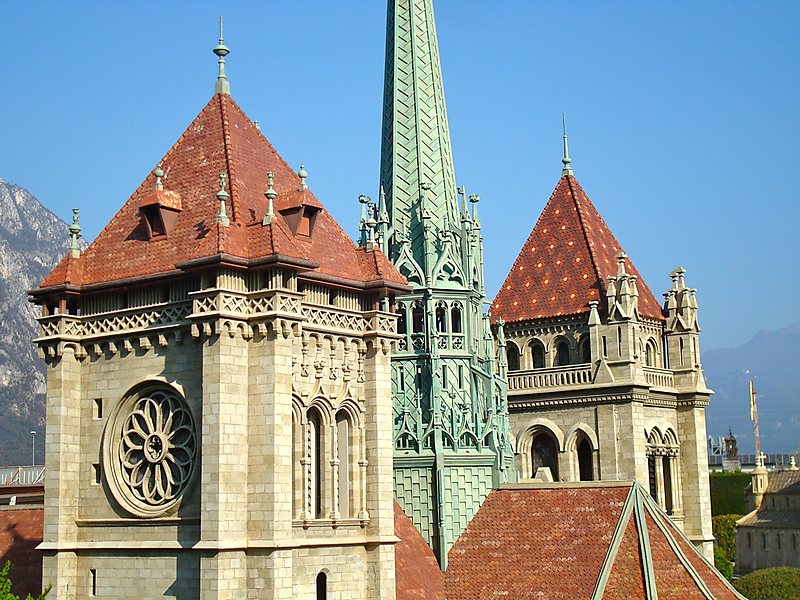
The Cathedral of St. Peter, located atop the old town, is one of the most interesting places in Geneva. The style of the church ranges from Gothic to Romanesque to Neoclassical architecture. The cathedral hosts Protestant rites and is the most important place of worship in the city. The church was the city’s cathedral from the late 4th century until 1535, the year of the Protestant Reformation. From the north tower of the three-nave building in the historic center of Geneva, there is a beautiful view of the city and the lake.
5 Reformers’ Wall
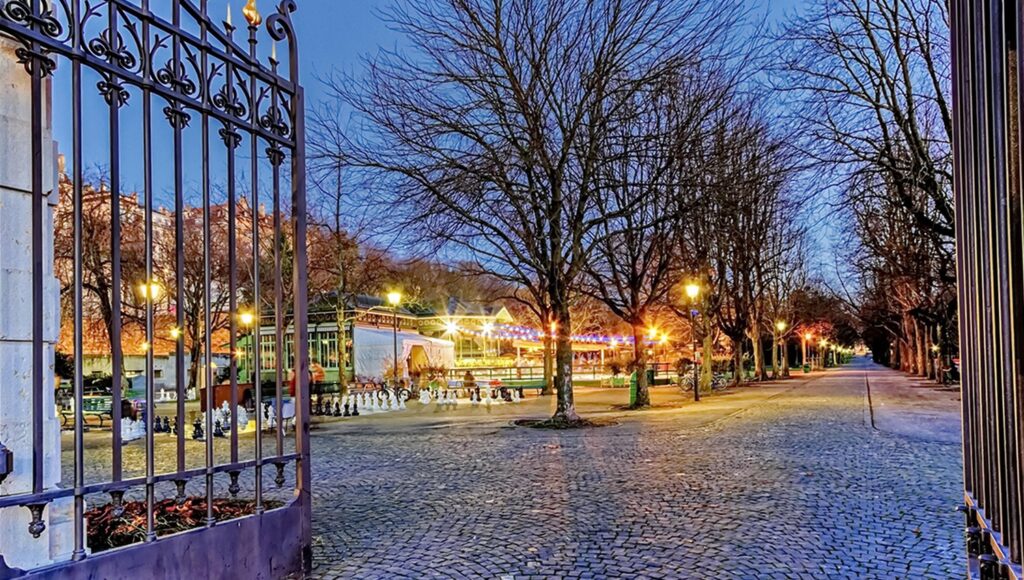
The International Monument to the Reformation, also known as The Reformers’ Wall, is a monument located inside the Parc des Bastions in Geneva. The great figures of the Reformation are depicted in the form of gigantic statues and bas-reliefs. At the center stand John Calvin, William Farel, Theodore Beza, and John Knox. On the sides are represented the personalities who spread the Reformation in Europe. It is a symbolic place of the city, worth a visit.
6 Right Bank, Palace of the United Nations
The Right Bank, the right bank of Geneva is dotted with the palaces of diplomacy and international organizations: the Palace of the United Nations, in whose courtyard stands the famous Armillary Sphere, a work by the sculptor Paul Manship; here is also the International Red Cross and Red Crescent Museum and many others, from lush parks and gardens (the Parc Mon Repos or the pharaonic Botanical Garden), luxury hotels, and representative palaces.

7 Rive Gauche, Museum of Ancient Art and History
The Rive Gauche, the left bank, on the other hand, is full of banks, commercial and financial institutions, watchmakers and jewelers. Here you can also find the University, the Museum of Ancient Art and History, the Museum of Modern Art, and the Baur Collection dedicated to Oriental art.
8 Geneva, Jet d’eau
This is where you can admire the famous jet d’eau, the water jet about 140 meters high, operating from March to October. The jet d’eau has become a symbol of Geneva over time. It was built as a pressure relief valve for the pressurized water pipeline of jewelers’ machinery. However, already at the end of the 19th century, the decision was made to raise and illuminate the jet d’eau. Today, 500 liters of lake water shoot upwards every second at a speed of almost 200 km/h. The water of the jet, weighing over five tons, is thus constantly in the air. A must-see attraction in Geneva.