


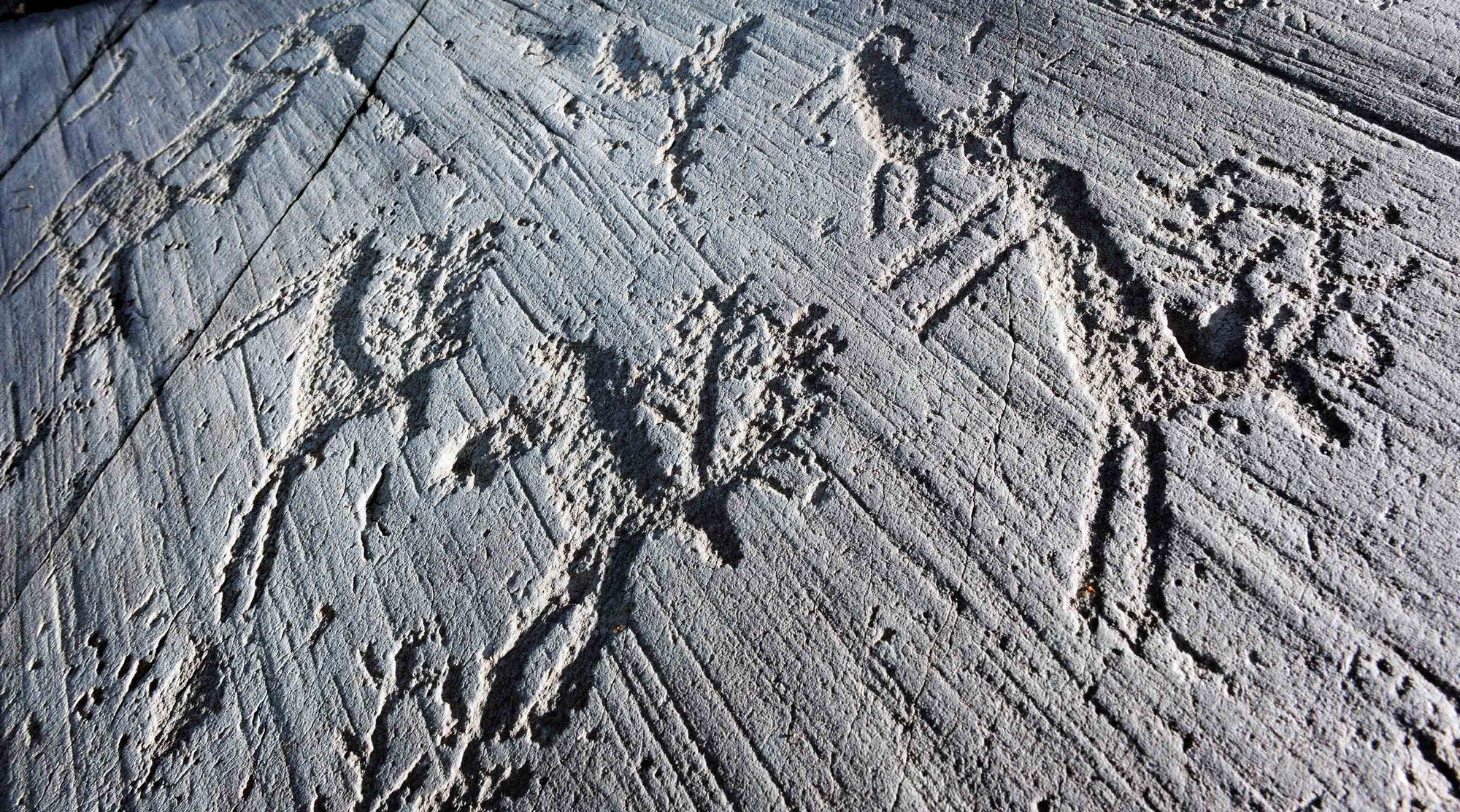

Il National Park of Rock Engravings was established in 1955, the first Italian archaeological park, for the protection and enhancement of one of the most important complexes of rocks with prehistoric and protohistoric engravings in the Valle Camonica. It covers an area of 143,935 sqm in Località Naquane, on the left hydrographic side of the Valle Camonica, between 400 and 600 meters above sea level.
National Park of Rock Engravings in Val Camonica, UNESCO Heritage
Inside it houses 104 rocks, in sandstone smoothed by glaciers, engraved with some of the most famous depictions of the rock art repertoire of Val Camonica, recognized by UNESCO in 1979 as a World Heritage site (site no. 94 “Rock Art of Val Camonica”, the first Italian site listed) for the uniqueness of the phenomenon and for the importance of the scientific contribution that the study of the engravings has brought to the knowledge of human prehistory. Rock art developed in Val Camonica between the end of the Upper Paleolithic (between 13,000 and 10,000 years ago) and the Iron Age (1st millennium BC), a period of particular flourishing of the phenomenon, which however also lasted in the historical, Roman, medieval and modern era.
The Park was established in order to protect, conserve, enhance and promote knowledge of the rock art heritage. Furthermore, as a place of culture, according to the definition of the Cultural Heritage and Landscape Code (Legislative Decree 22 January 2004 no.42, art. 101, c. 2, e: “archaeological park”, a territorial area characterized by important archaeological evidence and the coexistence of historical, landscape or environmental values, equipped as an open-air museum), it is intended for public enjoyment and performs a public service (art. 101, c. 3). In addition to the archaeological constraint, there is also a landscape constraint, established by Ministerial Decree of 14.04.1967.
The Park is state-owned and managed by the Superintendence for Archaeological Heritage of Lombardy, a peripheral body of the Ministry of Cultural Heritage and Activities and Tourism.
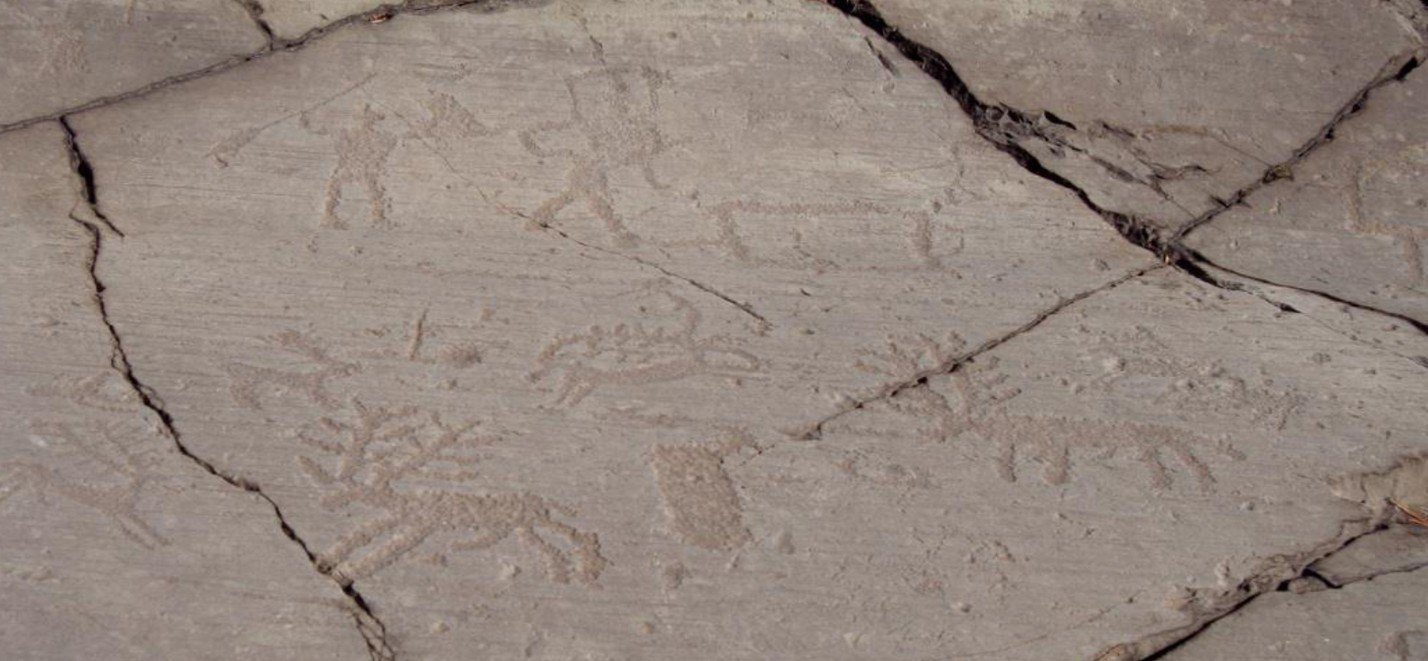
Val Camonica is famous worldwide for its extraordinary complex of rock engravings, mostly dating back to Prehistory. While the iconographic heritage of these ancient populations is well known to the general public, less known are the aspects of their daily life, which have only emerged in the last 30 years thanks to numerous preventive archaeology and research interventions carried out in the Valley. Various settlements, workplaces, places of worship, and burials can be attributed to these communities, who from the Iron Age onwards would be known as Camunni.
National Museum of Prehistory of the Camonica Valley, Capo di Ponte
The National Museum of Prehistory, in Val Camonica, housed in the ancient building of Villa Agostani in the historic center of Capo di Ponte and inaugurated on May 10, 2014, complements the exhibition of artifacts with the heritage of images engraved on the rocks and reassembles, into an inseparable whole, the identity expression of the Camonica Valley.