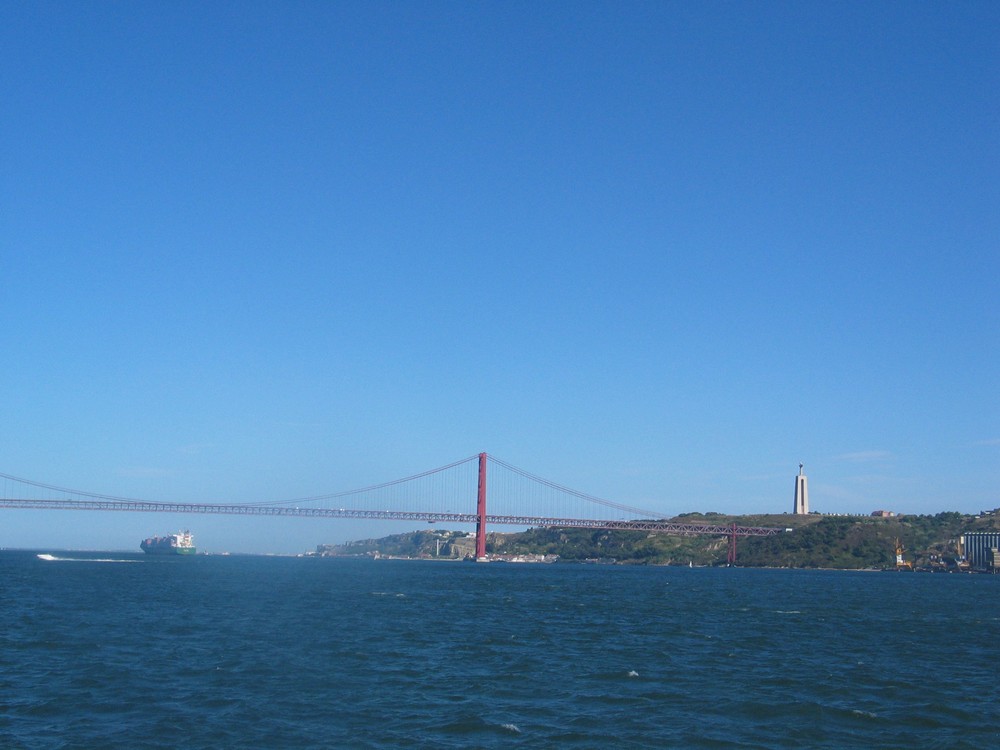


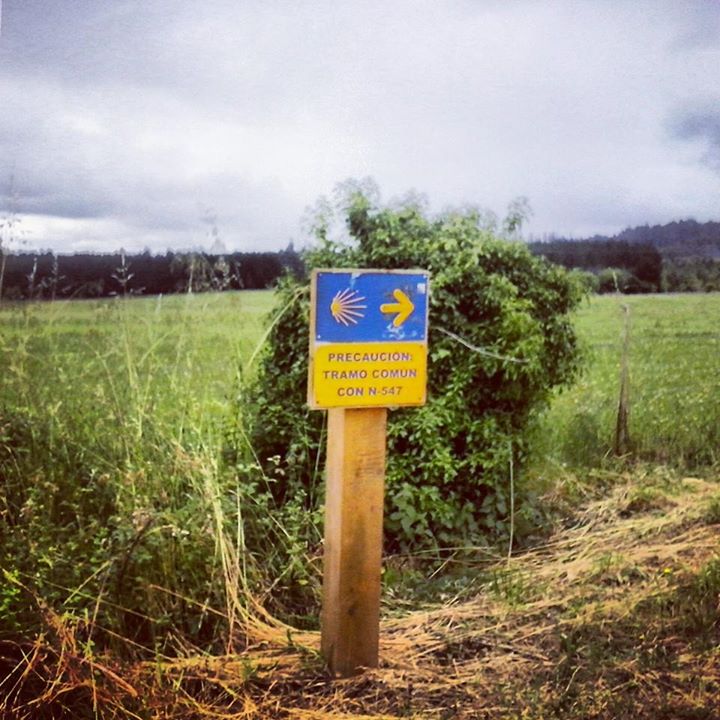

Il Camino de Santiago de Compostela es el camino a pie más transitado y famoso del mundo. En los últimos años, el número de peregrinos ha aumentado desmesuradamente, pasando de 2491 en 1985 a aproximadamente 215.000 peregrinos en 2013. Un recorrido histórico, de hecho, ya en la Edad Media muchos caminantes emprendían este viaje para llegar al santuario de Santiago de Compostela, donde, todavía hoy, se encuentra la tumba del apóstol Santiago el Mayor.
- The Pilgrimage of the Way of Saint James, the Beginnings
- The Roads of Santiago de Compostela
- The French Way of Santiago de Compostela
- Stages of the Santiago walk
- The Aragonese Way of Santiago de Compostela
- The main routes leading to Santiago de Compostela
- The Via Francigena, Italy
- Puente la Reina, the pilgrims’ meeting point
Es difícil circunscribir el camino en un solo sendero; son múltiples, de hecho, las rutas que a lo largo de los años han llevado a los peregrinos a Santiago. Los recorridos más famosos son sin duda el Camino Francés y el Aragonés, pero también el Portugués es muy frecuentado. Precisamente los dos primeros, que involucran las rutas francesas y españolas, han sido declarados Patrimonio de la Humanidad por la UNESCO.
The Pilgrimage of the Way of Saint James, the Beginnings
In the 9th century, news spread throughout Europe about the discovery of the apostle James in Galicia. From that moment on, a pilgrimage began to visit the tomb of the apostle.
Originally, the route had no fixed path, and the first pilgrims had to face passages along the Cantabrian Mountain Range when the plains were invaded by the Muslims. Gradually, a fixed route emerged, with choices made based on the safety of the place and bridges that avoided crossing rivers.
In particular, in the 11th century, thanks to the road and bridge improvements commissioned by Sancho the Great of Navarre and Alfonso VI of León, the pilgrimage firmly took hold. Several countries began mapping the routes to Santiago, which converged at Ostabat and entered Spain from Roncesvalles.
The Roads of Santiago de Compostela
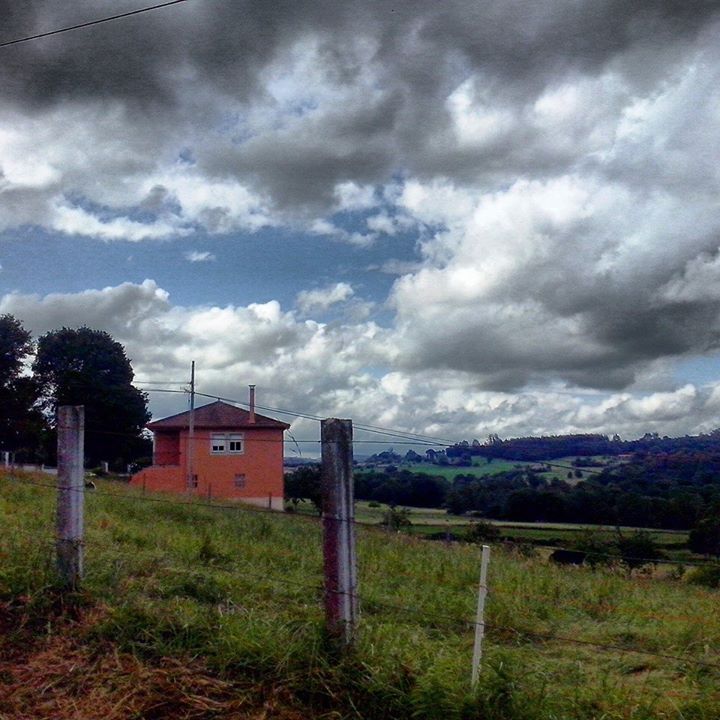
Although many attribute the sea routes (Ruta de la Costa) as the historic roads to Santiago de Compostela, because of the sailors’ word of mouth about the discovery of the tomb of the apostle Santiago, pilgrims today prefer the land routes to Santiago.
The shell is the symbol of the pilgrims heading to Santiago de Compostela. The road from Roncesvalles to Estella is called the “French Way” while the one crossing the Pyrenees at Somport is called the Aragonese Way.
The French Way of Santiago de Compostela
The French Way for pilgrims to Santiago de Compostela is undoubtedly the best-known section of the route. It stretches for 750 kilometers, from Roncesvalles to Santiago. Aymeric Picaud, a French cleric, wrote the first pilgrimage guide to the route in 1130, dividing it into thirteen stages. The two most frequented passes in the Pyrenees are Roncesvalles and Somport.
Stages of the Santiago walk
(source percorsiditerre):
2 Roncesvalles ➔ Zubiri 21.9 km
3 Zubiri ➔ Pamplona 20.5 km
4 Pamplona ➔ Puente la Reina 24.3 km
5 Puente la Reina ➔ Estella 21.3 km
6 Estella ➔ Los Arcos 21.5 km
7 Los Arcos ➔ Logroño 27.9 km
8 Logroño ➔ Nájera 29.1 km
9 Nájera ➔ Santo Domingo de la Calzada 21.3 km
10 Santo Domingo de la Calzada ➔ Belorado 22.4 km
12 San Juan de Ortega ➔ Burgos 27.3 km
13 Burgos ➔ Hontanas 31.3 km
14 Hontanas ➔ Frómista 34.5 km
15 Frómista ➔ Carrión de los Condes 19.1 km
16 Carrión de los Condes ➔ Terradillos de los Templarios 26.4 km
17 Terradillos de los Templarios ➔ El Burgo Ranero 31.0 km
18 El Burgo Ranero ➔ León 37.6 km
19 León ➔ Villar de Mazarife 21.2 km
21 Astorga ➔ Rabanal del Camino 20.3 km
22 Rabanal del Camino ➔ Ponferrada 32.3 km
23 Ponferrada ➔ Villafranca del Bierzo 23.6 km
24 Villafranca del Bierzo ➔ O Cebreiro 28.2 km
25 O Cebreiro ➔ Triacastela 20.9 km
26 Triacastela ➔ Barbadelo 28.9 km
27 Barbadelo ➔ Portomarín 18.0 km
28 Portomarín ➔ Melide 35.9 km
29 Melide ➔ Pedrouzo (Arca) 33.2 km
30 Pedrouzo (Arca) ➔ Santiago de Compostela 19.7 km
The Aragonese Way of Santiago de Compostela
The Aragonese Way, via Toulouse, is a variant of the French Way. Widely used by pilgrims coming from Italy, it goes up the Aspe valley then arrives at Somport in the Pyrenees. The route unfolds over 6 stages, covering a total of about 160 kilometers.
The main routes leading to Santiago de Compostela
The Via Francigena, Italy
In Italy, the road to Santiago de Compostela is the Via Francigena. The Via Francigena connects Italy to the French route and, through this itinerary, it is possible to travel the Coastal Way starting from Rome to reach Compostela. Depending on the chosen path, the complete journey is approximately 800 km, which can be covered in a month. However, it is not uncommon for people to decide to walk just one week, choosing, for example, to do only the Spanish section, starting from the gathering point of all travelers: Puente la Reina.
Puente la Reina, the pilgrims’ meeting point
Whatever route is chosen, it is at Puente la Reina that pilgrims converge before facing the last stages. From this point onward, the path becomes “common”. The following stages are:
- Estella
- Nájera
- Burgos
- Frómista
- Sahagún
- León
- Rabanal del Camino
- Villafranca del Bierzo
- Triacastela
- Sarria
- Portomarín
- Palas de Rei
- Arzúa
- Santiago de Compostela.
Upon arriving at Finisterre on the Ocean (after Santiago), tradition holds that all pilgrims burn their clothes and take a dip in the ocean for a purifying bath.