


The Moldova declared its independence on August 27, 1991. On March 2, 1992, it joined the United Nations, while on July 29, 1994 it adopted the Constitution. On April 28, 2014, the Republic of Moldova liberalized the visa regime with the member countries of the European Union, and on June 27, 2014 signed the Association Agreement with the European Union.
Moldova is located in Southeastern Europe between the Prut and Dniester rivers and covers an area of 33,843 sq km, ranking 32nd in Europe by size. Its neighbors are Romania to the west, and Ukraine to the east and south. The Republic of Moldova is part of the Black Sea basin countries group. Its southern borders nearly reach the Black Sea, with access to the sea provided through the Dniester estuary and the Danube.
Moldova is a member state of the United Nations, the Council of Europe, the Partnership for Peace, WTO, OSCE, GUAM, CIS, the Black Sea Economic Cooperation Organization, UNWTO, and other organizations.
10 Reasons to Visit Moldova
- The land of wines and underground wine cities. The centuries-old traditions of Moldova have always been accompanied by the culture of producing fine wines. The country’s climate and terrain allow the grapes to receive everything needed to enrich their taste qualities: abundant sunshine and relative humidity. Wine enterprises use the most modern technologies in producing this product. That is why Moldova’s wine production is in demand in over 50 countries worldwide. Moldova is known globally thanks to its famous underground cellars of Cricova and Milestii Mici. The underground galleries, stretching hundreds of kilometers and accessible only by car, lined with enormous wine barrels, create the feeling of an immense “Wine Palace.”
- Medieval jewels. Moldova’s medieval fortresses played an important role in the country’s history. In the numerous wars fought on Moldovan territory, medieval fortresses were involved. Along the right bank of the Dniester river, the country was defended by the fortresses of Hotin, Soroca, Tighina, and Cetatea Alba. Currently, Moldova owns two well-preserved fortresses that can be visited by foreign tourists: the fortress of Soroca and that of Tighina.
- The interference of civilizations. Located 55 km north of Chisinau, within the cultural, natural, and landscape reserve “Orheiul Vechi,” lies a vast kingdom of geological and historical past. With millennia of history, here you find several hearths of Dacian civilization, remains of the Sehr al-Cedid fortress built by the Golden Horde in the 14th century, rock monasteries, caves carved into stone, a Dacian fortress, and the ruins of a Tatar public bath. Each originates from an ancient time, with its own history and landscape architecture. Moreover, viewed from various points and seasons, these natural monuments offer ever new, increasingly fascinating images.
- A welcoming people. Moldova has been regarded for centuries as a country with a very welcoming population. In rural areas, it is an honor for locals if you cross the threshold of their home. Guests are usually invited to the “Big House” — a traditional room where all family celebrations are held, and where the most delicious and fine homemade dishes are served, prepared with local, organic products.
- Gastronomy and distinctive cuisine. Traditional dishes feature a variety of vegetables grown in ecological conditions on fertile chernozem soil at agricultural farms. Vegetables are cooked, stewed, and pickled, creating true culinary masterpieces. A wide range of dishes prepared with corn or cornmeal gives the traditional cuisine a distinctive character. Foreign tourists are well acquainted with “mamaliga,” a type of polenta made from cornmeal, known for its fine and delicious taste. Polenta is served with fried meat, sheep cheese, sour cream, etc. Another traditional dish is “sarmale” (rolls) made with vine leaves stuffed with boiled rice and meat. Meat products play a special role in Moldovan cuisine, especially in hot dishes but also in appetizers, many prepared on the grill.
- Historical and archaeological monuments. Understanding the historical periods a country has gone through is interesting not only for the local population but also for many foreign tourists who, through various studies, seek to compare the course of history with the development of civilizations. Moldova, inhabited since ancient times, has witnessed the impact of various world civilizations: from the Romanization of Dacia to the cultures of the Ottoman, Tatar-Mongol empires, and last but not least, the Slavic peoples. As evidence, there is a vast number and immense variety of historical and archaeological monuments and remains.
- Beautiful and pristine nature. The Republic of Moldova is one of the few countries untouched by industrialization. Its unpolluted air and eco-friendly lifestyle create a pleasant atmosphere for relaxing the soul. The positive energy accumulated during your stay will rejuvenate you physically and emotionally and stay with you for a long time. Numerous nature reserves, rolling hills and valleys, rivers and lakes, rocks, hills covered with ancient forests and vineyards will immerse you in a world of sensory emotions.
- Diverse folk art. Since ancient times, different types of folk art have been practiced in Moldova, such as ceramics, egg painting, carpet weaving, wood and stone carving, and artistic metalwork. The aspirations for beauty and harmony are reflected not only in home decorations but also in the tradition of embellishing clothing, footwear, and folk costumes. Practiced in every rural locality, this tradition of decorating garments, towels, and ritual fabrics (prosop – a type of traditional towel) persists to this day.
- Traditional festivals. The Republic of Moldova is rich in traditional festivals. Their variety is largely linked to religious culture, such as Christmas, Easter, Pentecost, etc. But beyond religious holidays, there are also festivals specific to the Moldovan people, related to the end of winter, the arrival of spring, plowing, grape harvest, cherry picking, and more. Winter festivals are accompanied by Christmas carols, greetings, and theatrical performances by children and adults. Cultural-tourism festivals are also part of the traditional celebrations, becoming more popular every year.
- Churches and monasteries of worldwide architectural and historical value. Rich in monasteries and churches, Moldova was nicknamed the “Southern Thebes” in the 19th century. Moldovan rock monasteries also have a special history in the development of civilization between the Carpathians and the Black Sea and represent some of the oldest architectural monuments from the 13th-14th centuries.
Important Tourist Attractions of Moldova
Natural monuments: “Cheile Butesti,” “Movila Magurii.”
Caves: “Emil Racovita” cave, “Cave of Surprises.”
Nature reserves: “Pădurea Domneasca,” “Codrii,” “Iagorlic,” “Prutul de Jos,” “Plaiul Fagului.”
Landscape reserves: “Toltrele Prutului,” “Suta de Movile,” “Duruitoarea gorge,” “Trinca gorge.”
Museums: National Museum of Ethnography and Natural History, National History Museum of Moldova, National Art Museum of Moldova.
House museums: “Alexei Mateevici,” “Aleksandr Pușkin,” “Alexandru Donici,” “Constantin Stamati,” “Constantin Stere.”
Monasteries: Capriana, Curchi, Chițcani, Calarașovca, Dobrusa, Frumoasa, Hâncu, Hârjauca, Hârbovăț, Japca, Răciula, Rudi, Saharna, Tipova, Zăbricenii.
Wineries: Cricova, Mileștii Mici, Purcari, Chateau Vartely, Branesti, Cojușna.
Fortresses: Soroca, Tighina
UNESCO Monuments: The Struve Geodetic Arc.
Guinness World Records: The wine cellar Mileștii Mici.
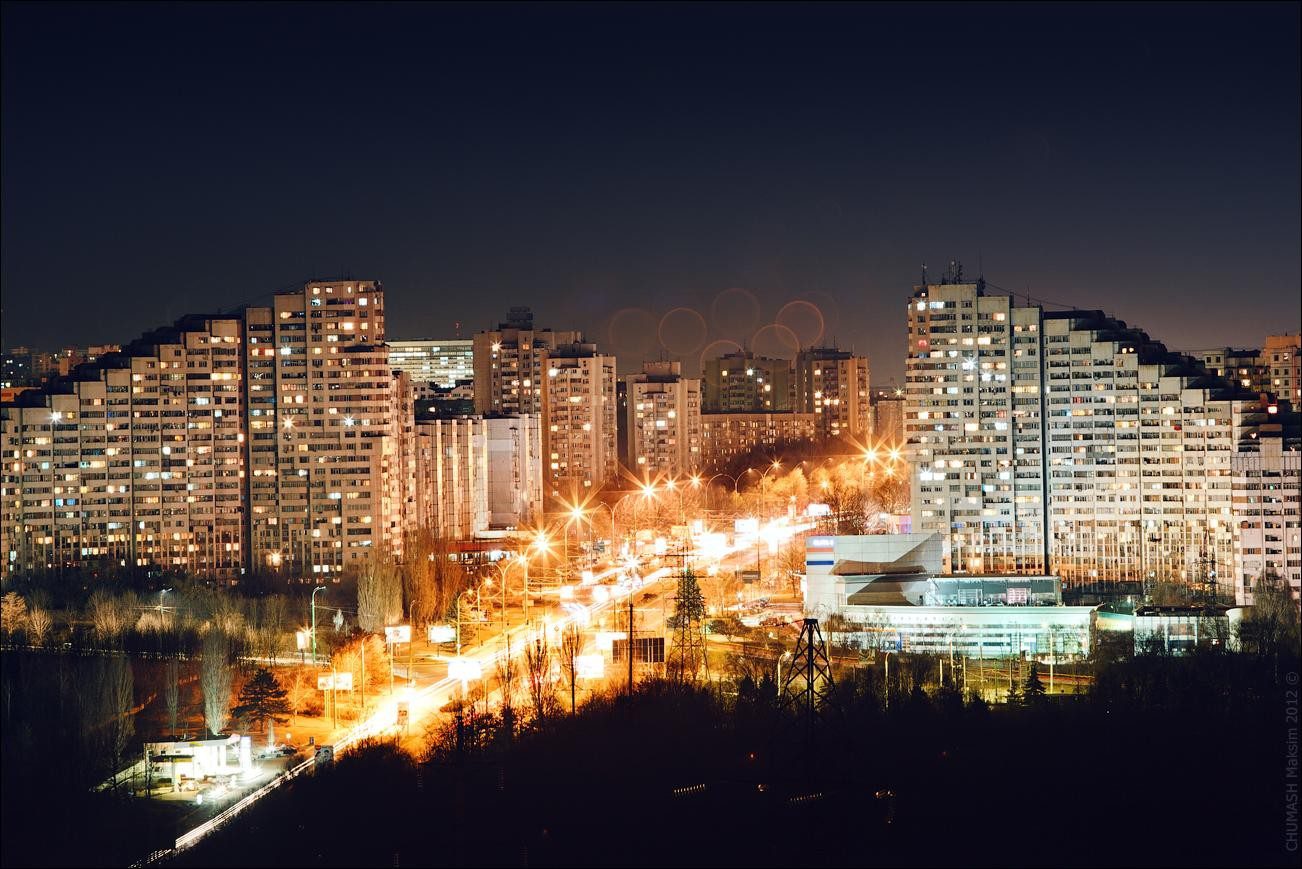
Moldova Fact Sheet
Country: Moldova (Republic of Moldova)
Area: 33,843 km²
Capital: Chişinău
Population: 3,560,000 inhabitants (2014 census data, except Transnistria which has about 505,100 inhabitants). Urban population is 1.51 million, rural population is 2.05 million.
Language: Romanian (official), Russian (interethnic communication language), Gagauz (a Turkic dialect)
Religion: Currently, 23 registered religious denominations operate in Moldova, comprising in total 2319 parts (parishes, monasteries, theological institutions, missions, etc.). According to the 2004 census data, Orthodoxy made up 93.34%, Muslims 1.5%, Protestants of all confessions 1.98%, Old Believers (starovery) 0.15%, Catholics 0.14%, Baptists 0.5%, others 2.39%.
Form of Government: Parliamentary republic
Major cities: Chişinău, Tiraspol, Bălţi, Bender, and Râbniţa
Useful Information about Moldova
- Currency: Moldovan Leu (lei in plural) MDL. Credit cards are accepted at banks, hotels, travel agencies, and shops. Banks are open from 09:00 to 16:00, Monday to Friday. Currency exchange is available in all banks, including currency exchange offices throughout the Republic of Moldova.
- International dialing code: +373
- Chisinau area code: (22)
- Internet domain: .md
- International vehicle registration code: MD
- Driving side: right
- Entry documents: Citizens holding passports of the listed types do not require visas for stays of up to 90 days within 6 months from their first entry.
- Vaccination required: NN
- Electricity: 220 V (230), 50 Hz, with 2-pin continental European plugs
- Time zone: Moldova is in the Eastern European Time zone, 2 hours ahead of Greenwich Mean Time (GMT +2). Compared to Italy, it is 1 hour ahead.
- Useful phone numbers:
Fire Department – 901, Police – 902, Emergency – 903
Information Office – 1188
Migration and Asylum Office – (022) – 54-46-07
Chisinau International Airport – (022) – 52-51-11
Railway station – (022) – 83-27-33
Taxi services: 14022, 14005, 14008, 14009, 14120, 14415, 14222, 14250, 14428, 14747, 14448, 14499, 14554, 14555, 14466, 14700, 14474, 14777. - Climate: Moldova has a moderately continental climate: summers are warm and long, with average temperatures around 20°C, while winters are relatively mild and dry, with January temperatures averaging around -4°C.
- Transportation: Public transport in Moldova such as buses, trains, and taxis are quite efficient.
- Airports: Chisinau