Since 1982, the Archaeological Superintendence of Rome has been conducting investigations at the Villa of Livia, called ‘ad gallinas albas’ by ancient sources, in memory of an extraordinary event that happened to Livia, wife of Octavian Augustus, while she was going to her estates: “…to Livia Drusilla… an eagle dropped from above into her lap… a hen of extraordinary whiteness holding a laurel branch with its berries in its beak. The soothsayers ordered the bird and its offspring to be raised, the branch to be planted and carefully preserved. This was done in the villa of the Caesars overlooking the Tiber River near the ninth mile of the Via Flaminia, which is therefore called at the Hens; and miraculously a grove was born.” (Pliny Nat. XV, 136-137).
The precise topographic location and the imposing retaining walls of the ‘basis villae’, always visible, have exposed the complex to repeated plundering since the end of the empire. In 1863, some fortunate but inadequately documented explorations first led to the discovery of the famous statue of Augustus in lorica, now in the Vatican Museums, and immediately after to the discovery of the semi-underground room with walls frescoed with the well-known garden paintings, detached in 1951 for conservation purposes and transferred to the National Roman Museum and now displayed at Palazzo Massimo alle Terme.
In the area, acquired by the Italian state, several excavation campaigns have been conducted that allowed the discovery of much of the ancient structures, particularly of the private area with atrium and small internal garden, of the representative area with large frescoed rooms and floors paved with mosaic and opus sectile facing the peristyle. Recent explorations of the extensive thermal complex led to identifying a first phase from the early Flavian period with the presence of two ‘piscinae calidae’ and a ‘natatio’, followed by a radical restructuring during the Severan period. A large U-shaped porticoed terrace with garden, probably the ‘lauretum’ mentioned in the sources, adorned the eastern side of the imperial residence.
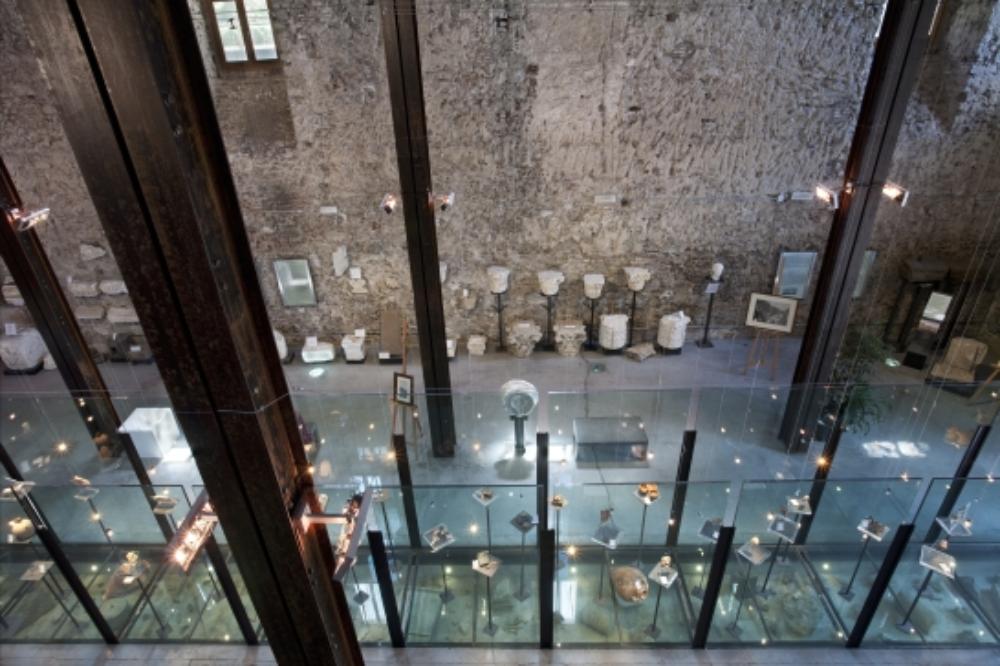
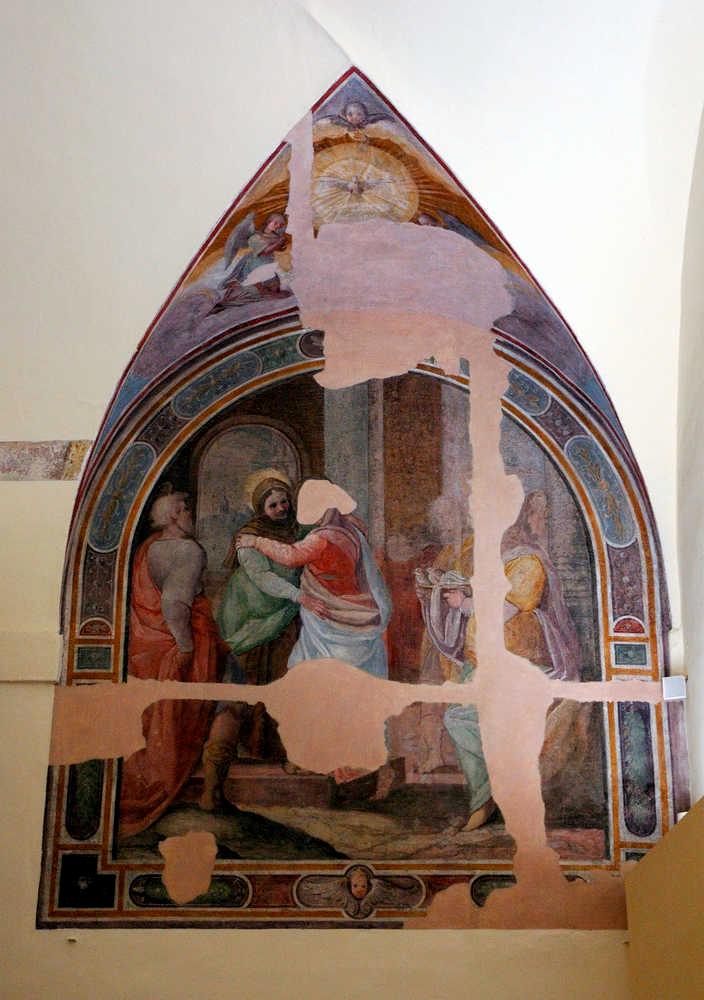
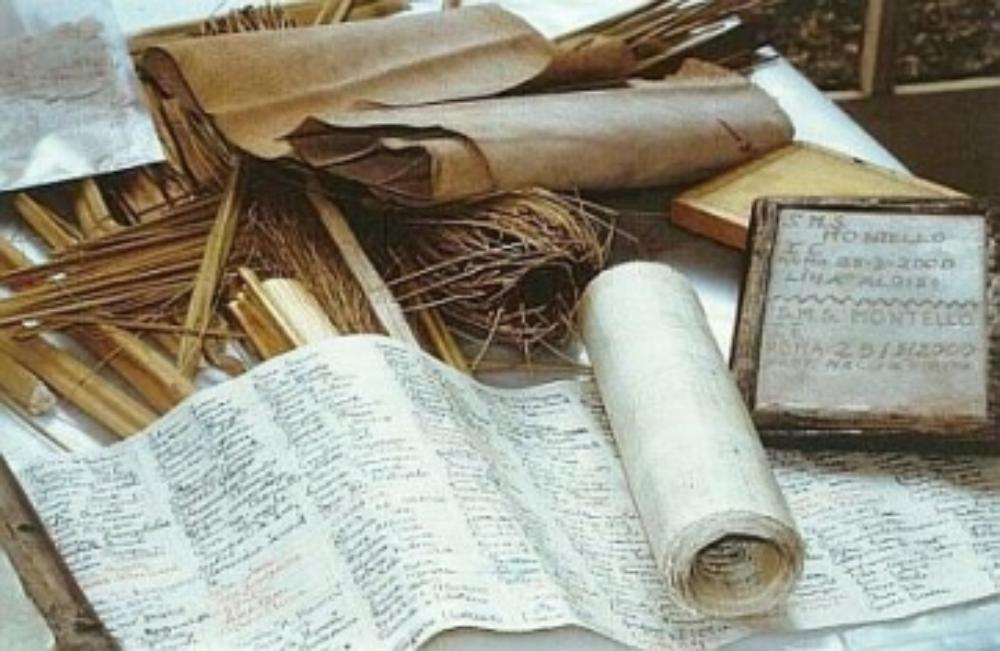
In the Antiquarium, located near the current entrance of the archaeological site, the most significant finds from the site are exhibited.
Information about Villa of Livia
Via Villa di Livia, 125
00188 Rome (Rome)
0633626826
[email protected]
https://archeoroma.beniculturali.it
Source: MIBACT