


Elegant, cultured, imperial: Vienna in 3 days unveils itself with a perfect rhythm between Habsburg architecture, world-class art, and coffeehouse rituals that turn every break into an experience. In this three-day itinerary in Vienna, you will discover the main points of interest and the most authentic neighborhoods, among unmissable must-sees, musical evenings, and addresses where you can live the city like a true Viennese. For an overview of the iconic places, also check our complete guide What to see in Vienna.
- Day 1, the historic center (Innere Stadt): from the Cathedral to the Hofburg
- Historic cafés: a break worth the trip
- Day 2, imperial splendors and art: Schönbrunn, Naschmarkt, Belvedere, Hundertwasser
- Day 3, Museums, Rathaus and authentic neighborhoods: MQ, Prater, Donaukanal, Karmeliterviertel
- Vienna in winter: lights, scents, and Christmas markets
- Historic cafes and Viennese flavors: cakes, imperial brunches, and tradition
- Where to sleep in Vienna (recommended areas for 3 days)
- Practical information to organize 3 days in Vienna
- FAQ about Vienna in 3 days
- Is 3 days enough in Vienna?
- Better the Vienna Pass or single tickets?
- When to visit Vienna?
- What to book in advance?
- Vienna with children: what to add?
- Where is it best to stay for 3 days?
- Christmas markets: which are the most beautiful?
If you’re in a hurry. Here’s your 3-day itinerary in Vienna: start in the historic center with the Stephansdom (St. Stephen’s Cathedral) and the Hofburg, continue towards Schönbrunn and the Belvedere, finish with MuseumsQuartier, Prater o Donaukanal. Book an evening concert or a Danube cruise for a memorable finale. For enthusiasts of the genre, we recommend the Princess Sissi tour.
Day 1, the historic center (Innere Stadt): from the Cathedral to the Hofburg
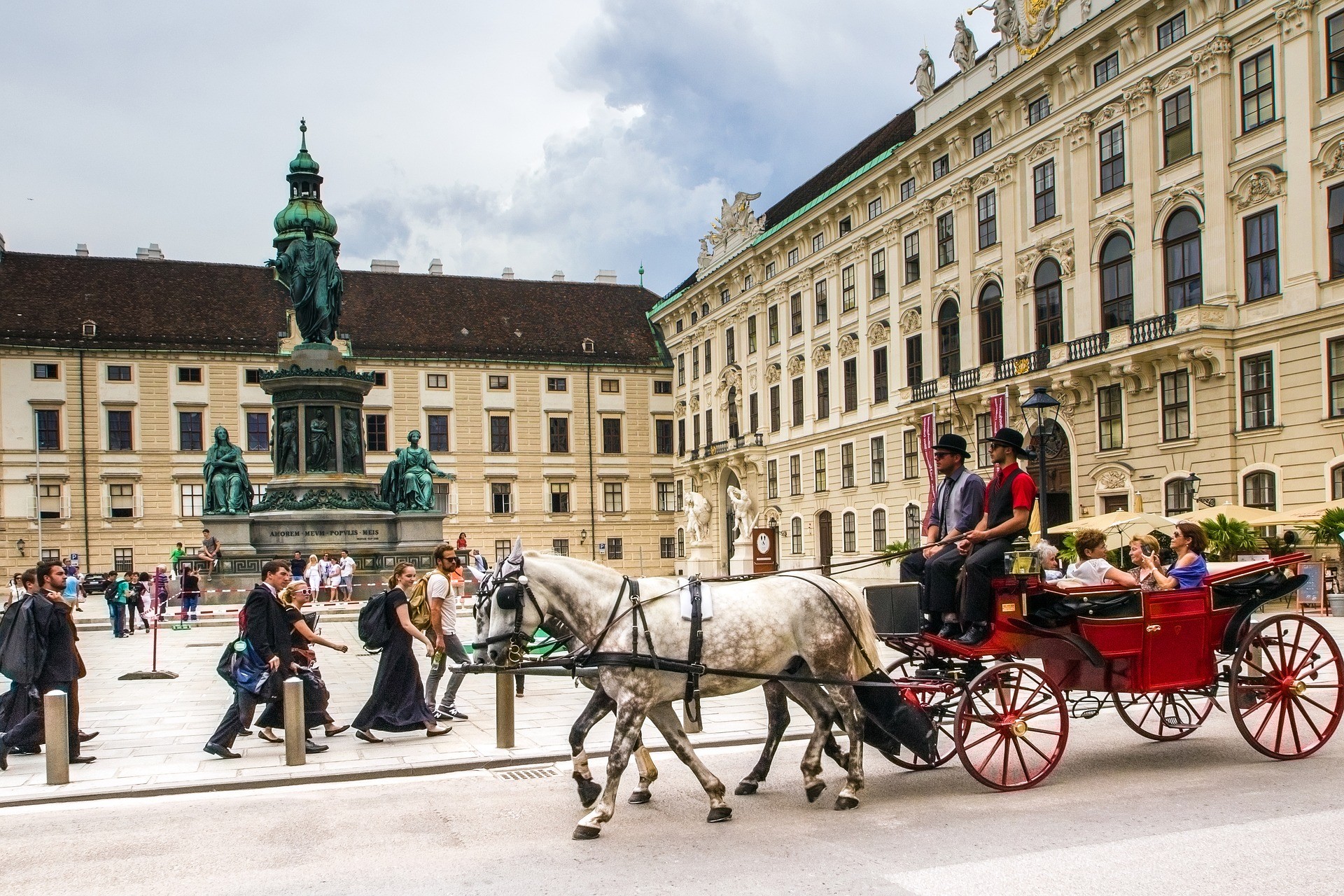
The first day is dedicated to the ancient heart of Vienna, the Innere Stadt. In the Innere Stadt, where the city immediately reveals its imperial and refined character. Among the unmissable attractions of the historic center are St. Stephen’s Cathedral, the Hofburg, the Staatsoper, and the Karlskirche. The natural starting point is the Stephansdom, St. Stephen’s Cathedral, with the famous multi-colored tile roof that you recognize from every angle. Inside, the austere nave and chapels tell centuries of history; if you have time, climbing the tower (when possible) offers a perfect view to orient yourself. Just outside, life flows elegantly among carriages and musicians recalling Strauss’s waltz.
From Stephansplatz, take the Graben, a scenic urban lounge with the Plague Column and historic boutiques; then continue on Kohlmarkt towards Michaelerplatz, where the profile of the Hofburg (the Habsburg winter residence) introduces the imperial dimension of the city. Inside the vast complex, courtyards, arcades, and museums (including the imperial apartments and the Sisi Museum) offer an immersion into court life: even if you don’t enter, lingering in the squares and passing through the covered passages is already a scenic experience.
Not far away, the Staatsoper (the Opera House) marks another cornerstone: the exterior is grand and the interior, if you visit with a guided tour, shows the beauty of acoustic engineering and ornamentation. In a few minutes you reach the Albertina, a museum known for its graphic collections and high-profile temporary exhibitions: if you love art, consider a targeted stop. For lunch, choose between a contemporary bistro or a historic café: Café Central e Demel are two iconic addresses where you can taste Viennese cakes and pastries surrounded by period furnishings and mirrors.
In the afternoon, return towards Karlsplatz to admire Karlskirche, one of the most spectacular baroque churches in the city, which at sunset reflects the green dome in the water of the nearby pond. When the lights come on, return downtown along Kärntner Straße: the illuminated shop windows and nineteenth-century facades tell the splendor that made Vienna famous.
Evening tip: book a table in one of the traditional restaurants around Neuer Markt or try a Heuriger (wine tavern) in the quieter areas if you feel like getting a little away. If you prefer to walk, follow one of the routes in our dedicated guide: Walking itineraries in Vienna.
Historic cafés: a break worth the trip
In Vienna, coffee is a social and literary ritual. Crossing the threshold of Café Central means entering a novel: columns, vaults, cakes that look like works of art. From Demel the open workshop tells the story of pastry culture as a city heritage; from Sacher the famous chocolate cake with apricot jam is an icon. Stop, taste, observe: this is how Vienna reveals itself, unhurriedly.

Day 2, imperial splendors and art: Schönbrunn, Naschmarkt, Belvedere, Hundertwasser
Dedicate the morning to the Schönbrunn Palace, summer residence of the Habsburgs. Arriving early is the best choice to enjoy the gardens, geometric and monumental, and to climb to the Gloriette for an overview. The interiors reveal ceremonies, representative rooms, and everyday objects of the court: a perfect summary of baroque magnificence. Even with just the park, the visit is memorable, among perspective avenues and green theaters.
On the way back to the center, plan a stop at the Naschmarkt, the most famous market in Vienna. Stalls, small open kitchens, spices, local products, and international cuisine create a lively atmosphere. It’s the right place for an informal lunch, with a choice to please every palate: from soups to vegetarian dishes, from Austrian cheeses to Mediterranean specialties.
In the afternoon, head to the Belvedere, a baroque complex composed of Upper Belvedere and Lower Belvedere connected by Italian-style gardens. Here you can admire “The Kiss” by Gustav Klimt and a rich journey through Symbolism and the Vienna Secession. The layout makes the visit smooth and the gardens add an elegant frame, with perfect views for photos in every season.
Before evening, make a detour to the Hundertwasserhaus: the wavy and colorful architecture of artist Friedensreich Hundertwasser is a sight that tells another Vienna, playful and visionary. It doesn’t require much time: just a few minutes to observe the irregular lines, plants integrated into the façades, and out-of-the-ordinary details that break Habsburg order.
End the day with music: a classical music concert in a historic hall, a waltz gala, or a live set in a contemporary club. For inspiration, browse our dedicated suggestions on where to spend the evening: Vienna: music and venues. If you prefer a romantic perspective, consider an evening cruise on the Danube.

Day 3, Museums, Rathaus and authentic neighborhoods: MQ, Prater, Donaukanal, Karmeliterviertel
Start from the MuseumsQuartier, the cultural hub that gathers major institutions in a lively pedestrian area. The Leopold Museum houses extraordinary works by Egon Schiele and Gustav Klimt; the MUMOK explores modern and contemporary art with curated exhibitions. Even if you don’t go inside, the central square with colorful seats is pleasant to soak up Vienna’s creative atmosphere.
Continue towards the Rathaus (City Hall) and the Parliament: the neo-Gothic and neoclassical architectures face each other with well-kept gardens and scenic perspectives. In season, the square in front of the City Hall hosts events, markets, and installations, making the area lively. Not far away, the Volksgarten (the public garden) smells of roses in spring and early summer.
If you are traveling with children (or you are a chronic romantic), reach the Prater: the historic Ferris wheel offers an original skyline and the park is a green lung with paths for walking or cycling. Otherwise, head towards the Donaukanal: street art, seasonal bars on the water, walks with a view. It’s the informal Vienna that mixes urban art, sports, and outdoor social life.
For an authentic touch, finish in the Karmeliterviertel (Leopoldstadt), a neighborhood that revolves around the market and creative restaurants, bakeries, and cafes that make quality their daily mission. It’s the ideal place for a final non-touristic dinner, between updated Austrian flavors and contemporary influences. Discover our dedicated tips here: What to Do in Karmeliterviertel.

Vienna in winter: lights, scents, and Christmas markets
If you are planning your trip during the Christmas period, get ready for a fairytale atmosphere: illuminated squares, the scent of cinnamon, steaming cups of punch. The most spectacular markets are those in front of the City Hall, at Schönbrunn and at Spittelberg, among narrow alleys and crafts. For a complete overview with dates and tips, read the guide dedicated to the Christmas markets in Vienna.

Historic cafes and Viennese flavors: cakes, imperial brunches, and tradition
The Viennese experience is also measured at the table. A classic is the Sacher-Torte: dark glaze, apricot core, whipped cream on the side. But Vienna doesn’t end there: try the Apfelstrudel warm with vanilla sauce, the Wiener Schnitzel golden and thin, or the Tafelspitz, boiled meat served with traditional sauces and sides. In historic cafes, brunch follows the rhythm of newspapers and chatter; in new bistros, local ingredients and a contemporary touch tell the city’s creative soul.
If you want to prepare yourself well and understand the national gastronomic identity, we have gathered the essential dishes in the guide to typical Austrian cuisine, also useful to navigate between traditional taverns and starred restaurants.

Where to sleep in Vienna (recommended areas for 3 days)
Choosing the right neighborhood will save you time and steps. In the Innere Stadt you are at the center of everything, but prices are the highest; Landstraße is perfect if you love Belvedere and quick metro connections; Neubau borders MuseumsQuartier and hosts youthful addresses; Leopoldstadt is convenient again for Donaukanal and Karmeliterviertel; Mariahilf is practical for shopping and connections.
To compare accommodations and offers, first visit our dedicated internal page: Hotels in Vienna (FullTravel). Alternatively, here you can check updated prices and maps: Hotel deals in Vienna on Booking.
Practical information to organize 3 days in Vienna
When to go.Spring and autumn are the most harmonious seasons in terms of climate and light; winter brings the atmosphere of Christmas markets and concerts; summer multiplies outdoor events in squares and along the Danube. Whatever period you choose, Vienna alternates museums and parks in a very pleasant balance for those who love walking.
How to get around. In the historic center, you get around well on foot; to reach Schönbrunn, Belvedere, Prater or more peripheral areas, the metro and trams are punctual allies. If you concentrate many visits in two or three days, consider 24/48/72-hour passes; if you prefer to walk and limit museums, single tickets or timed routes may suffice.
Cards and passes. There are city cards that combine transport and admissions or offer discounts. They are worth it if you plan a “museum marathon” and frequent travel; otherwise, targeted tickets and single reservations are often the most flexible solution. For cards, you can choose between Vienna Pass o Vienna Flexi Pass.
Themed walks. If you want ready-to-use routes, we have collected ideas here: Walking itineraries in Vienna.
On the road. If you are exploring Austria on your own, take a look at the guide on rest areas and tips: Austria in a campervan.
FAQ about Vienna in 3 days
Is 3 days enough in Vienna?
Yes: with good planning, you can see the great classics (Cathedral, Hofburg, Schönbrunn, Belvedere) and add a contemporary element among MuseumsQuartier, Donaukanal or Hundertwasser. It is not about “rushing”: the itinerary proposed here is designed to alternate intense stops with breaks in historic cafés, so you can enjoy the atmosphere without giving up the masterpieces.
Better the Vienna Pass or single tickets?
It depends on the travel style. If you concentrate many admissions in two full days and use public transport often, a pass can be worthwhile. If you prefer fewer but well-chosen visits, single tickets and a transport subscription modulated (24/48/72 hours) are generally more flexible. Also consider possible evening discounts and special openings.
When to visit Vienna?
All year round. In spring the parks bloom and the light is perfect for photographs; in summer, outdoor events and life on the Danube enliven the city; in autumn, museums and cafés offer elegant refuges; in winter, lights and markets add magic. If you aim for the Christmas markets, consult the dedicated guide to Vienna’s markets.
What to book in advance?
The visit to Schönbrunn in the central hours, the evening concerts most requested and, if you travel in high season, possible time slots for the busiest museums (Belvedere on peak days). Insert these links in the “If you’re in a hurry” box to help those who want to plan in a click.
Vienna with children: what to add?
Prater and the Ferris wheel are a timeless classic; the gardens of Schönbrunn offer wide spaces to move freely; at the MuseumsQuartier you find pedestrian areas and museums with family-friendly routes. Many historic cafés are welcoming also with little ones, especially in the morning.
Where is it best to stay for 3 days?
If you want to maximize the time, Innere Stadt is unbeatable for centrality; if you are looking for a compromise between price and location, consider Neubau, Mariahilf o Leopoldstadt. Take a look at the options on FullTravel or compare rates and map on Booking.
Christmas markets: which are the most beautiful?
Rathausplatz for the scenery, Schönbrunn for a royal atmosphere, Spittelberg for neighborhood charm. For updated details on dates and times, read the guide to the Christmas markets in Vienna.
{
“@context”: “https://schema.org”,
“@type”: “FAQPage”,
“mainEntity”: [
{
“@type”: “Question”,
“name”: “Vienna in 3 giorni è abbastanza?”,
“acceptedAnswer”: {
“@type”: “Answer”,
“text”: “Sì, tre giorni a Vienna permettono di visitare i principali luoghi come Duomo di Santo Stefano, Hofburg, Schönbrunn e Belvedere, alternando musei, quartieri autentici e pause nei caffè storici senza dover correre troppo.”
}
},
{
“@type”: “Question”,
“name”: “Meglio Vienna Pass o biglietti singoli?”,
“acceptedAnswer”: {
“@type”: “Answer”,
“text”: “Dipende dallo stile di viaggio. Se prevedi molti ingressi e usi spesso i mezzi pubblici, il Vienna Pass conviene. Se preferisci poche visite ben scelte, biglietti singoli e abbonamenti metro/tram da 24, 48 o 72 ore sono più flessibili.”
}
},
{
“@type”: “Question”,
“name”: “Quando visitare Vienna?”,
“acceptedAnswer”: {
“@type”: “Answer”,
“text”: “Vienna è piacevole tutto l’anno. In primavera i parchi fioriscono, in estate ci sono eventi all’aperto, in autunno musei e caffè offrono atmosfere intime, mentre in inverno la città si illumina con i mercatini di Natale.”
}
},
{
“@type”: “Question”,
“name”: “Cosa prenotare in anticipo a Vienna?”,
“acceptedAnswer”: {
“@type”: “Answer”,
“text”: “È consigliabile prenotare per tempo l’ingresso a Schönbrunn, i concerti serali più richiesti e, nei periodi di alta stagione, eventuali slot per musei molto affollati come il Belvedere.”
}
},
{
“@type”: “Question”,
“name”: “Vienna con bambini: cosa vedere?”,
“acceptedAnswer”: {
“@type”: “Answer”,
“text”: “Il Prater con la ruota panoramica è ideale per le famiglie. Anche i giardini di Schönbrunn e le aree pedonali del MuseumsQuartier offrono spazio e musei con percorsi family-friendly.”
}
},
{
“@type”: “Question”,
“name”: “Dove conviene alloggiare a Vienna per 3 giorni?”,
“acceptedAnswer”: {
“@type”: “Answer”,
“text”: “Per la massima comodità scegli l’Innere Stadt. Se cerchi soluzioni più economiche ma centrali, ottime zone sono Neubau, Mariahilf o Leopoldstadt, tutte ben collegate con metro e tram.”
}
},
{
“@type”: “Question”,
“name”: “Quali sono i mercatini di Natale più belli a Vienna?”,
“acceptedAnswer”: {
“@type”: “Answer”,
“text”: “Tra i mercatini da non perdere ci sono Rathausplatz per la scenografia, Schönbrunn per l’atmosfera regale e Spittelberg per il fascino dei vicoli storici.”
}
}
]
}