


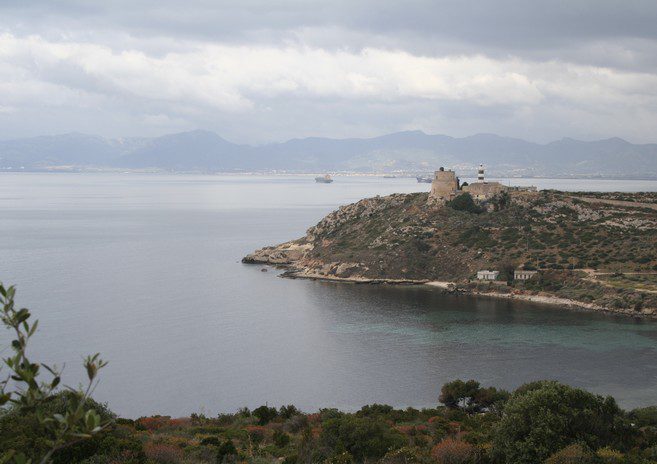

I’ve returned to Sardinia. Deep down, I promised myself the day I left the island, by ferry, some time ago. This time I came back to Cagliari, the regional capital that left me with wonderful impressions from my very first visit. Cagliari, in some ways, reminds me of Salerno. Both are seaside cities, peaceful, with a similar population and a location overlooking the gulf (the Gulf of Angels for Cagliari, its namesake gulf for the Campanian city).
What to Eat in Cagliari
The passion for seafood in Cagliari, much like in the Campanian city, is immediately noticeable. All it takes is a meal at a trattoria or restaurant to understand the importance of the sea for locals. The sea here, as in all of Sardinia, is not just a culinary resource. Tourism—especially domestic tourism in summer—is focused on the coastline. And in Cagliari, as across the entire island, the sea takes on the colors of the sky and the earth, offering a sense of infinity and countless shades. Despite financial troubles that make traveling more challenging, a trip to Sardinia is essential—not just for its beaches and seas.
Cagliari’s Underground
Cagliari is a city with hidden underground treasures. With authorized guides, you can discover the underground city and explore fascinating passages below the Sardinian capital. It’s just a short climb back to the surface (stairs allowing). After leaving the eerie tunnels and crypts like the one of the Confraternita della Orazione della Morte or the prison of Sant’Efisio, a rich museum experience awaits curious travelers.
Cagliari: Top Things to See
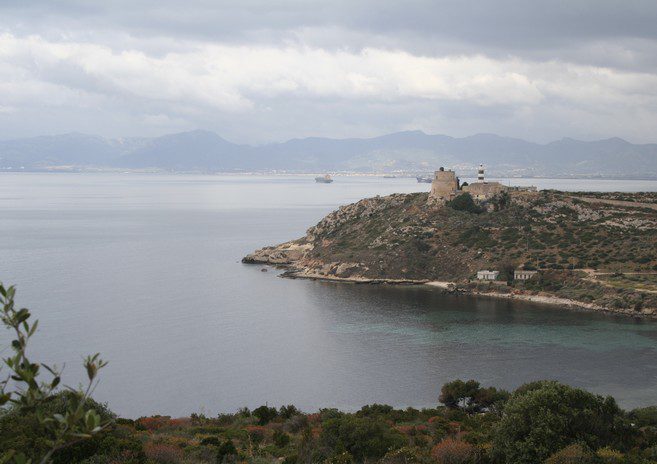
You can visit the National Archaeological Museum, the Regional Ethnographic Museum, or the National Art Gallery, all conveniently located in the museum quarter. While Cagliari’s underground is rich in history, the city also offers breathtaking panoramic views. If you prefer a relaxed approach, head to the Castello district—one of the city’s four historic quarters together with Villanova, Stampace, and Marina. Or, for trekking lovers, admire Cagliari from the top of the “Sella del Diavolo,” reached by a moderately easy hiking trail.
The Devil’s Saddle (Sella del Diavolo)
I chose both options. The view from the Sella del Diavolo is spectacular—a sweeping vista that lets you take in the whole city at a glance. Before me stretched the salt pans, which produced table salt until the early 1980s, the Santa Gilla lagoon beside the airport, the marina, and the entire cityscape. My journey in Cagliari also included visits to traditional craft shops, the historic fish market filled with an impressive array of seafood, and lively venues serving excellent local food paired with Sardinian wines.
Cagliari: Sant’Efisio Festival
The highlight of my trip was definitely the return of Sant’Efisio to the city, a saint deeply revered by both Cagliari’s locals and Sardinians in general. After his lavish exit from Cagliari on May 1, he returns after a four-day pilgrimage along the southwestern coast to Nora. Participants in traditional Sardinian dress, riders on horseback, women in folk costumes, townspeople, and religious groups all march in a vibrant, authentic parade. It’s a celebration steeped in tradition and folklore, reflecting the warm, welcoming spirit of Sardinians. Goodbye Cagliari—I promise I’ll be back.