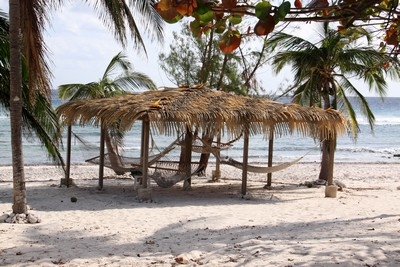


The Larnaca Airport is the classic gateway for those looking for sun, sea and relaxation: it opens up access to the beautiful southern coastlines, beaches, and seaside villages, stretching from Aya Napa to Limassol, Paphos and the Akamas Peninsula. Here, you’ll find a mosaic of powdery-soft sand beaches, dramatic cliffs sculpted by the wind, and scenic coves worthy of Aphrodite herself—who, legend says, was born right here. This coastal route brings one seaside marvel after another, though from time to time you may also spot less inspiring examples of urban development. Paphos district, on the western side of the island, is renowned for its wealth of historical sites, ancient traditions, and striking natural landmarks. The city of Paphos is divided in two: the upper area, Pano Paphos, and the lower area, Nea Paphos, the Roman-founded harbor city, home to most of the key monuments, luxury hotels, restaurants, pubs, and nightlife. Don’t miss the impressive Roman mosaics dating back to the 3rd century BC, especially the Houses of Dionysos, Orpheus and Aion, which are considered some of the finest in the eastern Mediterranean.
The far western tip of the island reveals the Akamas Peninsula, Cyprus’ first national park—one of its last wild and pristine corners, a haven for hikers and nature enthusiasts. Inland, the Troodos Mountains rise majestically, dominated by Mount Olympus. Here the air is clear, winding roads meander through lush forests, wild mouflons leap over rocks, and both hikers and mountain bikers can explore countless scenic trails. In the villages, local women still embroider and craft lace for visitors; life continues at an authentically unhurried pace. In winter, the Troodos are popular among skiers and winter sports lovers. These mountains are also famous for their byzantine churches and frescoed ancient monasteries, such as Kikkos (the most visited and renowned), dating back to the 12th century and housing a remarkable icon museum. The capital, Nicosia, lies at the island’s center. It’s the largest city, home to government and Cyprus’ cultural and economic heart. Sadly, the Green Line—a military buffer zone of checkpoints, barbed wire and old walls—divides the Greek Cypriot area from the Turkish-influenced north.
The old town, set inside Venetian walls from the 1600s, best preserves Nicosia’s unique charm. Among its museums, the Leventis Municipal Museum stands out, tracing the city’s story from the Stone Age to today. Don’t miss the byzantine frescoes in Ayios Joannis church and the Byzantine Museum at the Archbishop’s Palace, once the Benedictine Abbey of Saint John the Evangelist.
Cyprus at a Glance
- Country: Cyprus
- Area: 9,250 km²
- Capital: Nicosia
- Population: 720,000 inhabitants
- Language: Greek and Turkish
- Religion: mostly Orthodox, with a Muslim minority
- Political system: Presidential republic
- Main cities: Nicosia, Famagusta, Limassol, Kyrenia
Useful Information About Cyprus
- Currency: Cypriot Pound (Euro €1 = £0.58)
- International dialing code: +357
- International plate code: CY
- Driving side: Left
- Entry documents: Passport or ID card
- Vaccinations required: None
- Electricity: 240V 50 Hz
- Measurement system: Metric
- Time zone: +1 hour from Italy
- Fixed-date public holidays: January 1st: New Year’s Day; January 6th: Epiphany; 50 days before Orthodox Easter: Green Monday; March 25th: Greek National Day; April 1st: Greek-Cypriot National Day; May 1st: Labor Day; 50 days after Easter: Pentecost – Kataklysmos (Festival of the Flood); August 15th: Assumption; October 1st: Cyprus Independence Day; October 28th: Greek National Day (Ohi Day); December 24th: Christmas Eve; December 25th: Christmas Day
- Climate: Cyprus has a mainly Mediterranean climate; climatically, the best periods to visit are April–May and September–October. Summers (June–August) are hot, though often cooler thanks to light breezes, while winters are occasionally damp but generally mild and pleasant.
- Average temperatures: annual average ranges from 12°C to 30°C.
- Transport: National airline Cyprus Airways; main ports are Famagusta, Kyrenia, Limassol, Paphos, and Vasiliskos
- Airports: Larnaca, Paphos, Ercan, Agia Napa, Lefkosia, Lemesos