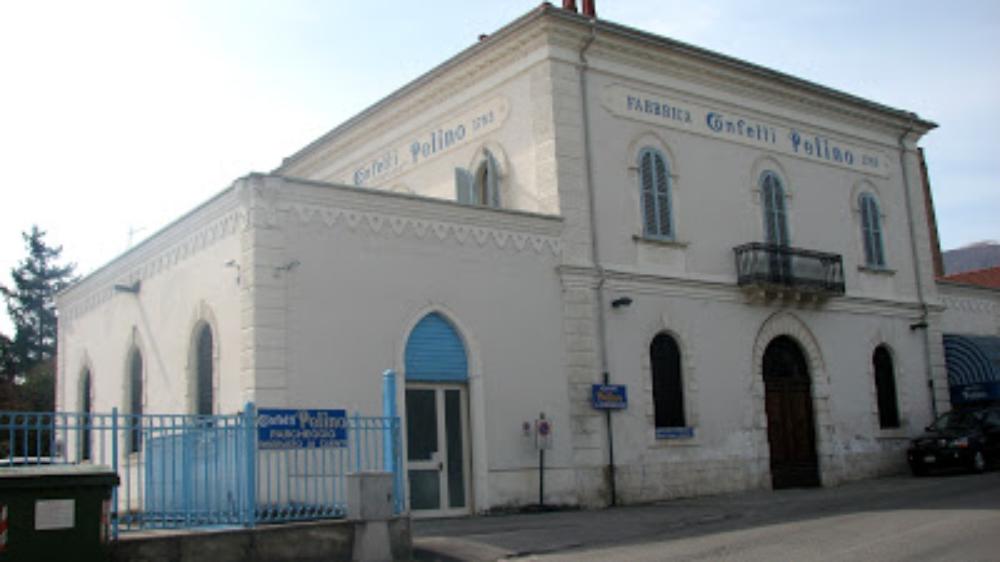


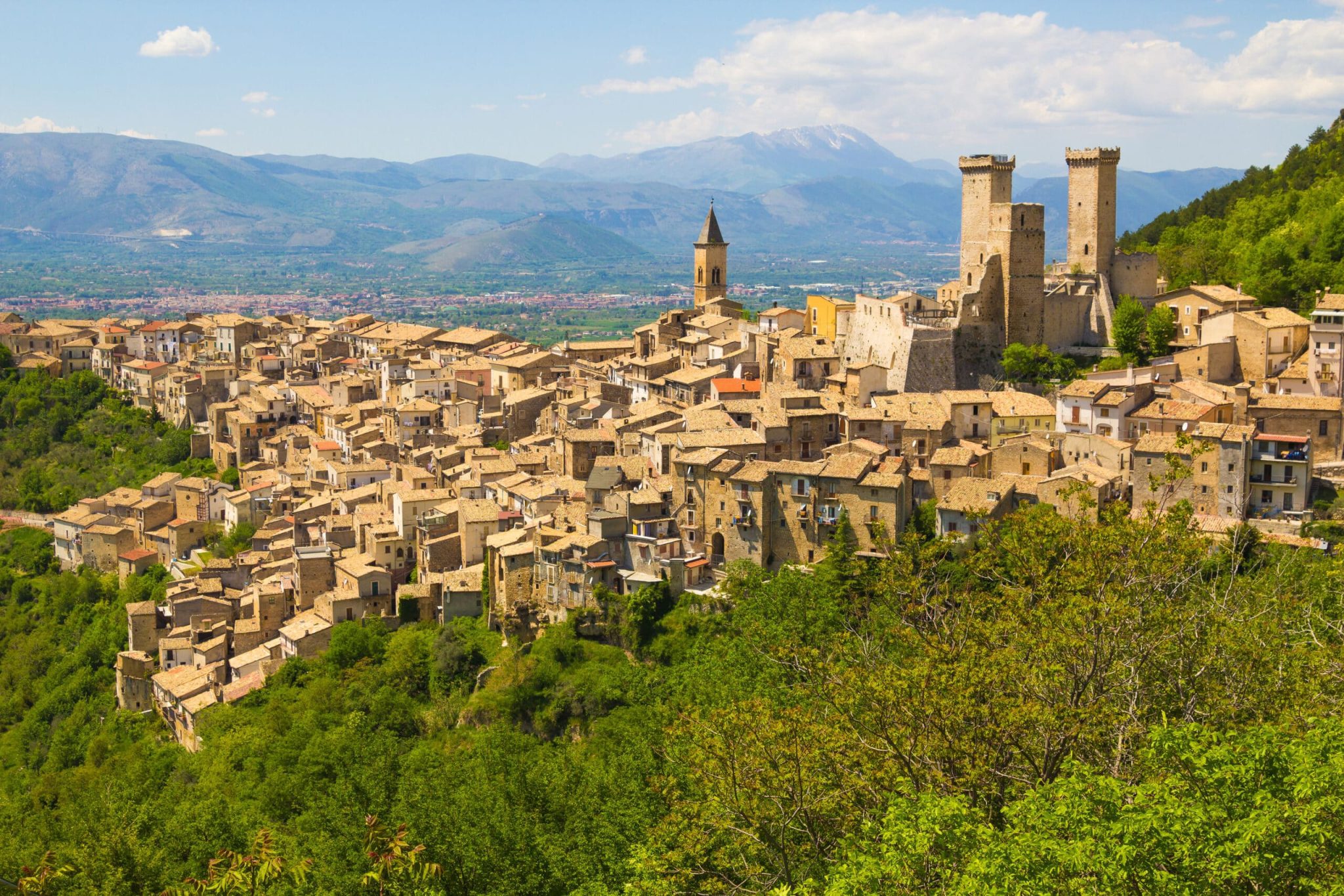

The city that gave birth to the poet Ovid in 43 BC is known worldwide for the production of confetti, but a visit to the historic center reveals its architectural beauties and recalls important historical references, such as the presence of Pope Celestine V, who lived as a hermit on Monte Morrone above the city, and is believed to have consecrated the altar of the Cathedral of San Panfilo, patron of Sulmona, in 1294.
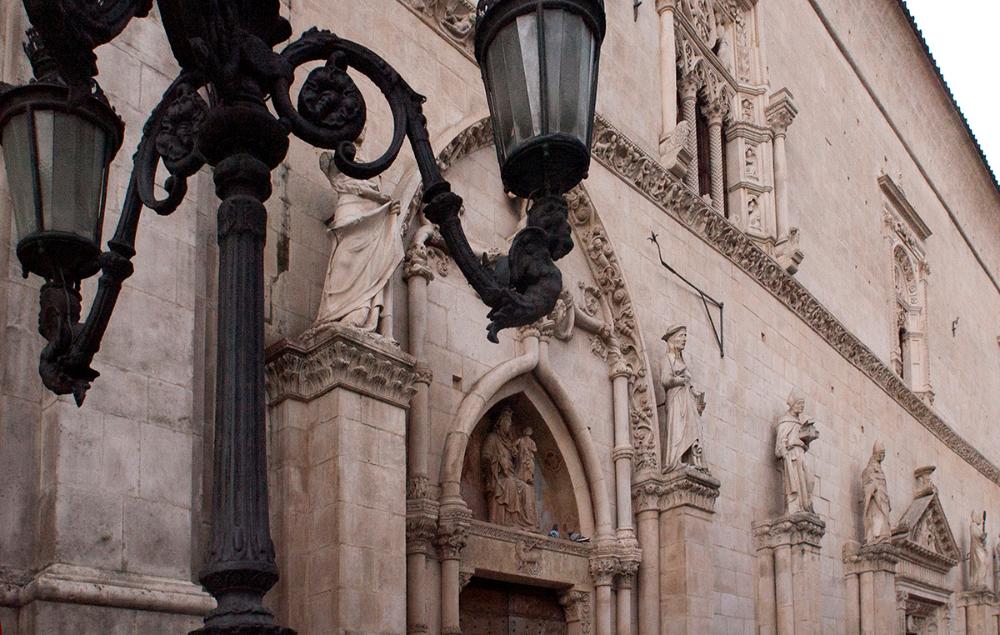
The Complex of the Santissima Annunziata, founded in 1320 and composed of the Church and the adjacent Palace, presents itself as an imposing blend of Gothic, Renaissance, and Baroque architectural styles, whose coexistence is due to numerous reconstruction works caused by several seismic events.
Not far away, along Corso Ovidio, the main artery of the historic center, opens Piazza XX Settembre, the city’s meeting point where the statue of the poet and writer of the Metamorphoses and the Ars Amatoria waits thoughtfully.
The Municipal Theater, built in 1933, is a testament to the city’s fervent cultural interest and love for music. It is no coincidence that the Municipal Band of Sulmona stood out nationwide for its level and preparation in 1932.
The medieval Aqueduct contributes to the scenery of the wide Piazza Garibaldi, completed by the profile of the Majella and the facade of the Church of San Filippo Neri, from where the curious event of the Madonna running into the square starts: a representation of the Virgin Mary’s astonishment at the news of Christ’s resurrection, held every year on Easter Sunday.