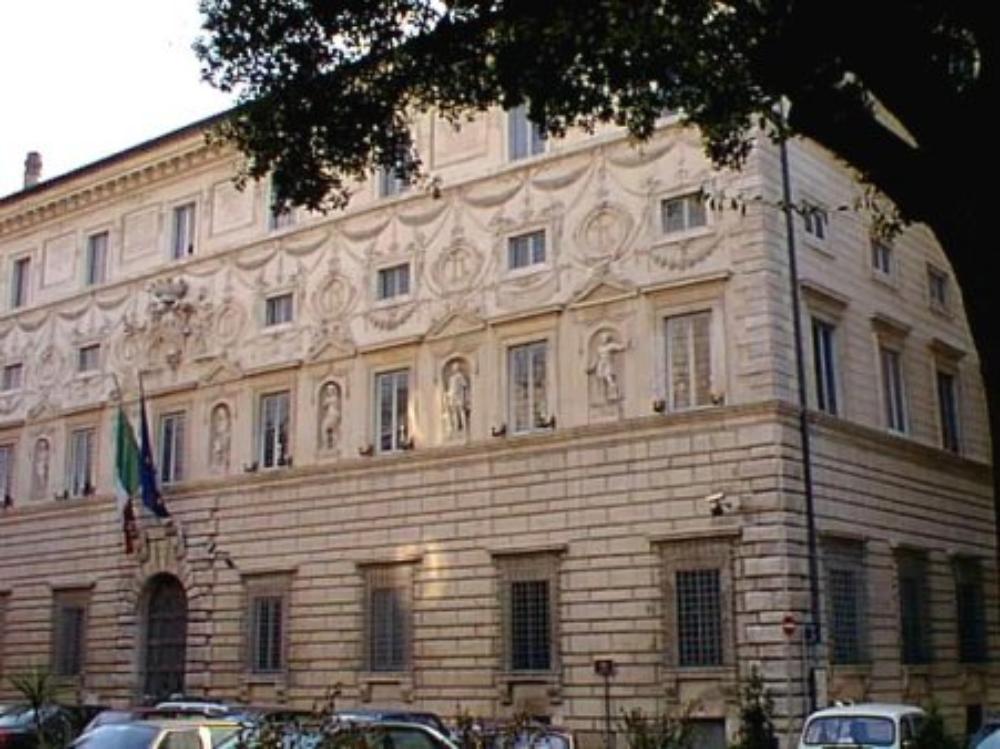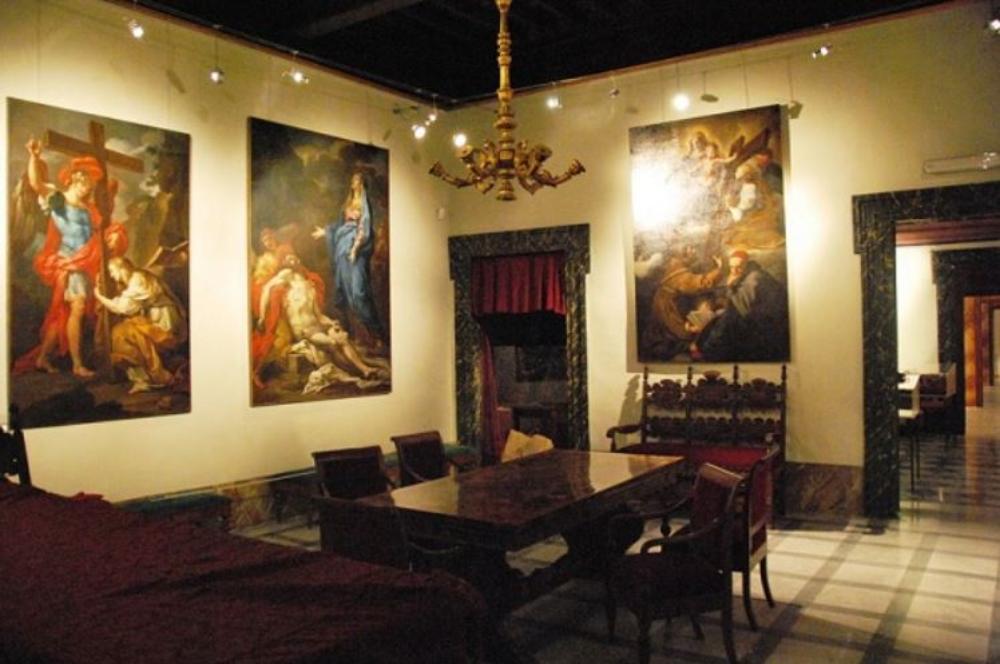


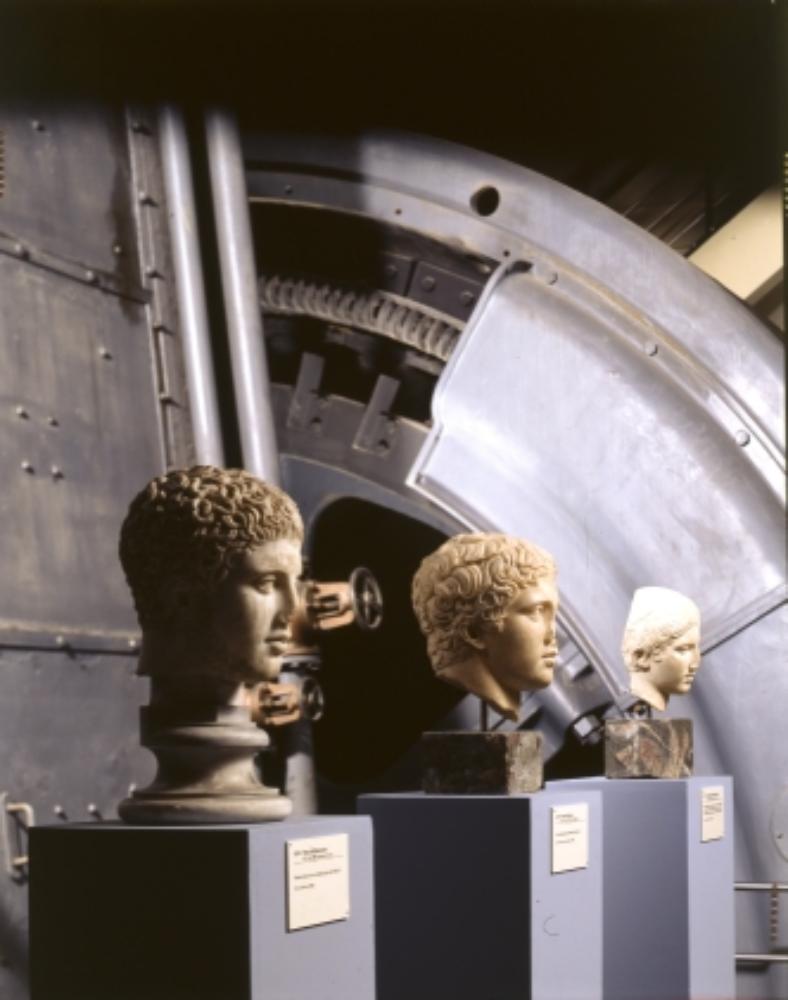


To free up space at the Museum of the Conservators’ Palace, New Museum and New Wing in Rome, while keeping the works accessible to the public, a 1997 exhibition titled “Machines and the Gods” was set up in the renovated rooms of the city’s first public power plant. This exhibition juxtaposed two diametrically opposed worlds: classical archaeology and industrial archaeology.
In a striking contrast, alongside the old production machinery of the plant, masterpieces of ancient sculpture and precious artifacts discovered in late 19th-century and 1930s excavations were exhibited. They included reconstructions of large monumental complexes and illustrations of the ancient city’s development from the Republican age up to the late imperial period. The adaptation of the site into a museum, the restoration of the machinery, and the educational section of the industrial archaeology sector were carried out by Acea.
The splendid museum space, initially conceived as temporary, was confirmed as a permanent home for the most recently acquired collections of the Capitoline Museums in 2005, upon the return of some sculptures to the Capitoline Hill after the completion of renovation works.
Within its spaces, the work of experimenting with new display solutions connected to scientific research on the artifacts continues. Juxtaposing works from the same context also helps restore the bond between the museum and the ancient urban fabric.
The museum itself is part of a broader redevelopment project for the Ostiense Marconi area, which foresees the transformation of Rome’s oldest industrialized zone into a cultural hub. This area includes, besides the Montemartini power plant, the Slaughterhouse, the Gasometer, port facilities, the former Mira Lanza factory, and the former General Markets, along with the final arrangement of the Rome Tre University campuses and the creation of the City of Science.