

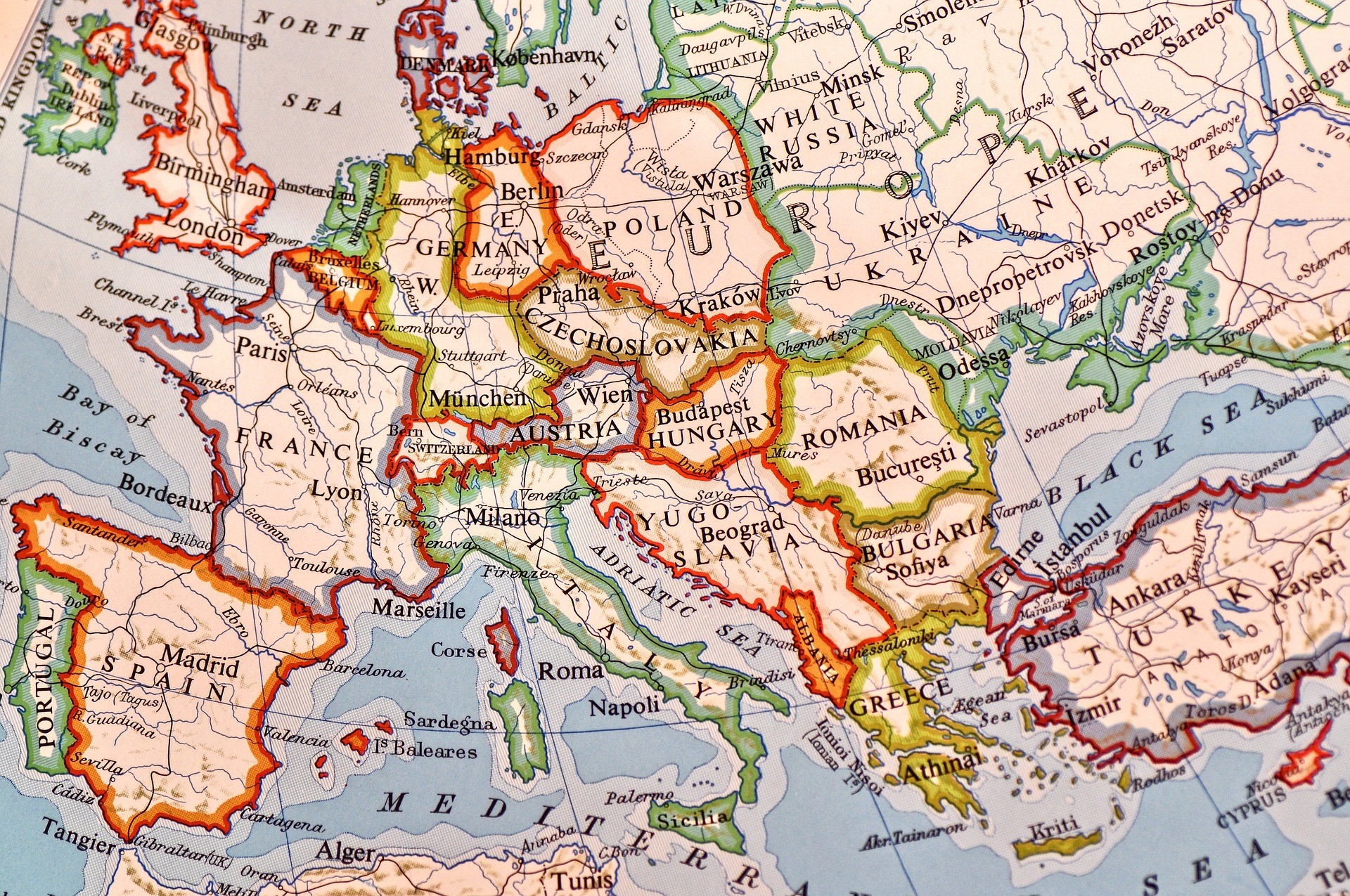


Many people mistakenly believe that borderless travel is possible throughout all of Europe, but that’s not actually the case.In reality, the whole concept of “border-free travel” only applies to a specific group of European countries known as the Schengen Area, or Schengen Zone. These countries have mutually agreed to remove internal border checks between themselves, and Italy is included in this group.
As of 2023, the countries in the Schengen Area include
- Austria
- Belgium
- Croatia
- Czechia
- Denmark
- Estonia
- Finland
- France
- Germany
- Greece
- Hungary
- Iceland
- Italy
- Latvia
- Liechtenstein
- Lithuania
- Luxembourg
- Malta
- Netherlands
- Norway
- Poland
- Portugal
- Slovakia
- Slovenia
- Spain
- Sweden
- Switzerland
If you stay within the Schengen Area (the countries listed above), you won’t need to go through passport control every time you cross a border. However, if you enter a non-Schengen country such as the United Kingdom or Ireland, you will have to clear passport control.
Note: People often confuse the Schengen Area with the EU. While there is significant overlap, some EU countries are NOT in the Schengen Area and some non-EU countries ARE. So don’t mix them up—they are not the same.
For most short-stay visas (and visa exemptions), your allowed time in the Schengen Area is 90 days within any 180-day period.
The easiest way to understand this is to imagine the day you leave the Schengen Zone to return home or move on to your next destination.Counting backwards from your departure date, you need to ensure you’ve not spent more than 90 days in Schengen countries over the past 180 days, in total.