

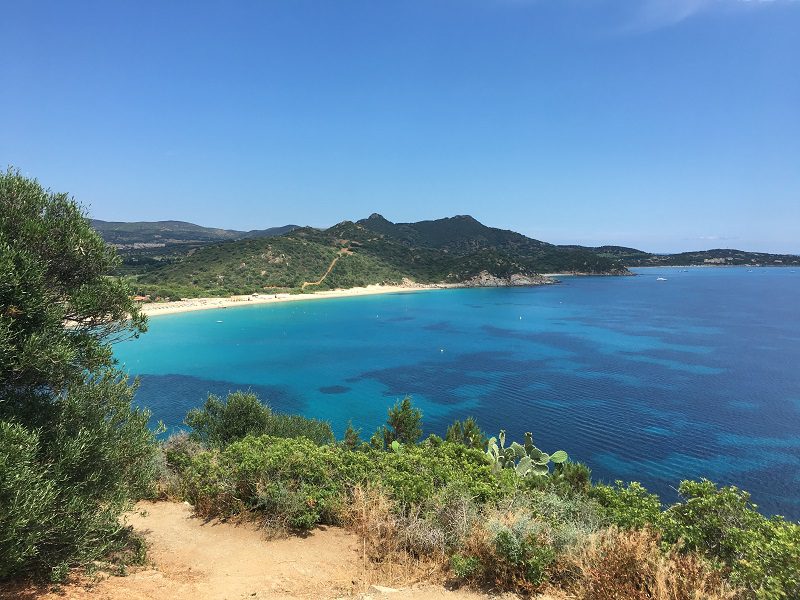
There are at least five excellent reasons to choose Villasimius, Sardinia, for your next holiday. The first reason, of course, is its breathtaking beaches, crystal-clear sea, and diverse marine life, all preserved by the Protected Marine Area. The second is the beauty of its two islands.
The third reason is the proximity of the Monti dei Sette Fratelli, making it perfect for nature walks and mountain biking. The fourth is the rich historical heritage of Villasimius, appealing to those who enjoy cultural experiences alongside relaxation. Finally, the fifth: Villasimius isn’t just a tourist destination but a real, lively town open year-round, with all services, a vibrant community, local festivals, and traditions.
In short, Villasimius is the ideal spot for all kinds of holidays—whether you prefer days full of sports, nature, and cultural activities or look forward to pure relaxation. Thanks to its variety, Villasimius is enjoyable not only in summer, but also in spring and autumn.

1 The Beaches
The main reason Villasimius is famous is its dream beaches and turquoise sea. Not only are the beaches stunning, but thanks to the Protected Marine Area established in 1999, the marine life is abundant. While fishing is prohibited, snorkeling close to shore offers a true natural spectacle.
Arriving from Cagliari, the first stop is Porto Sa Ruxi, known for its three small, white-sand beaches separated by rocks and surrounded by fragrant Mediterranean vegetation and junipers.
Next is Campus, with its long, golden beach that’s easily accessible and perfect for families.
On the way into town, follow the Via del Mare to Simius beach, where a submerged rock formation about seventy meters from shore is teeming with fish—accustomed to people and ready to eat shrimp right from your hand.
Just after the town is another must-see: Cala Giunco, home to the Spiaggia dei Due Mari. Its “second sea” is actually the stagno di Notteri, a lagoon inhabited by pink flamingos. The sea here slopes gently and is perfect for walking in the shallow morning waters.
Further along the road toward Costa Rey, look for signs to the “L’Oleandro” restaurant, then follow the dirt track to Punta Molentis—possibly the most striking spot in Villasimius. Here, a rocky headland separates a sheltered white beach with turquoise water from a dramatic cove of granite boulders. The granite was once quarried here and transported by donkeys—”molentis” in Sardinian, giving the area its name.

2 The islands: Isola dei Cavoli and Serpentara
Villasimius sits on the penisola di Carbonara, stretching out toward two tiny islands: Isola dei Cavoli and Serpentara.
During Sardinia’s Spanish rule, these islands were defensive outposts against Saracen pirates, each with a watchtower. Famous as “torri gagliarde,” they were strongly fortified and equipped with cannons.
The name Isola dei Cavoli likely comes from the Piedmontese geographers’ misinterpretation of “Cavuru” (crab) as “Cavolo” (cabbage), similar to other local toponyms. Its Spanish tower later became a lighthouse, and now houses a university research center. The island’s coast is rugged, with granite cliffs and tiny beaches.
Isola di Serpentara is covered with wild Mediterranean scrub, with no human settlement. The shoreline is rugged, especially facing the open sea; the western side is part of the Protected Marine Area, where navigation is even banned.
Villasimius has a modern marina, the perfect base for exploring the islands and coast, with excursion operators and boat rentals available. If navigating on your own, find out about local restrictions. Remember, the strictest areas require permits even for scuba diving.

3 The hinterland
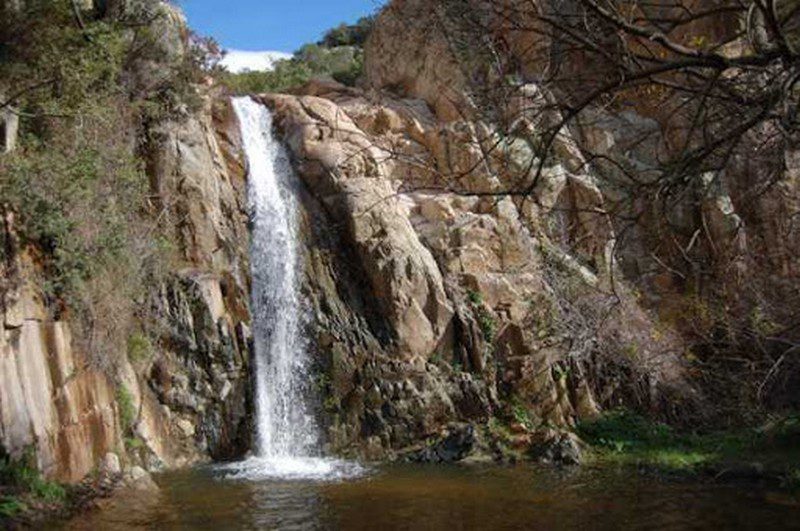
Just behind the penisola di Carbonara, steep hills rise up nearly 1,000 meters: these are the Monti dei Sette Fratelli, part of the Sette Fratelli – Monte Genis regional park. Here, the vegetation changes from Mediterranean maquis to dense forests of carob, juniper, and centuries-old wild olives. With a bit of luck, you can spot the Sardinian deer, or an eagle soaring overhead. On the Costa Rey side, the Minni Minni forest offers springs and streams for nature explorers.
4 Historic sites
The Villasimius area has experienced all the main historical periods of Sardinia. So, it’s no surprise you can visit several sites of archaeological and historical interest. Just before the Campus beach, along the main road, is the rural church of Santa Maria, next to the ruins of a Roman thermal bath.
During the Spanish era, Sardinia frequently faced raids from North African pirates. To defend the coast, from the 16th century onwards, the Spanish built watchtowers in strategic locations—close enough to signal each other with lights. In Villasimius’s area you’ll find, starting from Cagliari, the Torre di Capo Boi, Torre dell’Isola dei Cavoli, Cala Giunco tower and the Serpentara tower. You can’t go inside, but it’s worth reaching the mainland towers for spectacular views.
The Old Fortress (Fortezza Vecchia), just past the current marina, was part of the defensive system. Its original triangle structure dates from the 14th-century Aragonese period; two centuries later, the Spanish added four towers—three facing the sea and one, guarding the only entrance, facing the courtyard. The fortress can be visited and features a permanent exhibit, “Enemigos de la Fè”, telling its military story.
Finally, in the village center, a small but fascinating Archaeological Museum holds finds from the Phoenician-Punic and later Roman sanctuary of Cuccureddus (not open to the public), a female Roman statue from the baths near Santa Maria church—venerated for centuries as a Madonna—and, in the Shipwreck Room, the load of an Aragonese shipwrecked in the 14th century near Isola dei Cavoli: cannons and beautiful majolica tiles (azulejos).
5 Festivals and traditions
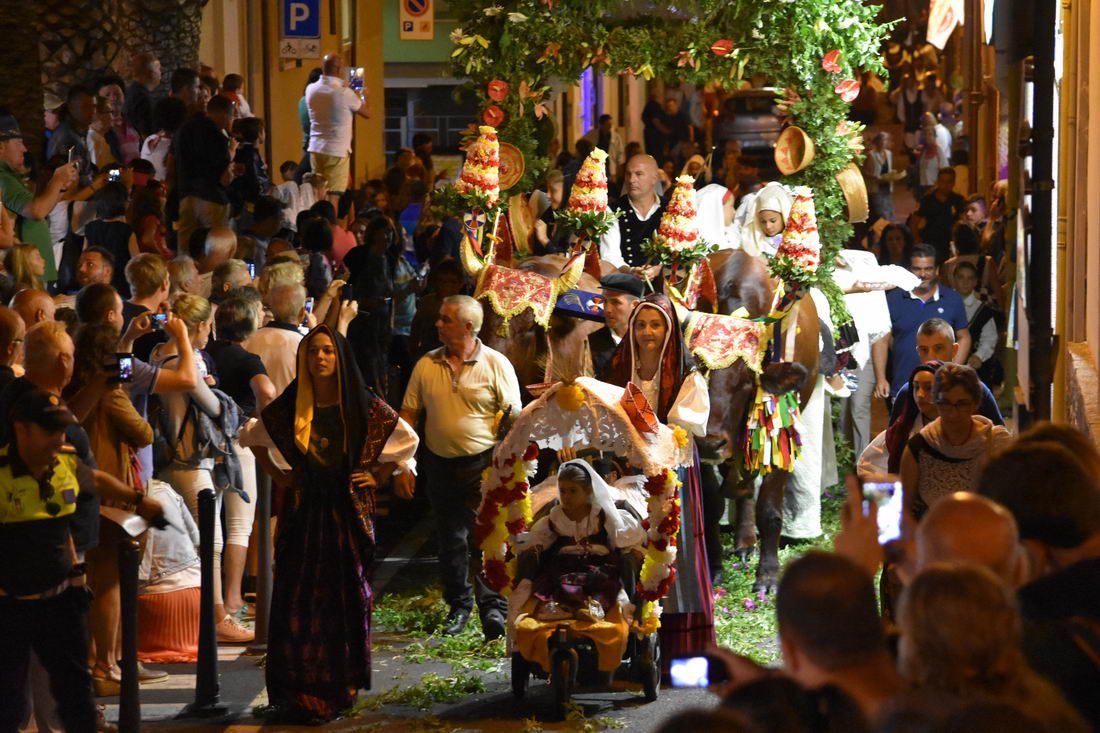
Two lively festivals take place each summer in Villasimius. As per tradition, religious ceremonies are paired with folk performances, local Sardinian costumes, singing, dancing, and irresistible tastings of typical produce.
The third weekend in July hosts the Madonna del Naufrago, featuring a procession of boats to the Isola dei Cavoli where, at ten meters depth, lies the Madonna del Naufrago statue, sculpted by famed Sardinian artist Pinuccio Sciola. The event’s highlight is a Mass celebrated underwater before the statue, amplified to those waiting in boats above. In September (around the 7th and 8th), the countryside comes alive for the Sagra di Santa Maria, where a statue of the Madonna is carried in procession from the parish to the rural church. These events symbolize what has always defined the local community: the sea and agriculture.