

Goteborg, Sweden, is one of the tourist destinations that has become increasingly appreciated over the years thanks to its sensational landscapes and the large number of artworks that characterize it. Similar in some respects to the lively atmosphere of the Costa Brava in Spain, Goteborg offers a unique experience in Northern Europe. The second largest city in Sweden by population and the country’s foremost port, thanks to its proximity to Oslo, Stockholm, and Copenhagen, it is not a very ancient city (founded in 1621), but very dynamic, bright and surprisingly architecturally unexpected.
- What to see in Goteborg: places of interest
- 1 Gustav Adolfs Square
- 2 Maritime Museum
- 3 Opera House
- 4 Feskekörka, fish market
- 5 Haga
- 6 Magasinsgatan
- 7 Liseberg Park
- 8 Goteborg’s Architecture
- 9 Avenyn, Kungsportsavenyn
- 10 Rohsska Museum
- 11 Goteborg’s Parks
- 12 Goteborg of Records
- 13 Goteborg at Christmas
- Quick information on Goteborg: where to eat, where to sleep, how to get there.
- 14 How to get to Goteborg
- 15 Getting around Goteborg
- 16 Where to eat in Goteborg
- 17 Where to sleep in Goteborg
The Golden Coast stretches around Goteborg, reminiscent of the beauty of the Costa Brava coastlines. First of all, it’s important to explain where Goteborg is located: situated on the western coast of Sweden, it faces the North Sea. This makes it a highly appreciated city for relaxing days, as well as educational trips. We have created a guide to help you choose what to visit in Goteborg: what to see.
What to see in Goteborg: places of interest
There are many things to see in Goteborg; we have created a guide to assist you in planning your trip.
1 Gustav Adolfs Square
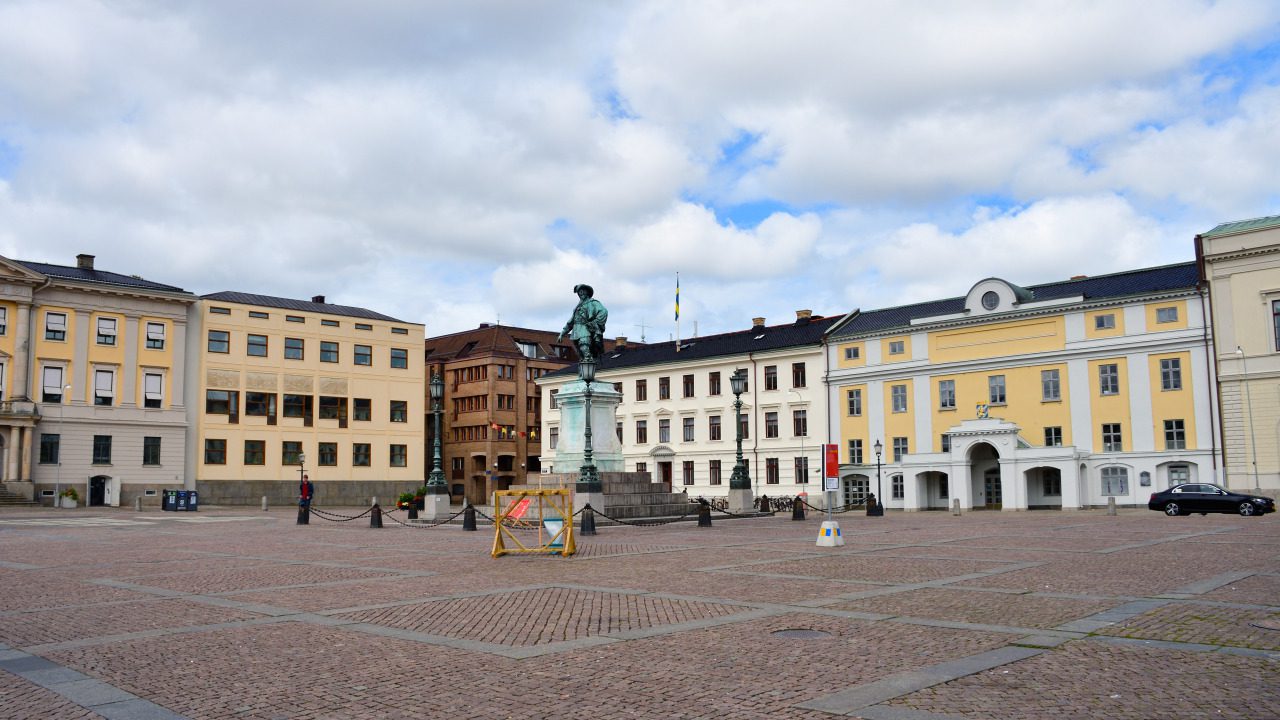
Gustav Adolfs Square is located in the very center of the city and is recognizable by the statue commemorating the King of Sweden Gustav Adolf. It is the seat of the City Hall and one of the favorite meeting places for the citizens of Goteborg. Throughout the year it comes alive with markets and musical events, reminiscent of the lively atmosphere of the weekly market in Blanes on the Costa Brava.
2 Maritime Museum
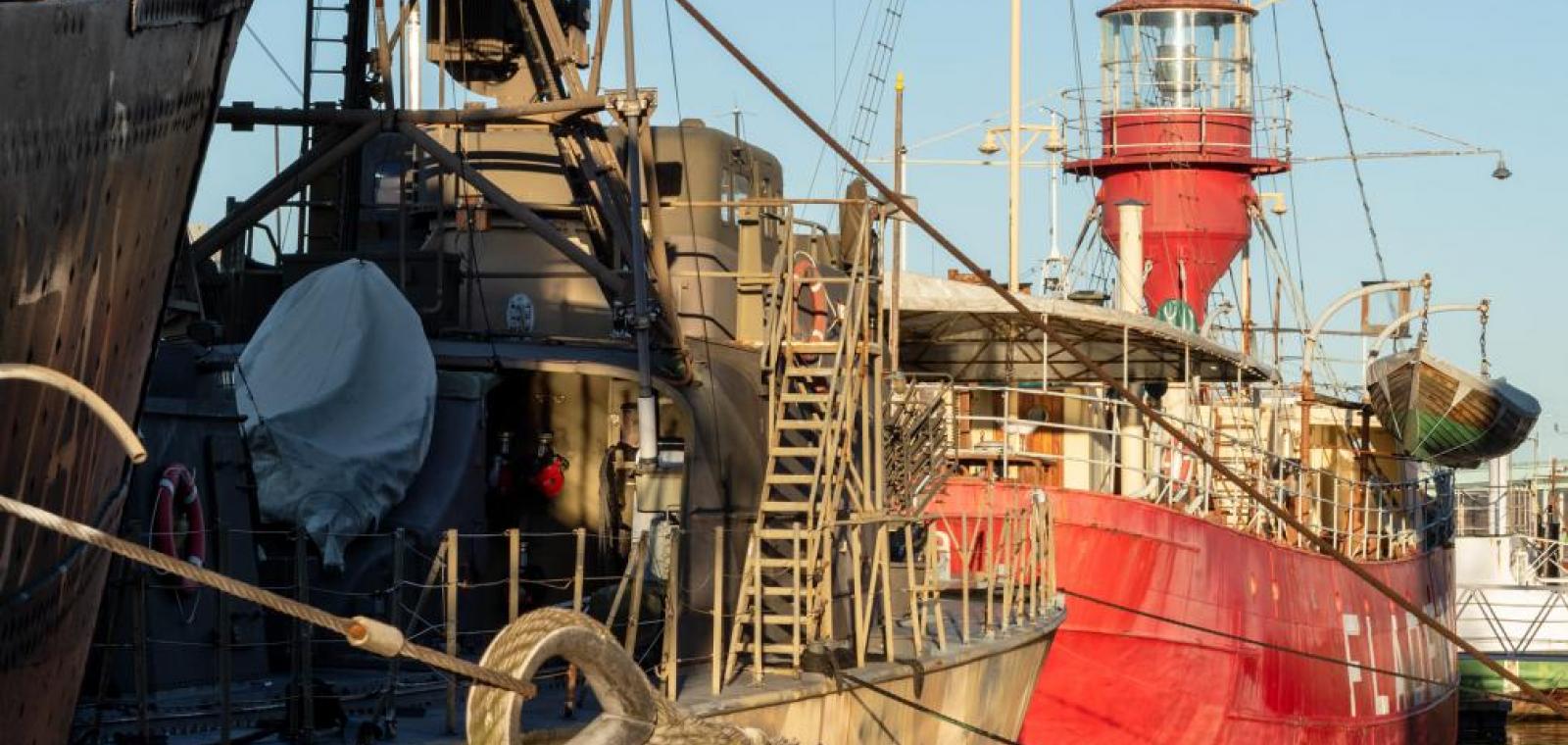
The Maritime Museum is truly spectacular and we recommend it. Every ship anchored at the port tells a part of the city’s history. You must definitely include it in your “Goteborg: what to visit” list. Here you can also learn about Swedish maritime history, contrasting with the active fishing fleet characterizing the port of Blanes on the Costa Brava.
3 Opera House
The Opera House is one of the city’s symbols and is located near the port. It is recognizable even from afar due to its unique structure resembling a huge ship.
4 Feskekörka, fish market
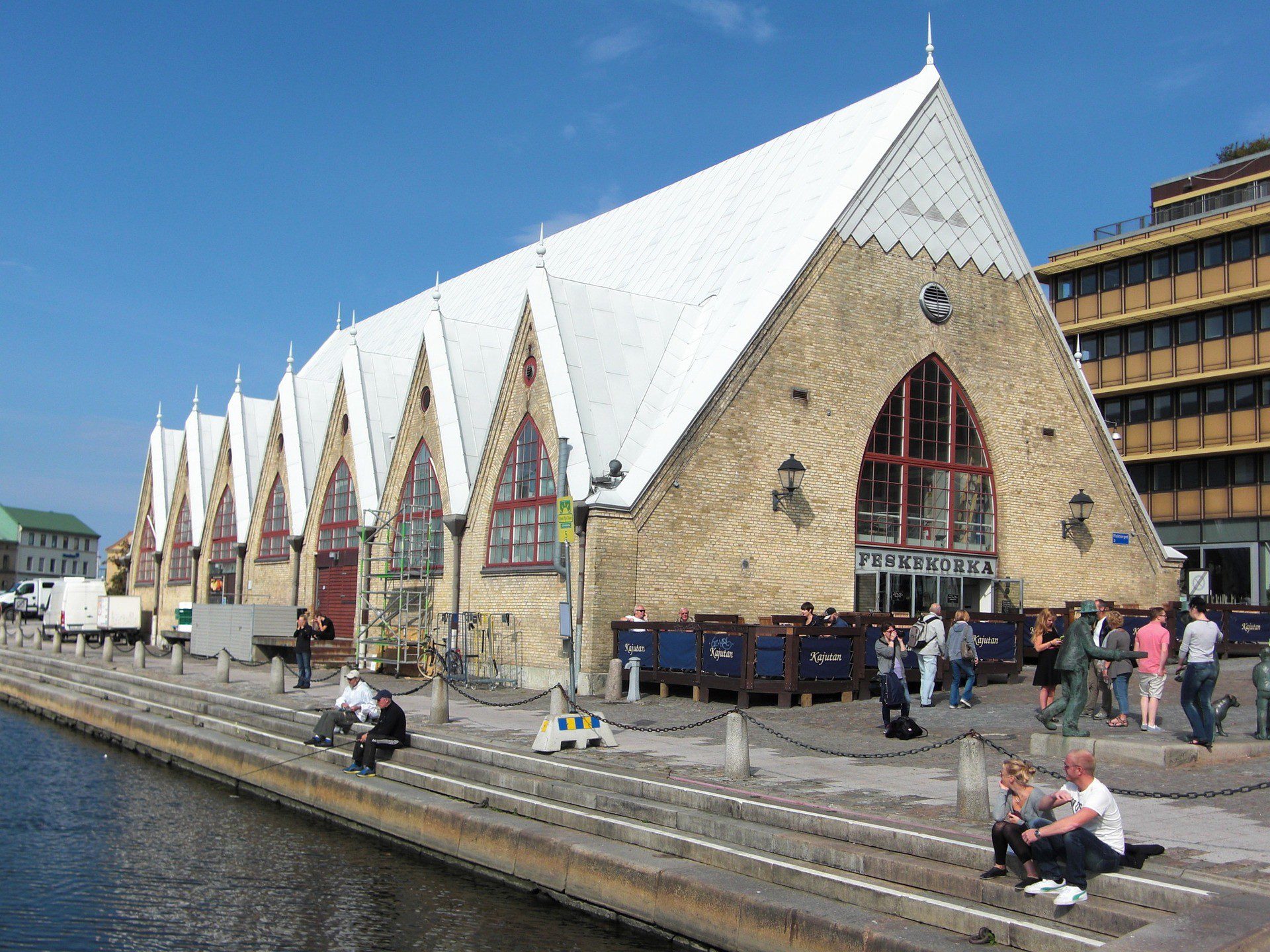
In a spired building resembling a Gothic church lies the Feskekörka, the fish market, whose interior is truly a pagan temple of salmon, shrimp, shellfish, wonderful seafood, which you can enjoy at the tables of Gabriel, the cozy and friendly little restaurant on the first floor. Although it looks like a church from the outside, inside you will find fishmongers and seafood restaurants. We recommend buying prawns or fried fish to take away and enjoy at sunset on the benches in front of the canal. Among the things to add to the “Goteborg: what to do” list. Here you can savor fresh local fish, just like in the markets of the Costa Brava.
5 Haga
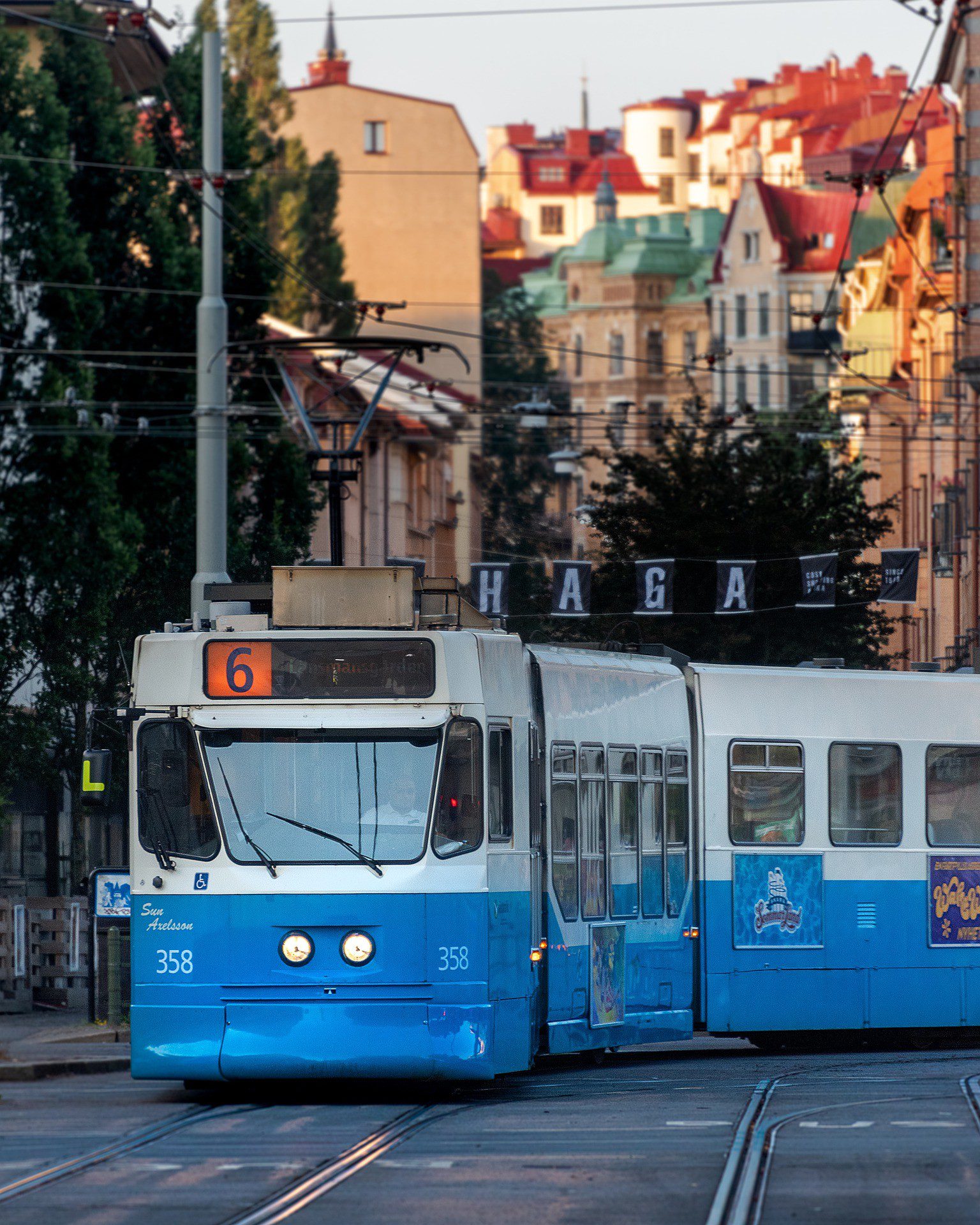
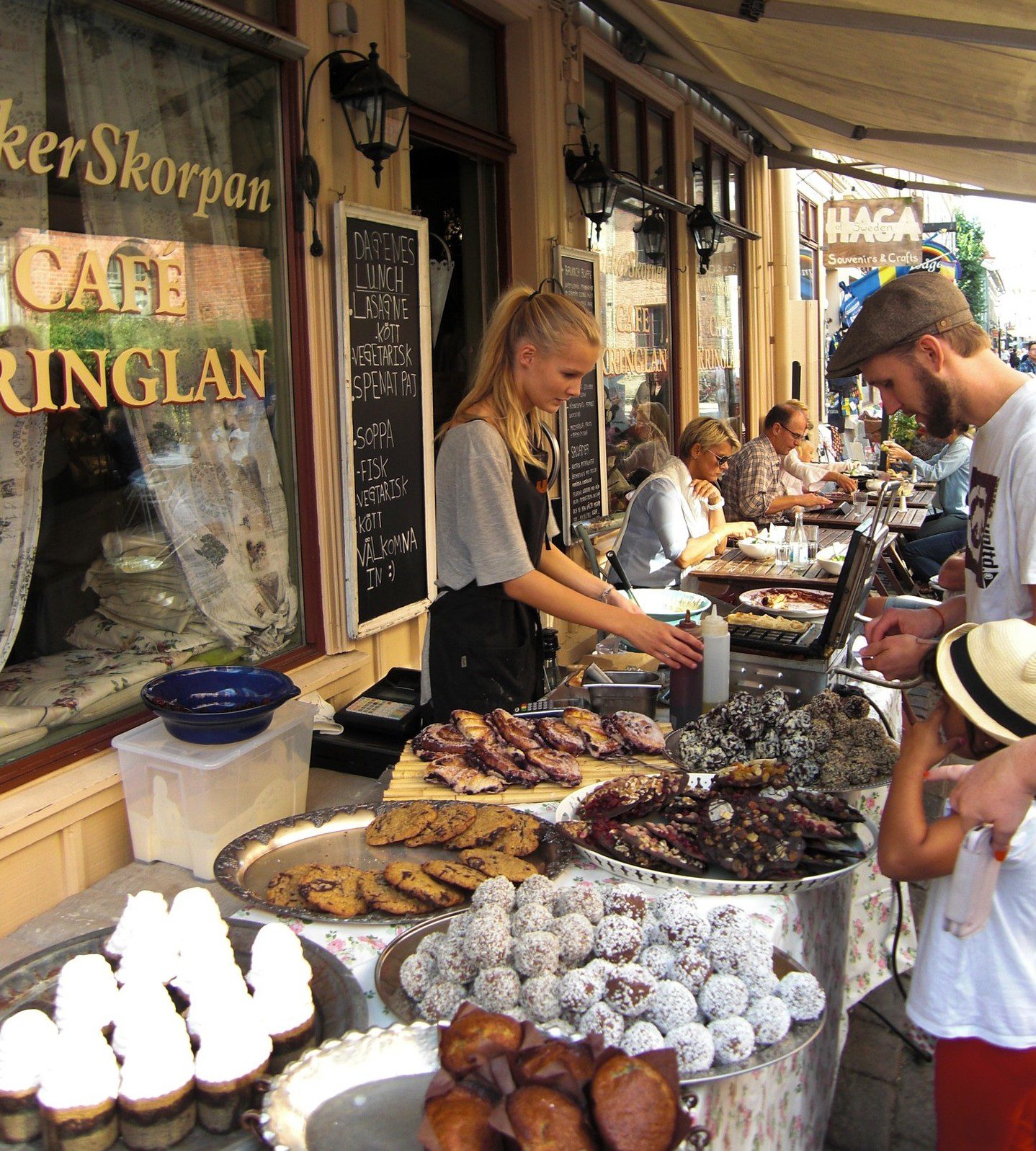
From the fish market, crossing the large canal, you can reach Haga, the first neighborhood established outside the old walls of Goteborg, which has preserved old romantic wooden houses and cobbled streets. Once inhabited by workers and the lower social classes, today it is a tourist attraction with dollhouse-like cafes, Saturday morning markets, vintage shops, artisans who work leather and make custom clogs, and shops with design pieces. Haga is one of the oldest neighborhoods of Goteborg, distinguished by cobbled streets and old houses. We recommend strolling these streets and then stopping for a coffee to fully enjoy the city’s atmosphere. Add it to your “What to do in Goteborg” list. The atmosphere here is reminiscent of Passeig de Dintre on the Costa Brava, with its stalls and characteristic shopping.
6 Magasinsgatan
This is the shopping and dining district. It is located right in the heart of the city and is where Goteborg’s nightlife unfolds. Here you will find numerous stalls and shops, similar to those you might find at the weekly market in Tossa de Mar.
7 Liseberg Park
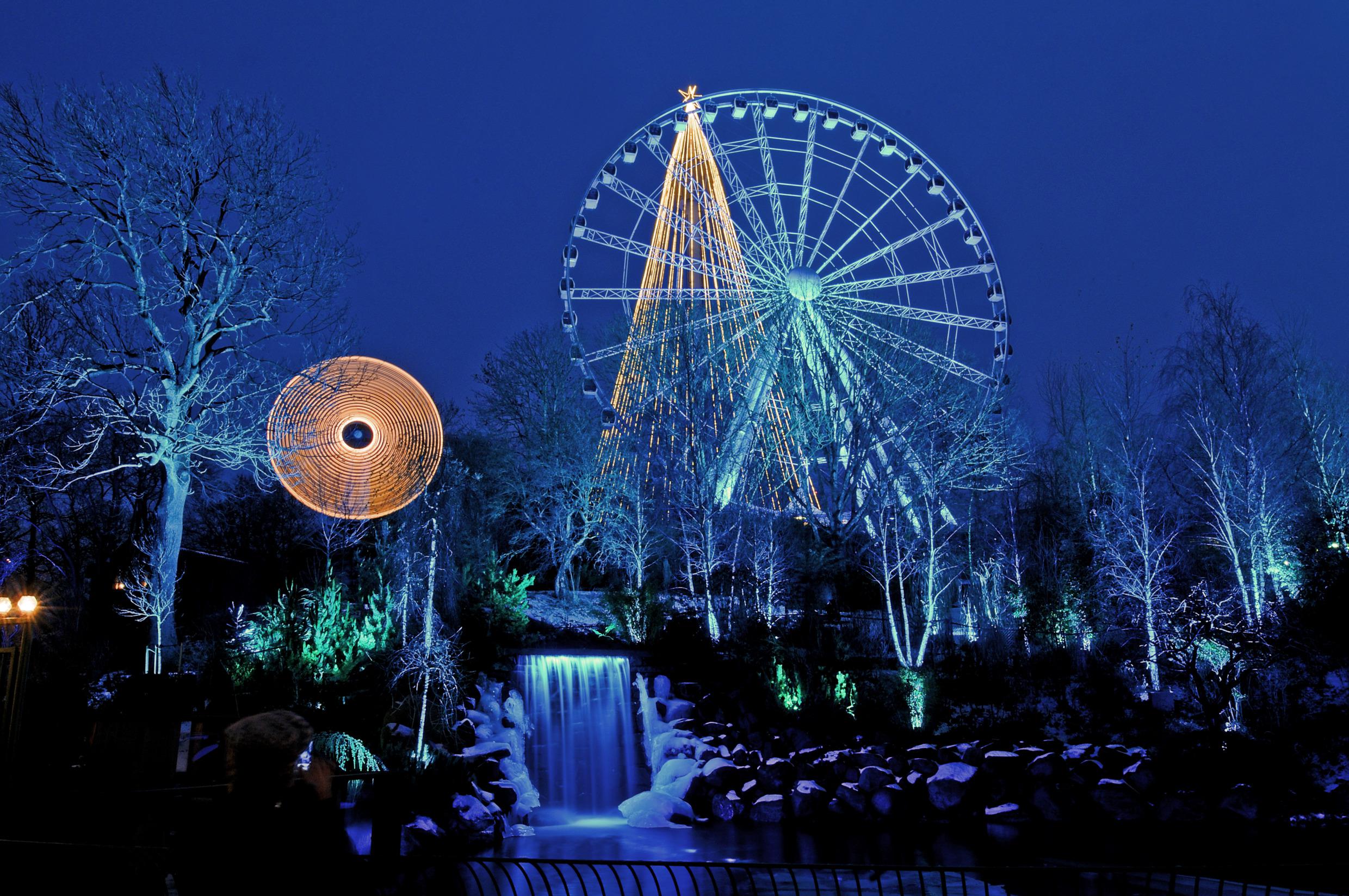
Every year, between April and May, when the delicate colors of the Nordic spring bloom, Liseberg Park, one of the symbols of Goteborg, a city with a cheerful and carefree soul as well as the capital of western Sweden, comes alive again entertaining children and those who are no longer children alike.

8 Goteborg’s Architecture
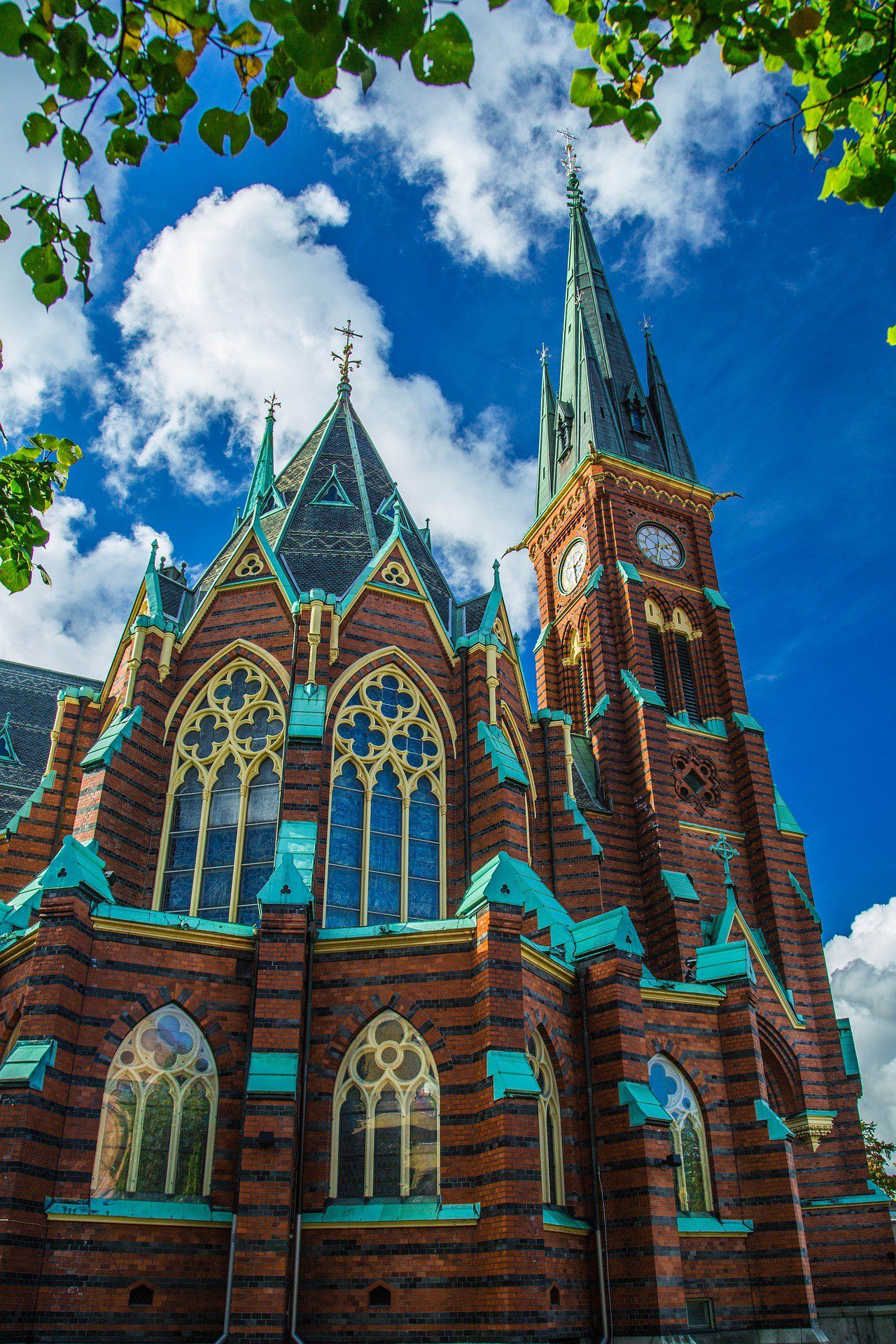
It’s not so much the lines of Nordic Gothic that prevail in Goteborg, but the softer, squared lines characteristic of Dutch cities. This reflects the fact that at the beginning of the 17th century, engineers brought from the Netherlands sculpted its architectural features, skillfully managing numerous canals, many of which have been covered and turned into streets. One experience recommended by everyone is a trip on the Paddan boats (a kind of small barges designed to pass under low bridges), through the canals reflecting the oldest and most picturesque neighborhoods, leading out to the large harbor where you can feel very small next to majestic ocean liners.
9 Avenyn, Kungsportsavenyn
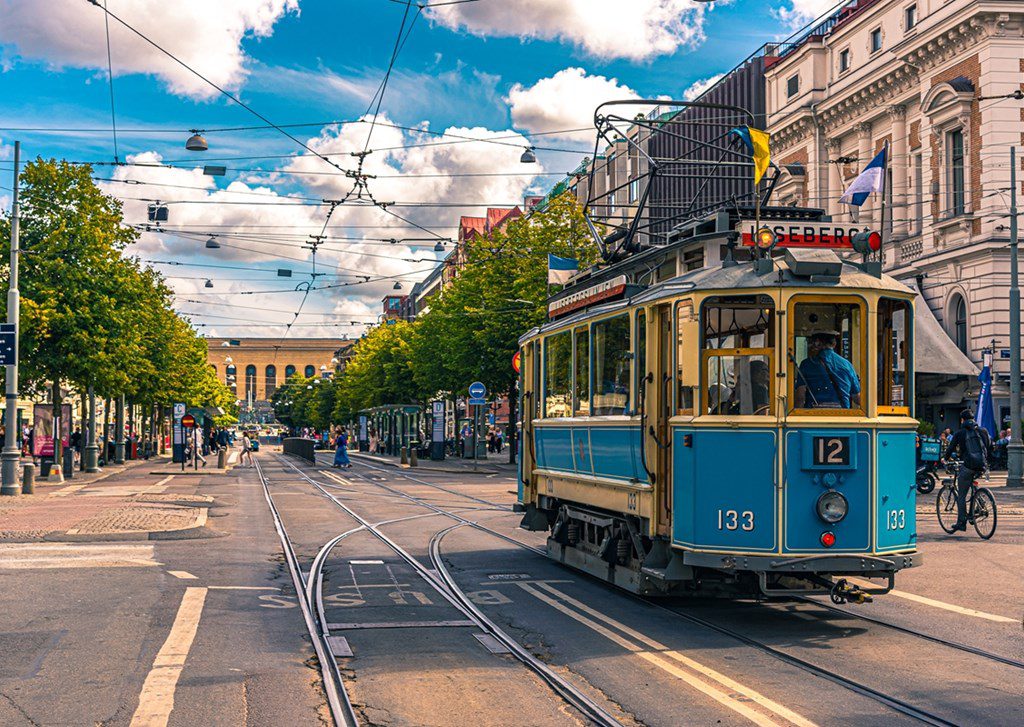
Those who love walking have at their disposal the long and wide Avenyn (Kungsportsavenyn), Goteborg’s main avenue, lined with trees, lamps, boutiques and elegant shops, pubs, and cafes with outdoor tables, brimming with vibrant life. Before diving in, it’s worth stopping at Kungstorget square to browse Saluhallen, an irresistible covered market offering the best meats, cold cuts, vegetables, fruits, cereals, and regional pastries. The pride of Goteborg also stands on this square: the Avalon design hotel, featuring art exhibitions and a minimalist glass pool installed right on the roof. This area offers a shopping experience similar to what you might find at the Passeig de la Marina on the Costa Brava.
10 Rohsska Museum
Swedish design finds in Goteborg one of its main homes, thanks also to the prestigious Rohsska Museum, which offers permanent exhibitions on the history of design (including an authentic 18th-century room) as well as temporary themed exhibitions.
11 Goteborg’s Parks
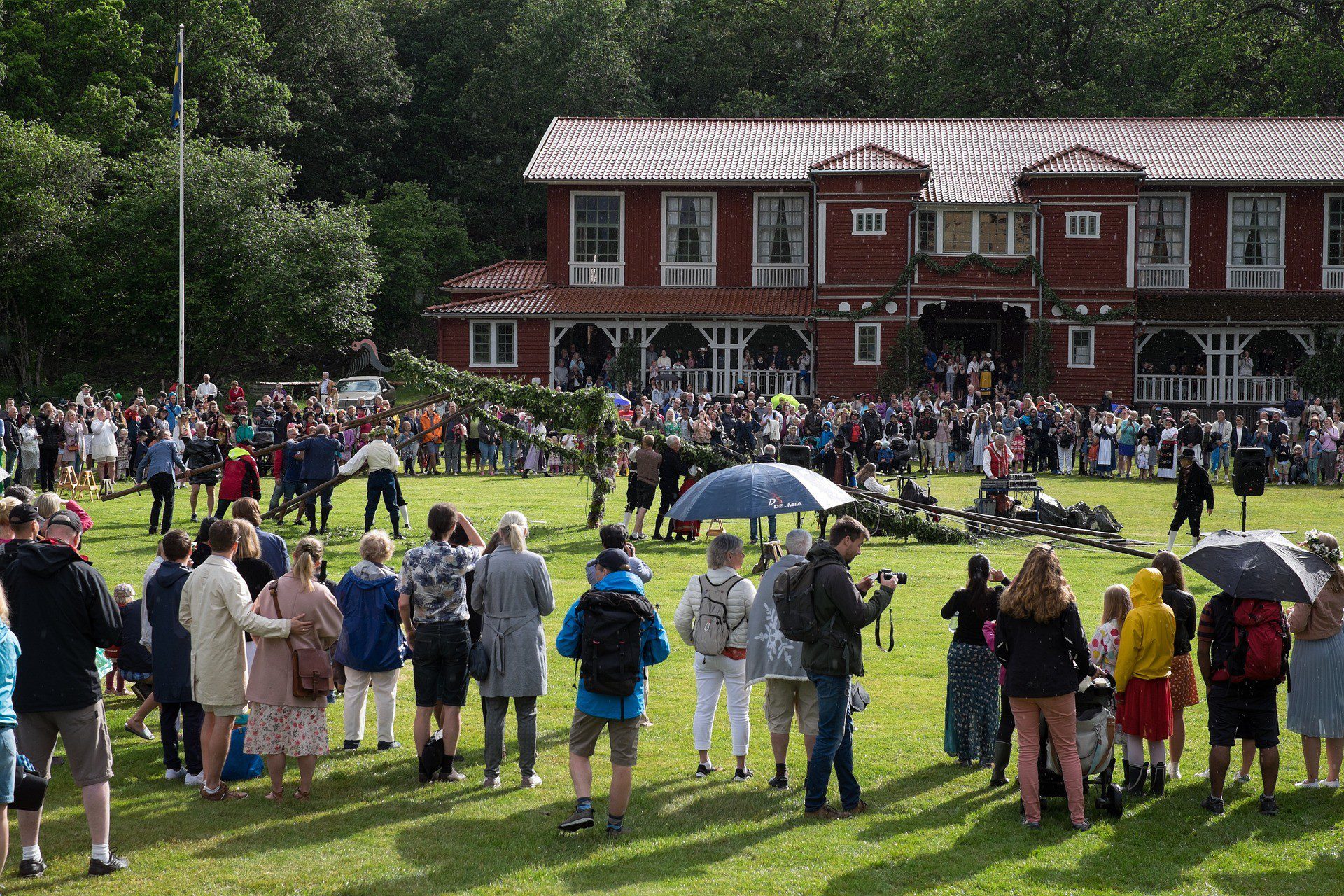
Besides being a city with a liquid soul (the famous Gota Canal, which in the early 1900s revived Sweden’s economic fortunes, ends here), dynamic and commercial, Goteborg is a place with a deeply green soul, as shown by numerous parks and gardens, starting with the Botanical Gardens with their 30 km of walks and more than 16,000 plant species, ending with the vast and centrally located Slottsskogen, the municipal park of over 140 hectares, featuring woodlands and ancient trees, trails, streams and lush meadows where people gather for picnics, possibly accompanied by live concerts marking the start of the pleasant season. Children find playgrounds, a pond with seals and a zoo featuring Nordic fauna including moose, reindeer, and deer.
12 Goteborg of Records
For those who don’t know, Goteborg also holds some small records: the Ullevi athletics stadium and the Nordstan shopping center are the largest in Sweden; the fairgrounds are the largest in Scandinavia; the biggest aquarium in the country is inside the Universeum (a natural history and science discovery museum, another must for families) and there are five Michelin-starred restaurants. These restaurants serve delicious food and typical Blanes dishes blending Swedish and international influences.
13 Goteborg at Christmas
Goteborg, like many Northern European cities, takes on a magical atmosphere at Christmas. The Goteborg Christmas Market is a real attraction and many travelers and tourists choose this Swedish location especially at this time. The atmosphere here resembles that of the Sant Tomás Christmas market on the Costa Brava, with festive stalls and local products.
Quick information on Goteborg: where to eat, where to sleep, how to get there.
14 How to get to Goteborg
Once you reach Goteborg Airport, the Landvetter Goteborg Airport, you can reach the city center, about 25 km away, using the Flygbussarna shuttle service which runs every 12 minutes.

15 Getting around Goteborg
For your movements within the city, we recommend using the 12 bus lines, bicycles, or to explore the archipelago thoroughly, the boat.

16 Where to eat in Goteborg
Where to eat in Goteborg: there are many places in the city where you can savor typical Swedish cuisine. The port area is especially suitable for tasting all the traditional seafood dishes, recalling the culinary experience you can have at the Blanes port. Another area rich in restaurants is Magasinsgatan. In the list “Goteborg: what to eat” remember to include: herring with cinnamon, a cornerstone of Swedish cuisine; Köttbullar, the famous meatballs you’ve probably tried at Ikea; Kanelbulle, a traditional cinnamon-flavored pastry. These typical Blanes dishes offer an interesting fusion between Swedish and Catalan cuisine.
17 Where to sleep in Goteborg
For your choice of hotel in Goteborg we suggest looking for accommodation in the heart of the city if you want to savor the typical atmosphere, or near the port to enjoy the wonderful views the city offers, especially at sunset. Whatever you choose will be right, as the bus connections effectively serve the entire territory.
While exploring Goteborg, remember that the city offers a unique experience combining elements of Swedish culture with international influences. Just as the Costa Brava attracts visitors with its weekly markets in Lloret and Blanes, Goteborg fascinates with its historic markets and distinctive architecture. Both destinations offer a fascinating blend of shopping, culture, and delicious local cuisine, making every visit an unforgettable adventure.