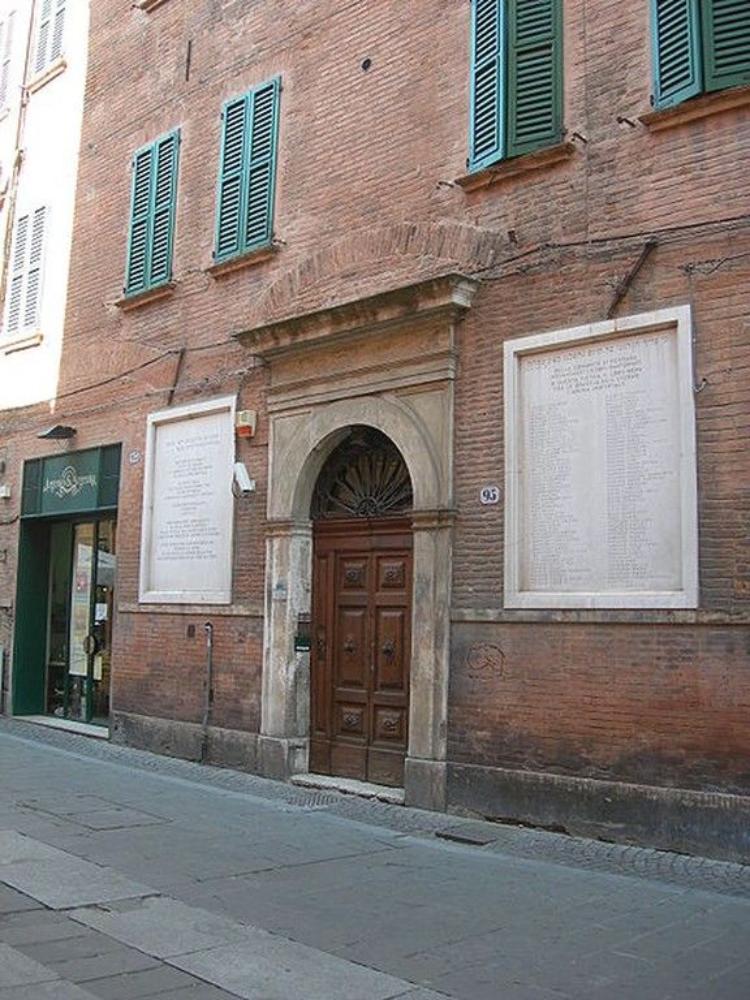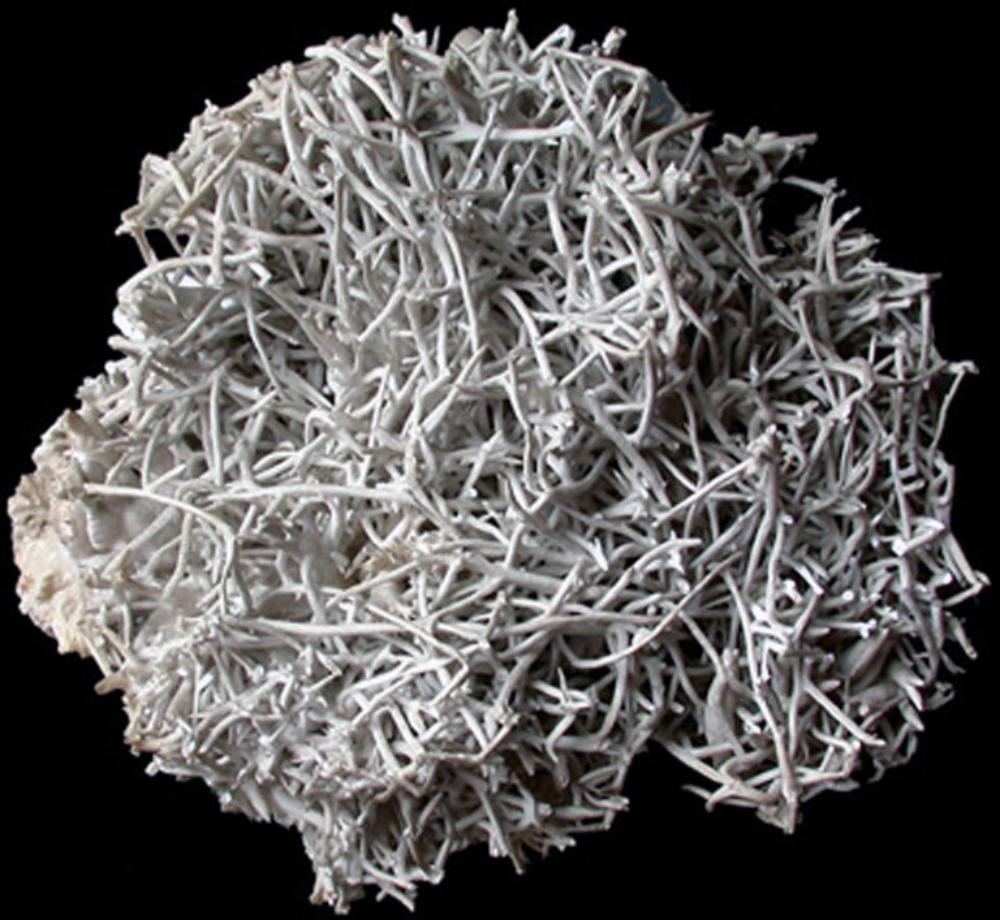


Like the paleontology museum collections, the Geology and Mineralogy Museum originated from the donation (1786) by the Bishop of Modena Giuseppe Maria Fogliani of his natural history collection to the University. In 1814, the collection was significantly enriched with the donation of a precious mineral collection from Massimiliano, brother of Duke Francesco IV of Austria-Este. At the same time, following the acquisition of new premises on the second floor of the current University Palace, the separation of the geo-mineralogical collections from the zoological ones began. In addition to interesting sections of mineralogy and regional petrography, the museum houses some rare specimens, such as the meteorite that fell in Albereto di Modena in 1765 and a collection of zeolites (crystalline aluminosilicates with a molecular structure of micropores containing water) that is unique in the world. Since 2005, with the aim of presenting itself to the public with greater visibility, the Museum adopted the simple yet evocative name of ‘Gemma 1786’. After the initial phase, a further leap in the enhancement of the museum heritage occurred in 1840 when Pietro Doderlein was appointed to teach Natural History. Founder and scholar of Modenese paleontology and geology, he not only expanded the museum but completely reorganized it, enriching the university collections of mineralogy, geology, and especially paleontology, through research campaigns and field investigations in the lands of the Estense States. The mineralogical section possibly reached its peak in the second half of the 19th century. The reorganization of the materials began in 1877 by Gustavo Uzielli, who compiled a catalog according to Dana’s classification (1875). During his stay in Modena, Dante Pantanelli continued Uzielli’s catalog, eventually classifying around 2800 specimens in total. In 1879, Carlo Boni purchased a collection consisting of about 3500 specimens accompanied by a handwritten catalog. The wartime events of the 1940s caused the evacuation of the collections and their fragmentation following the division between the Institutes of Paleontology, Mineralogy, and Geology. In addition to the historical collections, the museum heritage has meanwhile been constantly enriched thanks to research conducted both in Italy and abroad by university geologists and mineralogists for study and educational purposes.
Information about Gemma 1786. Estense Mineralogical and Geological Museum
Largo Sant’Eufemia, 19,
41121 Modena (Modena)
0592055873
[email protected]
https://www.gemma.unimore.it
Source: MIBACT