


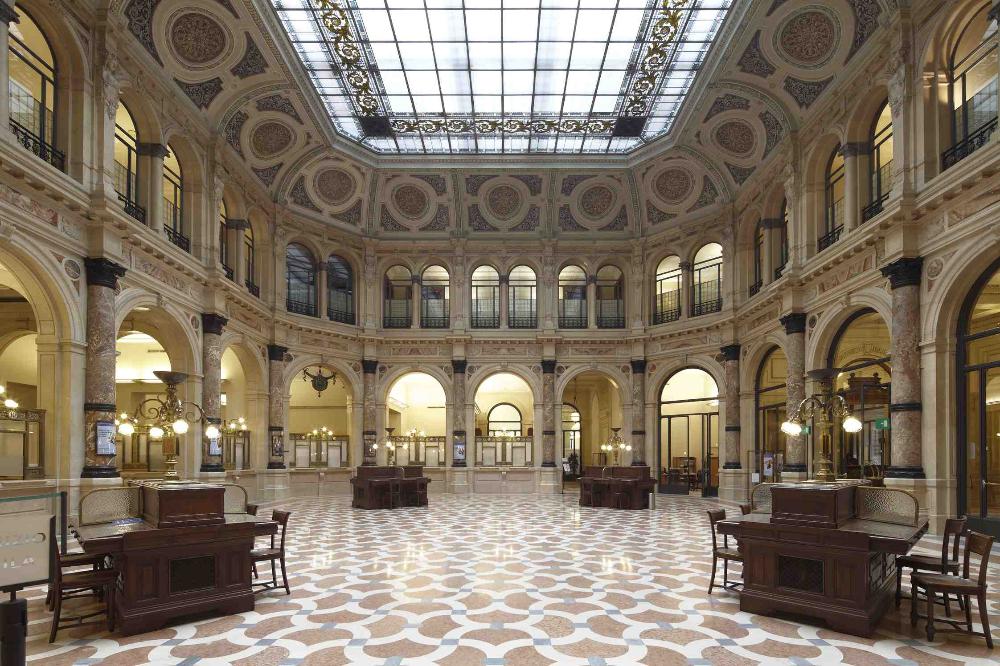

In the historic center of Milan, within the evocative spaces of the eighteenth-nineteenth century Anguissola Antona Traversi and Brentani palaces, is located the Gallerie d’Italia museum complex, dedicated to 19th-century art, with about 200 works from the Fondazione Cariplo (135 pieces) and the Intesa Sanpaolo collection (62 pieces).
Gallerie d’Italia. Under this name are united the museum and cultural centers of Intesa Sanpaolo present throughout Italy: historic bank palaces located in the heart of Italian cities are converted into exhibition venues to make available the most important collections they own.
The declared ambition is to create a network that embraces the entire country, made up of places suitable for fostering public interest and engagement with art in its various forms, centers intended to host temporary exhibitions, cultural and scientific initiatives, musical programs, and educational workshops.
The idea of the Gallerie d’Italia stems from the desire—felt as a duty—to share with the community and to put at the service of the country’s cultural growth the vast heritage belonging to Intesa Sanpaolo. Made up of valuable art collections (ranging from archaeological finds to 20th-century testimonies, about 20,000 works of which 10,000 are of particular historical-artistic interest), buildings of great architectural and civil significance, and precious archival material, this heritage has been inherited from about 250 banking institutions from various Italian regions that merged into the Group.
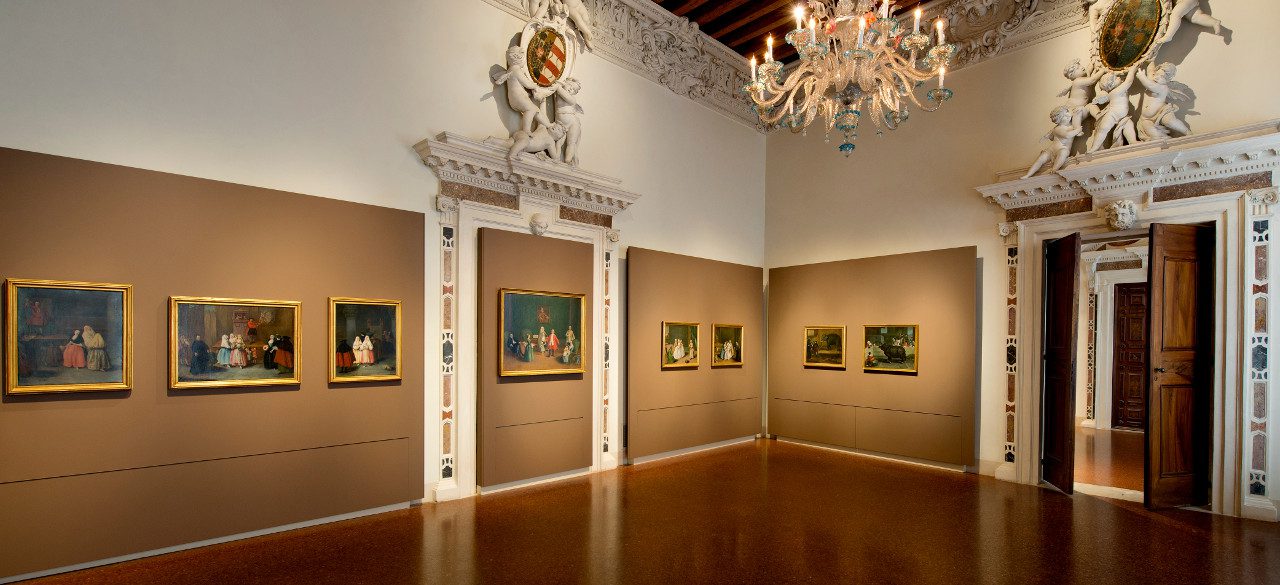
The Gallerie d’Italia project reached one of its most important milestones with the opening of the Gallerie in Piazza Scala in Milan.
The paths of the Gallerie d’Italia span from Antonio Canova’s late eighteenth-century bas-reliefs to the pre-futurist masterpieces of Umberto Boccioni, alongside equally significant masters of our country such as Francesco Hayez, Gerolamo Induno, Angelo Inganni, Federico Zandomeneghi, Giovanni Boldini, Telemaco Signorini, Giovanni Segantini, Angelo Morbelli, Gaetano Previati, Giulio Aristide Sartorio.