

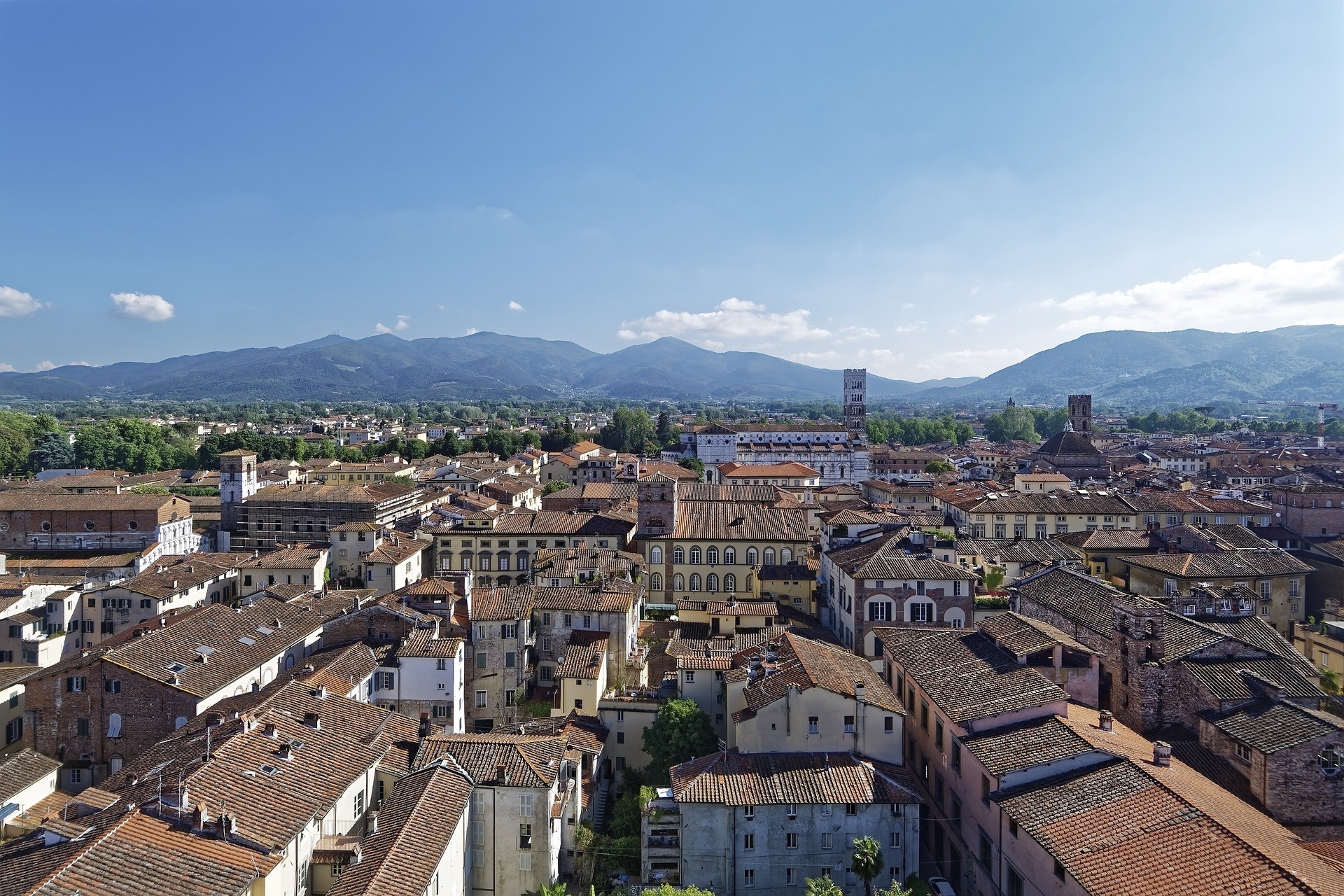

Lucca is a jewel of a city, revealing itself to visitors little by little. The first impression comes from the 16th-century walls still perfectly preserved that embrace the historic center and offer a 4 km long stroll.
- What to see and do in Lucca for those short on time
- What to see and do in Lucca: one-day itinerary
- San Martino Cathedral
- Piazza Napoleone
- Piazza San Michele
- Torre Guinigi
- Piazza dell’Anfiteatro
- City Walls
- Palazzo Pfanner
- Puccini Museum
- 10 things to see in Lucca in two, three, or more days
- 1 Baptistery and Church of Saints Giovanni and Reparata
- 2 Natural History Cabinet of Liceo Machiavelli
- 3 Roman Domus Lucca “House of the Child on the Dolphin”
- 4 Lucca Botanical Garden and Cesare Bicchi Botanical Museum
- 5 Liberation Historical Museum (1943-1945)
- 6 Paolo Cresci Museum for the History of Italian Emigration
- 7 Italian Museum of Comics and Images of Lucca
- 8 Palazzo Mansi Museum
- 9 Villa Guinigi National Museum
- 10 Lucca State Library
- What to see around Lucca
- 1. Serchio Valley
- 2. Pisa
- 3. Lucchesi Hills and the Wine Route
- 4. Garfagnana
- 5. Montecatini Terme
- The Best Time to Visit Lucca
- How to Get to Lucca
- Getting Around Lucca
- What to Buy in Lucca
- How Many Days in Lucca
- Is one day enough in Lucca?
- I have only half a day; what should I do?
- Where to Stay in Lucca
Made up of tree-lined avenues, staircases, and green squares, these walls are one of the favorite spots for locals to walk or cycle, jog, relax a bit while peeking from above at palaces and courtyards, cobblestone streets, vegetable gardens, and parks.
You can start your visit from the beautiful Piazza Napoleone, established in the 19th century, also known as Piazza Grande, which overlooks the Palazzo Ducale, marked by wide courtyards and richly decorated rooms.
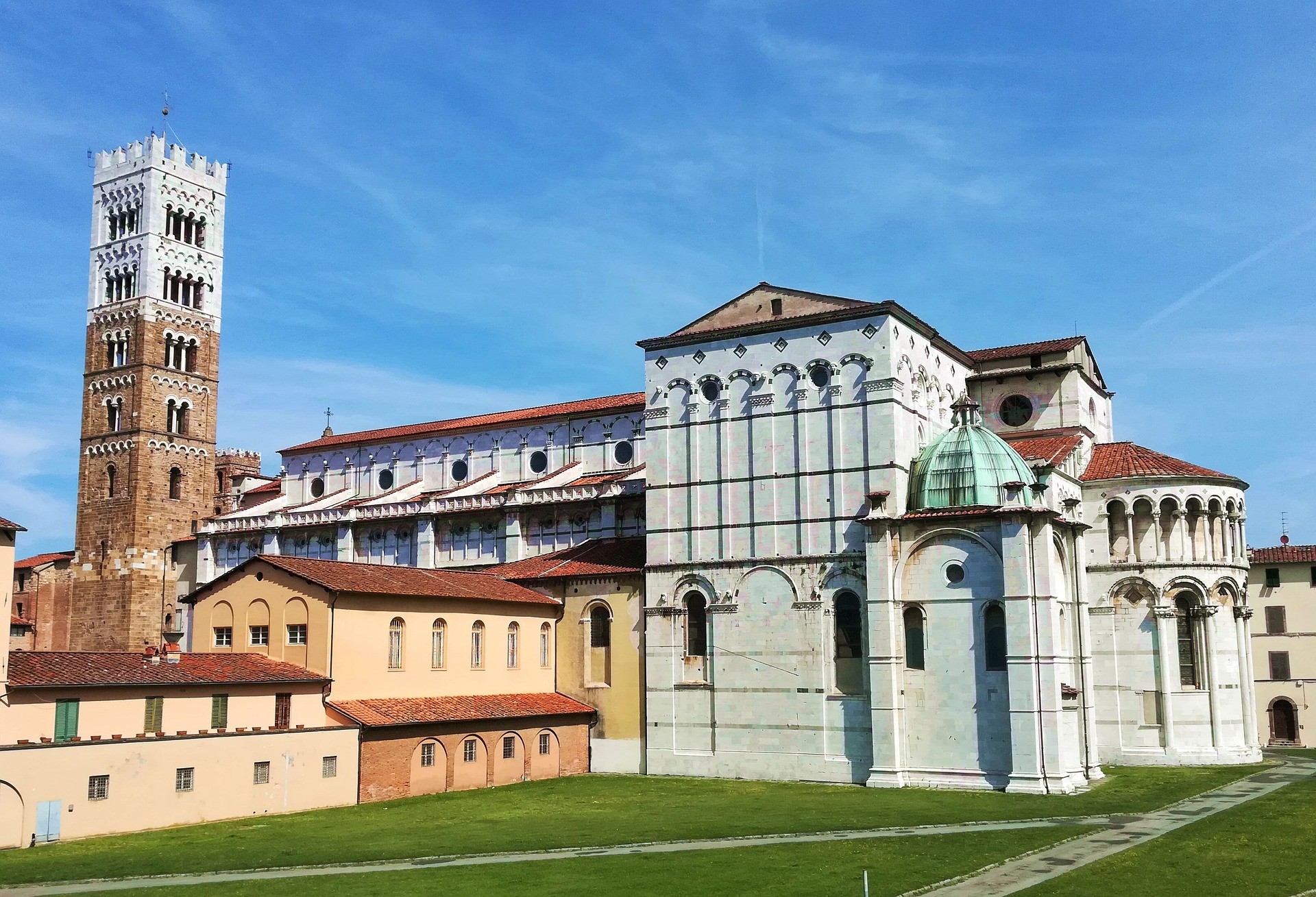
A few hundred meters eastward, the Cathedral of San Martino emerges, a masterpiece of Romanesque art, with a multiform columned façade and a portal adorned with wonderful bas-reliefs. Inside it holds unique treasures like the Holy Face, a 10th-century wooden crucifix by an unknown author, and the 15th-century funerary monument to Ilaria del Carretto, the work of Jacopo della Quercia.
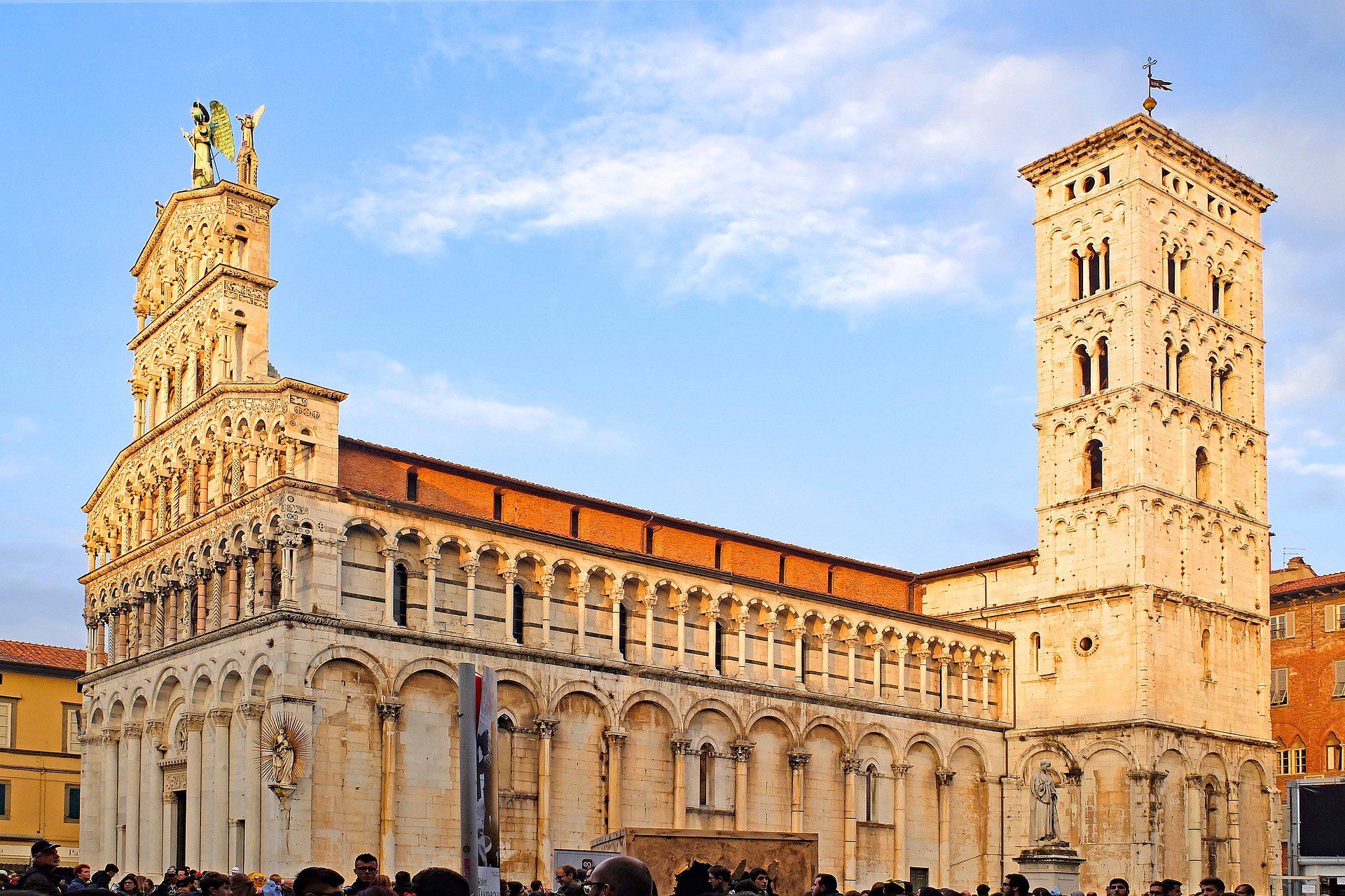
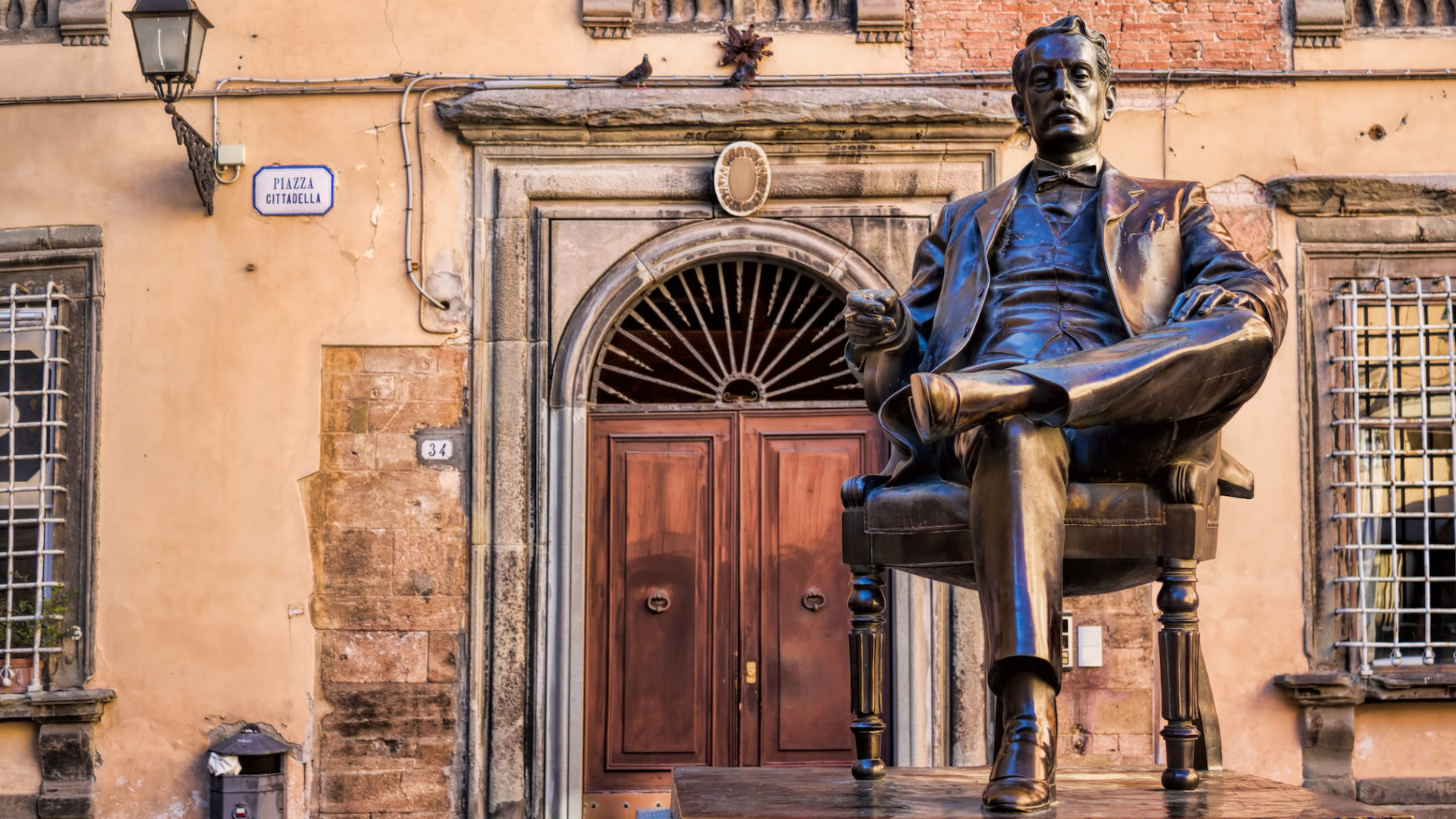
Another monument particularly dear to Lucca’s residents is the Church of San Michele in Foro, whose façade of bright limestone, adorned with rich Romanesque decorations, floods the beautiful square, which hosts local shops and traditional artisan stores. Just steps away, in the maze of alleys, you’ll find the square with the monument and the house-museum (currently under restoration) of the great musician Giacomo Puccini, Lucca’s most famous son worldwide.
Eastward along Via Fillungo, the city’s narrow and long central artery lined with elegant shops (famous goldsmiths – Lucca boasts an ancient and prestigious tradition in goldsmithing) and historic venues like Caffè di Simo. Walking along Via Fillungo is especially pleasant and relaxing and lets you experience firsthand the good taste and art of good living in this city. The street also leads to the spectacular Piazza dell’Anfiteatro, which has preserved its unique elliptical shape through the centuries, also used by cinema and advertising, and the square with the Basilica of San Frediano, whose white marble façade is dominated by a splendid Byzantine-style mosaic (13th century) depicting The Ascension of Christ.
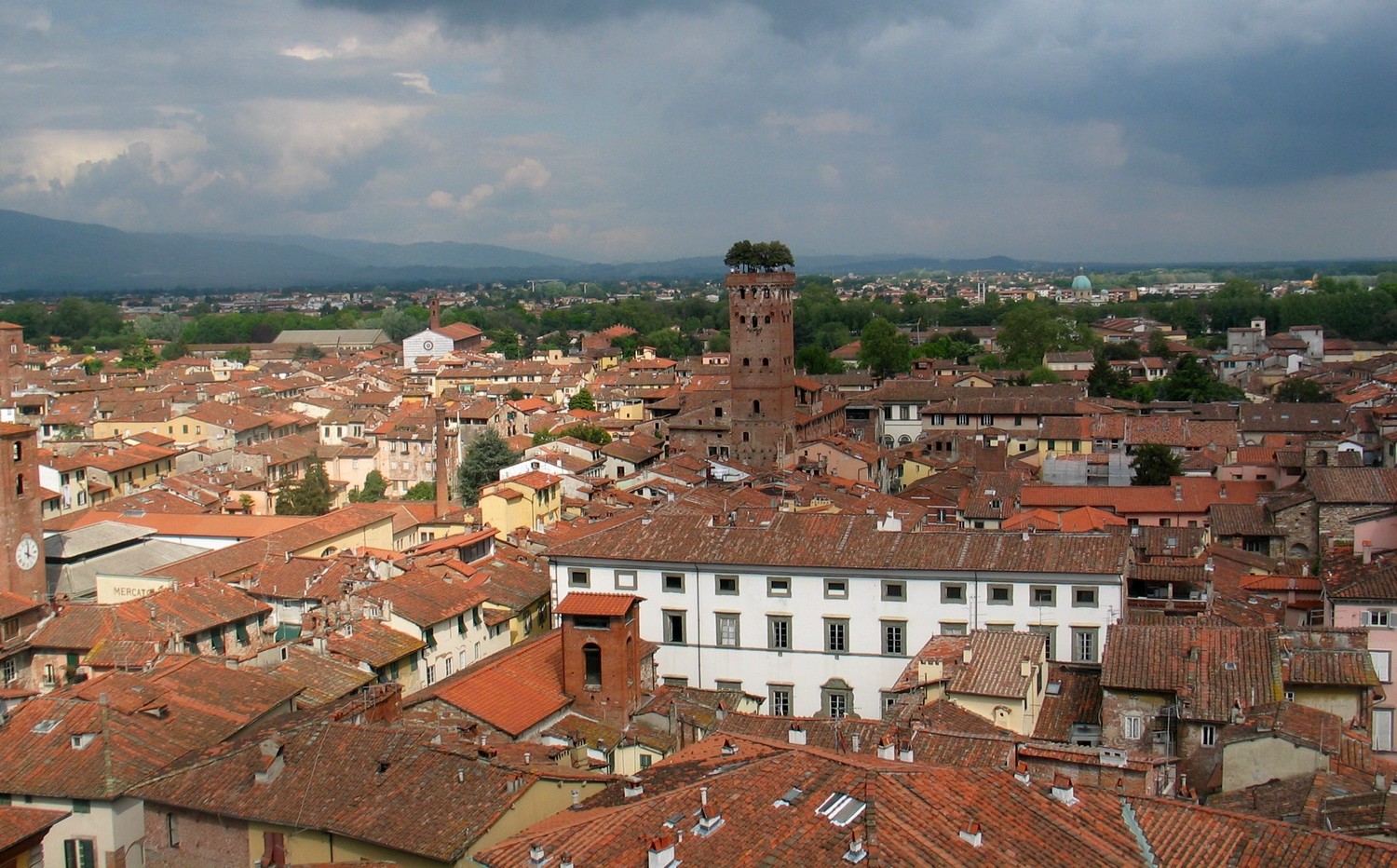
Among Lucca’s wonders are also its towers, which allow you to discover the city from above, revealing breathtaking views and dizzying perspectives. Definitely worth climbing are those of Palazzo Guinigi, known as the tree-lined tower because of the ancient holm oaks decorating its top, or the Torre delle Ore, where a large 18th-century clock dominates, whose mechanism (visible at the top) controls the bells. There are also events like the Lucca Summer Festival and Lucca Comics & Games.
If you’re looking for what to do and see in Lucca in one day, you’re in the right place. This article will guide you through a carefully designed itinerary to allow you to discover and fully enjoy everything Lucca has to offer.
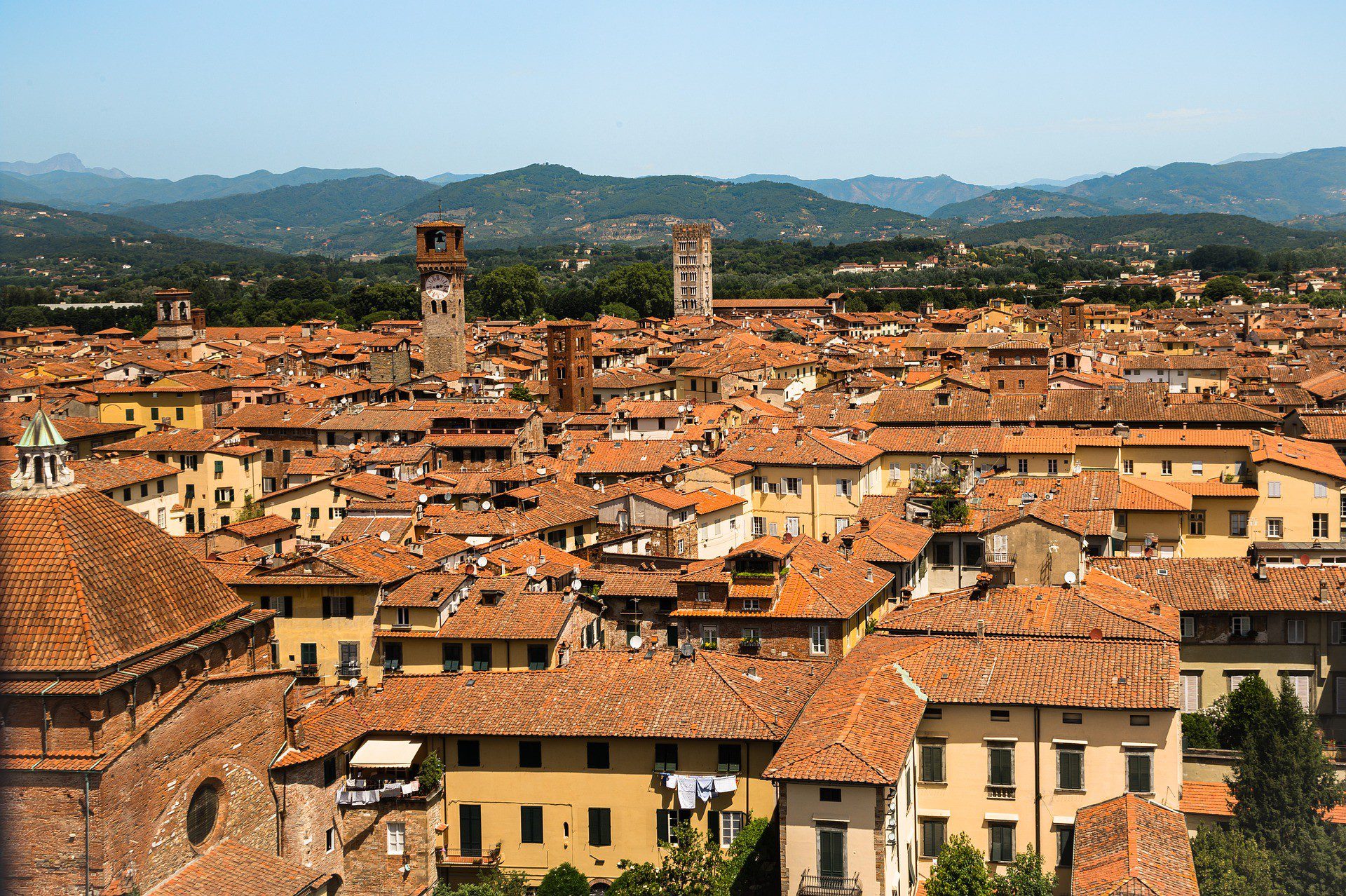
Although you only need one day to see Lucca’s attractions, don’t think there’s not much to see in this charming Tuscan city. The historic center is so compact that none of Lucca’s best places to visit are too far. With a day in the city, you can see all that Lucca has to offer within its historic center.
However, before moving on to our Lucca itinerary, we just want to remind you to purchase travel insurance. You never know what might happen, and believe us, you don’t want to be stuck paying thousands in medical bills. As a wise person once said, “If you can’t afford travel insurance, you can’t afford to travel.”
San Martino Cathedral
Within Lucca’s walls are many historic churches, but the Cathedral of San Martino stands out. Also known as Lucca Cathedral, it’s not as tall as main cathedrals of Siena and Florence but impresses greatly with its grand Gothic architecture and combination of marble and brick. It also boasts a grand marble atrium inside and incredible attention to detail everywhere, like stone sculptures and intricate painting on the façade. Don’t miss climbing the bell tower for your first view over all of Lucca.
The Cathedral’s sacristy has been converted into a museum to better preserve the famous funerary monument to Ilaria del Carretto, created by Jacopo della Quercia, previously kept in the cathedral’s transept. The sacristy also displays Domenico Ghirlandaio’s altarpiece Madonna and Child with Saints.
Adjacent is the Cathedral Museum of Lucca. The museum was created in 1992 to house furnishings made from the early Middle Ages for the solemn liturgical functions of the Cathedral, as well as sculptures and paintings that, removed from their original places for conservation reasons or replaced by more updated works, lay inaccessible in storage or the sacristy.

Piazza Napoleone
Given the compact nature of the city center, Piazza Napoleone almost seems too large. Tree-lined and often featuring a carousel or various seasonal festivals and events, this large square is a lively spot for locals to meet. It’s also hard to miss the Palazzo Ducale, a Renaissance palace now housing various administrative offices.

Piazza San Michele
Walking through Lucca’s streets, you might think the city isn’t as grand as its Tuscan neighbors. That impression will change when you reach Piazza San Michele. This L-shaped square is full of graceful architecture, including the Palazzo Pretorio, former banks, and especially the Church of San Michele in Foro. Placing the basilica at the center of the square, this white marble church has a steep façade full of columns and statues.
Torre Guinigi
One of Lucca’s most distinctive features is its numerous medieval towers in the historic center. Many of these towers can be climbed and have viewing terraces offering a look over Lucca’s rooftops. Each tower has its unique heritage, but the most iconic is certainly the Torre Guinigi.
What makes this red brick tower so interesting are the oak trees sprouting from its roof. It’s quite a special feeling to sit in the shade of these trees on the narrow rooftop while viewing Lucca. However, the Torre Guinigi is best appreciated from a bit farther away. For a great view of the city including Torre Guinigi, climb instead the Torre delle Ore.

Piazza dell’Anfiteatro
Among the many squares in Lucca’s historic center, none is as distinctive as Piazza dell’Anfiteatro. It has an unusual oval shape similar to an arena, with houses around its edges forming a complete ring. The shape makes sense once you learn there was an ancient Roman amphitheater here.
Entering the square through one of the tunnels at the ends, you’ll pass outdoor seating for cafes and restaurants filling the space. The traditional buildings curve gradually around you in an intriguing way, and it’s a fun challenge to fit them all into one photograph.

City Walls
After seeing them throughout the day, now you can inspect Lucca’s imposing city walls up close. Find the closest city gate, probably the Porta Santa Maria if you entered through Porta di Borgo. After taking the nearby ramp, you can begin the path along the track popular among runners and cyclists. Walking the track lets you admire not only these ancient walls but also views inside and outside the city.
You might be surprised to learn these walls, built in the 16th and 17th centuries, were designed by none other than Leonardo da Vinci. Stretching about 4 kilometers, they were constructed to replace the old medieval and Roman city walls. When they lost strategic use, the walls became a green recreational area as they are today.

Palazzo Pfanner
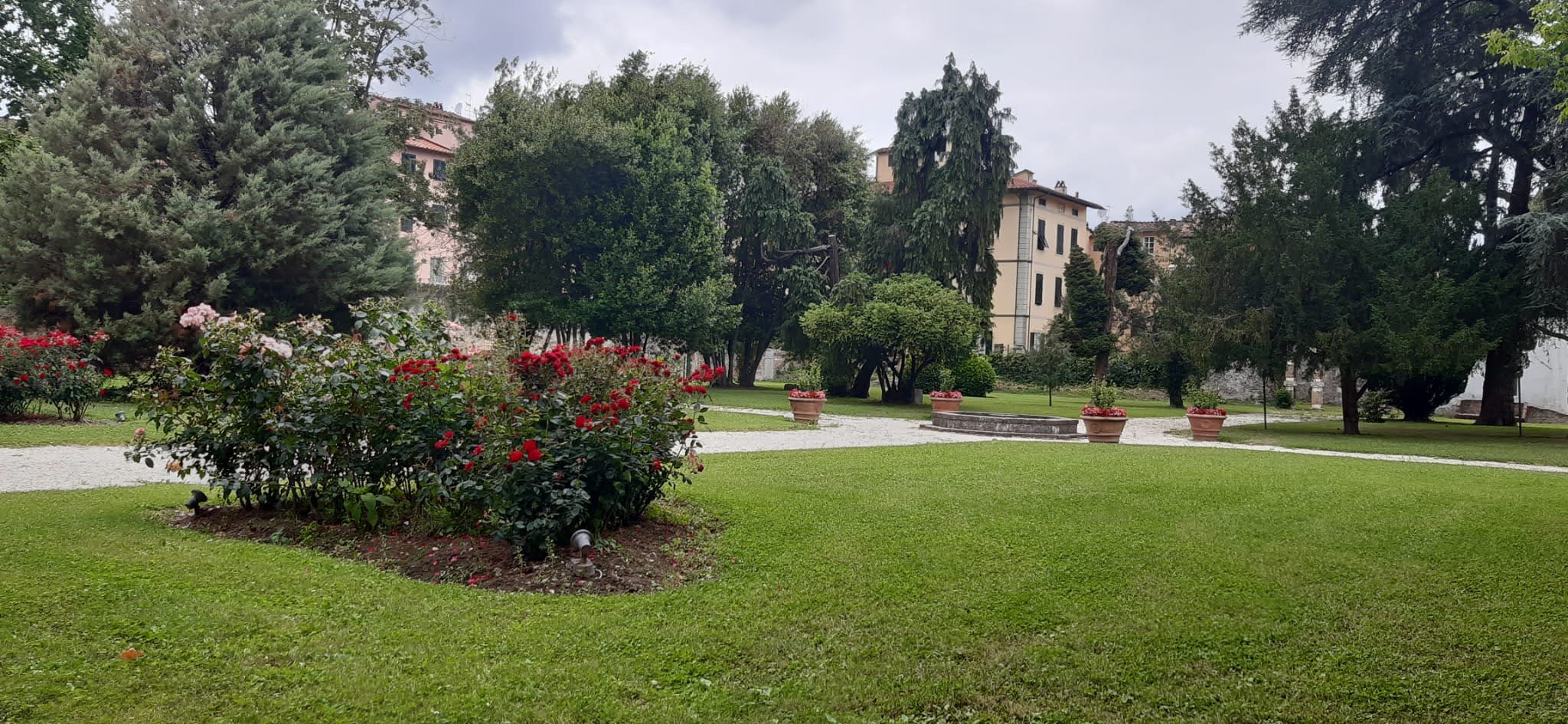
Lucca’s historic district holds many palaces, some of which can be visited. The most worth a visit is Palazzo Pfanner at the northern end of the city. You can see not only the interior of this 17th-century palace but also its garden, which most visitors rave about. Leaving the palace, descend a covered staircase adorned in this elegant garden of statues, a fountain, and lush vegetation.

Puccini Museum
Probably Lucca’s most famous son is the celebrated opera composer Giacomo Puccini. The Birthplace Museum is located in the apartment on the second floor of an old building in the heart of Lucca where Giacomo Puccini was born on December 22, 1858. It was in this home that the composer spent his childhood and early youth, years of familiarization with music and systematic studies before moving to Milan, where in 1884 he began the operatic career that made him one of the most known and beloved composers in history.
The Birthplace, turned into a museum in 1979, reopened to the public on September 13, 2011, after extensive restoration work that returned the apartment to its original layout and a radical renovation of the exhibition. Exhibits in the Puccini Museum include rooms with original furnishings, including the piano on which Puccini composed, along with paintings and preliminary sketches of his work.
10 things to see in Lucca in two, three, or more days
Although you can comfortably cover Lucca’s highlights in one day, you might want to spend more time here. Beyond exploring every nook and cranny of the city, you can use Lucca as a base to explore the surrounding countryside. Here are some options if you have more than 24 hours in Lucca.
1 Baptistery and Church of Saints Giovanni and Reparata
The church has been opened as a museum to allow visits to the historical stratifications with remains of several buildings from the 1st century BC to the 12th century AD, uncovered by an excavation campaign started in 1969.

2 Natural History Cabinet of Liceo Machiavelli
It houses the naturalistic collections of the old University of Lucca: minerals, fossils, shells, insects, birds, scientific instruments.
3 Roman Domus Lucca “House of the Child on the Dolphin”
The House of the Child on the Dolphin, a 1st century BC Roman Domus, was discovered in 2010 during basement renovation works in Palazzo Orsucci in the center of Lucca. The site reveals an important page of Lucca’s Roman history and presents significant architectural remains from Lombard, medieval, and Renaissance times in a single room showing 2000 years of construction techniques. Objects of daily life and votive character were found, including a valuable Augustan bronze fibula, a sestertius minted by Emperor Tiberius in AD 14, and a terracotta frieze giving the name to the Domus, depicting two putti riding two dolphins toward the head of a Gorgon.
4 Lucca Botanical Garden and Cesare Bicchi Botanical Museum
Established by Maria Luisa of Bourbon’s will, the Botanical Garden experienced a crisis from WWI through the 1950s, when the City Administration began its recovery and enhancement. Since 1974, the Garden has resumed all its institutional functions. It preserves several thousand Mediterranean plant species. Attached is the Cesare Bicchi Botanical Museum, currently closed to the public due to cataloging. It holds historic herbaria (Puccinelli, Bicchi, and others).
5 Liberation Historical Museum (1943-1945)
The museum is currently closed and relocating. It collects various materials related to the liberation war in Lucca. The atrium illustrates the Russian campaign (1941-1943). The first room documents the period 1938-1943, housing documents relating to racial laws, uniforms of Italian Army officers, photos of city destructions, maps showing all prisoner camps’ locations. The second room keeps memorabilia and photos of religious victims killed by Nazis. The third and largest room presents many showcases containing memorabilia of the Italian Liberation Corps and Allied Expeditionary Corps participating in Italy’s liberation during 1943-1945, also displaying a rich photo collection. The fourth room shows the contribution of Lucca’s citizens to the province’s liberation.
6 Paolo Cresci Museum for the History of Italian Emigration
The “other” story, the history of emigration, which represents an important part of Italian history, still needs full writing and promotion. This led to the foundation creating an exhibition space to make visible extraordinary documents and significant photos from the Cresci Archive, offering visitors the chance to relive the migratory experience through its stages and vicissitudes. Historical films play a crucial role, evoking emotions that only images can provoke. A multimedia space was set up where, besides interviews with emigrants produced by the Foundation, some historic films are projected.
7 Italian Museum of Comics and Images of Lucca
The museum’s purpose is to preserve and make available to the public the collected heritage (about 30,000 original plates and sketches and roughly 500,000 comic books and magazines) gathered since 1965 by the Lucca International Comics Fair. The material is displayed rotatingly, but full consultation is possible through computerized stations. Multimedia projections and virtual appearances of artists recounting their work give visitors a real journey into comics’ history and world.
8 Palazzo Mansi Museum
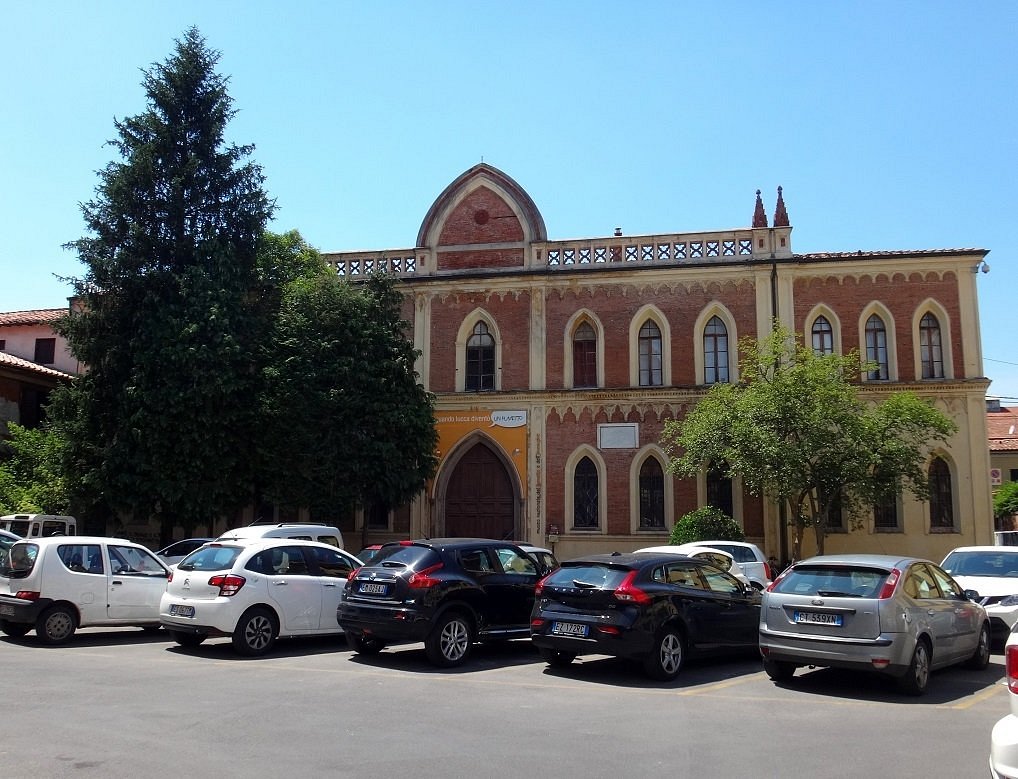
National Museum of Palazzo Mansi, a real museum-residence, is an exemplary document of Lucca merchants’ homes. Transformed at the end of the 17th century by the Mansi family, owners of the palace, into a “representative palace” and set up according to prevailing Baroque taste, it now stands as an important example of “museum within a museum.” In this typical Lucca residence, preserving most original furnishings and a precious cycle of Brussels-made tapestries, the art gallery houses paintings of Italian and non-Italian schools from 16th to 18th centuries. The second floor hosts sections dedicated to the 19th and 20th centuries. The former palace kitchens accommodate the Maria Niemack rustic weaving workshop, with 18th and 19th century looms and tools.
The building: Palazzo Mansi
The palace encapsulates the centuries-long history of the homonymous family, from the 16th century onward, who diversified their interests alongside traditional agricultural/fund activities with commercial initiatives, notably increasing economic fortune and social prestige. The late 16th-century structure, resulting from the union of pre-existing tower houses, was purchased in 1616 by Ascanio Mansi. Renovation commissioned by Raffaello Mansi to architect Raffaello Mazzanti, carried out from 1686 to 1691, refurbished the noble floor interiors in sumptuous Baroque style, with frescoes exalting or alluding to the family’s glory. Further recovery and modernization took place under Luigi Mansi in the 18th century. The palace was sold to the State in 1965 and opened as a National Museum in 1977.
9 Villa Guinigi National Museum
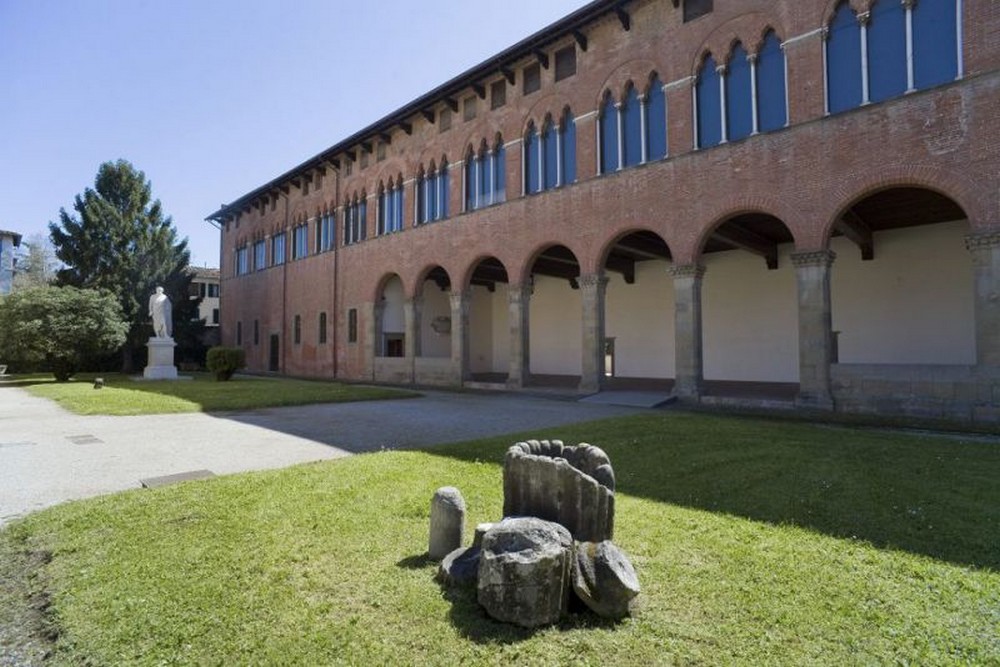
Villa Guinigi National Museum is the city and territory’s museum, exhibiting one of the richest and most interesting art collections produced for Lucca by local or foreign artists active in the city for ecclesiastical and secular patronage. Most collections come from the confiscation of ecclesiastical goods before and after Italy’s unification, along with archaeological finds, new acquisitions, gifts, and deposits. In the villa’s rooms, Paolo Guinigi’s former residence (ruled Lucca 1400-1430) in late Gothic style, visitors trace the city’s history from the 8th century BC archaeological collection to mainly sacred works of the 18th century. The museum is located in the city’s northeast outside the 13th-century walls, later included in the 16th-century walls. The Villa, among the city’s oldest and most prestigious palaces, was built starting in 1413 by Paolo Guinigi as a suburban villa and summer representative residence surrounded by a large enclosed garden, today partly preserved, overlooking the main façade with the long portico. After Guinigi’s death, the building suffered severe damage until 1924 when it was designated to host civic collections as a Municipal Museum. Sold to the State in 1948, it was restored and reorganized, and inaugurated as a National Museum in 1968.
10 Lucca State Library
The Lucca State Library, currently housed in the former Convent of S. Maria Corteorlandini of the Order of the Clerics Regular of the Mother of God, originated from the 17th-century Library of the Lateran Canons of S. Frediano, established by Abbot Girolamo Minutoli. In 1791, the Lucca Republic granted it printing rights and annual book acquisition funding, and it was opened to the public in 1794.
In 1877, following substantial acquisitions of suppressed ecclesiastical libraries’ collections, the library moved to its current building, incorporating the Clerics Regular’s historic library arranged, as still today, in the splendid monumental Baroque hall on the top floor.
1. Serchio Valley
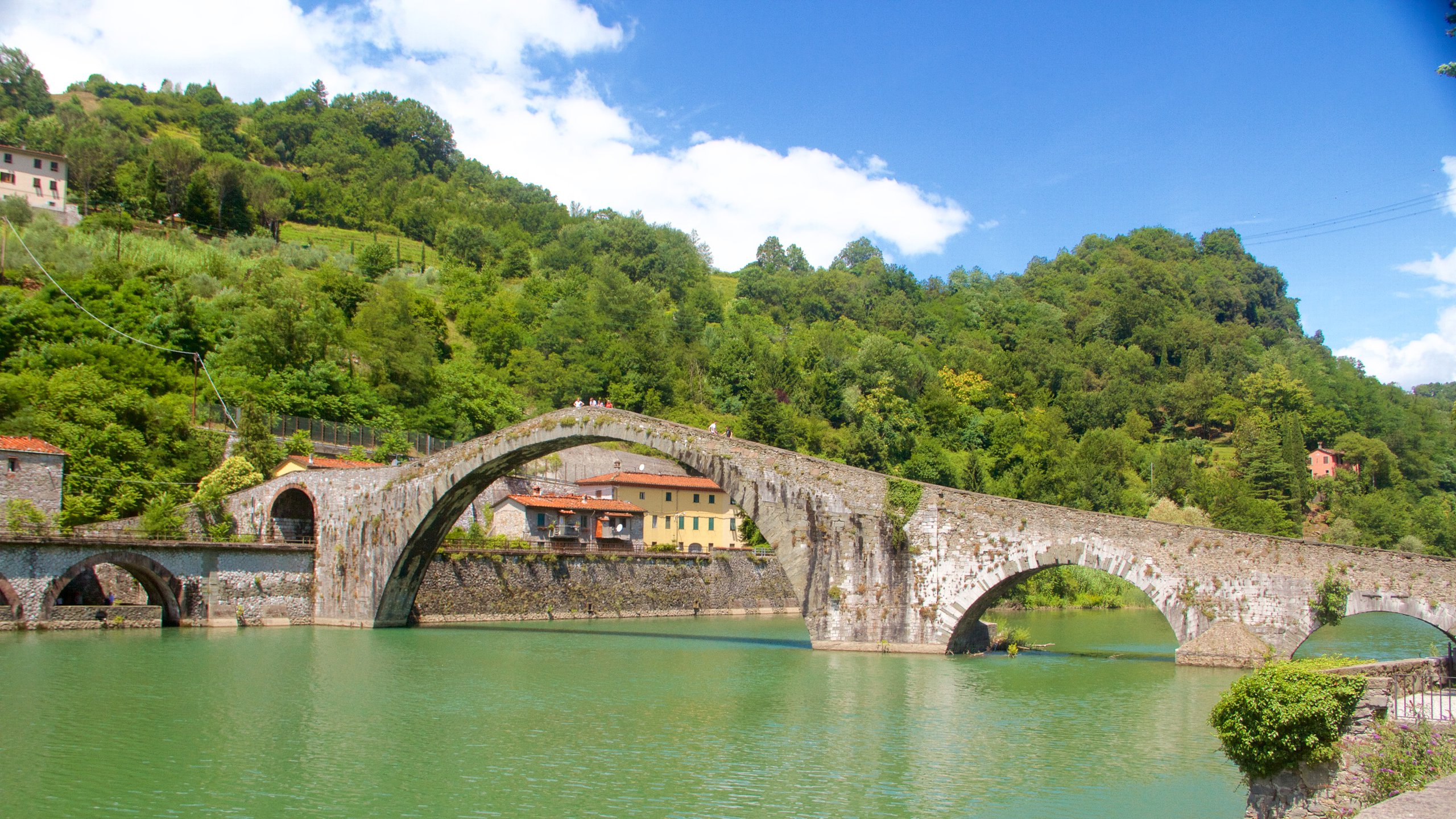
Just north of Lucca is a deep hilly area that adds lots of atmosphere to the city’s panorama. Rather than just a backdrop, this region hosts the steep, picturesque Serchio Valley. Along this river valley are charming villages like Bagni di Lucca and beautiful bridges such as Ponte della Maddalena, which have spanned the Serchio River for centuries.
2. Pisa
Pisa, famous for its Leaning Tower, is another excellent day-trip option from Lucca. You can reach Pisa by train in under an hour, making it very accessible. Once in Pisa, you’ll have the chance to explore the Piazza dei Miracoli, home to the Leaning Tower, Cathedral, and Baptistery. If time permits, you could also visit other Pisa attractions such as Palazzo della Carovana and the National Museum of San Matteo.

3. Lucchesi Hills and the Wine Route
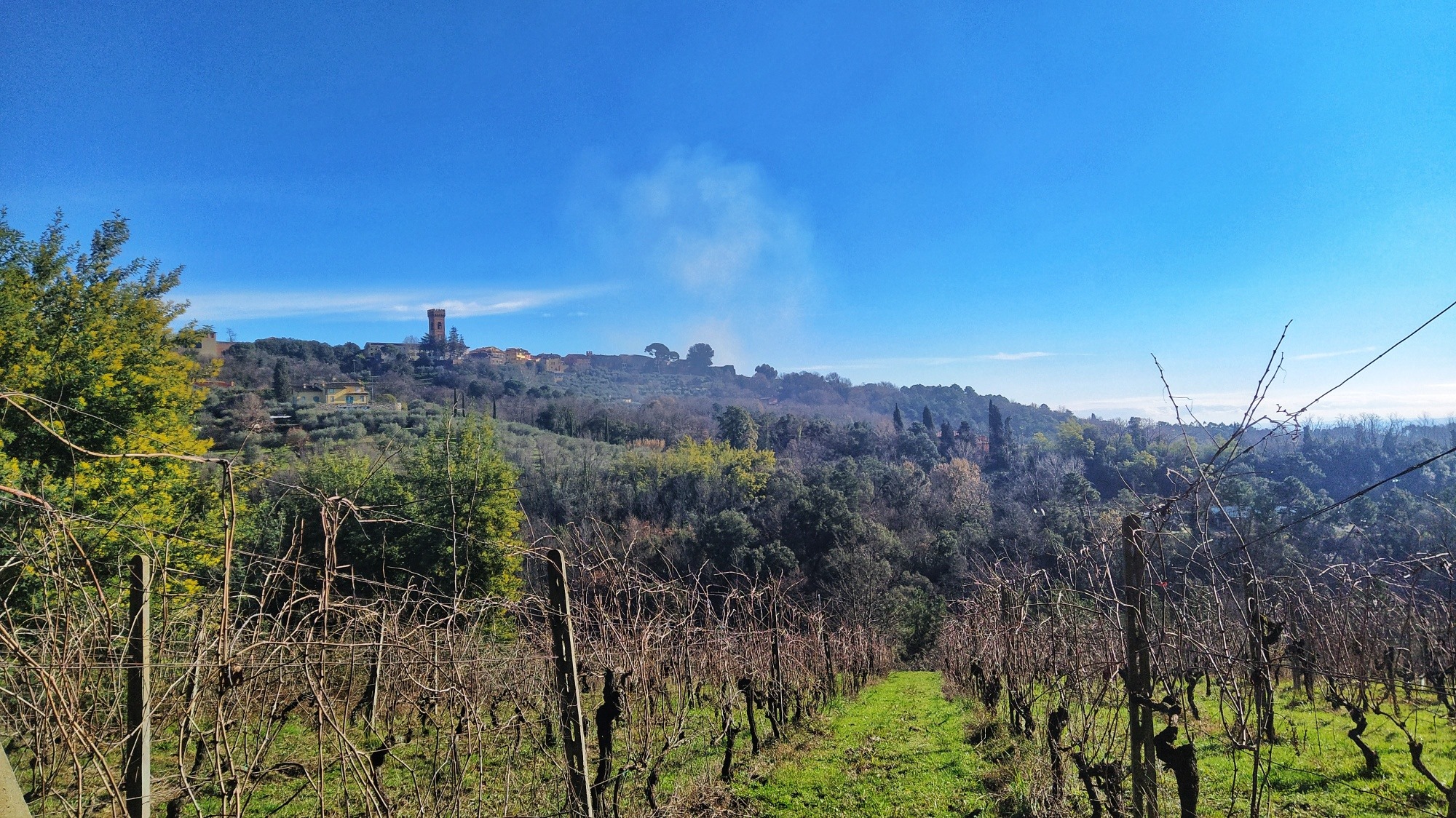
The hills surrounding Lucca are famous for rolling vineyards and picturesque farms. This area is known as the Lucchesi Hills and hosts the Wine Route. Along this trail, you can visit local wineries, taste Tuscan wines, and enjoy the Tuscan countryside’s beauty. Some wineries offer tours and tastings, which can be an excellent way to deepen your knowledge of Tuscan wine.
4. Garfagnana
If you love nature, a trip to the Garfagnana region might be the perfect day trip from Lucca. This mountainous area north of Lucca offers myriad outdoor activities, including hiking, climbing, and cycling. Garfagnana is also famous for culinary specialties like cheeses, cured meats, mushrooms, and flavorful Lucchesi soups.

5. Montecatini Terme
For a relaxing experience, consider visiting Montecatini Terme. This spa town is famous for its therapeutic thermal waters and offers a range of spas and wellness centers. You might spend the day soaking in thermal pools, enjoying spa treatments, or simply relaxing in one of its beautiful parks.
The Best Time to Visit Lucca
To fully enjoy a visit to Lucca, it’s important to plan the timing of your trip carefully. The best period to visit Lucca depends on the kind of climate you prefer, how crowded you like destinations, and how it fits into your travel plan.
High season across Tuscany, including Lucca, runs from June to August. Though Lucca isn’t as crowded as Florence or Rome, summer is still the peak season here, meaning more expensive accommodations and longer lines. The region also gets quite hot in summer. Naturally, in December, January, and February, the city is cold and somewhat rainy, and some attractions (like Torre Guinigi) close for the winter.
The shoulder season is a much better time to see the best of Lucca. Spring (April and May) or autumn (September and October) are ideal, with pleasant temperatures and little rain. Also, you won’t compete with many other tourists to see Lucca’s attractions.
April, May, June, September, and October are the perfect months to visit Lucca. The weather is warm and pleasant, not hot, and tourist numbers are lower.
The Luminaria di Santa Croce, the year’s largest religious festival, takes place on September 13.
How to Get to Lucca
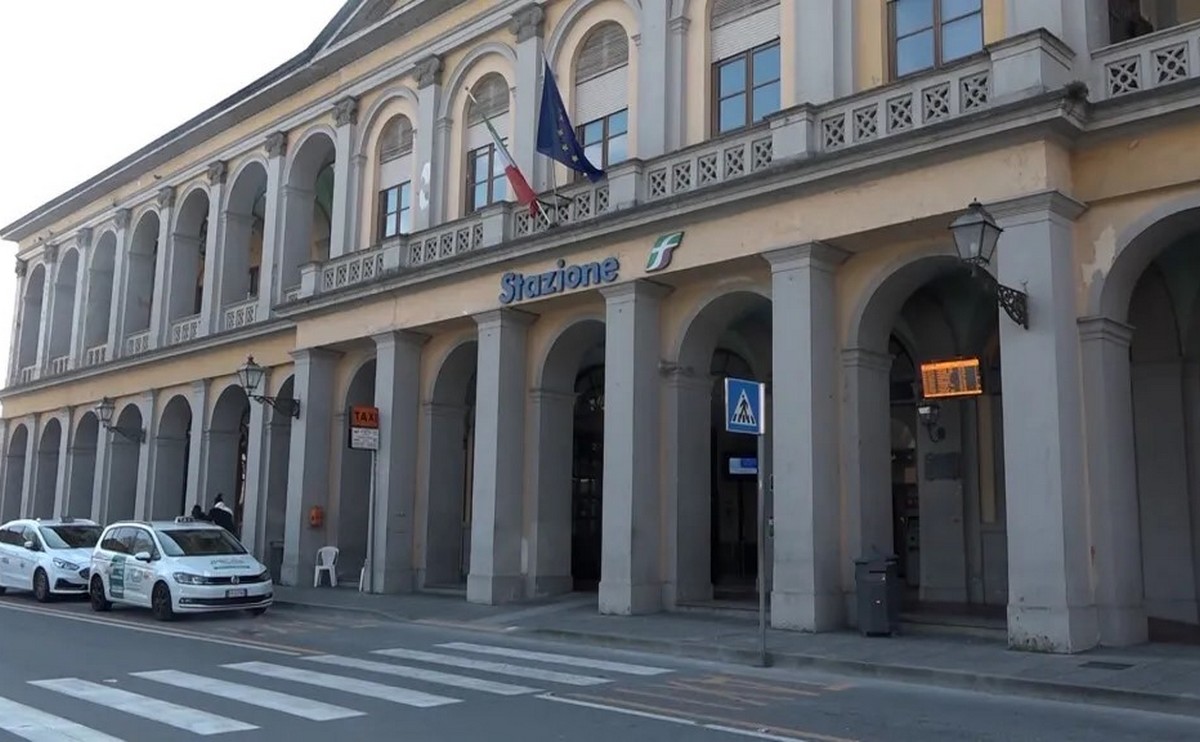
Lucca is easily reachable by car or train. The central Lucca train station is just outside the town’s medieval walls. You’ll be in the heart of the city center in under 5 minutes. If you plan to travel by train in Italy, book tickets early (they’re cheaper when bought in advance). Check schedules and book tickets online on the official Trenitalia website.
If arriving by car, it’s best to park outside the city walls. Parking is much cheaper there and free parking can also be found. Also, most of Lucca’s historic center is a ZTL (restricted traffic zone).
Regarding air travel, the nearest airport is Pisa International Airport. To reach Lucca, first take the Pisa Mover from the airport to Pisa’s central train station, then take a train to Lucca (30-minute journey).
Getting Around Lucca
While visiting Lucca, you’ll mainly get around on foot since it’s a compact city. About half the streets in the city center are pedestrianized, so walking is the easiest way to get to many places. Although the historic center is a maze, its massive surrounding walls make orientation easier.
Alternatives to walking include cycling along the path atop the city walls. There is also the simpler option of taking a bus. Due to very narrow streets, only some buses run inside the city. There are more bus lines outside the city walls, such as the ring route around the bypass. Bus tickets start at €1.50 for a single 70-minute pass.
Driving inside Lucca’s walls is mainly limited to locals with permits. If driving, your best option is to park outside the city walls. If staying in Lucca, ask your hotel where to park or find parking near the city gate closest to your hotel.
What to Buy in Lucca
Besides refinement and good manners, Lucca’s people excel at good living, which expresses itself in love for beautiful things and quality shopping. The entire historic center offers boutiques, shops, and ateliers of established excellence.
A timeless address for clothing, leather gloves, silk scarves, hats in various styles and prestigious brands is, for example, Santi-Guerrieri at Via Calderia 7, a stone’s throw from the Church of San Michele, with signs dating back to 1870.
Its large outdoor windows form almost a gallery, while inside stand out period furnishings, with walnut burl shelves and crystal full of hats almost reaching the ceiling. Staying on clothing, it’s worth visiting the tailor’s atelier Piero Ricci, Via Burlamacchi 18, tel.0583.587810, a legendary place on the first floor of a 16th-century building, with rooms opening one inside the other like Chinese boxes.
Among frescoed ceilings, gilded mirrors, immense drop chandeliers, velvet sofas, and antique furnishings are mannequins, fitting rooms, fabric samples by famous designers, and flowing dresses—exclusive, refined creations—neatly displayed in a seeming disorder, so ladies can touch and try on at pleasure.
Jewelry lovers, especially antique pieces, find a small Mecca at Gioielleria Carli in Via Fillungo 95, tel. 0583.491119, with lovely Art Nouveau signs and characteristic wooden display cases showing classy bijoux, rows of rings with large stones, necklaces, and parure. At number 18 on the same street, the window of Chiocchetti, tel.0583.493179, flaunts collections of silver, pearls, and precious stone handcrafted jewelry.
Design and creativity fans can visit the small workshop and store of Stefano Pedonesi at Via del Palazzo Dipinto 3, where the owner crafts rings, necklaces, and pendants in precious materials echoing pop-art styles. Or the shop of Isa Zini in Piazza Anfiteatro 32, tel. 0583.492324, with jewelry featuring essential, almost primitive shapes, born from careful research and experimentation.
How Many Days in Lucca
Is one day enough in Lucca?
One day in Lucca is more than enough to visit the historic center. You’ll have ample time to climb Torre Guinigi and Torre dell’Orologio, visit the cathedral, and even two palaces.
I have only half a day; what should I do?
If you have less than a day in Lucca, skip churches (except the Cathedral) and only climb Torre Guinigi. If choosing between Palazzo Pfanner and the National Museum of Palazzo Mansi, pick the latter. It’s much more interesting and beautiful!
Where to Stay in Lucca
Although you can see Lucca on a day trip from Florence, you might want to spend one or two nights because of its wide accommodation choice and ease of knowing where to stay in Lucca. To best enjoy your visit, you’ll want to stay inside the city walls (or just outside), where you’ll find the best places to stay in Lucca.
If looking for a special place, consider Alla Corte degli Angeli for your stay. This four-star boutique hotel has plenty of character, attentive staff, and cozy room decor.
If you want to enjoy your time in Lucca without spending too much, B&B Anfiteatro is a great choice. This bed and breakfast in the outer ring of Piazza dell’Anfiteatro offers spacious rooms and a fantastic breakfast.
Unfortunately, Lucca doesn’t offer many options for backpackers and budget travelers. However, there are some cheaper places like Affittacamera Luce. Though a bit outside the city walls, this guesthouse compensates with friendly hosts and nice rooms.
For more accommodation options in Lucca, check Booking.com. This site consistently offers the best rates and impeccable customer service.