


Today, caves are major tourist attractions in Italy and across the world, valued for their natural beauty and cultural heritage. According to the Italian Association of Tourist Caves, caving tourism in Italy attracts around 1.5 million visitors every year and generates a turnover of 25 million euros. Hundredrooms has selected some of the most breathtaking and unique caves in Europe, some of which you can even spend the night in.
- Cappadocia Caves, Turkey
- Matera Caves
- Luxury Caves in Scicli
- Is Zuddas Cave, Santadi
- Borgio Verezzi Caves
- Cueva del Drach, Mallorca (Spain)
- Cueva de Altamira, Cantabria (Spain)
- Postojnska (Postojna) Caves, Slovenia
- Fingal’s Cave, Scotland
- Ice Caves, Vatnajokull National Park (Iceland)
- Melissani Cave, Kefalonia (Greece)
- Devetashka Cave, between Lovech and Letnitsa (Bulgaria)
- Benagil Cave, Carvoeiro (Portugal)
- What is Hundredrooms
If you’re seeking extraordinary stays in caves that have been transformed into true luxury apartments, Hundredrooms suggests the caves of Cappadocia, Matera in Basilicata, and Scicli in Sicily. The rest are all worth admiring in their full natural splendor… which is saying a lot.
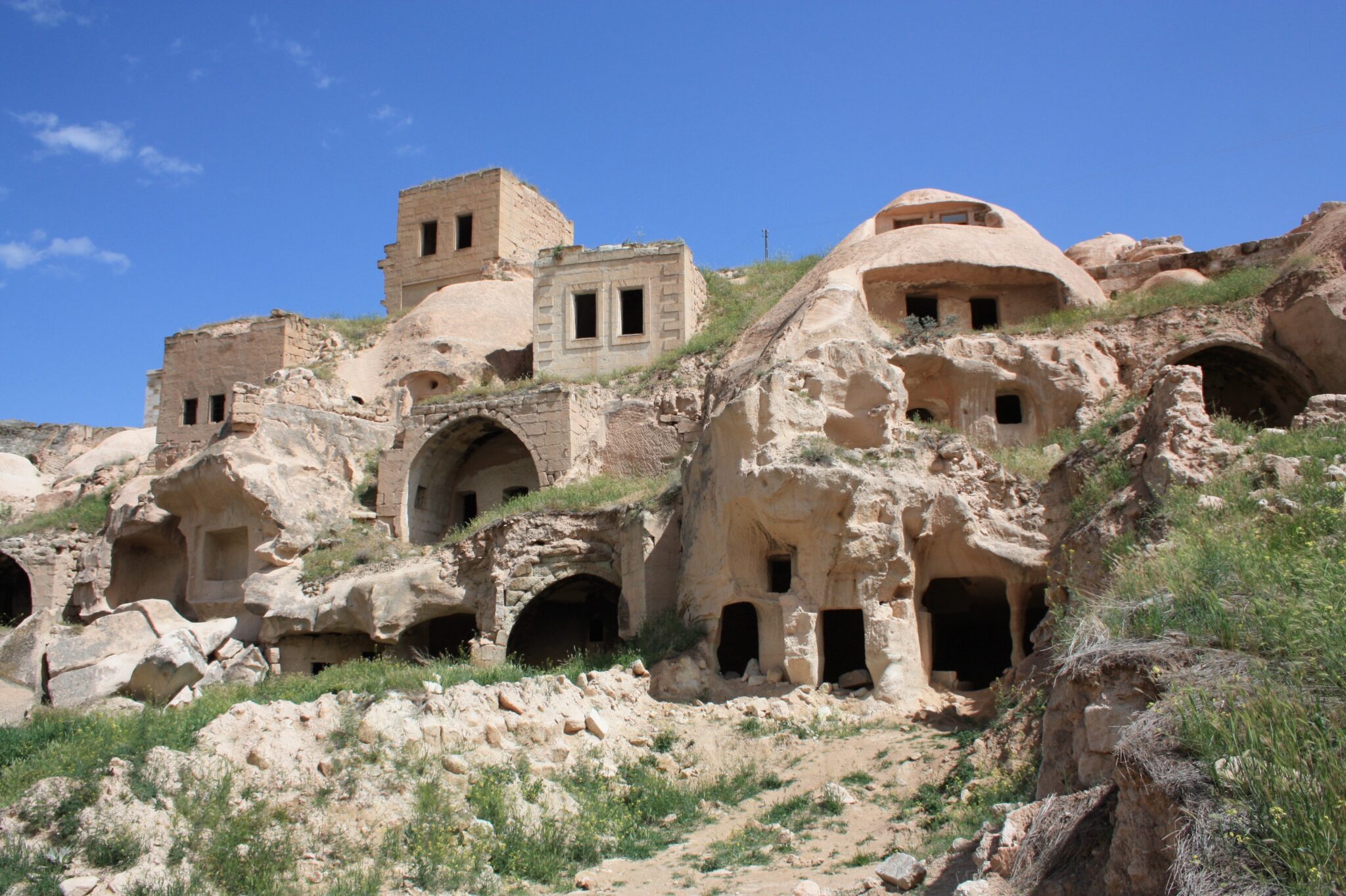
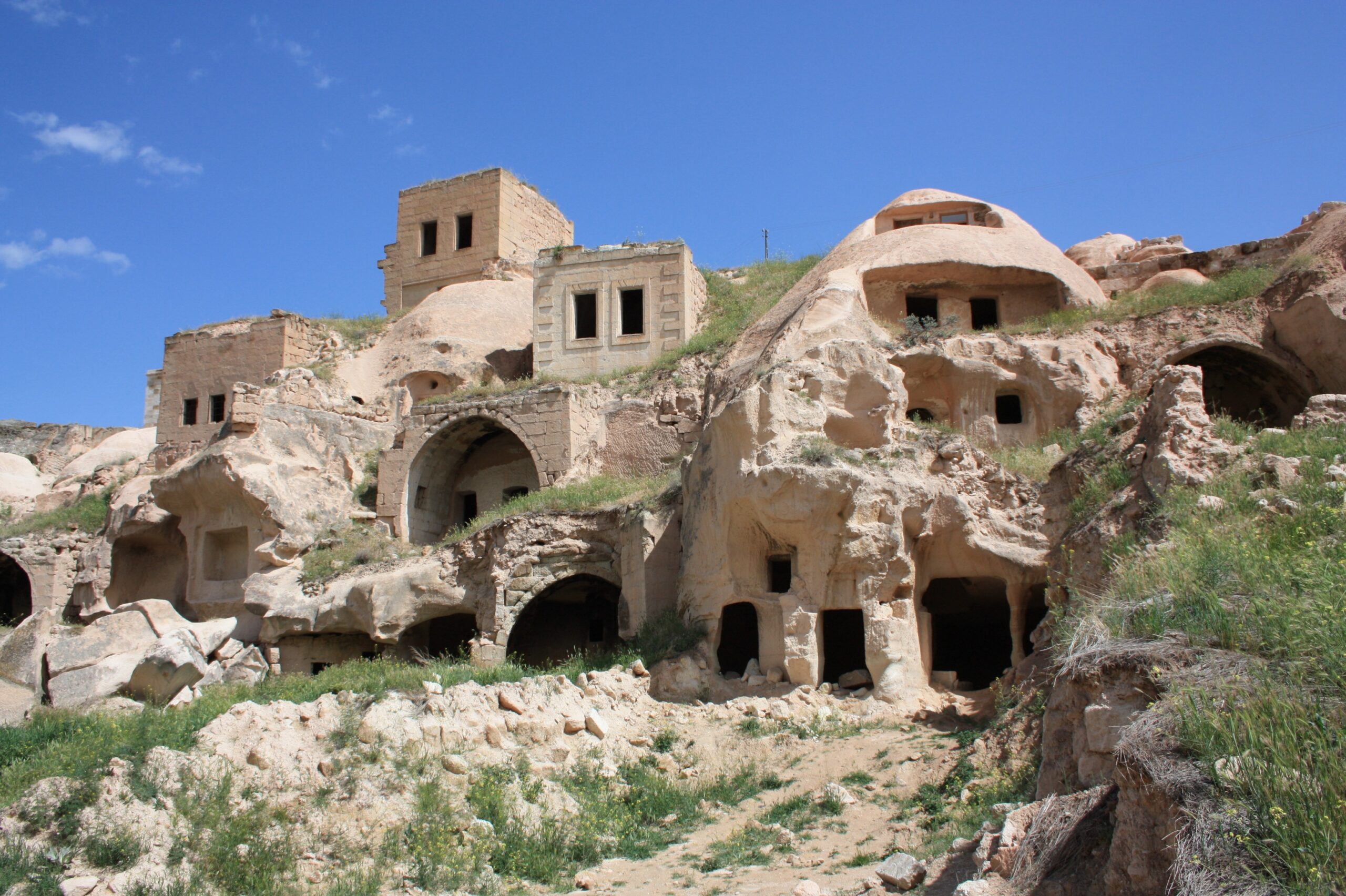
Cappadocia Caves, Turkey
Cappadocia is a mountainous, sparsely inhabited region known worldwide for its iconic caves carved by wind erosion. During the Byzantine era, some were turned into churches and beautifully decorated. Today, many caves in Cappadocia are unique lodgings where you can spend one or more nights.
Matera Caves
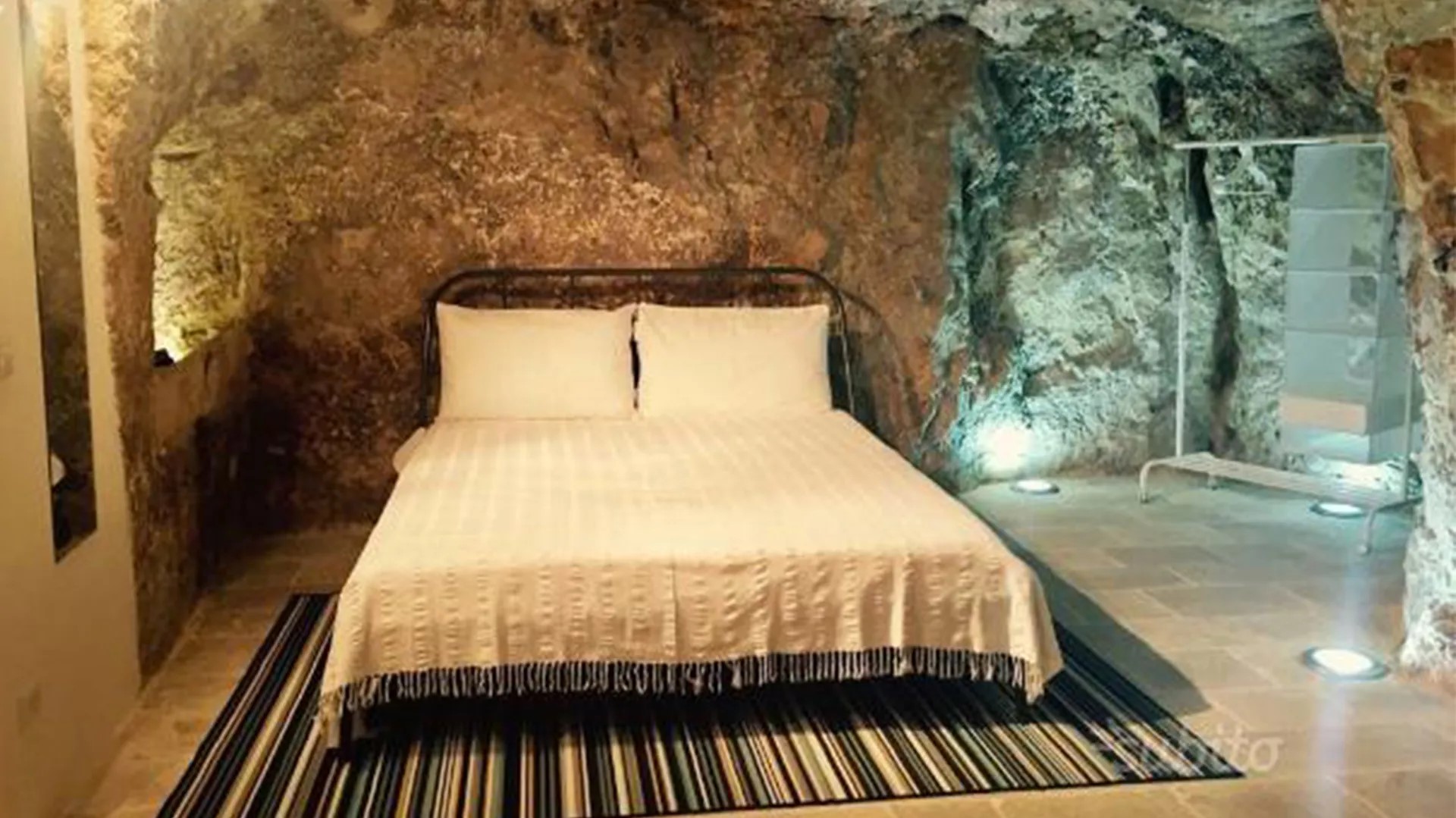
In Basilicata, you’ll find the caves of Matera, famously known as the “city of stones”—and for good reason. Its historic center is carved from rock, and some hoteliers have transformed these natural dwellings into stylish holiday homes. There are several luxurious accommodations set within the stone.

Luxury Caves in Scicli
In Scicli, province of Ragusa, three caves have been transformed into bedrooms right in the heart of the historic town. Each suite features a kitchenette and a lounge with a sofa, blending rustic simplicity with the incomparable ambiance of dwelling in a real cave. You can book a room here for less than €50 per night.
Is Zuddas Cave, Santadi
Part of the karst network of Monte Meana in the municipality of Santadi, Sardinia, Is Zuddas is a spectacular setting formed over 530 million years by water eroding dolomite rocks. The cave features various chambers, each with unique features such as stunning stalactites, stalagmites, thin aragonite straws, and crystal needles.
Borgio Verezzi Caves
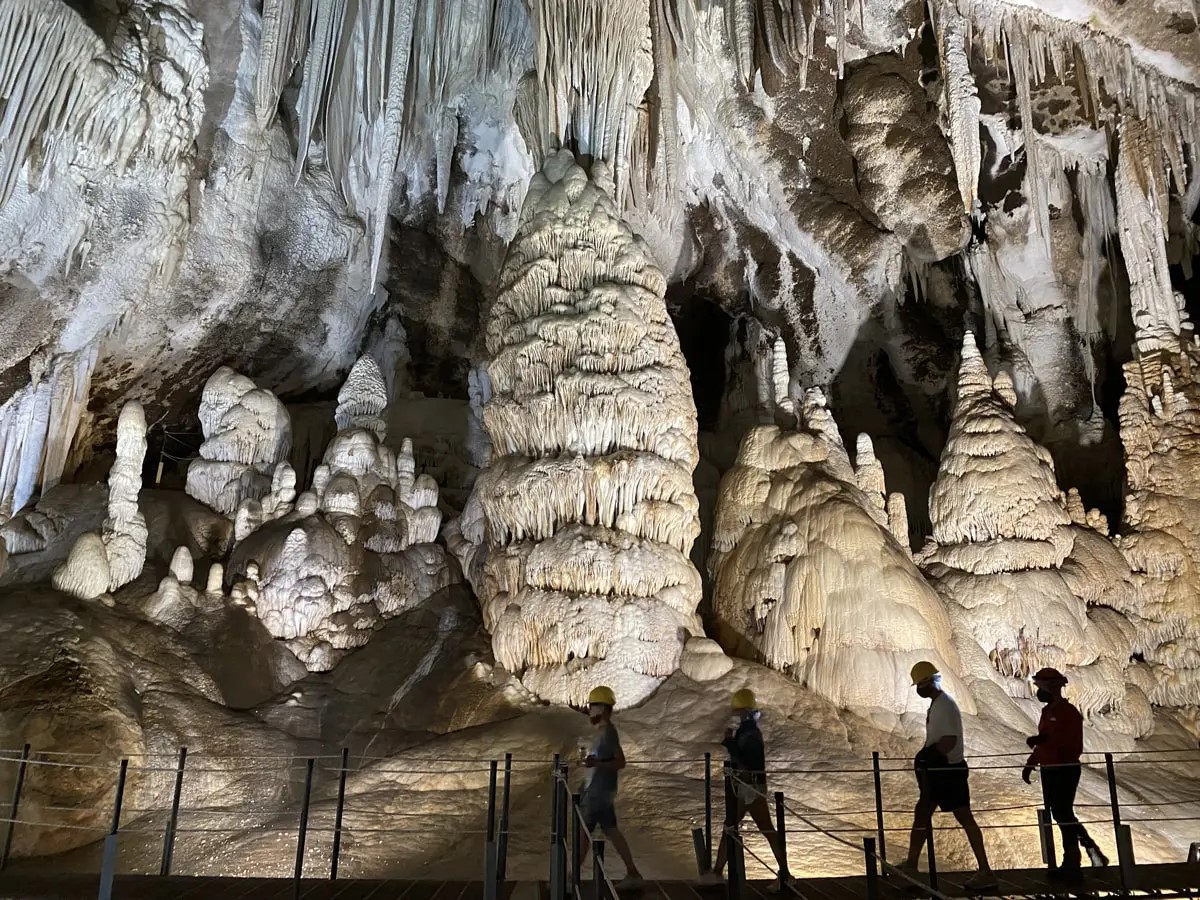
Dubbed Italy’s most colorful caves, the ones at Borgio Verezzi are known for the vibrant hues created by their mineral makeup. Shades of yellow, white, red, and pink reflect on the crystal-clear waters of the small lakes encountered over the scenic 800-meter path. These caves, formed from San Pietro ai Monti Dolomite, attract many tourists to Liguria every year.

Cueva del Drach, Mallorca (Spain)
A natural gem on the Spanish island of Mallorca, this cave features colorful stalactites and stalagmites of varying shapes and sizes. Guided tours descend 25 meters below sea level, wind through dazzling halls, and conclude with a classical music concert beside an underground lake.

Cueva de Altamira, Cantabria (Spain)
This historically significant cave is famous for remarkable Paleolithic artwork on its walls. Located on a hillside in Santillana del Mar, Cantabria, it offers a window into prehistoric human life. The accessible cave is actually a replica; the original has been damaged by time, visitors, and natural events.

Postojnska (Postojna) Caves, Slovenia
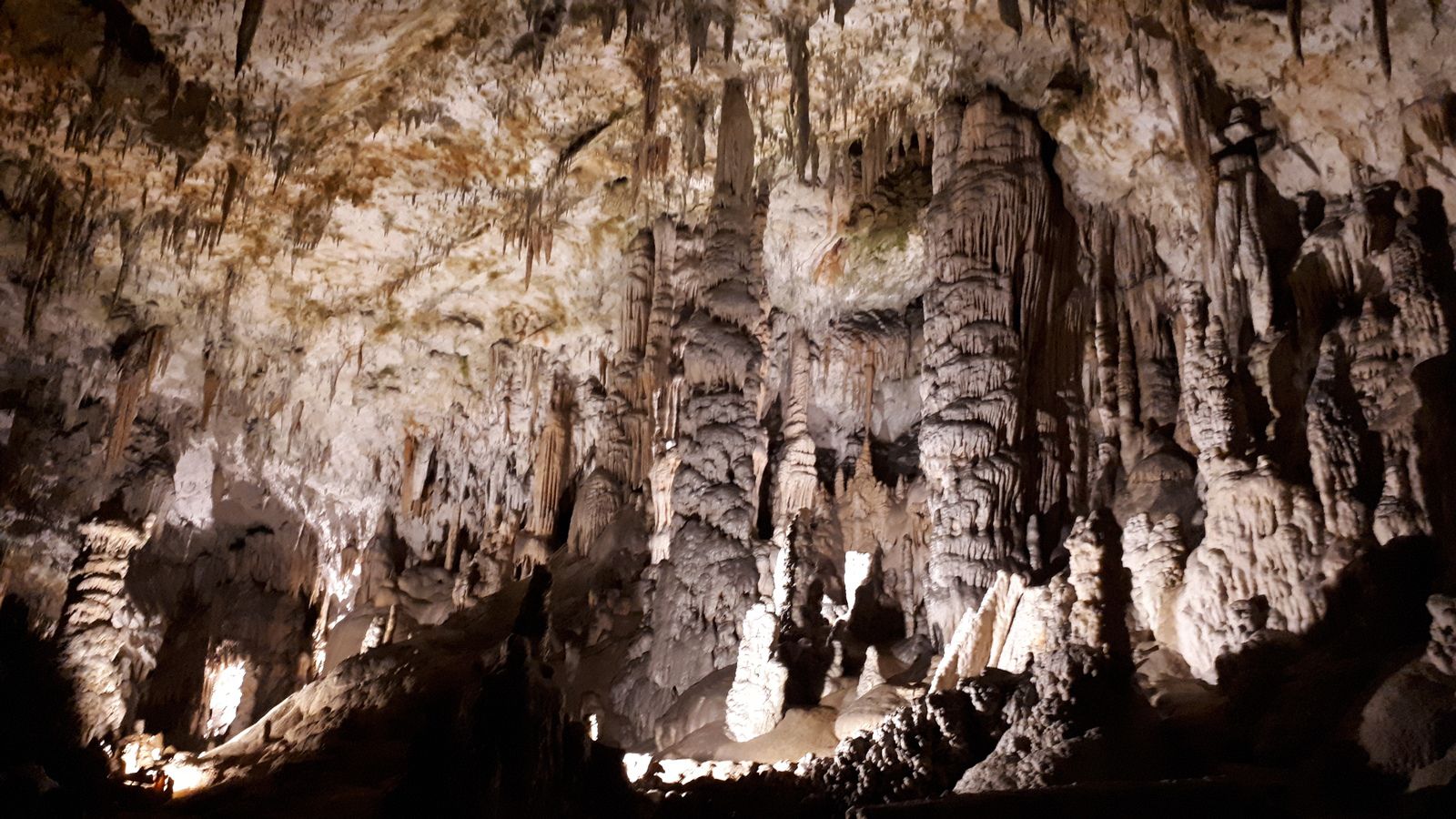
The Postojnska Caves, also known as Postojna Caves, are Europe’s most visited, with an estimated 37 million tourists over the last two centuries. They are unique for their in-cave railway, offering a scenic train ride followed by a well-lit walking tour. Once a prehistoric refuge, folklore says a giant dragon terrorized locals here until vanquished by a clever shepherd.
Fingal’s Cave, Scotland
This stunning sea cave sits on the Isle of Staffa in Scotland. It’s famed for its impressive hexagonal basalt columns, creating a dramatic visual impact. Its Gaelic name, Uamh-Binn or “Cave of Melody,” comes from the enchanting sound the waves make echoing within.

Ice Caves, Vatnajokull National Park (Iceland)
The spectacular ice caves of Iceland offer an unrepeatable experience. Each year in spring, the ice melts and freezes again in winter, continually changing the shape and scenery of the caves. Visiting these natural wonders is an awe-inspiring adventure.

Melissani Cave, Kefalonia (Greece)
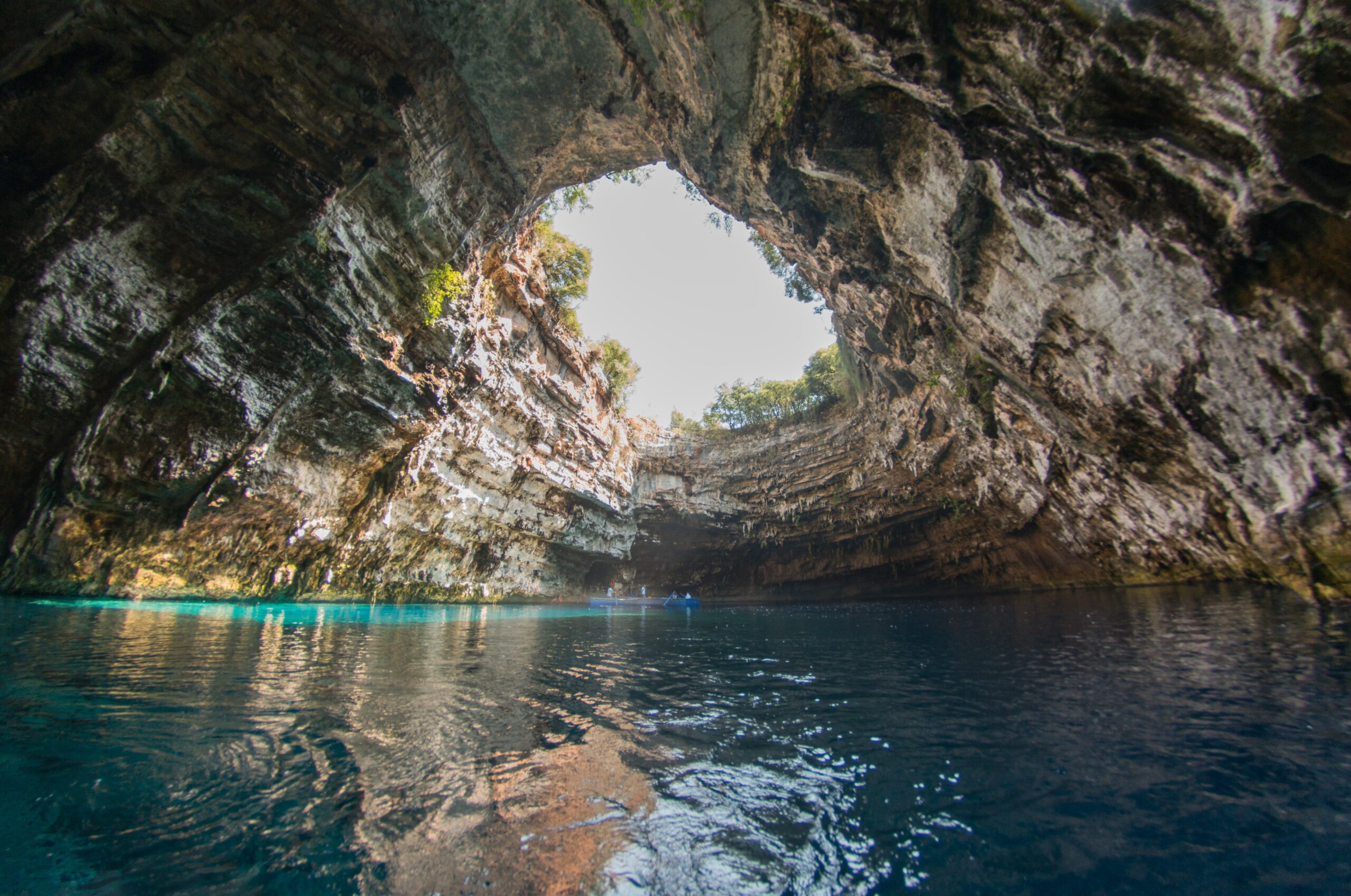
Also called the Cave of the Nymphs, Melissani Cave is uniquely beautiful and features a deep underground lake, about 39 meters beneath the surface. Sunlight pours in through an opening in the ceiling formed by an earthquake in 1953, creating dazzling light displays. The cave also includes a smaller chamber filled with natural formations, stalactites, and stalagmites.
Devetashka Cave, between Lovech and Letnitsa (Bulgaria)
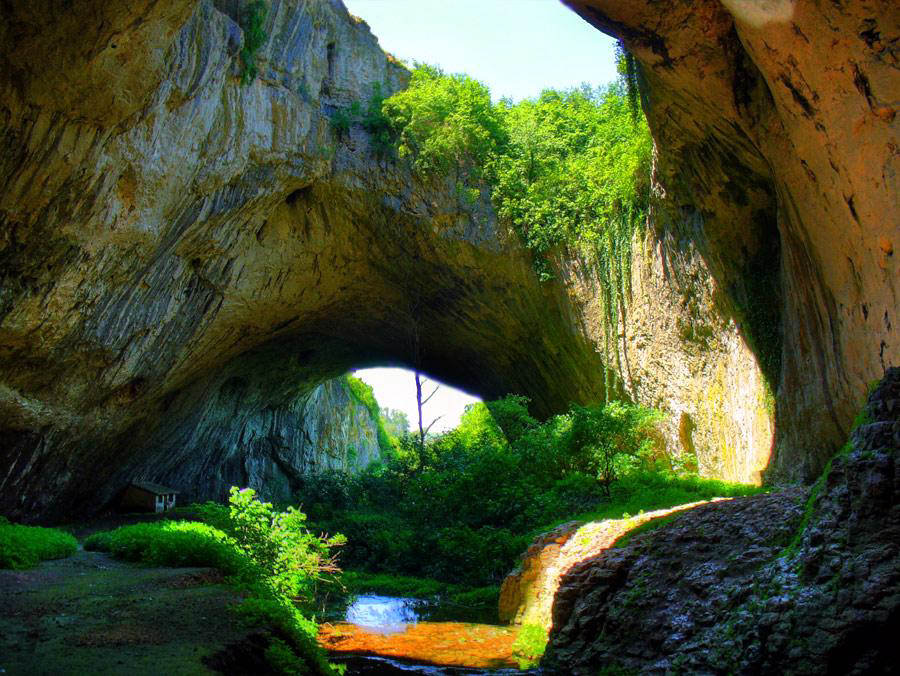
The Devetashka Cave is a vast cavern formed over countless millennia by the dissolution of soluble rocks. Inhabited since the Paleolithic era, today it is home to around 30,000 bats. Stretching for 2 km and reaching 100 meters high in places, the cave is famed for its skylights, domes, arches, streams, and wonderful stalactites.
Benagil Cave, Carvoeiro (Portugal)
Situated right on the water’s edge, the Benagil Cave is accessible at low tide. Its dome shape and sunlit openings, sculpted by marine erosion, create an enchanting aesthetic. The nearby Benagil beach also boasts other stunning sea caves, many of which can be visited by boat.

What is Hundredrooms
Hundredrooms is an online accommodation comparator. Founded in 2014 to meet the growing demand for alternatives to traditional lodging, the start-up’s mission is to simplify travel planning by allowing users to search all available options at once and compare prices for properties across multiple platforms.