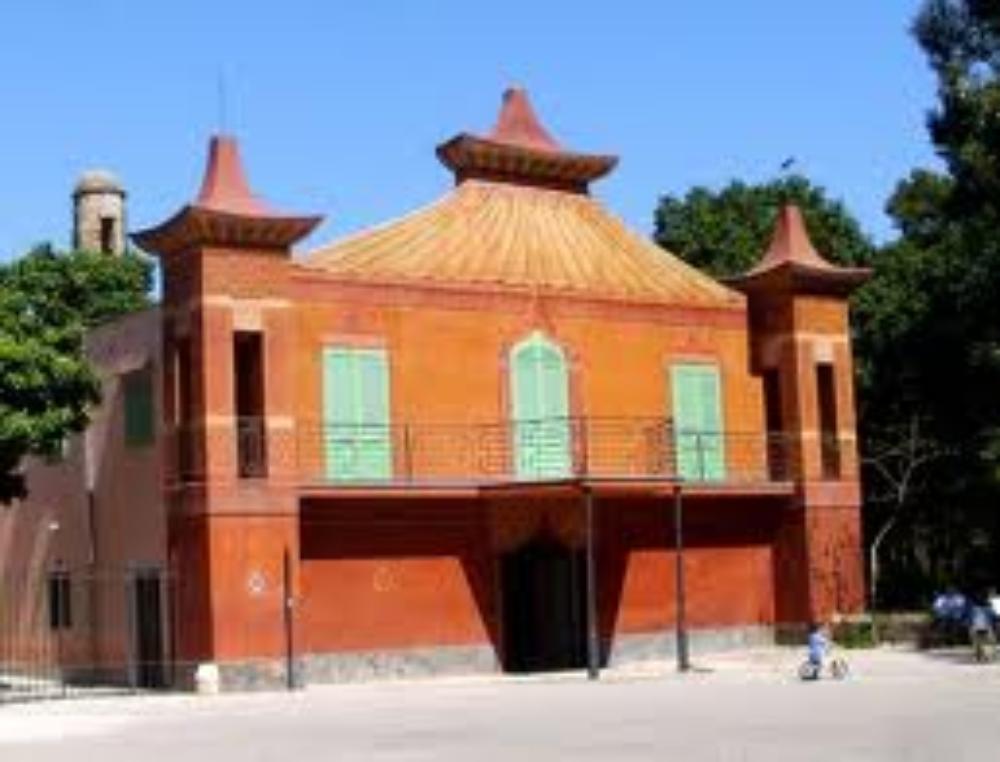


The cathedral museum is a reality, an institution that had long been missed: its location is extremely optimal, situated right in the historic center (on Corso Italia, just a few steps from the first church of the Diocese, inside one of the most elegant and sumptuous palaces in the city, built in 1923 in eighteenth-century architectural style). Established by episcopal decree of Monsignor Angelo Rizzo on November 7, 1998, it preserves and displays sacred vessels and worship objects of fine craftsmanship: seven exhibition rooms house reliquaries of saints venerated in the Ragusa area, a large number of goldsmith works, episcopal jewelry, vestments, liturgical texts, and wooden statues born of popular devotion. The rooms are organized chronologically: the first is dedicated to the period before the earthquake of January 11, 1693, displaying the reliquary chest of Saint George in ivory and inlaid wood, Venetian workmanship from the 14th century, a sacred scripture by St. Augustine dated Lyon 1493, and a remarkable corporal pouch from 1500. Moving to the second room, visitors admire the worship objects of Saint John the Baptist, including the holy ark dated 1731. The third and fourth rooms are dedicated to the custody of altar furnishings, notably the 14 Stations of the Cross canvases from 1775, works by Stefano Ragazzi recently restored, illustrating the poignant story of the Passion of Christ. The fifth room moves to the Neoclassical period with sacred vestments made of fine silk embroidered in gold and silver, dated to the 18th and 19th centuries. The sixth room is entirely dedicated to the worship of the Madonna: one can admire statue crowns, paintings, and a precious processional banner from the late 19th century belonging to the Confraternity of the Most Holy Heart of the Madonna of the Medal. In the last, seventh room, there are sacred objects from the 1950s created following the erection of the Diocese of Ragusa on May 6, 1950, including rings, episcopal crosses, and the precious 19th-century silk mitre embroidered in gold. In short, this institution truly deserves to be enjoyed by the people, both Ragusa locals and visitors to our city. It represents a pride for the local community and particularly for the Cathedral of Saint John the Baptist, which in 2002 was inscribed on the UNESCO World Heritage List, thus becoming a world heritage site. The museum was visited by Bishop Monsignor Paolo Urso accompanied by the Cathedral’s parish priest Father Carmelo Tidona and he was impressed by the new structure: “Now it would be wonderful to host a restoration school on the upper floor of the palace,” wished the Shepherd of the diocese.
Information on Cathedral Museum of Ragusa
Via Roma, 132
97100 Ragusa (Ragusa)
0932621599
info@cattedralesangiovanni.it
Source: MIBACT