

It’s important to get to the airport well in advance to avoid the risk of missing your flight. Anyone planning to travel by plane should keep in mind that boarding and departure times aren’t the same, and that the gate usually closes about 15 minutes before take-off. After this point, no passengers will be allowed to board.
How early should you get to the airport?
As a general rule, it’s best to arrive at the airport at least two hours before your flight. Spending a little extra time there—perhaps reading a book or enjoying a coffee—is far better than risking missing your flight. That’s why it’s essential to plan how to get to the airport at least a week in advance, deciding whether to use public transport or your car and, in the latter case, where to park. Before boarding, check-in can be done at the airport or online. Once you’ve cleared security, you can relax while you wait; generally, boarding starts about 40 minutes before departure.
Naturally, it’s advisable to allow even more time if you’re traveling in a group, your flight is full, or you’re flying during peak season. These and other factors should be considered to avoid rushing at the last minute.
How airport check-in works
When considering what to do at the airport, check-in is a key step. This process covers both you and your belongings: staff check your ID or passport, flight ticket, and the size and weight of both checked and carry-on baggage. If all is in order, you’ll receive your boarding pass, which you’ll need for the next step—personal security checks.
Airport check-in can involve long lines and can take time—one reason to arrive at least a couple of hours before departure. Alternatively, you can check in online from home via your airline’s website. Just enter your details and print your boarding pass—a straightforward process, though specifics can vary between airlines.
For Ryanair online check-in, simply provide the required information online or in the app, print out your PDF boarding pass, and bring it to the airport or directly to the gate if you’re traveling with carry-on only. Note that online check-in with Ryanair is mandatory; arriving without a printed boarding pass means paying a penalty.
The same is true for easyJet’s online check-in, while for Alitalia it’s not required and is unavailable for certain passengers (for example, those with special baggage or unaccompanied children under 14). With Alitalia, online check-in can be completed up to one hour before departure and covers both checked and carry-on luggage. For Vueling online check-in, you can only check in hand luggage online—checked baggage must still be dropped off at the dedicated desks. The same rule applies to Air Italy online check-in.

Security Checks and Documents at the Airport
Each airline has its own set of rules regarding carry-on and checked baggage. When it comes to what you can take on a plane, checked baggage is less restricted than carry-on, but sharp objects, firearms (real or toy), fireworks, and anything potentially dangerous are strictly prohibited. Flight security checks are rigorous, ensuring safe travel for all passengers. Pay close attention to the weight limits for checked bags—these vary by airline. For example, Ryanair checked bags allow a maximum of two pieces not exceeding 20 kg each. Vueling checked baggage is split into four categories, with weight limits from 15 up to 30 kg.
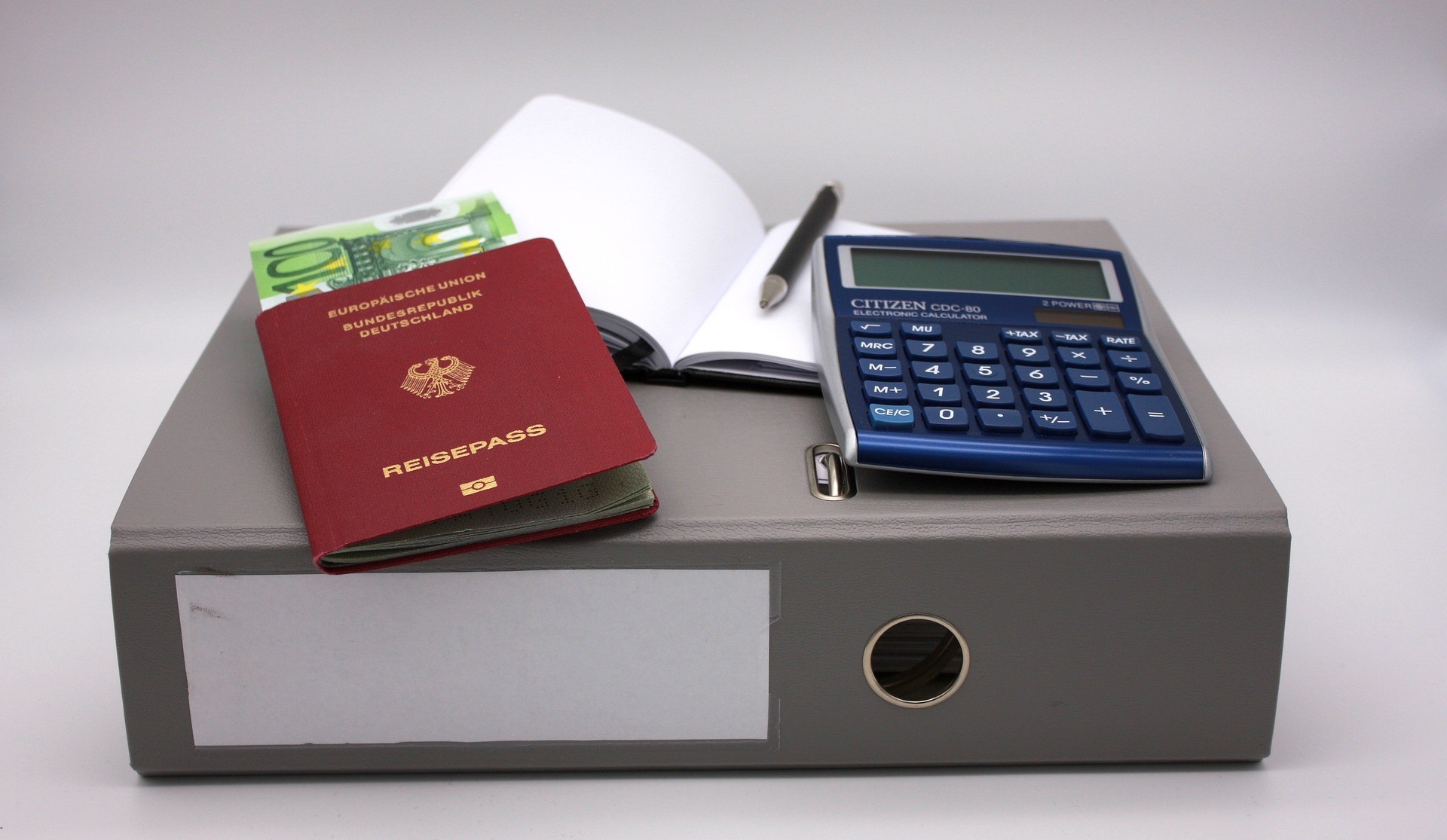
Flight checks also involve your travel documents. For travel within Europe, you’ll need a valid national ID card or a passport. For domestic Italian flights, other forms of ID are accepted, such as a driver’s license or pension book. For destinations outside the Schengen area, a passport is always required and, in some cases, a visa—such as an ETA for Canada. These rules generally apply to all airlines, but it’s always wise to check the exact requirements with your airline before flying.
Children also need the appropriate documents. If you’re flying with an infant within Italy, a child’s ID card (available from your local town hall) is sufficient; for travel in Europe, you’ll also need an official exit permit. For trips outside Europe, infant travel documents include a compulsory passport, which must be obtained from the police station.
Conclusion
Flying involves a number of pre-boarding checks, so it’s best to reach the airport with all documents and luggage properly prepared. This makes the process faster and allows you to board on time—without risking delays or missed flights.