

There is so much to see in Berlin for a city of this size and significance, but it is certainly possible to get the full experience in three days. While it helps to know the best things to see in Berlin, it’s even better to be prepared with a detailed Berlin itinerary. In our guide to this great German city, you’ll learn everything you need to know to spend three truly unforgettable days in Berlin.
- The Perfect 3-Day Itinerary in Berlin
- Berlin Itinerary: Day 1
- Gendarmenmarkt
- Checkpoint Charlie
- Topography of Terror
- Brandenburg Gate
- Potsdamer Platz
- Holocaust Memorial
- Tiergarten
- Reichstag
- Berlin Itinerary: Day 2
- Spree Riverfront
- Museum Island
- Pergamon Museum
- Neues Museum
- Hackescher Markt
- Berlin Cathedral
- TV Tower
- Berlin Itinerary: Day 3
- Charlottenburg Palace
- Kaiser Wilhelm Memorial Church
- German Historical Museum
- East Side Gallery
- Kreuzberg
- Tempelhof Airport
- Best Time to Visit Berlin
- Getting Around Berlin
- Where to Stay in Berlin
The Perfect 3-Day Itinerary in Berlin
Berlin is such an important city, full of culture and character, that you won’t have trouble finding things to do. The real challenge will be fitting it all into just 72 hours in Berlin. The good news is you’re not the only one planning your trip! We help you see the best of Berlin. This itinerary takes you across the city, showing you many of its neighborhoods and top attractions. You’ll spend a lot of time in Mitte, Berlin’s central district, but since attractions are spread out, you’ll also venture into Tiergarten, Kreuzberg, Charlottenburg, and more.
However, before getting to our Berlin itinerary, we just wanted to remind you to purchase travel insurance. You never know what might happen, and trust us, you don’t want to be stuck with thousands of dollars in medical bills.
Heymondo, a FullTravel partner, offers travel insurance with a 10% discount for all our FullTravel readers. Just click this link and proceed to purchase with the discount already applied.
We won’t waste time getting to some of the best places to visit in Berlin. To orient yourself, focus on the central Mitte district for your first day.
Gendarmenmarkt
Start at one of Berlin’s grandest spots, the Gendarmenmarkt. This square in the heart of Berlin gives you a sense of how grand the city must have been in the 18th century. You’ll be surrounded by historic buildings, with the elegant Konzerthaus Berlin (concert hall) occupying a place of honor in the middle.
On either side of the Konzerthaus, two imposing churches face off: the French Cathedral of Friedrichstadt and the New Church, often called “the German Cathedral” by locals. These names come from the native languages spoken by each church’s congregation, adding to the sense of rivalry between the two buildings. You can enter both churches to enjoy the panoramic tower of the French Cathedral and the informative exhibits in the New Church about the German parliament.
Checkpoint Charlie
Of course, Checkpoint Charlie is an essential stop for Berlin visitors. This was one of the most famous border crossings between East and West Berlin, becoming a symbol of the divided city. Among many tourists snapping photos, you can see a replica of the guardhouse and border crossing signs. Around the nearest corner, you’ll find a small outdoor display with informational panels guiding you through the history of Checkpoint Charlie and the Cold War.

Topography of Terror
Just a short walk from Checkpoint Charlie is another place full of history, this time focusing on the rise and actions of the Nazi party in Germany – the Topography of Terror. This museum hosts indoor and outdoor exhibitions at the former headquarters of some of the most horrific Nazi regime institutions.
Outside, along a remaining stretch of the Berlin Wall, is the “Berlin 1933-1945: between propaganda and terror” exhibit. Informational displays explore how the Nazis rose to power and what Berlin was like during World War II. The indoor exhibitions cover the institutions the Nazis used to terrorize German citizens, including the Gestapo and SS. If you want to learn more about this dark period, this free museum is worth your time.
Brandenburg Gate
Just along the memorial road is one of Berlin’s most enduring monuments, the Brandenburg Gate. This illustrious landmark has been a city icon since its completion in 1791. King Frederick William II of Prussia commissioned it on the site of an ancient city gate and at one end of the grand Unter den Linden boulevard. Thanks to its imposing size and neoclassical design, it is not only a popular tourist attraction but also a European symbol of unity and peace.

Potsdamer Platz
To see how much Berlin has changed in a relatively short time, head to Potsdamer Platz. This square was once divided in two by the Berlin Wall, making it a kind of no-man’s land. Buildings here remained for decades in the devastated state they were in after World War II. That limbo is over, however: what was a wasteland just 30 years ago is now a thriving commercial area with modern buildings and shops.
Holocaust Memorial
Focusing again on Berlin’s troubled past, we come to the city’s most sobering spectacle: the Memorial to the Murdered Jews of Europe. On this massive gently sloping plaza, 2,711 concrete slabs symbolize the lives lost in the Holocaust. The discomfort evoked by the rigid design is intentional and serves as a powerful reminder of the victims.

Tiergarten
While admiring the Brandenburg Gate, you’ll notice the huge park dominating its western side. This is the Tiergarten, covering 210 hectares right on the edge of the city center. Used as hunting grounds in the 16th century, the Tiergarten is now a splendid park with trails winding through woods and grassy clearings. It’s a great place for a short break from the city bustle.
Reichstag
Another famous landmark in this part of the city is the majestic Reichstag. This vast neo-Renaissance building housed the nation’s parliament during the German Empire. It was set on fire in 1933, an event Adolf Hitler used to promote his political goals. During the Nazi regime and the Cold War, the building was simply left as it was after the fire.
With reunification, the Reichstag was rebuilt and parliament restored. With work completed in 1999, the building now has a large glass dome as part of its roof. You can actually climb the dome for some stunning views of the city. Just book your spot well in advance, as this free attraction is very popular.

If you want to visit the Reichstag but cannot get a free spot for your travel dates, there’s another way! Käfer, the rooftop restaurant of the Reichstag, sells table reservations that not only include unlimited coffee and tea (and a cake or pie) but also allow you to visit the Reichstag. You can book tables here.
We’ve just scratched the surface after one day in Berlin! Today we head to the opposite side of Mitte to see another part of Germany’s capital.
Spree Riverfront
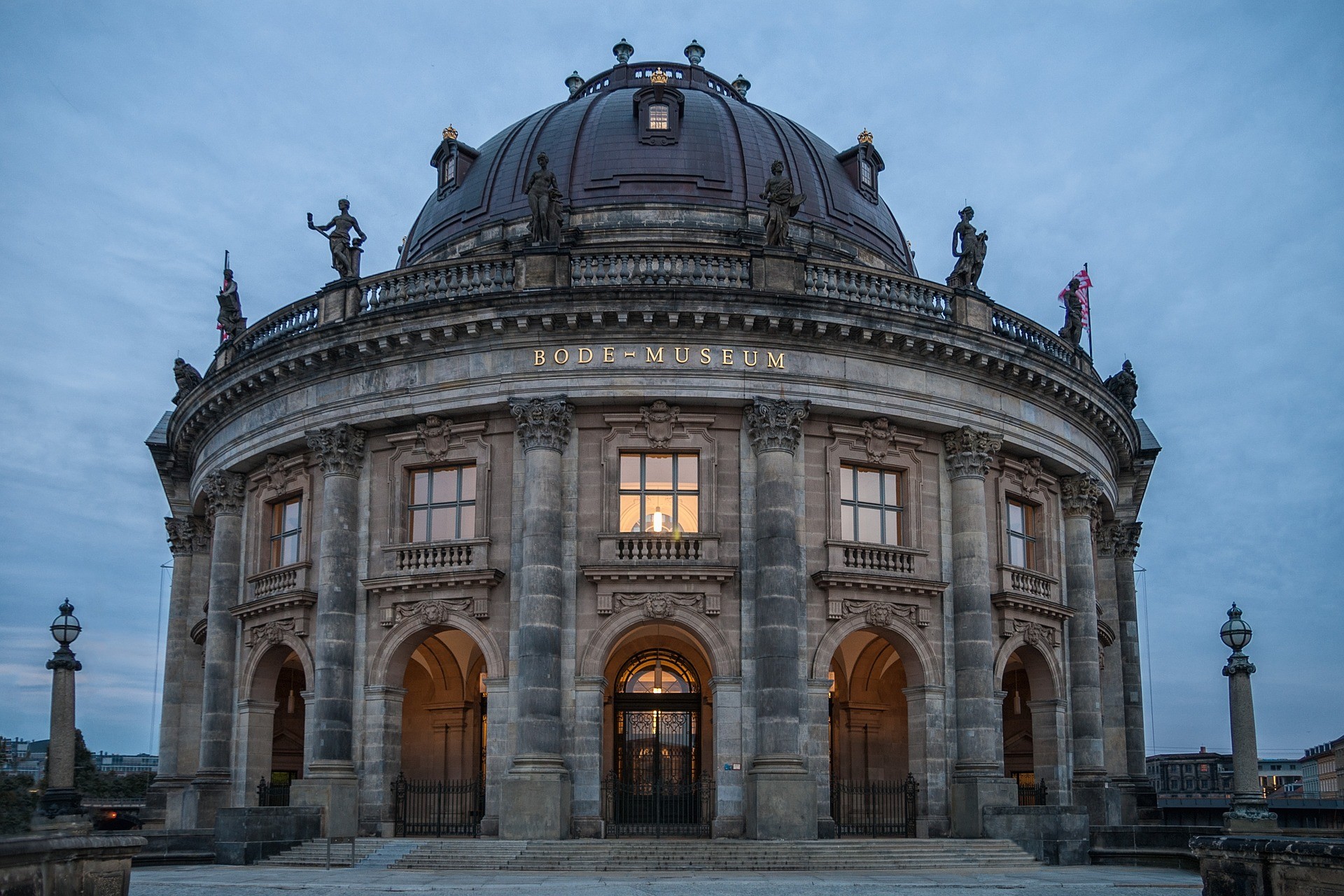
The Spree, the river running through Berlin, is a constant presence in the city center. Head over to the Ebert Bridge to appreciate one of Berlin’s most beautiful parts. You’ll see the stunning Bode Museum perched on a corner where the river divides, along with the TV Tower in the distance and trees lining the riverbank.
There are two main ways to enjoy the riverfront. You can simply walk along the shores, of course, admiring the views at your own pace. Depending on the side of the river you’re on, you can check out the antiques and book market near the Bode Museum or relax with locals at James Simon Park. The other option is to hop on one of the frequent river cruises to see Berlin from a different perspective. You can buy river cruise tickets here.
Museum Island
Museum Island is undoubtedly one of Berlin’s densest collections of attractions. This complex in the northern part of the Spree island includes five museums: the Old Museum, New Museum, Bode Museum, Old National Gallery, and Pergamon Museum. Even without the museums, the island is a nice place to explore. Among many of its main sites is the Lustgarten, a beautiful park with fountains and plenty of grass that fills up quickly on nice days.
Depending on how many museums you plan to visit, it might be worth purchasing the Berlin Museum Pass. The pass grants free three-day entry to over 30 city museums, making it a must for museum enthusiasts.
Pergamon Museum
If you can’t decide among the options on Museum Island, we recommend starting with the Pergamon Museum. This in-depth historic museum has only a few specific exhibits, but when you see them, you’ll understand why it was designed to be so selective. The biggest highlight is the Pergamon Altar, a colossal section (33 meters high!) of the ancient Greek acropolis of Pergamon in Turkey.
Other highlights include the beautiful Ishtar Gate of ancient Babylon and the gigantic Market Gate of Miletus, also from outside Turkey. With displays of various other artifacts from ancient civilizations in Europe and the Middle East, you could easily spend most of your day here. You can buy skip-the-line tickets for the Pergamon Museum here.
Neues Museum
If you’re in the mood for more stunning historical exhibits, check out the Neues Museum. But if you want to mix it up after exploring the Pergamon, the Alte Nationalgalerie (Old National Gallery) offers a nice change of pace. This engaging museum displays artworks from various periods, including Romanticism, Impressionism, and early Modernism. Exhibits include works by famous artists like Pierre-Auguste Renoir, Claude Monet, and Édouard Manet.
Hackescher Markt
Head toward the river to see another part of Berlin and explore Hackescher Markt. While the name refers to the square there, a visit to Hackescher Markt also involves the surrounding streets. Offering a break from all the history you’ve absorbed so far, this area is known for its boutiques, nightlife, and street art. The boutiques are especially interesting, appealing to quirky tastes, but there’s something for everyone here.

Berlin Cathedral
One last landmark to see on Museum Island is the imposing Berlin Cathedral, whose neo-Renaissance architecture makes a striking statement in Lustgarten square. While several churches have stood on this site since the 15th century, the current Berlin Cathedral was completed in 1905. On a guided tour, you’ll see inside the church, the Hohenzollern family crypt where many royals were buried, and the panoramic terrace around the outside of the cathedral’s large dome.
TV Tower
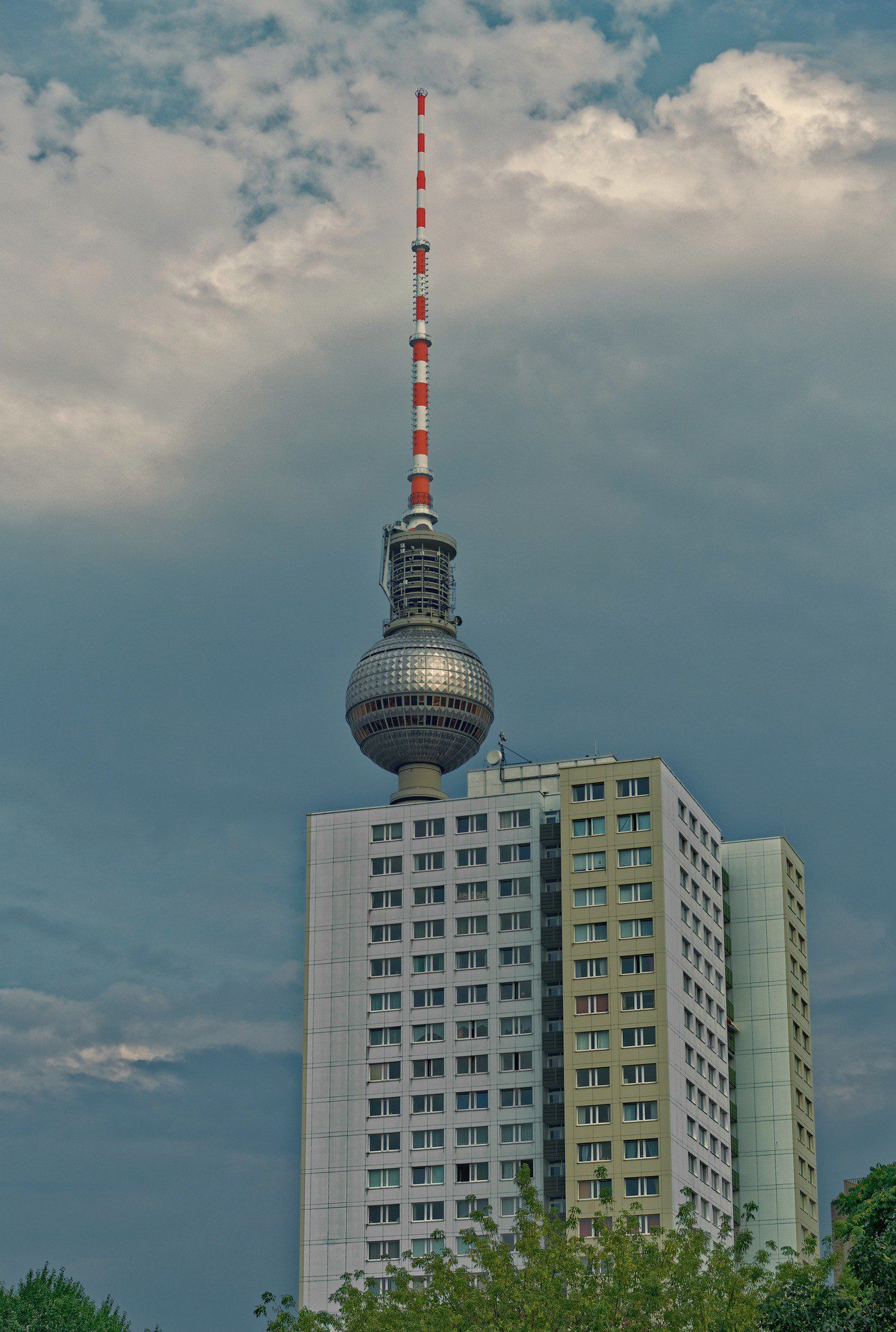
This city may not have the most classic skyline, but one building that helps define it is the Berlin TV Tower (Berliner Fernsehturm). This tower just outside Alexanderplatz is Germany’s tallest, standing 368 meters tall. Built in what was then East Germany, the tower is now one of the city’s most recognizable symbols. In fact, you’ll never get lost if you keep an eye on the tower.
Just over 200 meters up the tower is an observation deck and a revolving restaurant, letting you see all of Berlin below. While it may not be cheap, you won’t get a more comprehensive view of the city anywhere else. Buy your ticket in advance to skip the lines.
There’s still plenty to do on your last day here. You’ll need to move around a lot, but that means seeing even more of Berlin.
Charlottenburg Palace
Visit the eastern end of the city to see one of its most beautiful buildings, Charlottenburg Palace. This palace and its neighborhood were built in the late 17th century and named posthumously after the first queen consort of Prussia, Sophia Charlotte of Hanover. Being the largest palace in the city, Charlottenburg offers many attractions to visit during a tour. Of its many beautiful rooms, two highlights are the Golden Gallery and Silver Vault.
After exploring inside, step out into the park where you can appreciate the palace’s baroque architecture while strolling through the well-kept gardens. The palace park is huge, with lawns, lakes, and interesting landmarks. Look for the charming Belvedere Tea House and the mausoleum of Queen Louise of Prussia.

Kaiser Wilhelm Memorial Church
On the opposite side of Charlottenburg district stands one of Berlin’s most curious buildings, the Kaiser Wilhelm Memorial Church. Part Protestant church and part ruins, this evocative sight is a relic of the impact of World War II on Berlin. The church was heavily damaged by bombs in 1943, which left the spire and base in ruin. Instead of being fully rebuilt, the ruins were incorporated into a new church, with the broken spire left as a memorial for peace.
German Historical Museum
While we’ve looked at various museums so far, none of them has focused specifically on German history as one of the city’s most important museums does. The German Historical Museum tells the country’s story from the Stone Age to the present day. To fully appreciate the exhibits and artifacts on display, be sure to get an audio guide in English since translated informational signs are limited.
East Side Gallery
Visitors understandably want to see the Berlin Wall, and one of the best places to see it is the East Side Gallery. Stretching for over a kilometer, this section of the Berlin Wall is covered with vividly creative murals that provide a snapshot of the period surrounding the fall of the wall. You might be most familiar with the mural of Leonid Brezhnev and Erich Honecker kissing, but here you can see much more street art. There’s a reason this attraction is so popular, so don’t be discouraged by the crowds.
Berlin has incredible street murals, so take a street art tour if you have time. You’ll also see city markets, café districts, artist neighborhoods, multicultural areas, and much more on this artful tour.
Kreuzberg
Rather than experiencing specific attractions, sometimes it’s nice to soak up the atmosphere of an entire neighborhood. Kreuzberg is a trendy corner of Berlin with a lot of character, making it a perfect place to wander. Progressive and youthful, this district is known for its LGBTQ community and inclusive atmosphere. You won’t have to walk far to find street art and cafés here. If you get peckish, pop into the Markthalle Neun where you’ll find food from all over the world.
Tempelhof Airport
No, it’s not yet time to head home, and you won’t be catching a flight from this airport. American military and commercial airlines used Berlin Tempelhof Airport to fly in and out of West Berlin during the Cold War. With East Germany surrounding the city, Tempelhof Airport was a lifeline for West Berlin in 1948-49. You can visit on a guided tour to learn its history and explore parts of this disused airport that visitors normally can’t see.
Before you know it, your time in Berlin is up. You can see a lot of Berlin in three days, though, with so much to see and do in this fun European city! Got more than 72 hours in Berlin? Follow our comprehensive guide on things to see and do in Berlin.

Best Time to Visit Berlin
When visiting such a popular destination as Berlin, you should always be strategic about timing. You certainly don’t want bad weather or big crowds to ruin your trip. Visiting in peak season doesn’t just mean longer queues — it also means higher accommodation prices due to increased demand.
July and August are far from ideal, not only because this is high season but also due to heat and humidity. Another incredibly busy period in Berlin is from late September to early October, when the city hosts its own Oktoberfest. You’ll find that the best time to visit Berlin is from mid-May to mid-June and in the weeks surrounding Oktoberfest in September and October. As shoulder seasons, these times of year enjoy pleasant weather and lower prices.
Winters in Berlin are cold, but the local Christmas markets in December will make you want to brave the chill. The many Christmas markets around Berlin make it one of the best German cities to visit in winter. The rest of winter is low season for Berlin, so that could also be a good time to visit if you don’t mind the cold.
Getting Around Berlin
It’s hard to grasp how massive Berlin is looking at a map. If you keep going back and forth across the city by foot, you’ll spend more time walking than sightseeing. You’ll soon find public transportation is your friend when visiting Berlin.
Between the U-Bahn subway, S-Bahn train, trams, and many bus lines, it’d be difficult to find a place in Berlin you can’t reach via public transport. All these transit options use the same tickets, which will be handy when switching between them to reach many places on this itinerary. The cheapest fare is a Kurzstrecke ticket, allowing three stops and costing €1.70 (or $1.83). You can find more info on zones and fares here and a U-Bahn/S-Bahn route map here.
Recommendation: to save time and money, buy the Berlin WelcomeCard. This card allows free travel on Berlin public transit (including to/from the airport) and gives up to 50% off over 200 attractions. Worth every cent!
Berlin Brandenburg Airport (formerly Berlin Schönefeld) is currently the city’s only international airport since Berlin Tegel Airport closed in 2020. If you arrive here by plane, the regional train (lines S9 and S45) or Airport Express can take you to the city center for about €3.30.

Where to Stay in Berlin
Given how large and spread out the city is, figuring out where to stay in Berlin can be daunting for first-time visitors. Just like attractions, accommodations are scattered throughout this great European capital. Berlin attracts all kinds of travelers, so you’re sure to find a spot that suits your travel style. While you could get discounted rates if booking last minute, you generally find better options booking well ahead.
When it comes to the best places to stay in Berlin, the district you choose may be even more important than the hotel itself. Berlin is huge and incredibly varied, so you’ll see many accommodations more than an hour’s walk from the city center. Extensive public transport makes this easier, but if you want to be closer to the heart of the city, the best bet is Mitte, which is definitely the most central. Kreuzberg isn’t too far either and is known for nightlife, while Prenzlauer Berg and Friedrichshain are both considered trendy, creative neighborhoods.
To treat yourself during your stay, consider the luxurious Regent by IHG. This five-star hotel on Gendarmenmarkt square features classic, refined furnishings and huge rooms. If balancing cost and comfort is important to you, look no further than the IntercityHotel Berlin Hauptbahnhof. With a clean, sober design, this business-style hotel offers excellent public transportation links and even includes a free transit card.
For more accommodation options in Berlin, check our FullTravel Booking. We constantly offer the best rates compared to hundreds of travel agencies.