Il Reno e Basilea sono strettamente congiunti in riflessi di bellezza, attività economiche, eventi sportivi e culturali. E’ arteria vitale e ambiente di piacere, il fiume, tra chioschi all’aperto e corroboranti nuotate.
Muniti di Wickelfisch, la colorata sacca impermeabile a forma di pesce dove mettere abiti e oggetti di valore, si nuota a perdifiato o si solcano le acque su traghetti sospinti solo dalla forza della corrente. Sfoggia appuntamenti imperdibili durante tutto l’anno, dal Carnevale incluso nel Patrimonio dell’umanità UNESCO, alla manifestazione mondiale di arte contemporanea “Art Basel” ai mercatini di Natale: sfavillanti, profumati di spezie, decorati da suggestive creazioni con l’alta piramide roteante di fulgori davanti alla cattedrale (www.claudiafarina.com/natale-a-basilea).
E’ una città abbiente, ottimamente servita da mezzi pubblici interni ed esterni; sorge a nord ovest della Svizzera al confine con Germania e Francia, con le quali condivide note fusion in edifici e in gastronomia. E’un grande centro di attività finanziarie, direzionali, industriali, in un’area tra le più dinamiche d’Europa, in una regione di cooperazione transfrontaliera, con un porto sul Reno che la collega a Rotterdam, Amsterdam, Anversa e Strasburgo.
Una ricchezza economica che si accompagna ad altrettanta offerta culturale, anzi, la sostiene: non sempre succede, ma qui in 37 kmquadrati ci sono 40 musei! In armoniosa vicinanza coesistono edifici medievali, rinascimentali e neoclassici fino alle abitazioni sette-ottocentesche.
E’ il regno degli archistar, dal Museo Tinguely di Mario Botta alla Fondazione Beyeler di Renzo Piano alla ristrutturazione e ampliamento del Kunstmuseum di Herzog & de Meuron: ben una decina di premi Pritzker hanno operato a Basilea. Monumenti, musei, parchi, ristoranti e club sono tutti raggiungibili a piedi o in pochi minuti con l’ecologico tram, qui non c’è bisogno delle auto. Entusiasmarsi di Basilea dipende anche dal suo essere protagonista in “Svizzera la potenza nascosta” (vedi paragrafo finale).
Basel: two-day itinerary
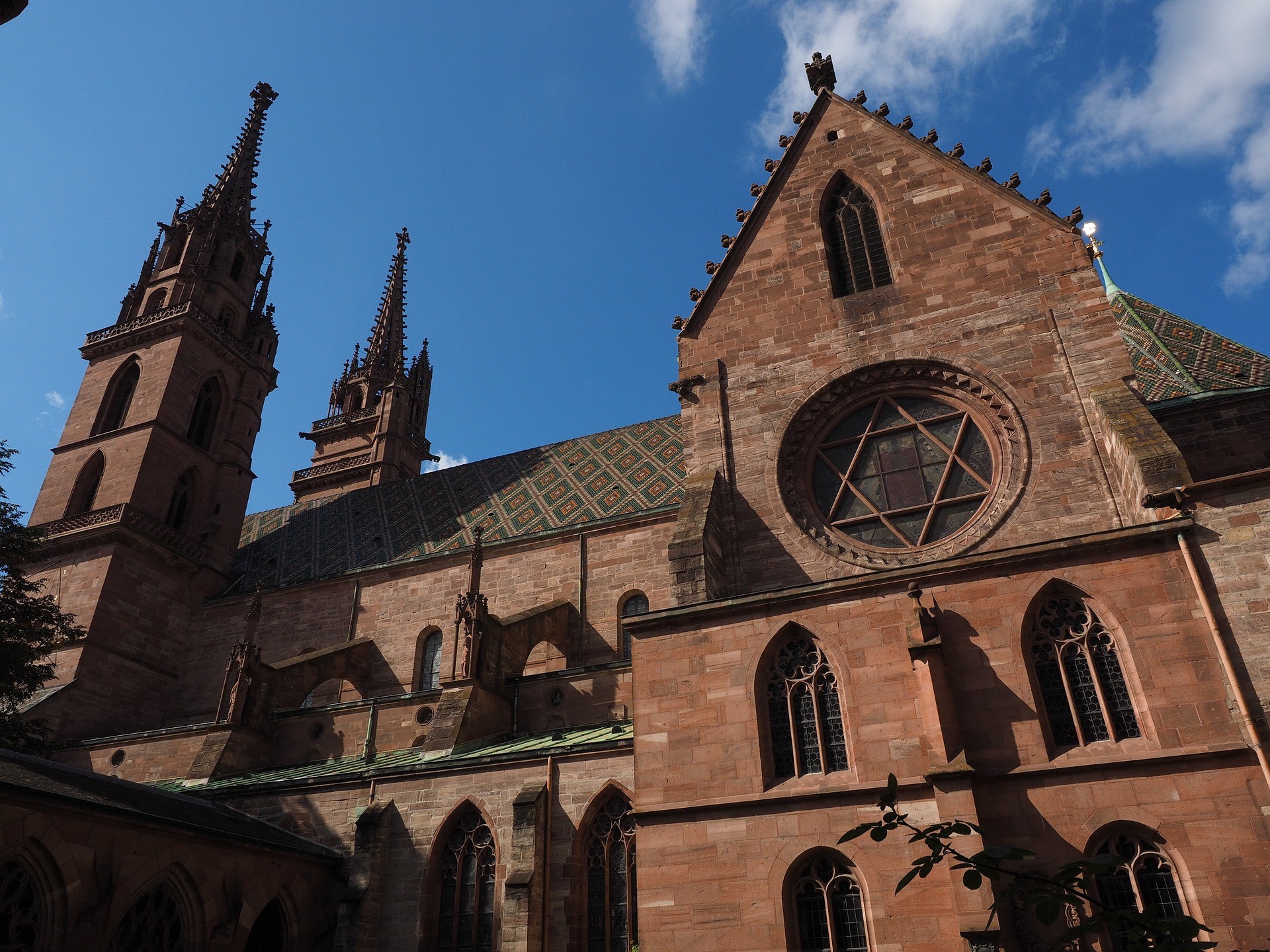
The Münster Cathedral
Symbol of Basel with its slender towers on the skyline, from which the entire city and surroundings can be seen, it was built in Romanesque-Gothic style over a period from the 11th to the 16th century. The Dutch theologian and philosopher Erasmus of Rotterdam, who died in 1536, is buried here. He spent his last years in Basel to freely print his works in the best way possible. At the top, the spires visible from afar, below the beautiful square hosting the Christmas markets.
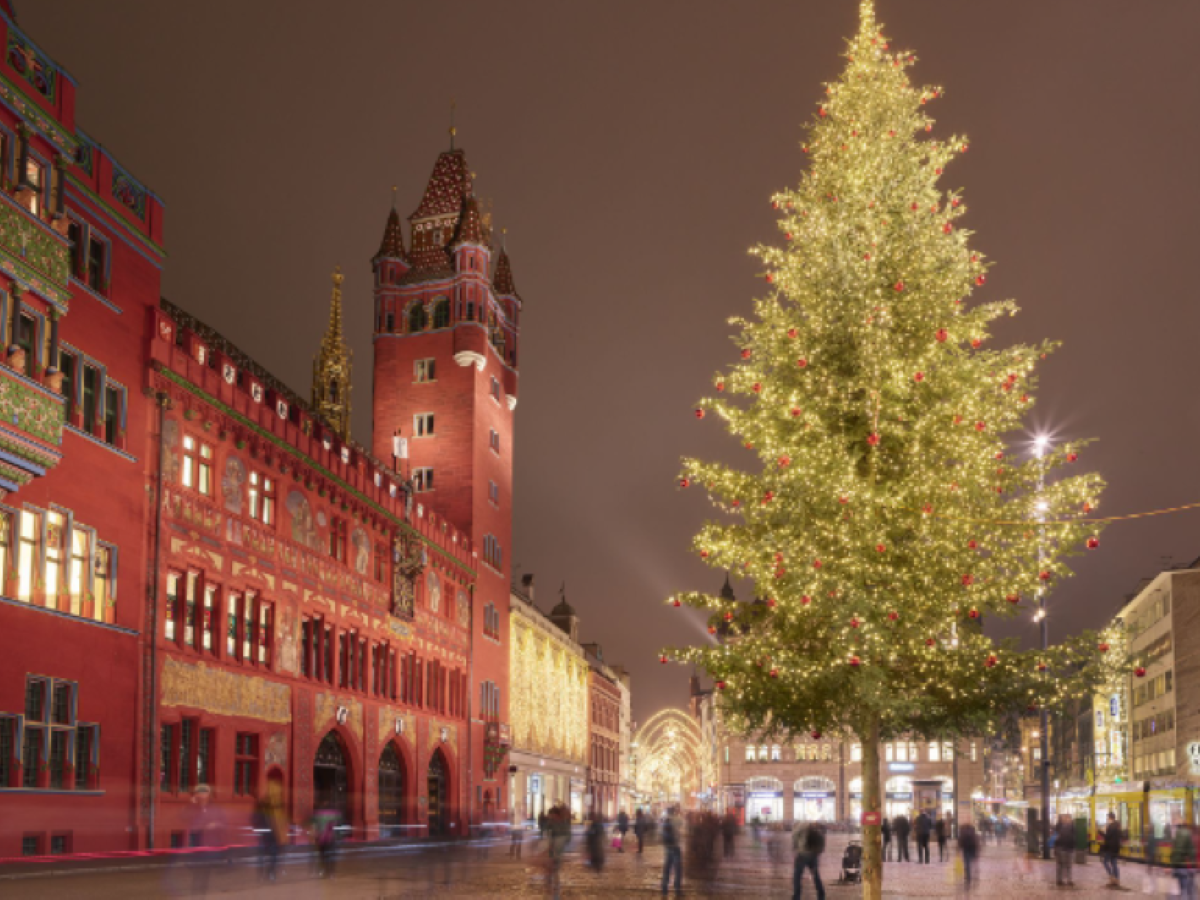
Town Hall
Standing out in the heart of the city, in Marktplatz, the Town Hall in late Gothic style with its majestic tower and a deep red facade with golden decorations, enriched in the seventeenth century by the sumptuous paintings of the master Hans Bock. Today, the building houses the Parliament and Government of Basel.
Mittlere Brücke
Inaugurated in 1226, it is one of the oldest crossings on the Rhine; it connects the historic center with Kleinbasel, the “Little Basel,” a district on the banks of the Rhine today among the most lively and beloved in the city. In 1905, with the arrival of electric trams, the original bridge was replaced by the current one. At dusk, the Rhine reflects shapes and flickering lights.
Tinguely Fountain
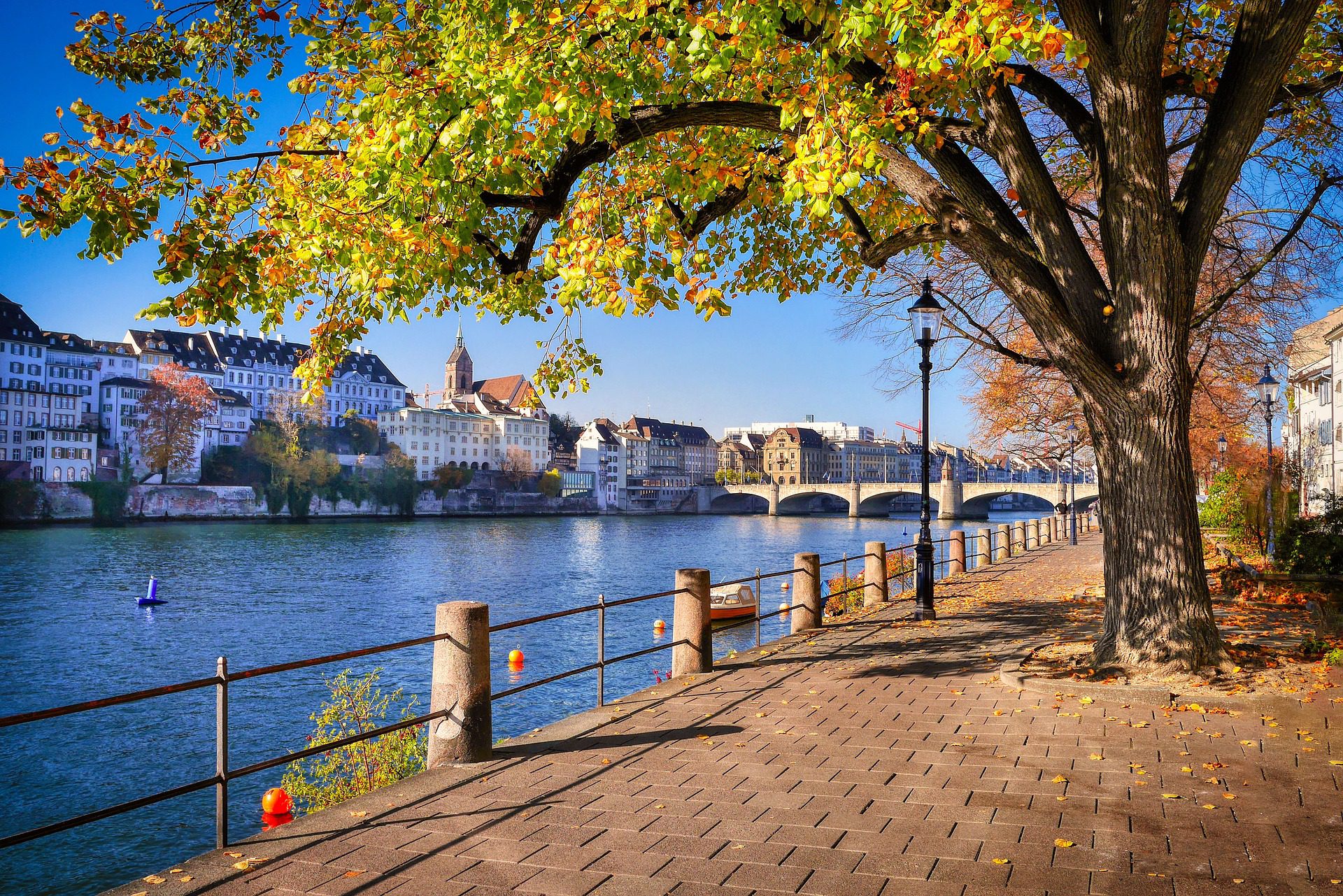
Among the 200 fountains in the historic center, the one by the brilliant Swiss sculptor Jean Tinguely stands out, built where the stage of the municipal theater once stood. Not to forget the artistic genius loci, on a large black asphalt basin mechanical sculptures in motion emerge with water games and dances. And if you are in Basel on New Year’s Eve, arm yourself with mugs to draw spiced wine of good omen from the Triton fountain…
Roche Towers
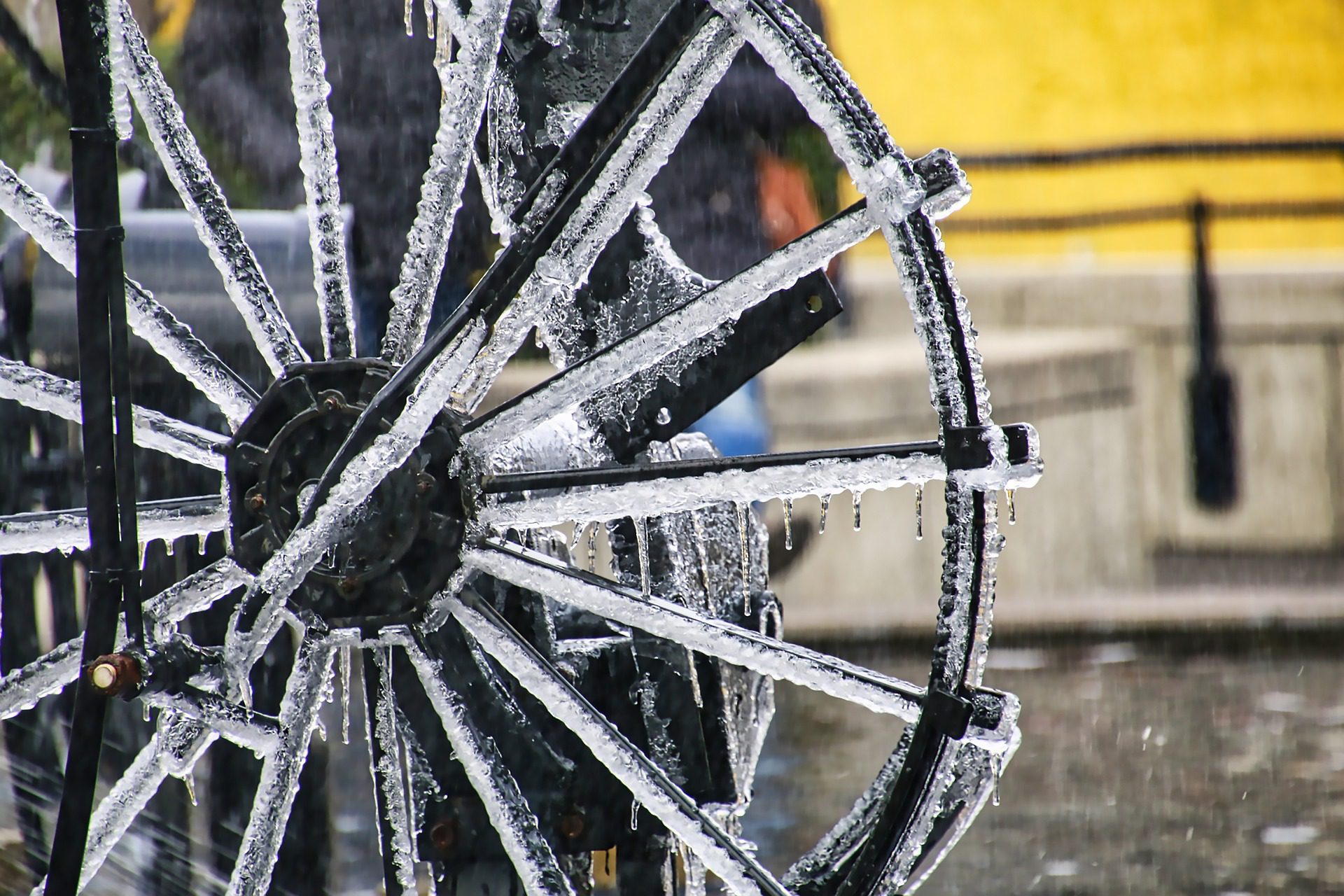
The Swiss firm Herzog & de Meuron, born in Basel and now one of the most important internationally, has completed over thirty projects in the city including the fair (Messe Basel) and the Roche Towers, in the St. Johann district, the tallest skyscrapers in Switzerland, the first 178 and the second 205 meters tall with a total of 50 floors, headquarters of the pharmaceutical company of the same name.
Novartis Campus
The main headquarters of Novartis, a center for research and development, an eden of contemporary architecture where sculptures, installations and extraordinary star-architect buildings can be admired. The latest, inaugurated in 2022, the Novartis Pavilion by Michele De Lucchi is ring-shaped and shines spectacularly in the evening with light shows produced by thousands of solar cells integrated into the multimedia facade. Open to the public on weekdays since September 2022, it hosts a truly surprising exhibition: Wonders of Medicine, dedicated to medical research and the pharmaceutical industry, unveiling historical stages and future projections of an evolutionary path from the textile industry to chemistry to pharmaceuticals. It is a special and creative space where material and immaterial culture interact with society. The wonder goes from vitrine to vitrine discovering “objects” well known in chemistry and pharmaceuticals: Voltaren, Ovomaltine, the contraceptive pill, glue for the helmets of Apollo mission astronauts up to Ferrari red color. Other inventions will amaze visitors in the near future.
Kunstmuseum
Over 300,000 works, from the late Middle Ages to the present day, make up the heritage of the largest art collection in Switzerland. Among the treasures is the Amerbach Cabinet, the oldest public art collection in the world, acquired by the city in 1661 and then opened to the public. Here are two works whose value goes far beyond artistic merit, exemplifying the care the inhabitants have for their city. When the owner of the works “The Two Brothers” and “Seated Harlequin” by Picasso decided to sell them to face financial difficulties, the Basel citizens took to the streets in 1967 shouting “All You Need Is Pablo” and bought the paintings through a self-taxation of six million francs. Picasso was so impressed by the event that he donated three paintings and a drawing to the Kunstmuseum, now displayed alongside masterpieces by Matisse, Miró, Klee, Van Gogh. The museum’s newest building, designed in 2016 by the Christ & Gantenbein studio, hosts temporary exhibitions, while the Kunstmuseum Basel Gegenwart is the home of contemporary art (kunstmuseumbasel.ch).
Beyeler Foundation
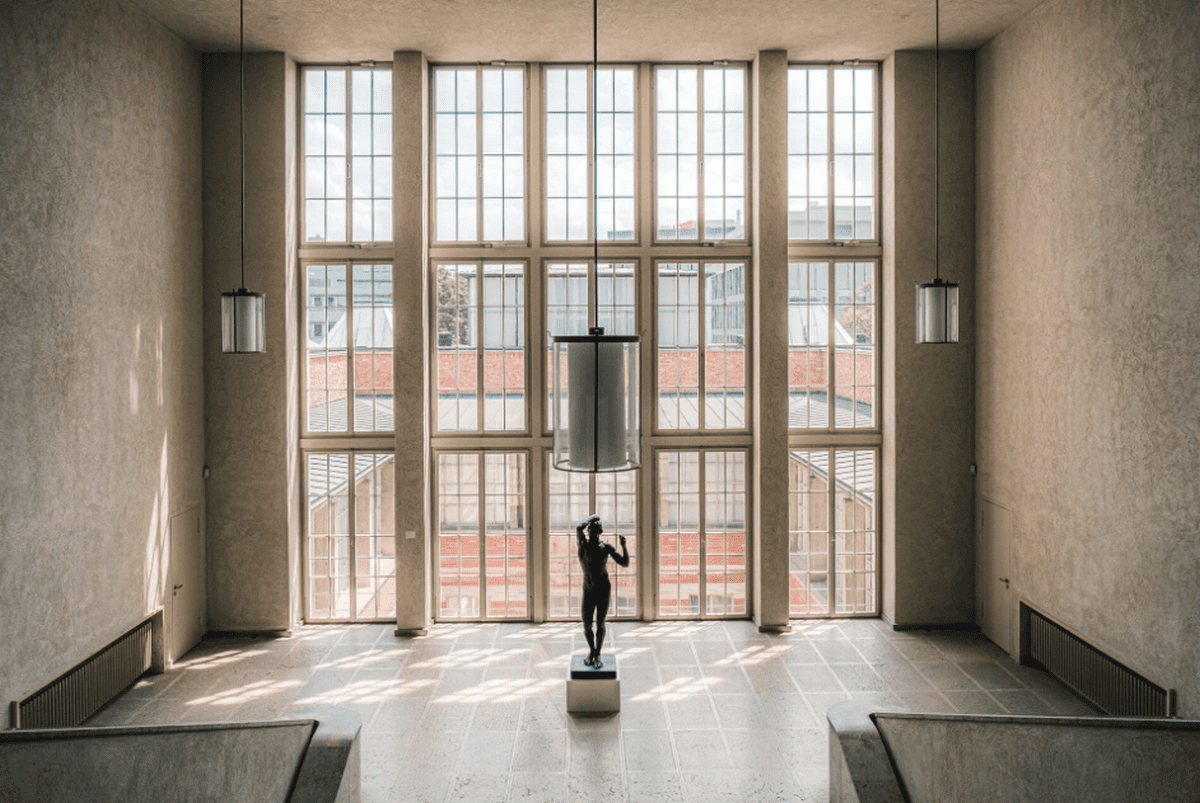
Ernst and Hildy Beyeler collected over 400 works between Impressionists and contemporaries; Renzo Piano designed an extraordinary building to preserve and enhance them, in a spectacular movement of volumes and water mirrors, as beautiful as Monet’s water lilies welcoming visitors from the park. Temporary exhibits keep public interest high; for 2024, the foundation has scheduled shows by Canadian photographer Jeff Wall and Matisse. The museum is located in Riehen, just outside Basel towards Germany (fondationbeyeler.ch).
Tinguely Museum
Another museum gem nestled in the greenery of Solitude Park overlooking the Rhine, designed by Ticino architect Mario Botta. Since 1996, it has hosted the largest collection of works by Jean Tinguely (1925–1991), the innovative and visionary Swiss artist, author of moving and sound sculptures, gigantic and paradoxical machines. The museum’s exhibitions often draw inspiration from the master’s thought and preserve his legacy (tinguely.ch/en.html).
Other unmissable destinations for art lovers are: the Vitra Campus hosting part of the Vitra Design Museum collection, just across the border in Weil am Rhein, Germany, a complex of buildings by star architects; the Museum of Cultures designed by Herzog & de Meuron, the largest ethnographic museum in Switzerland focusing on the Basel Carnival (mkb.ch); Haus der elektronischen Künste, an innovative center dedicated to the relationship between art, media and technology, set up in a former warehouse in Dreispitz.
Basel Historic Center
The historic center can be admired step by step, observing the colorful half-timbered houses, historic shops, narrow cobbled streets, bars and restaurants with outdoor tables. Don’t forget the Toy Museum with an incredible collection of dolls and childhood characters; if you visit during the Christmas season, enter the archways and courtyards, all festively decorated.