
Departure from Huaraz
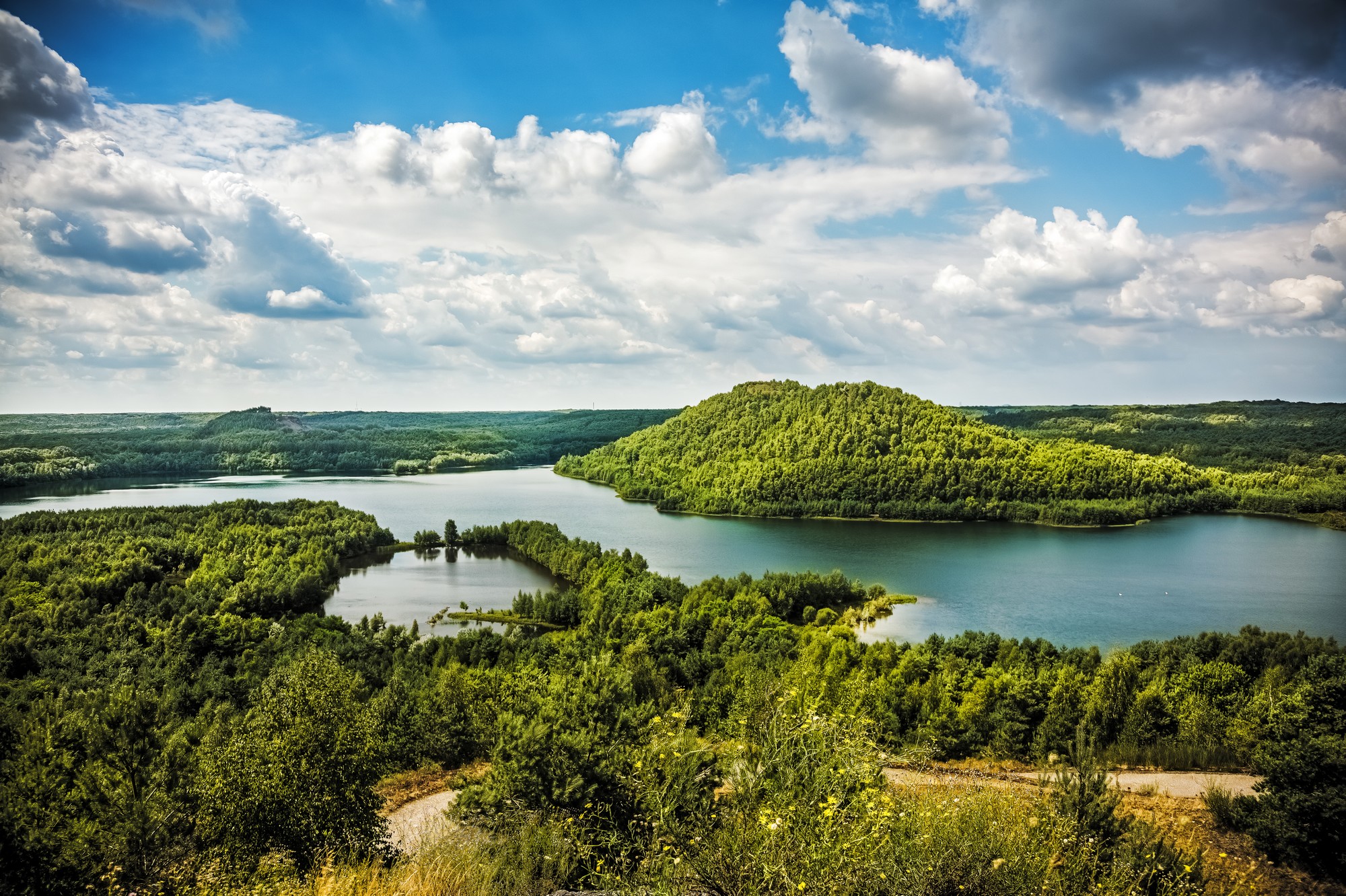
The journey starts from Huaraz, north of Lima, a small town at 3,000m altitude located at the foot of the Cordillera Blanca, the starting point to discover some of the most beautiful natural landscapes in the world. Situated in the central part of the Callejon de Huaylas valley and the capital of the Ancash region, it was founded in the pre-Inca era and completely destroyed by the devastating earthquake of 1970. Its beauty lies in the incredible natural panoramas that surround it: snow-capped peaks, valleys immersed in greenery, forests and pristine lakes, imposing glaciers.
Nearby, the Huascaran National Park guards the mountains of the same name, which, at 6,768 meters, is the highest in all of Peru. The city is also the departure point for visits to the Chavin de Huantar site; the namesake civilization, one of the oldest on the continent (it developed around 1000 B.C.E. influencing all subsequent cultures and civilizations and extending southward with the Nazca and Paracas civilizations).
Trujillo
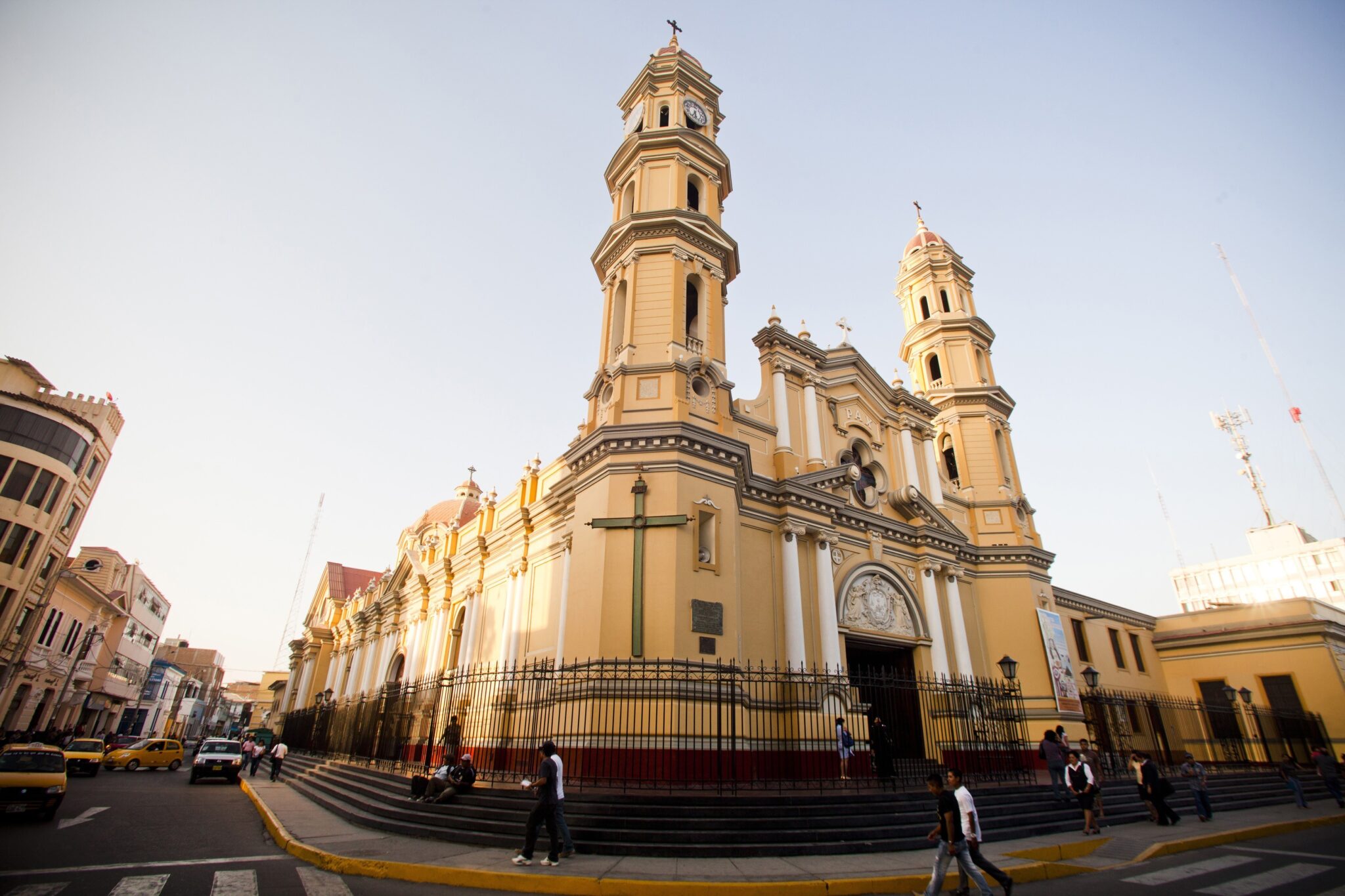
Trujillo, even further north, is a charming colonial town from which you can easily reach the site of Chan Chan, the largest pre-Columbian city in South America built by the Chimu civilization, which thrived until the arrival and rise of the Incas. It is a magnificent site, located a few kilometers from the coast, entirely built of adobe (dried clay) and declared a UNESCO World Heritage Site.
Moche Civilization
Going even further back in time, 700 years earlier, the secrets of an even more complex and fascinating civilization are discovered, that of the Moche. To get to know it, you need to reach the Huaca de la Luna site, the main ceremonial center of this ancient people. The Ruta Moche is a route that winds through history, art, culture, and divinities, through enchanting palaces, unimaginable treasures, and temples of immense wonder. The Moche civilization, whose name very likely derives from the spoken language, “Muchik,” was the most famous in Peru, lived in a period generally called the “First Intermediate Period” between 200 BC and 600 AD, occupying a vast territory, predominantly desert, between the locality of Piura and the Nepena valley.
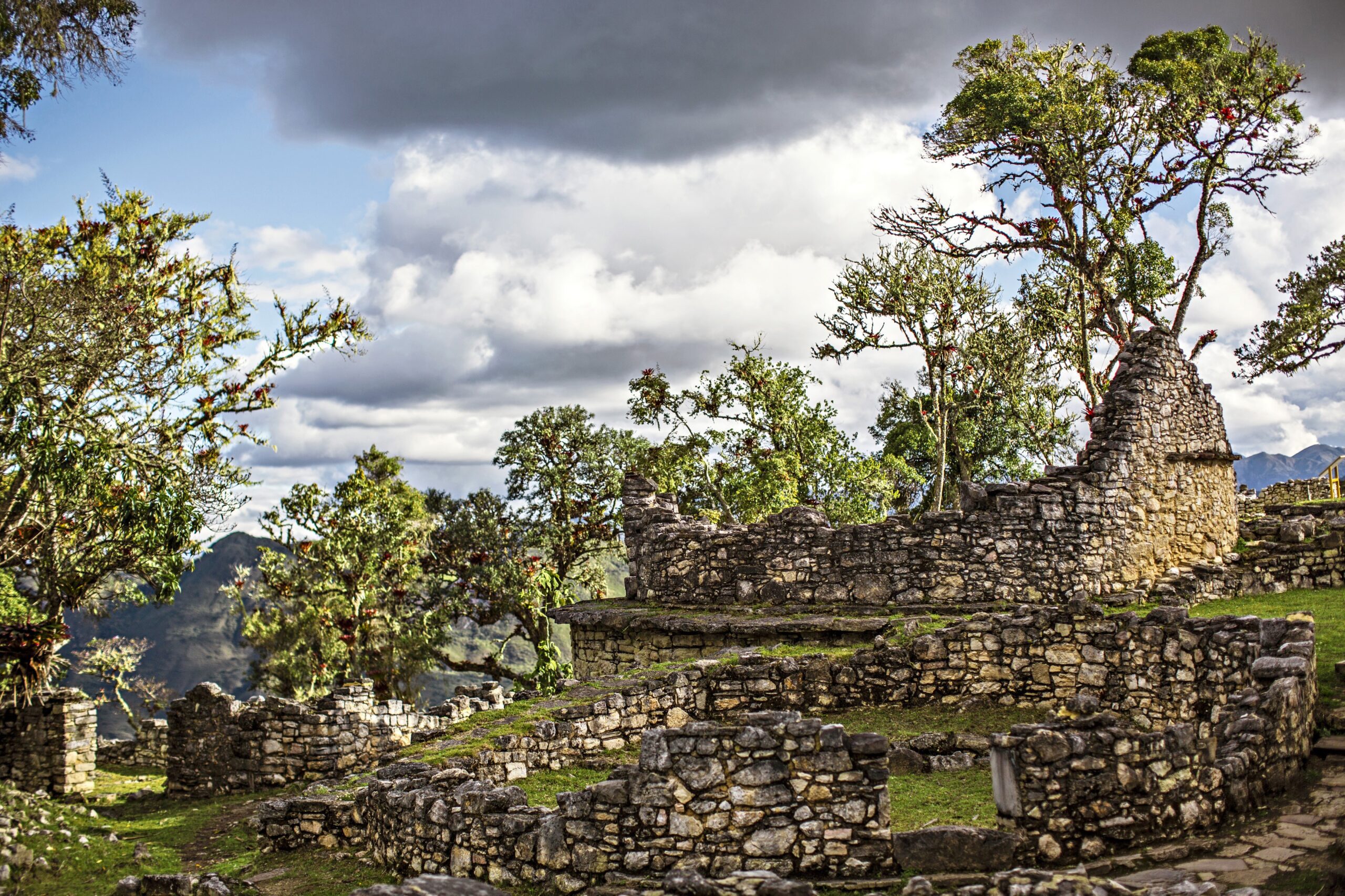
Also in the north of the country, in the Amazonas Region, the forest reigns: privileged microclimates and unique ecosystems in the world, archaeological sites such as the citadel of Kuelap (built between the forest and the Andes), colonial buildings, mysterious tombs, heritage of an era in which the Chachapoyas culture reigned, characterize the region. Here also are the Gocta waterfalls, an impressive 771-meter-high waterfall, which is among the tallest waterfalls in the world.
The coasts of Peru
The coasts of Peru, 3,000 km along the Panamericana, are a succession of beaches suitable for couples and travelers seeking peace and tranquility, but also rich in opportunities for young surfers who come here, to the Piura region, to look for the perfect wave (or in the Trujillo area the more experienced meet in Chicama, where the longest left wave in the world originates).
Along the coast of Piura and Tumbes, at the extreme north of Peru, long sandy beaches satisfy both tourists looking for relaxation and young sports enthusiasts seeking adrenaline and thrills.
Between August and September in this area you can admire, among other things, the spectacular mating and migration of humpback whales and for better whale watching, it is recommended to take the excursion in the morning. The humpbacks are up to 17 meters long and weigh almost 40 tons. The whale-watching season starts on July 15 and ends on November 15. It is estimated that more than 2,000 humpback whales reach the Peruvian coasts, following the Humboldt current.
The beach of Cabo Blanco, in the northern part of this coast, known for blue marlin fishing, also hosted Ernest Hemingway who took inspiration for his novel The Old Man and the Sea right here.