

Thanks to its position on the western coast of the Red Sea, Marsa Alam offers a dream holiday without giving up a landscape not yet overwhelmed by tourism. The Egyptian city is precisely located where the Sahara Desert ends its long journey meeting the shores of the Red Sea, in an environment rich in palm groves and mangroves.
Those seeking an intimate and deep contact with unspoiled nature arriving at Marsa Alam will be able to experience fantastic sensations. One can relax on the warm, soft, and white sand and then dive into the splendid blue waters and admire the all-natural marine scenery.
Thanks to the fabulous coral reef of the Red Sea, it is possible to explore seabeds rich in fish variety and numerous types of coral.
The strength of Marsa Alam lies in the diving sites that are not yet overcrowded, where you can also admire the feared hammerhead sharks, the friendly dolphins, and the rare dugongs. The most recommended destinations for diving and snorkeling are the deep Elphinstone Reef, the shallower Marsa Abu Dabab (known for the presence of the dugong), and the Samadai Reef (also known as ‘Dolphin House’), home to a large group of dolphins. The best period for diving practices is summer with water temperatures above 30°C, but wearing a thicker wetsuit, even 24°C in winter is not to be despised.
Those not very accustomed to diving can opt for an adventurous desert safari aboard a quad or jeep or riding a camel or horse. Immersed in the rough inland, one can taste the famous ‘tea in the desert’ at a typical Bedouin tent, admiring a fantastic sunset that gives new shades to the surrounding landscape.
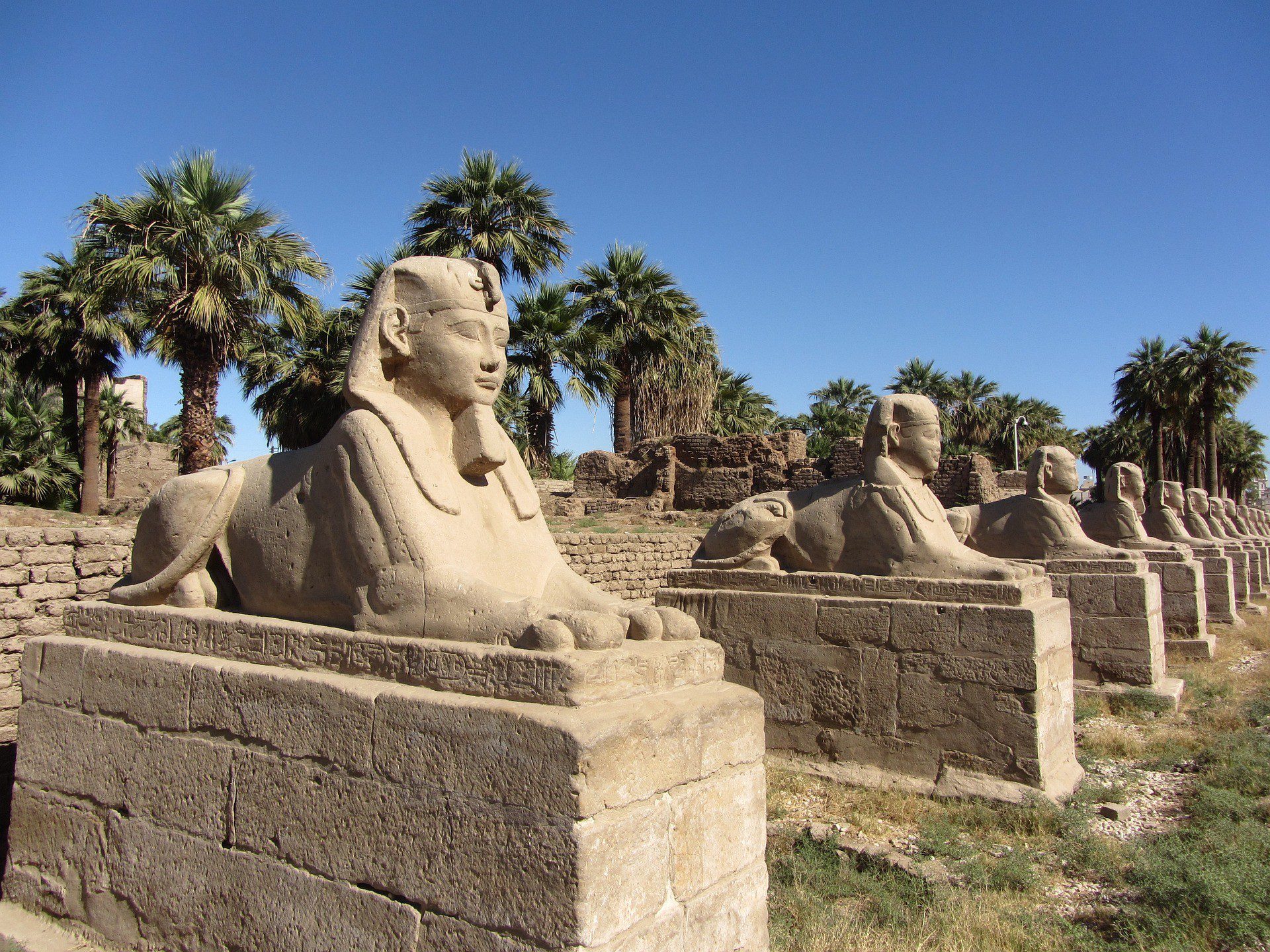
After visiting the peaceful Marsa Alam and meeting its inhabitants with their charming optimism, one can leave the city limits towards the nearby more ‘touristy’ places. Those fascinated by historical heritage can reach El Quseir and admire the Ottoman fortress with its protruding cannons, almost protecting people in the underlying bazaars. If possible, you can reach Wadi Hammamat to admire the hundreds of rock inscriptions (some dating back to 4000 BC) decorating the walls of the dry riverbed or reach the city of Luxor, known for its Egyptian temple and the Great Temple of Amon, in the village of Karnak. Those who want to continue immersing themselves in nature can head towards the Gebel Elba National Park, which guards a great variety of ecosystems.
After wandering to discover the natural beauties, it’s time to relax in front of a good meal based on vegetables and greens (such as baba ghanouj, mashed roasted eggplants with tahini), fish (grilled or fried), and the very sweet baklava, made of filo pastry, dried fruit, and honey.