


La numero uno per quanto riguarda finanza (la Borsa di Zurigo è la quarta al mondo dopo New York, Londra e Tokyo), economia, turismo, cultura, terziario avanzato, nuove tendenze e shopping d’élite. Le mancano solo i grandi palazzi della politica che stanno a Berna: per il resto, i ritmi e il metabolismo sono quelli delle grandi piazze commerciali e finanziarie mondiali.
What to visit in Zurich
La vivacità, l’anticonformismo culturali e una sorta di amore per la sperimentazione di tutto ciò che è sperimentabile fanno somigliare Zurigo a Londra, e il fatto di essere culla del protestantesimo non le impedisce di essere disinibita e tollerante. Zurigo è la città che ogni anno, ad agosto, richiama alla Street Parade torme di giovani da tutt’Europa, che sfilano ai ritmi indiavolati della techno-music. Che propone una specie di cultura itinerante, rimuovendo, per volontà dei suoi amministratori, le statue dai secolari piedistalli del centro e portandole in altri quartieri, affinché tutti possano ammirarle. E che consegna i pulpiti più prestigiosi, simbolo del protestantesimo, alle predicatrici donne.
Nelle sue strade, che la storia ha visto romane, tedesche, francesi, sono passati alcuni tra i più grandi personaggi degli ultimi secoli: Goethe, Einstein, Musil, Joyce, Mann, Wagner; mentre i cervelli di oggi si accampano sul colle della prestigiosa università e crescono all’ombra di avanzatissimi centri di ricerca chimica, biologica e genetica.
Visitare Zurigo e scoprire che tutta questa modernità ha un cuore antico, che non ha assolutamente intaccato la bellezza e la poesia di certi quartieri che si specchiano nella sonnacchiosa Limmat, con le case costruite un po’ in legno e un po’ in pietra, l’atmosfera retrò di certi settori, il ripetersi di gesti, riti e appuntamenti vecchi tanto quanto le Campane della Chiesa di St. Peter.
Zurich what to see
1 Zurich Old Town
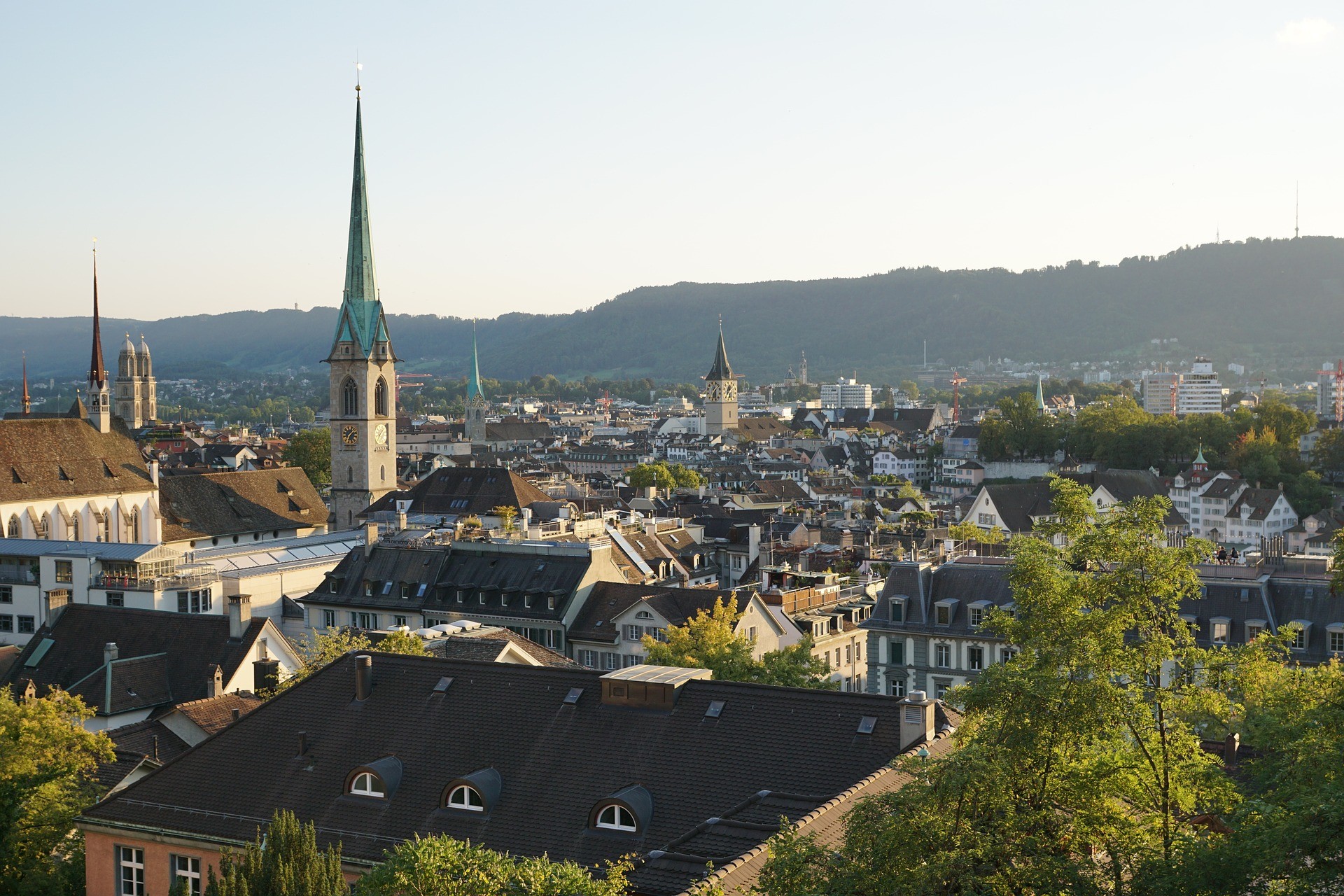
Zurich Old Town extends between the two banks of the Limmat river. The medieval houses, the winding alleys, the Zunfthaus – guild houses – and the Renaissance town halls of Zurich offer an enticing setting for fun immersed in the past. A guided tour of the Old Town transforms the setting into the vivid history of the typical buildings and the people who have lived and acted there. The emblem of Zurich are the two bell towers of the Grossmünster, the city cathedral. According to legend, Charlemagne built them on the spot where the tombs of the city’s patron saints Felix and Regula were discovered.
Zurich Station. A convenient starting point for a visit to Zurich is Hauptbanhof, the monumental railway station, which also offers ample parking options, since the pedestrian zone is quite extensive. To the left of its nineteenth-century building opens the medieval citadel, with the two towers of the Grossmunster, the imposing Protestant cathedral; beyond it looms the Lake (Lake Zurich); in the middle the Limmat river, which adds a romantic yet majestic note to the scenery. On the right, still remnants of the old city, with the merchants’ squares, the landing stage, the bell tower of the oldest church, St. Peter (857 A.D.), with one of the largest clocks in the world (8.7 meters in diameter) and, finally, the citadel of business and refined shopping, spiraling along the sparkling Bahnhofstrasse, the calling card of booming Zurich. Among the things to see in Zurich, behind the station, the Landesmuseum, the national history museum, emerges, with a massive and towered structure that revisits medieval style. Behind the museum nestles the enchanting Platzsplitz park, designed in the nineteenth century, a bucolic oasis populated by centuries-old plants, fountains, statues of famous figures, and, in the beautiful season, flooded with the thousand scents and colors of blossoms.
2 Niederdorf
With its tangled car-free alleys and the symbol of the Grossmünster, it enchants not only in the evening but also in broad daylight thanks to small boutiques, antique dealers, and artisan workshops. In Niederdorf, the unique charm of Zurich is best appreciated. The historic “Boutique Konditorei Schober-Péclard,” under protection, combines the souls of the city: history, architecture, and shopping. The old Zurich district, Niederdorf, is affectionately called “Dörfli” (little village) by locals.

Zurich places of interest
3 The Museums of Zurich
Zurich has 50 museums, of which 14 are dedicated to art. The Kunsthaus, Zurich’s museum of figurative arts, hosts rich collections of paintings, sculptures, photos, and videos, as well as a large collection of works by Alberto Giacometti. The Museo Rietberg, one of the main centers for non-European art. Just a few steps from Zurich’s main station, the Schweizerisches Landesmuseum, the Swiss National Museum – a building reminiscent of a castle and dating back more than 100 years – allows visitors to admire the country’s largest historical-cultural collection. In Zurich, art is also experienced outside of museums and galleries: both in the Giacometti room of the police station and on the stained glass windows by Marc Chagall in the Fraumünster church or outdoors at the Heureka by Jean Tinguely on the shore of Lake Zurich.
4 Rietberg Museum
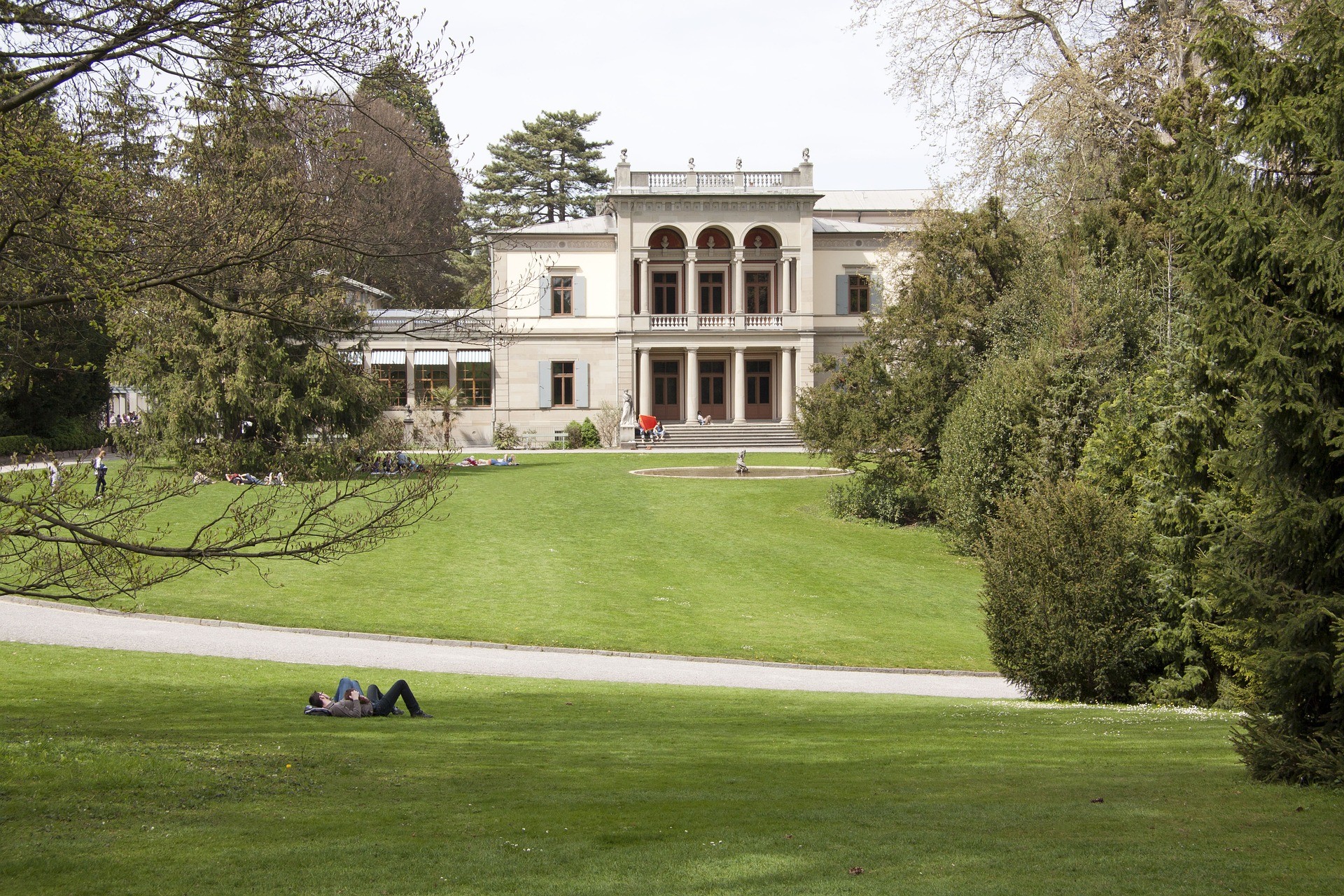
The Rietberg Museum in Zurich is the only art museum for non-European cultures in Switzerland and has a collection of international fame, with works from Asia, Africa, America, and Oceania. The “Smaragd,” as the new museum is called, is spectacular architecturally: it is composed of a glass kiosk and integrates perfectly with the ensemble of villas in the beautiful Rieterpark.
5 Kunsthaus Museum
The Kunsthaus Zurich features works from the 13th century to the present day. It is not only renowned for its significant collection of modern artists but also for its remarkable temporary exhibitions. Alongside works by Alberto Giacometti, you can admire important paintings by Picasso, Monet, and Chagall, as well as numerous contemporary Swiss artists. The New York School is represented by Pollock, Rothko, and Newman, alongside European and American pop art. The expressive awakening of the 1980s is then manifested in the overall work of Georg Baselitz.

6 Swiss National Museum Zurich
The National Museum houses the largest historical and cultural collection of the country. Behind walls more than 100 years old, the past comes alive and shows how past generations lived, thought, and felt. The National Museum also addresses significant social issues and thus offers a temporary shift in perspective. Gustav Gull designed the Swiss National Museum in 1898, on the occasion of the 50th anniversary of the first Federal Constitution. The museum, located between the central station and Platzspitz Park, somewhat resembles a fairy-tale castle.