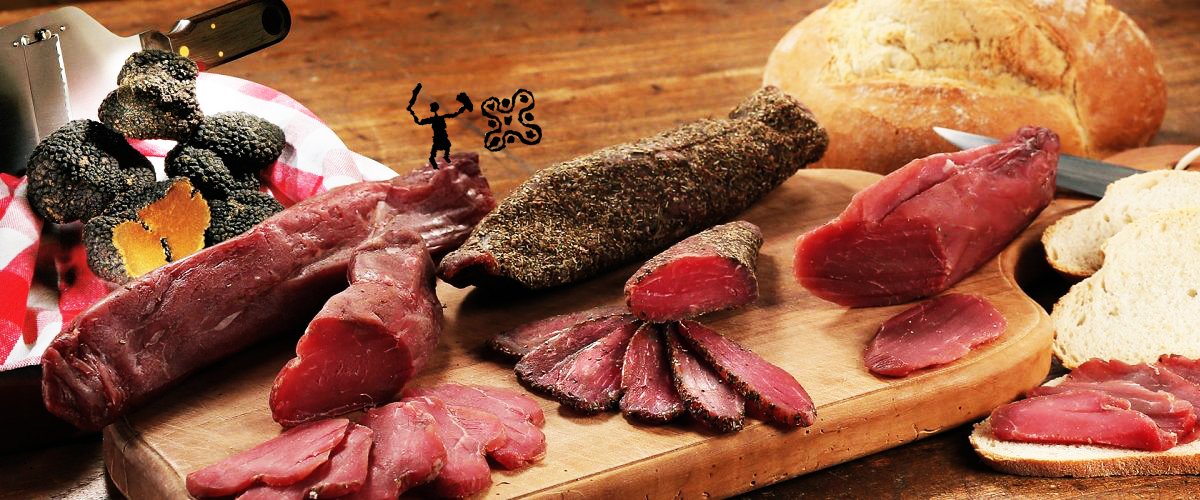


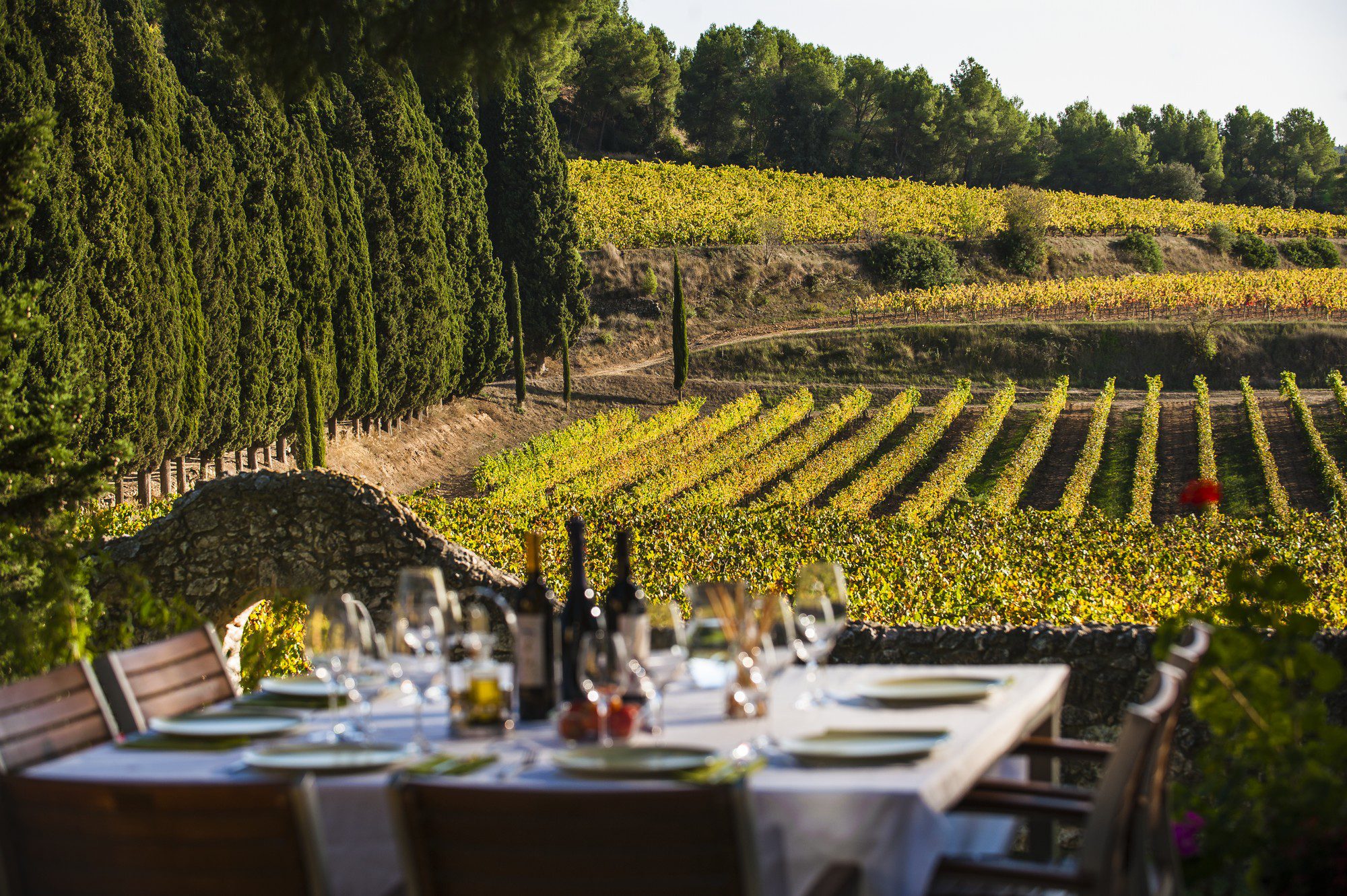
L‘enotourisme en Catalogne permet au visiteur de voyager à travers douze appellations d’origine et de découvrir un paysage viticole varié et fascinant, des vignobles caressés par la brise marine à ceux qui s’étendent sur les grandes plaines de l’intérieur des terres ou qui escaladent les pentes des montagnes. Tout au long de l’année, plus de 300 caves peuvent être visitées, on peut se promener parmi les vignobles, admirer un riche patrimoine et associer vin et gastronomie, entre autres propositions.
Avec une surface de plus de 65 000 hectares de vignobles, 12 appellations d’origine et une production annuelle de plus de 380 millions de bouteilles, la Catalogne est l’une des destinations œnotouristiques les plus prestigieuses au monde et un trésor précieux pour les amateurs de vin. Pour permettre aux touristes de découvrir cette richesse, l’Office du Tourisme de Catalogne a conçu un itinéraire en voiture qui traverse le sud de la région, de Barcelone jusqu’au Parc Naturel du Delta de l’Èbre, en passant par les appellations DO les plus importantes de Catalogne. Un itinéraire qui n’est pas seulement pour les passionnés de vin car chaque étape offre une proposition variée d’histoire, d’architecture et d’art.
Pour accompagner les touristes à travers ces merveilles, il y a le label Enoturismo Catalogne, créé pour développer, promouvoir et consolider des propositions spécifiques d’expériences et d’activités œnotouristiques à forte valeur ajoutée, qui contribuent à la connaissance et au plaisir du patrimoine et de la culture vitivinicole catalane.
Itinerary: on the wine road of Barcelona towards the south
First stop
Leaving Barcelona behind, you encounter the Penedès, the region with the largest wine production in Catalonia, which hosts three important cities: Vilafranca del Penedès, the capital of the region from which the DO takes its name; Sant Sadurní d’Anoia, the capital of Cava and Subirats, the capital of the vine. This region hosts the DO Penedès, the vast majority of the wineries of the DO Cava and the main producers of the DO Catalunya.
For enthusiasts, Penedès is a mine of wine-related activities: horse riding, bike or Segway tours among the vineyards, wine tasting courses, lunches among rows of vines, exciting helicopter and hot air balloon rides, offering spectacular views of large stretches of vineyards in the inland plain or the mountain vineyards. But not only wine: a family activity is the visit to the Espai Xocolata of Simón Coll in Sant Sadurní d’Anoia (on the route between Barcelona and Vilafranca in Penedès) an experiential tour in a factory that has been producing chocolate since 1840. The origins, culture, history, and chocolate-making process. Tastings are also provided, of course.
Second stop
With the Penedès behind, you enter the heart of the Priorat region, land of the DOQ Priorat, a wine that exudes the spirituality of the Carthusian monks who, in the 12th century, founded the Escaladei monastery, the first Carthusian monastery in Catalonia. The Priorat is the only denomination in Catalonia that has obtained the highest certification, with wines that have become true legends and among the most appreciated worldwide. Passing through this area, a visit to the three Cistercian monasteries, Santes Creus, Vallbona de les Monges and Poblet – with the tombs of the kings of the Crown of Aragon – is a must; they constitute three jewels of Gothic architecture. Around the monasteries, a tourist route has been created that combines architecture and landscape. In the Priorat area you can combine winery tours with a guided visit to the Bellmunt mine museum of Priorat, which hosts a modern exhibition and also includes a visit to the old mining colony. The Eugènia Mine was, in fact, the largest lead mine in the country.

Third stop
Towards the Terres de l’Ebre the third stop is the region of Terra Alta, located in the extreme southwest of Catalonia, characterized by the rich and complex DO Terra Alta. The Terra Alta Wine Route is a path through the main wine villages, with about 20 wineries offering visits and tastings, but it is also an area for all tourist tastes: nature lovers will appreciate the Sant Jaume trail, which is an invitation to a pilgrimage to Santiago de Compostela. Culture lovers can visit the Cèsar Martinell winery in Pinell de Brai, pure modernism, and cannot miss a visit to Horta de Sant Joan, a small town in the province of Tarragona, known for having hosted Pablo Picasso. Walking through the streets of this village you can retrace the steps of the great painter and immerse yourself in a place marked by the passage of Romans, Muslims, and Templars. A blend of art and history that gives Horta de Sant Joan an aura of mystery straddling myth and legend.
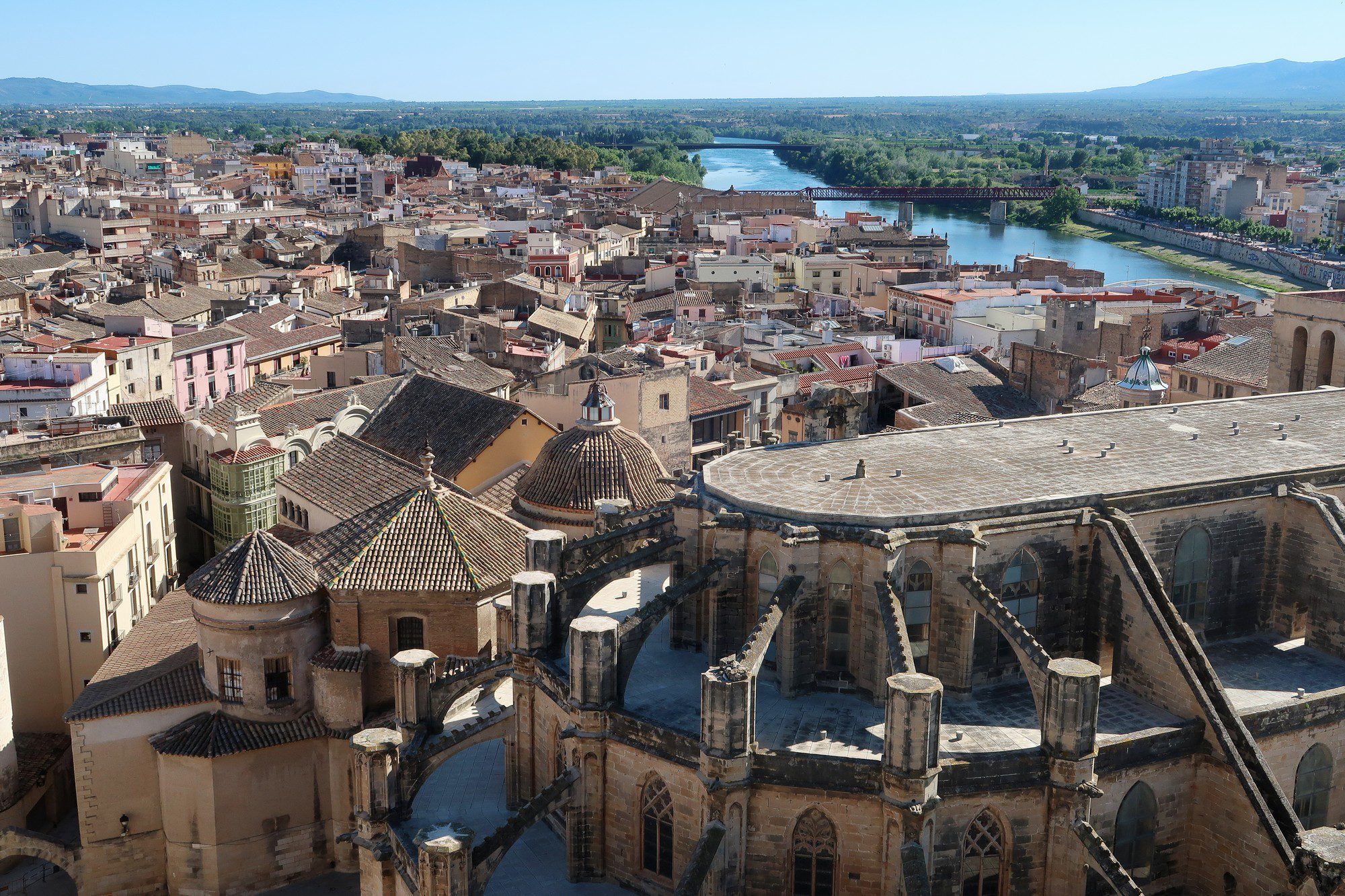
Arriving in the Terres de l’Ebre for the last stop of the trip you encounter Tortosa, a paradise for culture lovers. Its immense heritage has led it to be the Catalan Capital of Culture 2021. The capital of the Terres de l’Ebre boasts the Suda castle, the cathedral of Santa Maria, and elegant modernist buildings. The Delta de l’Ebre, being the largest river in Catalonia and the second largest on the Iberian Peninsula, is a place of primary importance for Catalan history and is the perfect place for enthusiasts of history, anthropology, and all nature lovers. With its 320 km of surface, 80 of which in the Delta de l’Ebre Natural Park, it represents the wettest area of the Catalan territory and constitutes one of the most important aquatic habitats of the Mediterranean. In the Natural Park, to fully enjoy the variety of landscapes and breathe pure air, it is recommended to walk along one of the proposed itineraries in search of migratory birds. Along the route, also accessible by bicycle, there are several towers strategically placed to best enjoy the unforgettable spectacle of the surrounding nature.
Die Weine Kataloniens
Katalonien zertifiziert die Qualität seiner Weine durch zwölf Herkunftsbezeichnungen: DO Alella, DO Conca de Barberà, DO Costers del Segre, DO Empordà, DO Montsant, DO Penedès, DO Pla de Bages, DOQ Priorat, DO Tarragona und DO Terra Alta sowie die DO Cava und DO Catalunya.
Wine Routes in Catalonia
There are perfectly structured wine tourism routes in Catalonia such as the Priorat Wine Route, Lleida-Costers del Segre Wine Route, DO Empordà Wine Route, Penedès Wine Route and DO Alella Wine Tourism. Renowned international wineries, traditional and family-run wineries with ecological and biodynamic production, modernist buildings known as “wine cathedrals”; modest huts nestled in vineyards, century-old farmhouses, the most avant-garde architecture…a varied ensemble that reveals to visitors the secrets of Catalan wines, often near elements of great interest such as the Poblet monastery, Sant Pere de Rodes, Escaladei, Empúries.
Wine Museums in Catalonia
The wine-growing history of Catalonia can also be discovered by visiting the various museums and interpretation centers of Wine and Cava, among which stand out: the Castell del Vi (Falset), the CIC Fassina-Centre d’Interpretació del Cava (Sant Sadurní d’Anoia), and Vinseum (Vilafranca del Penedès).
180 food and wine events in Catalonia
The wine tourism visit in Catalonia can also coincide with some of the more than 180 food and wine events that take place throughout the year and can be combined with all kinds of activities that allow you to get to know the vineyards in an active and original way: on foot, by electric bicycle, Segway, mountain bike, off-road vehicle, on horseback, or even by helicopter or sailing ship. And the day can end with a vinotherapy session.
Die Zahlen des Weintourismus in Katalonien
- 2.500 Jahre Weinberge und Wein, zurückgehend auf Iberer, Griechen und Römer.
- Meer und Berge, mit mediterranen Weinbergen entlang der Küste, in Tälern und auf Hügeln.
- Über 300 Weingüter, die einladen, das Geheimnis ihrer Weine und des Cava zu entdecken.
- Historische Bauernhöfe, modernistische Weinkeller und „große Kathedralen“ des Weins.
- PRESTIGETRÄCHTIGE WEINE. Weine und Schaumweine von Weltruf.
- Die Kombination von Weinen mit mediterraner Küche, traditionell, aber auch innovativ.
- Weintourismus und vielfältige Erlebnisse in und um eine der faszinierendsten Städte Europas.
- SPEZIALISIERTE UNTERKUNFT UND DIENSTLEISTUNGEN. Gourmet-Hotels und Einrichtungen, die hochwertige Unterkünfte mit Service für alle Touristen bieten.
- LEBENSSTIL. Sonne, Strand, Landschaften, Küche und Kultur. Eine Region für alle Geschmäcker und Interessen.
- 12 DO. 11 Wein-DO + 1 DO Cava. 600 Weingüter, davon 300 für die Öffentlichkeit geöffnet.