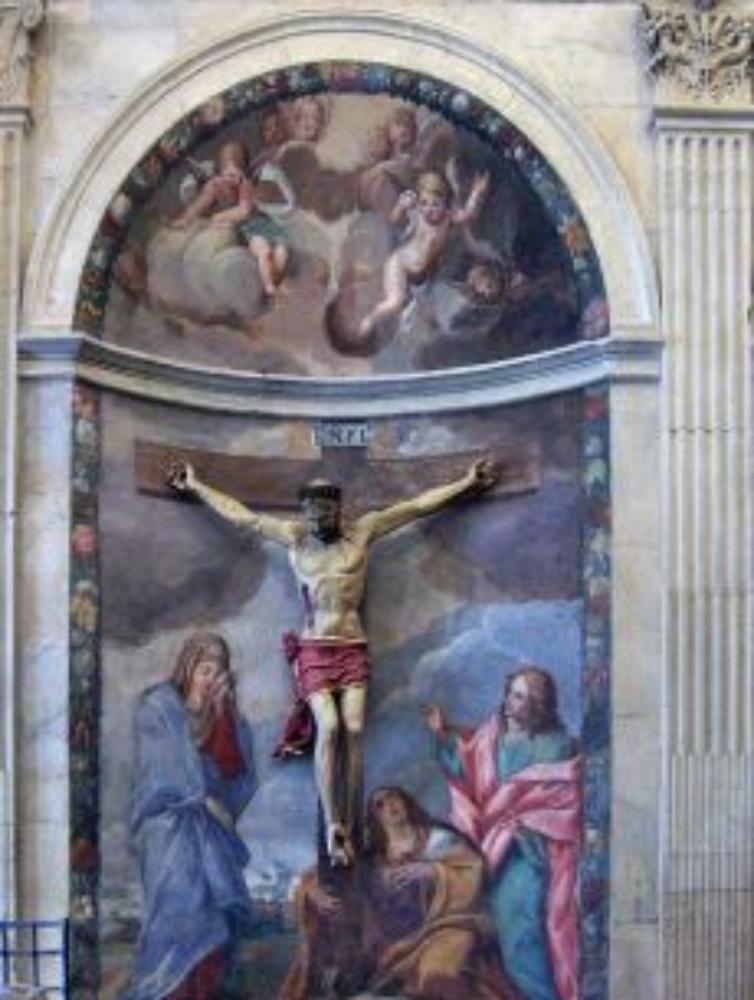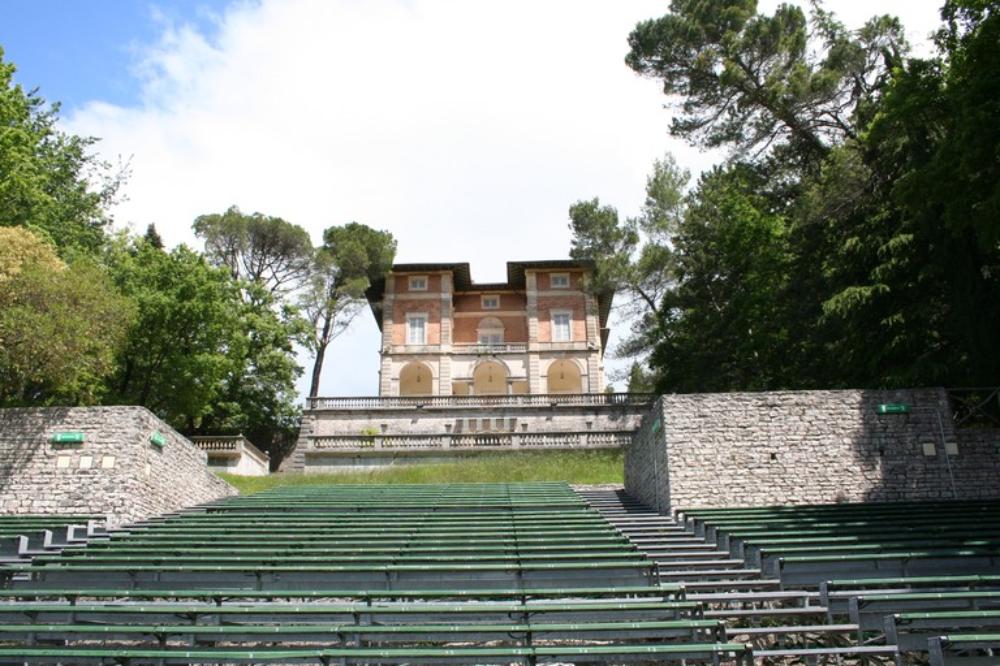


Collocated in Piazza Gabriotti, next to the cathedral dedicated to Saints Florido and Amanzio, with its surface of almost 800 sqm it is one of the largest Italian museums dedicated to sacred art.
Originally consisting of only two rooms, which were accessed through the sacristy of the cathedral, it was expanded and institutionalized in 1991 with the opening of five other rooms, located on two floors and partly derived from the old sixteenth-seventeenth century sacristies, partly from other fourteenth-fifteenth century rooms already belonging to the church. The latest expansion dates back to 2000, which extended the exhibition space to twelve rooms, also including a large Gothic hall with transversal ogival arches, perhaps originally a religious building, subject, like the other rooms, to a laborious restoration work.
The collection was formed with the aim of providing an adequate location for the works of art owned by the Chapter of the cathedral and the churches of the territory and is distinguished by the quantity and quality of liturgical objects, ranging from the 6th to the 19th century. In addition to the Treasure of Canoscio, testimony to the cults practiced by the local Christian communities of the 6th century, it preserves goldsmiths’ works, including a 12th-century altar frontal and a Sienese goldsmith’s crook, chalices, patens, monstrances and a rich collection of sacred vestments notable for the integrity of most of the sets. The museum also preserves important documentary evidence relating to the ecclesiastical history of the city, including, in particular, the parchment by which Frederick Barbarossa placed the clergy under his protection, as well as paintings by illustrious artists such as Pintoricchio, Rosso Fiorentino, Francesco da Tiferno and Bernardino Gagliardi.
Information about Museo del Duomo di Città di Castello
Piazza Gabriotti, 3/A
06012 Città di Castello (Perugia)
0758554705
museoduomo@tiscali.it
Source: MIBACT