


Venice is not a city to “visit,” it is a city to cross slowly. Yet, if you only have two days, you have to find a balance between what is unmissable and what truly makes the experience special. This itinerary stems precisely from this: not a list of attractions, but a real route, designed to let you see Venice without stress, without wasting time, and without getting trapped in the tourist flows. If you want a complete overview, you can start from the guide on what to see in Venice, but here we get to the concrete part: what to really do in 48 hours.
- Day 1: the Venice you’ve always imagined
- Morning: Piazza San Marco without crowds
- Doge’s Palace: entering the history of the Serenissima
- Lunch: how to avoid tourist traps
- Afternoon: the Grand Canal, but really well done
- Evening: Rialto and the most authentic moment of the day
- Day 2: the Venice few truly see
- Morning: authentic neighborhoods and local rhythm
- Lido di Venezia: completely changing perspective
- Afternoon: experiences, details and tradition
- Where to stay to optimize your time
- When to go: it completely changes
- Alternatives: Chioggia and surroundings
- Final tips to really experience Venice
- FAQ – Venice in 2 days
- What to see in Venice in 2 days?
- Are two days enough to visit Venice?
- What is the best time to visit Venice?
- Is it better to stay in the historic center of Venice?
- How to get around Venice in 2 days?
- Is it better to book attractions in advance?
- How much does it cost to visit Venice for 2 days?
- Is it worth visiting Venice in winter?
Day 1: the Venice you’ve always imagined
The first day is the one of iconic images. It’s inevitable: Venice is one of the most photographed cities in the world and some stops are simply essential. The real secret, however, is not avoiding them, but living them the right way, without enduring them or getting caught up in the crowds. The goal of the day is simple: see the major symbols, but at a sustainable pace and with some tips that allow you to really enjoy the experience.
Morning: Piazza San Marco without crowds
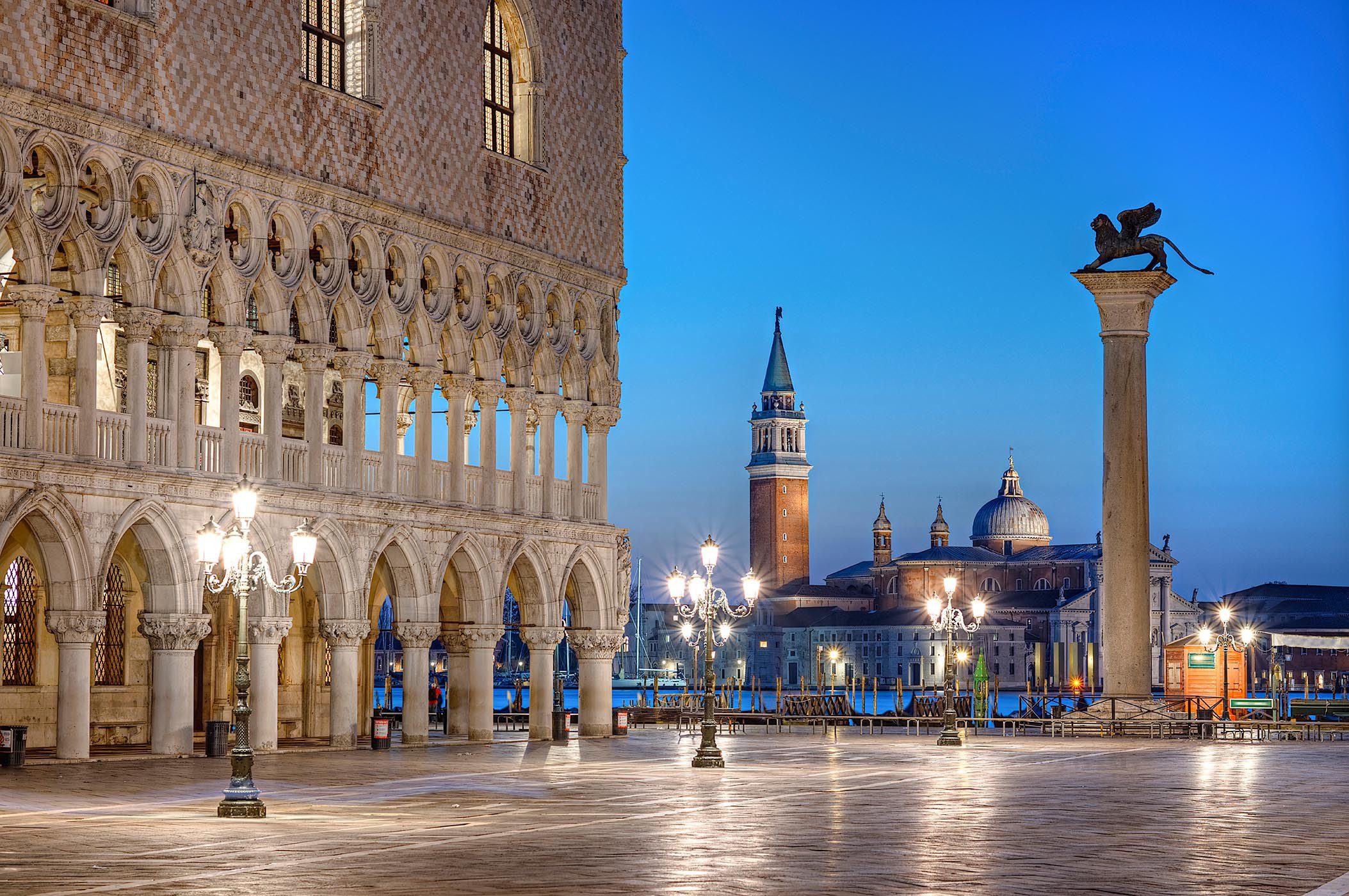
Arrive early. This is the most important advice of the entire itinerary. Piazza San Marco changes completely between 8:00 and 11:00. In the early morning hours it is still Venice: quiet, elegant, almost suspended. Afterwards, it becomes a continuous flow of people. If you can, enter the square before 9:00. Stop for a few minutes doing nothing: watch the light reflecting on the facades, listen to the sounds of the waking city, observe the details of St. Mark’s Basilica and the Campanile. Don’t rush to queue or enter attractions immediately. Venice doesn’t work like that: first you observe, then you explore.
Doge’s Palace: entering the history of the Serenissima
A few steps from the basilica is one of the city’s most important places. The Doge’s Palace is not just a tourist stop: it is the place where you truly understand what Venice was. Visiting it, you enter the political heart of the Serenissima. Imposing rooms, rich decorations, corridors that tell centuries of power. Here Venice stops being just beautiful and also becomes interesting.
To avoid unnecessary queues (which can be long here), it’s advisable to organize yourself in advance by reading how to buy tickets . Just this detail can save you precious time.

Lunch: how to avoid tourist traps
The San Marco area is one of the most touristic in Europe. This means one thing: very variable quality and often high prices. The advice is simple but effective: walk 5-10 minutes away. It really takes little to completely change the experience. Avoid menus with photos, prices that are too “friendly,” or places that actively try to attract customers in the street. Instead, look for small restaurants or bacari also frequented by Venetians. You don’t need to go far: you just need to go off the obvious streets.
Afternoon: the Grand Canal, but really well done
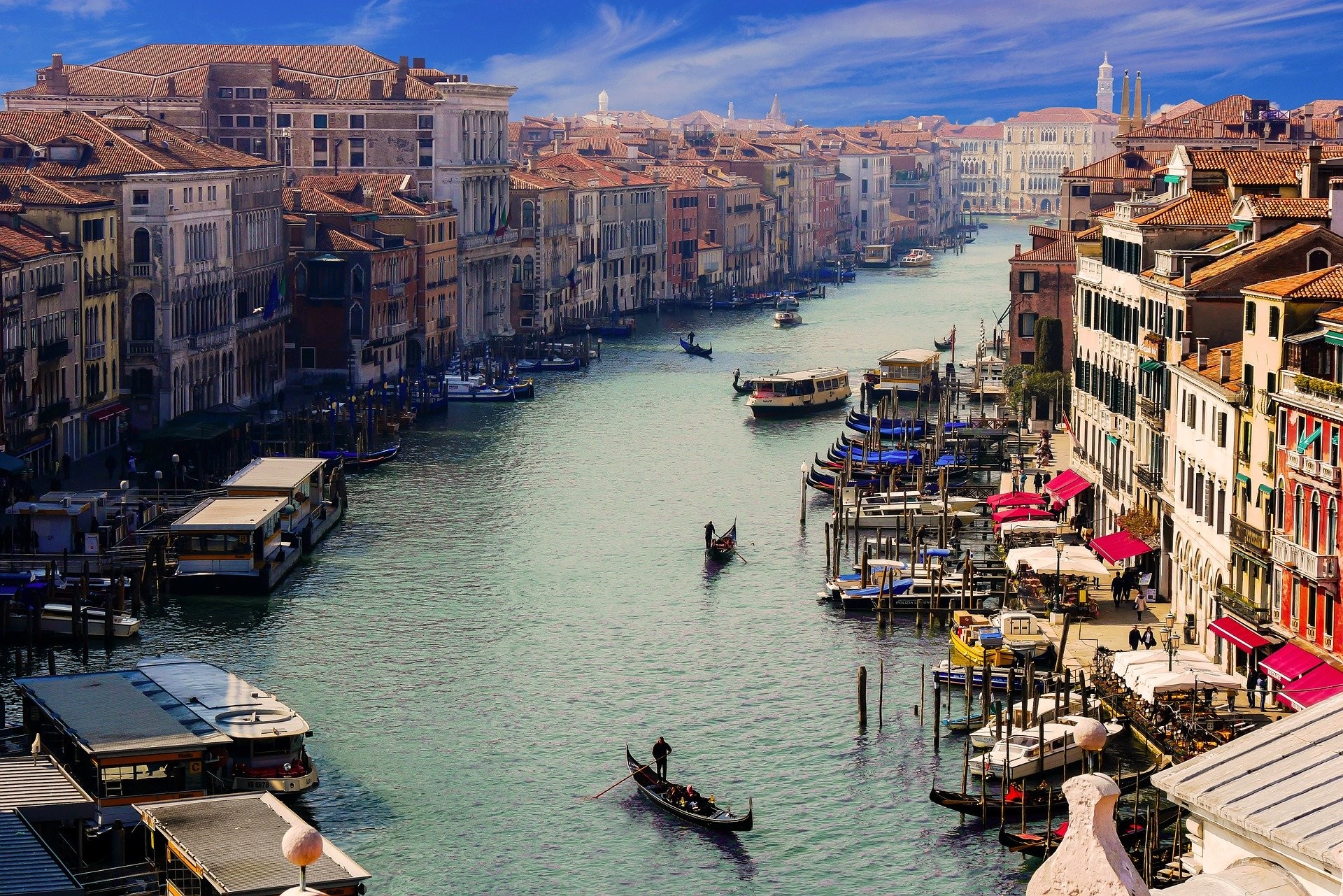
The Grand Canal is the heart of Venice. It’s not just a canal: it’s the city’s history flowing before your eyes. Many look at it from bridges or cross it quickly. The right way to experience it, instead, is to get on a vaporetto and travel it slowly, as if it were a real street.
Sit by the window or, if you can, outside. Watch the palaces, facades, details. Every building tells something. To avoid doing it randomly, follow this Grand Canal itinerary . It helps you understand what you’re seeing and makes the experience much more interesting.
Evening: Rialto and the most authentic moment of the day
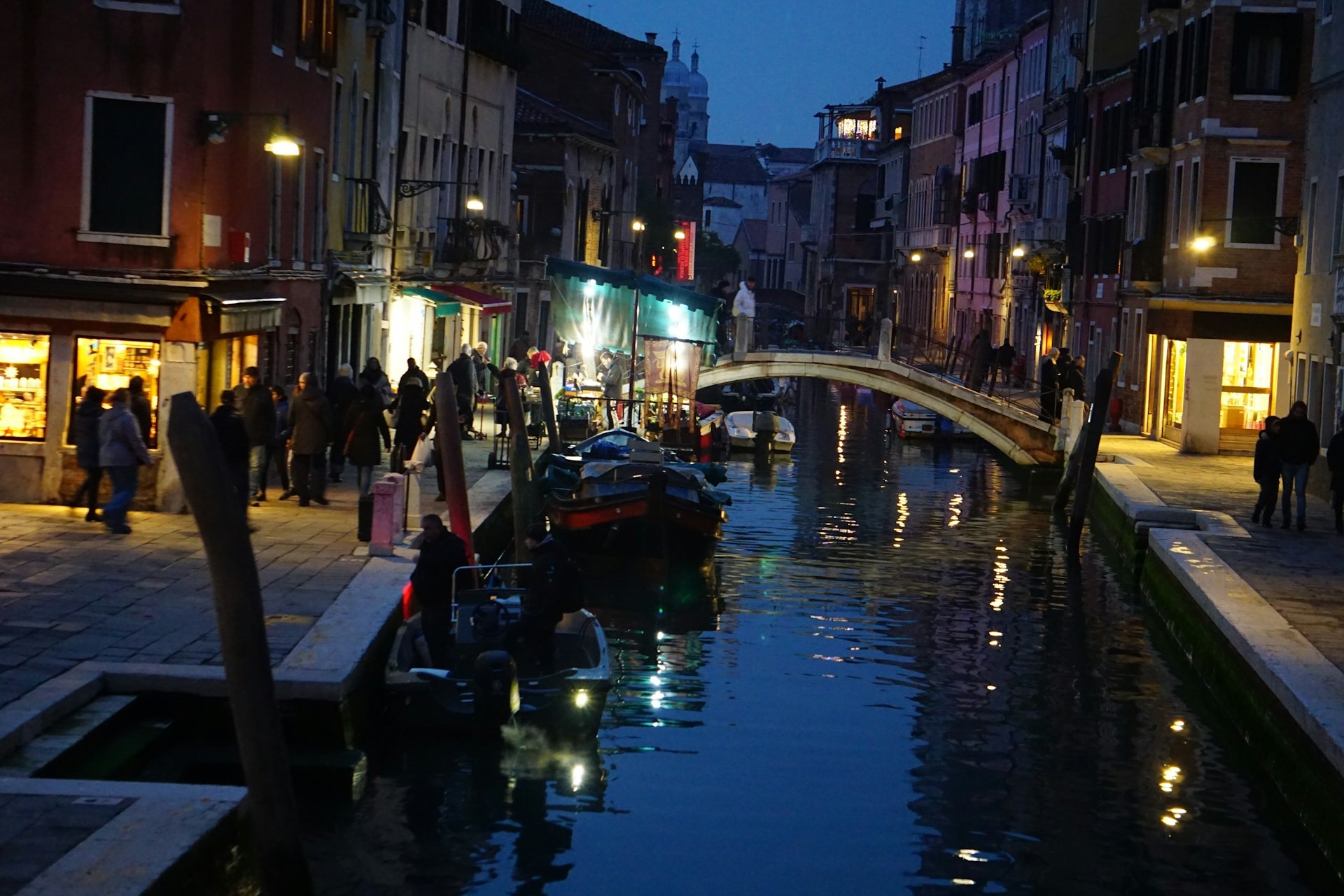
The Rialto area is perfect to conclude the day. Not so much for the shops or attractions, but for the atmosphere that forms at dusk. When the tourist flow begins to decrease, Venice changes pace. The lights reflect on the water, the calli become calmer and everything seems more real. The only advice here is: stop following a map. Walk aimlessly, cross bridges, enter the narrower calli. Venice is discovered exactly like this.
Day 2: the Venice few truly see
After seeing the symbols, the second day is for understanding Venice. This is where the perception of the city really changes. If the first day is about icons, the second is about details, atmospheres, and daily life.
Morning: authentic neighborhoods and local rhythm
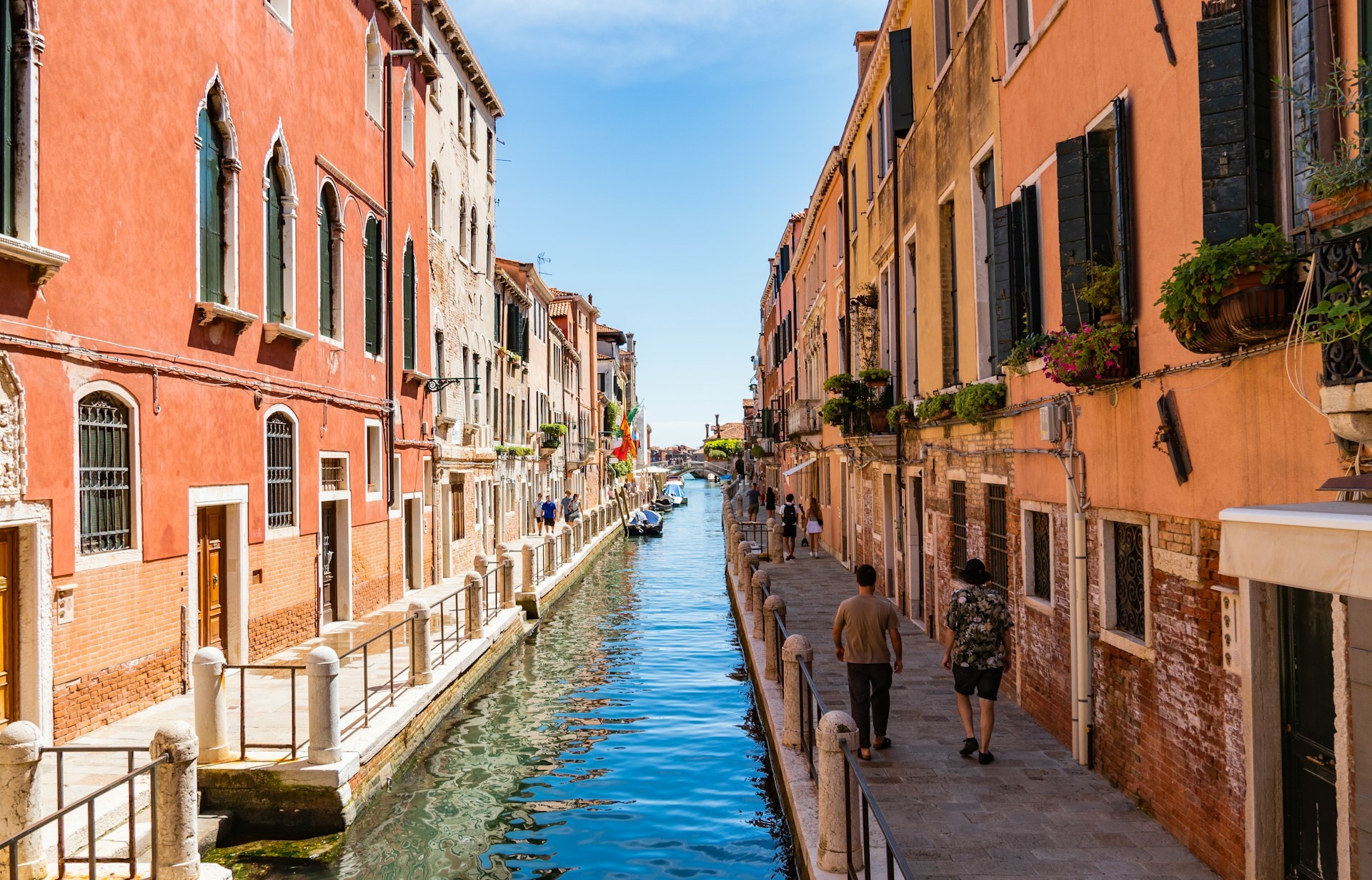
Head towards Dorsoduro o Cannaregio. These are two of the most interesting areas to see a more authentic Venice. Here you don’t find just tourists, but also residents. You will see people going to work, children leaving school, small neighborhood shops. Walk slowly, stop at bars, observe everyday life. It’s a completely different experience compared to San Marco.
If you want, you can also stop for a breakfast or a snack in a bacaro: it’s one of the best ways to truly immerse yourself in the local culture.
Lido di Venezia: completely changing perspective
If you want to see a totally different side of the city, take the vaporetto to the Lido di Venezia. In just a few minutes, you go from canals to beaches. The Lido is airier, more relaxed, with tree-lined avenues and a completely different atmosphere. It’s a perfect break, especially if you feel the need to get away for a few hours from the intense pace of the historic center.
Afternoon: experiences, details and tradition
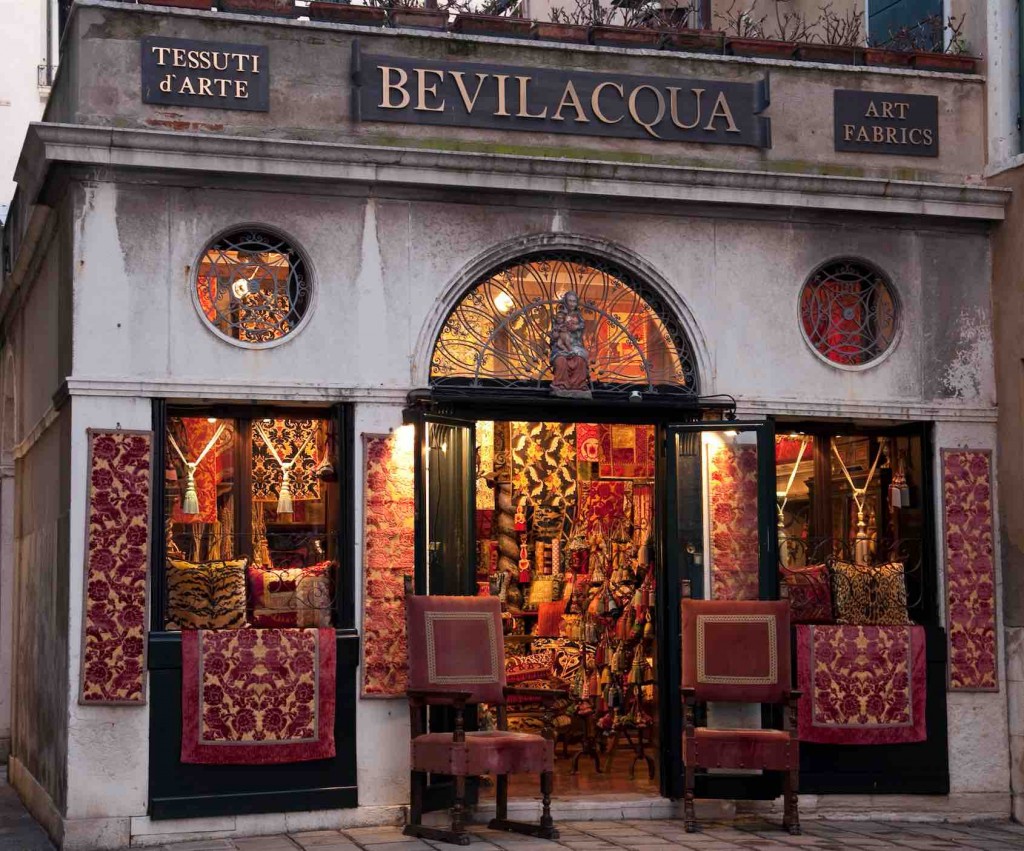
The second day is ideal for going deeper. Venice is not just monuments, but also craftsmanship, materials, tradition. For example, you can discover where to buy Venetian fabrics, one of the lesser-known but most fascinating excellences. This kind of experience allows you to see Venice in a different light: no longer just as a tourist destination, but as a living and productive city.
Where to stay to optimize your time
Choosing accommodation is fundamental. Sleeping in the right place means saving time, avoiding unnecessary travel, and enjoying the city better. If you want to find affordable solutions without giving up comfort, we recommend the guide on where to stay in Venice on a budget. Alternatively, you can immediately compare the best available deals: See hotels and deals in Venice on Booking
When to go: it completely changes
Venice is never the same as itself. The season greatly influences the experience. In winter it is quieter, more authentic, almost intimate. In summer it is livelier, but also much more crowded. If you want to learn more, also read what to do in Venice in winter, to understand if it could be the right time for you.
Alternatives: Chioggia and surroundings
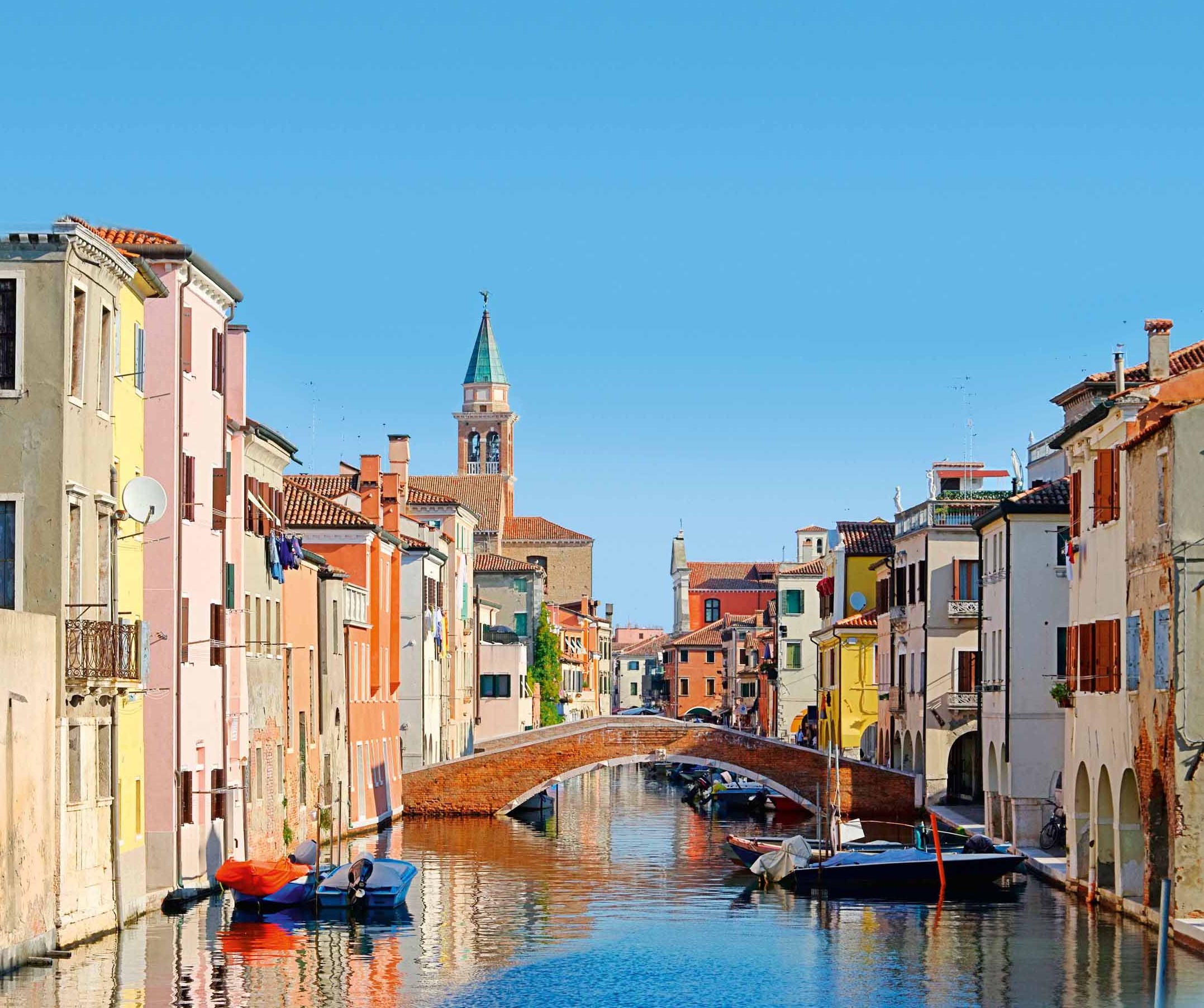
If you have more time or want to see something different, you can consider an excursion to Chioggia, often called “little Venice”. It is less touristic, more authentic, and very interesting. Here you find an itinerary between Chioggia and Venice.
Final tips to really experience Venice
- Wake up early: it’s the best way to see the city
- Move away even just a few meters from the central areas
- Don’t try to see everything: choose and enjoy what you do
- Walk aimlessly for at least an hour a day
- Avoid overly touristy restaurants
- Stop often: Venice is experienced in the details

FAQ – Venice in 2 days
What to see in Venice in 2 days?
In two days in Venice, you can visit the main attractions like St. Mark’s Square, the Basilica, the Doge’s Palace, and the Grand Canal, but also explore more authentic neighborhoods such as Dorsoduro and Cannaregio. With a well-organized itinerary, you can combine iconic places with more local experiences.
Are two days enough to visit Venice?
Yes, two days are sufficient to get a comprehensive view of the city. You won’t see everything, but you can discover the main sites and experience the Venetian atmosphere without rushing too much, especially by following a structured itinerary.
What is the best time to visit Venice?
The best times are spring and autumn, when the weather is pleasant and the city less crowded. Winter can also be a great choice for those seeking a more authentic and peaceful experience.
Is it better to stay in the historic center of Venice?
Staying in the historic center is the most convenient solution because it allows you to move around on foot and experience the city even in the evenings. However, areas like Mestre or the Lido can be more economical and still well connected.
How to get around Venice in 2 days?
The best way to get around Venice is on foot. For longer distances or to cross the Grand Canal, you can use the vaporetto, the main public transport of the city.
Is it better to book attractions in advance?
Yes, especially for very popular attractions like the Doge’s Palace. Booking in advance allows you to avoid long lines and make the most of your available time.
How much does it cost to visit Venice for 2 days?
The cost depends on the period and the type of accommodation chosen. On average, including hotels, transport, and meals, you can spend from 150 to 300 euros per day per person, but there are also more economical options.
Is it worth visiting Venice in winter?
Yes, Venice in winter is less crowded and more evocative. The atmosphere is more authentic and you can experience the city more peacefully compared to the more touristic months.