


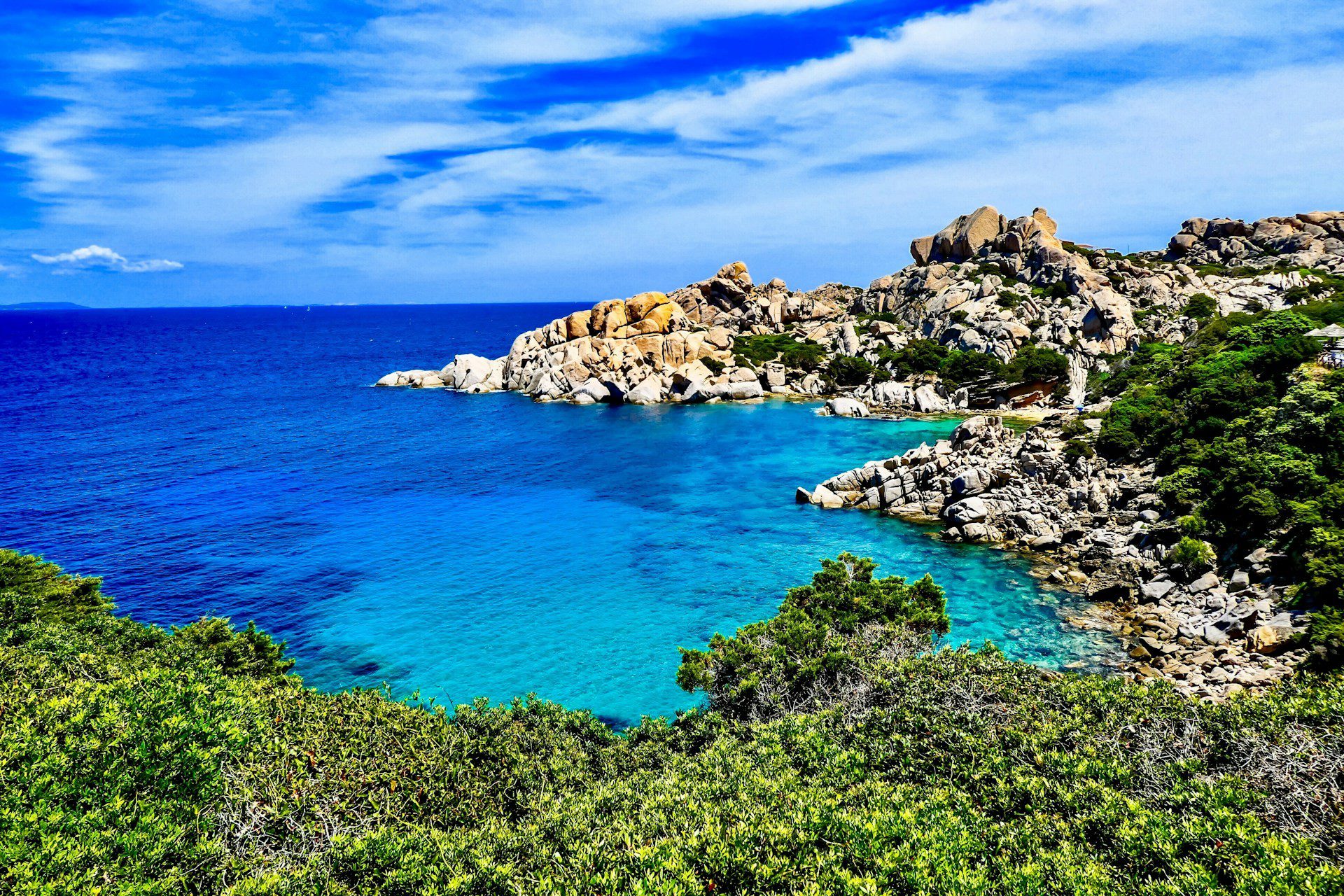

From north to south, the island hides secret trails and pristine coves accessible only to the most adventurous. Explorers can trace the footsteps of ancient civilizations, such as the mysterious Nuragic sites, and lose themselves in dense forests where time stands still. Sardinia also boasts a remarkable cultural heritage, with traditional festivals and rituals preserved almost unchanged over the centuries.
In this article, we guide you along unique itineraries that reveal Sardinia’s true essence, far from the typical tourist routes. We encourage you to embrace the island’s wild nature, rich culture, and the legendary warmth of its people. Get ready to discover a different side of Sardinia—an ideal destination for those seeking authentic experiences and aren’t afraid to venture off the beaten path.
How to Get to Sardinia
Sardinia is easy to reach and makes a perfect starting point for one-of-a-kind adventures. The island is well connected by both air and ferry, with options to suit every traveler’s preferences and needs.
Traveling by plane is the fastest choice for those coming from farther away. The airports in Cagliari, Olbia, and Alghero offer frequent flights to and from major Italian and European cities, making access to the island simple. This is ideal for travelers looking to maximize their time and get straight into the Sardinian adventure.
If you prefer a more scenic and relaxed approach, ferries provide an unforgettable journey across the sea and the chance to bring your own vehicle. The ports of Genoa, Livorno, Civitavecchia, and Naples offer regular ferry routes to Sardinia, making road trips easy once you land. Traveling by ferry is also a great option if you’re bringing camping or sports gear, essential for venturing into the island’s most remote and untouched areas.
Many international visitors arrive in Sardinia by ferry with a rental car after touring Tuscany or Central Italy. As in the rest of Italy, tourists from other European countries can drive using their national license, while non-EU travelers must also have an international driving permit (International Drivers Licence).
No matter how you choose to arrive, reaching Sardinia is straightforward and offers many options to kick off a holiday dedicated to exploration and adventure. Once you’re on the island, endless opportunities await—from sparkling coastlines to hidden inland treasures, all ready to be uncovered by intrepid explorers.
Hidden Inland Trails
The Sardinian hinterland offers a completely different perspective of the island—far from the busy tourist beaches. This section is an invitation for adventurers to explore off-the-radar paths snaking through ancient forests, wild mountains, and archaeological sites, discovering a side of Sardinia that remains largely unexplored.
One of the most fascinating routes leads to the discovery of the nuraghi, ancient megalithic structures scattered across the island. Sites like the Barumini complex, a UNESCO World Heritage site, offer a rare glimpse into Sardinia’s prehistoric civilization. Walking among these ruins is like stepping back in time, and lesser-known routes allow visitors to enjoy them without the crowds.
Nature lovers should not miss the Gennargentu National Park, where breathtaking mountain landscapes and the chance to spot wildlife like the mouflon and golden eagle await. Well-marked trails wind through holm oak forests and Mediterranean scrub, rewarding hikers with some of the island’s most stunning panoramic views.
Another must-see is the Valle della Luna, located in the Capo Testa area. Famous for its moon-like rock formations shaped by wind and sea, it offers visitors both natural beauty and peace far from the main tourist hubs.
These itineraries deepen visitors’ understanding of Sardinia’s soul and offer a genuine adventure, enabling full immersion in the island’s untouched landscapes and ancient history. For daring explorers who leave the well-worn tracks, these hidden paths provide an unrivaled experience.
Secret Beaches and Hidden Coves
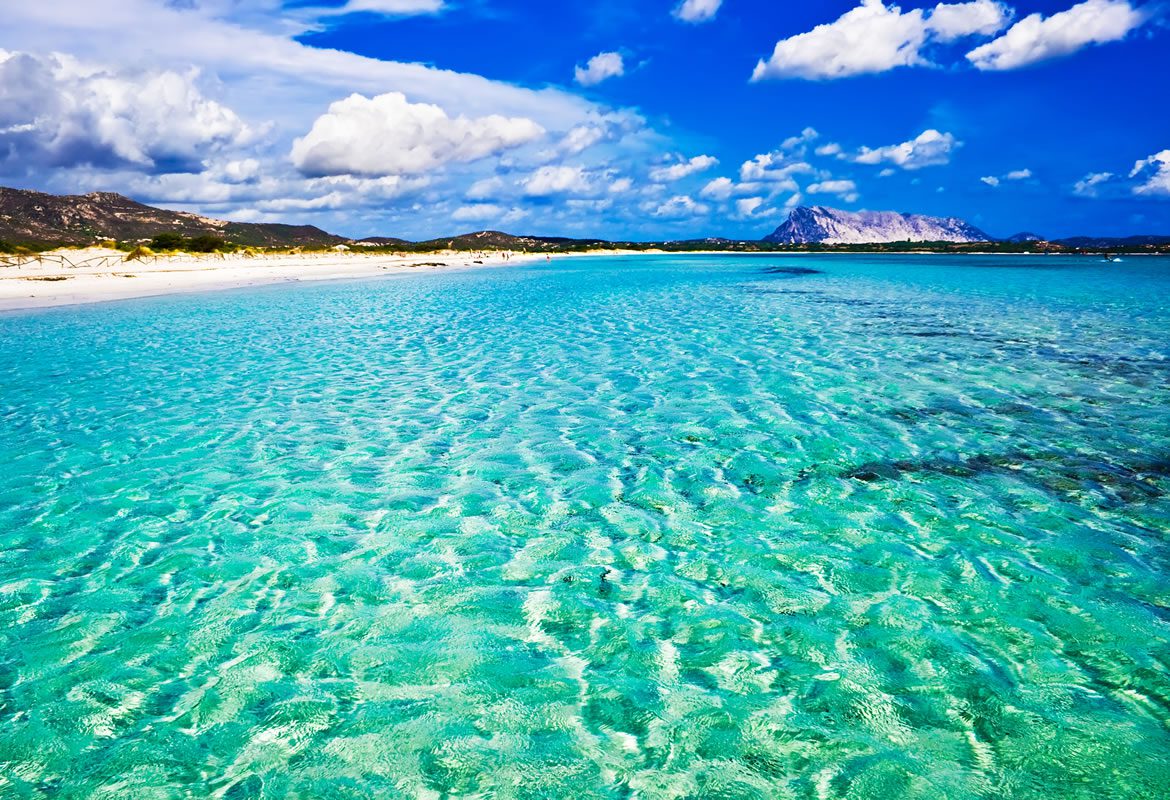
Sardinia is famous for its stunning coastline, but beyond legendary spots like the Costa Smeralda, there are countless hidden bays and secret beaches where you can enjoy tranquil, unspoiled beauty. Here are some of the most secluded and little-known gems, perfect for curious adventurers seeking an intimate connection with the island’s marine wonders.
One of these highlights is Cala Goloritzé, accessible only on foot or by sea. Located on Sardinia’s eastern coast, this small beach is renowned for its clear waters and towering limestone pinnacle. The trek to reach it is an adventure in itself, with awe-inspiring vistas and a rewarding hike before you arrive at this remote paradise.
Another destination not to be missed is Spiaggia del Principe, tucked among the granite rocks of the Costa Smeralda. Much less crowded than the more commercial beaches nearby, it features turquoise waters and fine sand—ideal for relaxing in the heart of nature.
For those looking to discover authentic Sardinian marine life, Cala Mariolu is a must. This cove is a snorkeling paradise, thanks to vibrant marine biodiversity and transparent waters perfect for observing underwater life up close.
Finally, Capo Testa offers not only hidden beaches but also fascinating rock formations and ancient Roman ruins to explore. Its unique landscape and many secret coves are perfect for anyone seeking a day of peace and discovery.
These secret beaches are just a taste of the endless wonders Sardinia has in store. Every hidden bay and isolated stretch of sand promises a unique experience and the chance to enjoy the island’s natural treasures far away from the crowds.
Immersive Cultural Experiences
Sardinia’s charm is not only in its scenery but also in its rich and authentic cultural heritage. For curious adventurers, exploring local traditions offers unique insight into island life and the chance to connect with its vibrant community.
One of the most captivating experiences is attending local festivals such as the Carnevale di Mamoiada or the Sartiglia di Oristano. These events are not just eye-catching spectacles, but a window into the historical roots and living traditions of Sardinia. Here, visitors can admire traditional masks, elaborate costumes, and equestrian competitions—all signature elements of the island’s cultural identity.
Joining craft workshops is another way to connect with local culture. Many villages offer opportunities to learn ancient weaving techniques, like working with ‘bisso’ or ‘orbace’ wool. These workshops let you appreciate Sardinian craftsmanship, and often you can bring home a one-of-a-kind souvenir.
Sardinian cuisine is another highlight, and taking part in local food tastings is a must. Delicacies such as pecorino sardo cheese, pane carasau, bottarga, and cannonau wines can be savored at wineries and agriturismi, typically accompanied by stories about their history and production.
For a deeper insight, visit ethnographic museums and archaeological sites like Tharros or Nora, where you can journey through Sardinia’s history—from prehistoric times to Roman influences and the present day.
These cultural experiences offer a richer understanding of Sardinia and allow visitors to see the island as more than just a holiday spot, but as a land with a vibrant past, living traditions, and enduring spirit.