


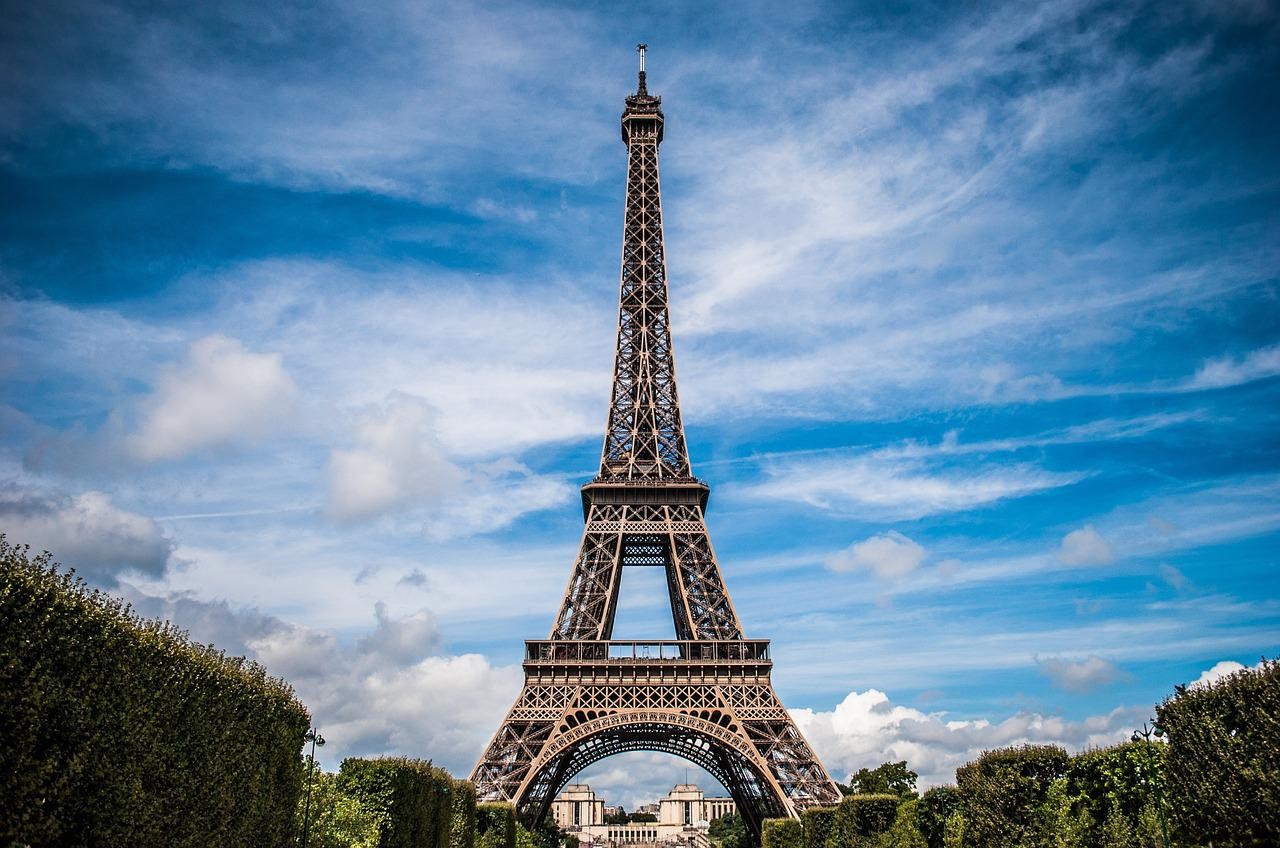

The Eiffel Tower is one of the most visited landmarks in the world, attracting millions of tourists every year. If you’re planning a visit, it’s essential to know how to purchase tickets in advance to avoid long waiting times. You should also be familiar with the different ticket types so you can choose the option that best suits your needs.
- Top Ways to Get Eiffel Tower Tickets
- 1. Buy Tickets in Advance
- 2. Buy Tickets On-Site (Not Recommended)
- 3. Book a Guided Tour
- 4. Join a Paris Combo Tour
- 5. Consider the Paris Pass
- Types of Eiffel Tower Tickets
- How Much Do Eiffel Tower Tickets Cost?
- Eiffel Tower Levels
- Eiffel Tower Opening Hours
- Eiffel Tower Security
- When is the Best Time to Visit the Eiffel Tower?
- How to Get to the Eiffel Tower
- Hotels Near the Eiffel Tower in Paris
- Visiting the Eiffel Tower with a Disability
- Fun Facts About the Eiffel Tower
- When was the Eiffel Tower built?
- Why was the Eiffel Tower built?
- Who built the Eiffel Tower?
- How tall is the Eiffel Tower?
- What is the Eiffel Tower made of?
- Additional Information
Top Ways to Get Eiffel Tower Tickets
Given the Eiffel Tower’s popularity among Paris visitors, it’s no surprise there are several ways to purchase Eiffel Tower tickets. Your choice will depend on how organized you are, the kind of visit you want, and what else you have planned during your Paris stay. Below, we break down each option to help you find what’s right for you.
1. Buy Tickets in Advance
As one of Paris’s most iconic monuments, tickets for the Eiffel Tower often sell out, so booking ahead is highly recommended. This guarantees your entry and saves you from waiting in long lines. Buy tickets up to two months ahead via the official Eiffel Tower website. Please note: these tickets are non-exchangeable, non-modifiable, and non-refundable.
If you want flexibility in case your plans change, consider this Second Floor ticket or this Summit ticket. These flexible options allow cancellation up to 24 hours before your visit for a full refund—ideal if your travel plans are uncertain.
Even with skip-the-line tickets, short waits for the tower elevators may still occur, especially during busy periods.
2. Buy Tickets On-Site (Not Recommended)
If you haven’t pre-booked, you can purchase tickets on site the day of your visit. However, expect long queues, especially in the high tourist season. If you decide to buy on-site, plan to arrive early in the morning to beat the crowds.
3. Book a Guided Tour
If you want a more in-depth and informative experience, consider a guided tour of the Eiffel Tower. These tours include skip-the-line access, giving you more time to enjoy the views and less time in queues. A knowledgeable guide will share the tower’s history and highlight key sights. To make things easier, we recommend this guided Eiffel Tower tour with priority access.
4. Join a Paris Combo Tour
A popular option for Paris visitors is to pair a guided Eiffel Tower visit with a scenic Seine River cruise. Enjoy stunning city views from above and then relax as you float past Paris’s landmarks on the river. If this combination fits your plans, check out this great value combo tour.
5. Consider the Paris Pass
If you want to see a lot during your Paris trip, the Paris Pass is worth a look. Like other city passes, it helps you save money on multiple major attractions.
With the Paris Pass, you get free entry to over 75 attractions, including the Eiffel Tower. It grants access to the second floor by stairs (not by elevator) but does not include entry to the summit observation deck.
Other museums and landmarks included are the Louvre, Arc de Triomphe, Musée d’Orsay, and Palace of Versailles. Pass holders also enjoy experiences like French wine tasting at Les Caves du Louvre and walking tours of Montmartre and Sacré Coeur. Passes are available for various durations, from two to six days in Paris.
Types of Eiffel Tower Tickets
You’ll find several ticket options for the Eiffel Tower:
- Summit access by elevator: Go all the way to the top for the most spectacular view of Paris. This is the most expensive ticket but offers a truly breathtaking experience.
- Second floor access by elevator: Ride the elevator to the second floor for a panoramic city perspective.
- Second floor by stairs: For the fit and budget conscious, this option lets you climb 674 steps to the second floor—a demanding ascent, but the views are rewarding.
Both the second floor and summit tickets include access to the first floor, where you can look through the glass floor down to the esplanade and see a section of the original spiral staircase.
Elevator tickets can be booked up to 60 days in advance, and stair tickets up to 14 days ahead. When booking online through the official Eiffel Tower site, you’ll select your preferred entry time from available slots. E-tickets can be printed or shown on a smartphone, as long as the barcode is readable.
How Much Do Eiffel Tower Tickets Cost?
Eiffel Tower tickets start at €10.50 for adults taking the stairs to the second floor, and go up to €26.10 for elevator access to the summit.
Young people aged 12–24 pay about half price: €5.20 for stairs to the second floor and €13.10 for the elevator to the top. Reduced prices are available for children aged 4–11 and people with disabilities; children under 4 enter free.
Sometimes discounts are offered on the official site for advance bookings during quieter times of the year.
Eiffel Tower Levels
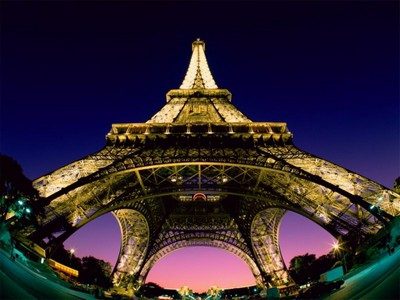
The Eiffel Tower has three public levels. The first and second floors feature shops and restaurants; the third, known as the summit, offers the best views of Paris.
Eiffel Tower Opening Hours
The Eiffel Tower is open year-round. Opening hours vary by season, but typically the tower is open from 9:30 am to 5:30 pm in winter, and until midnight in summer.
Eiffel Tower Security
To ensure everyone’s safety, certain rules apply. Suitcases, large backpacks, and bulky items are not permitted. All visitors must pass a security check before entering.
When is the Best Time to Visit the Eiffel Tower?
Want to avoid the crowds? There are definitely better times to visit. The tower is busiest at peak hours, resulting in long lines and ticket shortages.
Generally, the Eiffel Tower is quieter in January, February, October, and November—well away from the busy summer months of July and August. Weekends are the busiest, while Tuesdays, Wednesdays, and Thursdays are generally calmer. The quietest times are mornings before 11:00 or after 8:00 pm when the tower stays open late.
How to Get to the Eiffel Tower
Getting to the Eiffel Tower is simple, thanks to Paris’s extensive public transport system. Your best route will depend on your starting point, but usually involves taking the Metro, RER train, city buses, or a combination.
Three Metro stations are close to the Eiffel Tower:
- Trocadéro on line 9
- Bir-Hakeim on line 6
- Ecole Militaire on line 8
Near Bir-Hakeim, you’ll also find Champ de Mars–Tour Eiffel station for the RER C line. Bus riders can use Tour Eiffel stop on buses 30 and 82; Champ de Mars stop on lines 69 and 86; or Pont d’Iéna stop on bus 72. All of these stops are within a short walk of the tower.
Hotels Near the Eiffel Tower in Paris
Many travelers in Paris want to stay as close as possible to the Eiffel Tower—for good reason. Who wouldn’t want a view of the tower from their room or a chance to stroll there whenever they wish? In reality, the best views are often from a bit farther away, so you may have to choose between proximity and a perfect panorama.
For a truly luxurious Paris stay, consider the lavish Tour Eiffel Suite at La Clef Tour Eiffel Paris. Here you’ll enjoy a sublime view of the tower and five-star luxury, complete with a spa, hammam, and fitness center.
A great mid-range hotel near the Eiffel Tower—and with nice views—is Jardins Eiffel. Just 15 minutes on foot from the tower, this three-star offers stylish and comfortable rooms.
Visiting the Eiffel Tower with a Disability
The Eiffel Tower has been adapted to better accommodate visitors with disabilities and accessibility needs. Features include large-capacity elevator cabs, window replacements on the second floor, and accessible toilets on every level. However, for emergency evacuation reasons, wheelchair users are not permitted at the summit.
Fun Facts About the Eiffel Tower
When was the Eiffel Tower built?
Construction began on January 26, 1887, and finished on March 31, 1889—a span of two years, two months, and five days.
Why was the Eiffel Tower built?
The Eiffel Tower was constructed for the 1889 Exposition Universelle, a world’s fair in Paris marking the 100th anniversary of the storming of the Bastille. Interestingly, the tower was initially meant to stand only 20 years, but it was later preserved for scientific and telecommunications use.
Who built the Eiffel Tower?
Engineer Gustave Eiffel is credited with building the tower, but the project originated with two engineers from his company—Maurice Koechlin and Emile Nouguier—while architect Stephen Sauvestre refined its aesthetic. About 150–300 workers built the tower, with another 150 off-site producing components.
How tall is the Eiffel Tower?
The tower stands 324 meters (1,063 ft) high, but was originally 312 meters (1,024 ft) before its antenna was added in 1957. From its completion in 1889 until 1930, it was the world’s tallest structure.
What is the Eiffel Tower made of?
There are 7,300 tons of wrought iron in the tower—hence its nickname “the Iron Lady” or La dame de fer in French.
Additional Information
If you plan to visit the Eiffel Tower, try to organize your trip in advance. Consider the weather, how much time you want to spend at the tower, and other Paris attractions you’d like to see. Be aware: the Eiffel Tower is one of the world’s most popular sights, so expect crowds!
In short, the Eiffel Tower is a must-see for any Paris visitor. We hope this guide helps you plan your trip and book your Eiffel Tower tickets with ease. Enjoy your visit!